

Guitar Salon International
+1 (310) 586.1100 | +1 (877) 771.4321
Muzeum
Gitary klasyczne
Gitary klasyczne
Gitary Flamenco
Gitary Flamenco
Kolekcja Cleveland
Kolekcja Cleveland
Lutnicy
Lutnicy
Twój koszyk

Twój koszyk jest pusty!

Sub-Total: $0.00
Total: $0.00
Edytuj koszyk
Wymeldować się
Museum

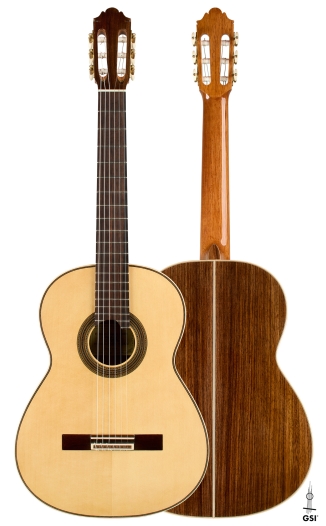
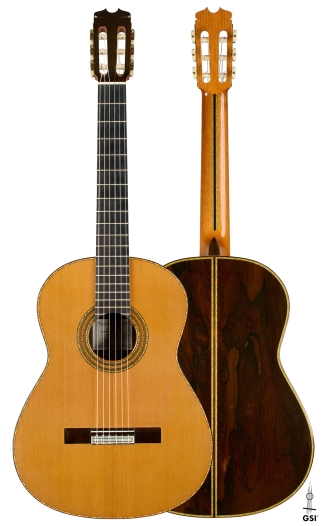
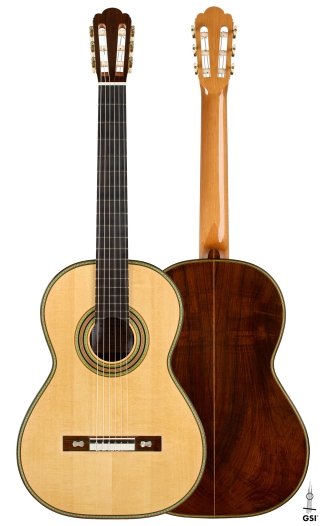
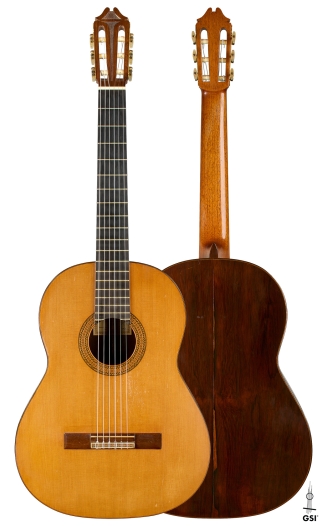
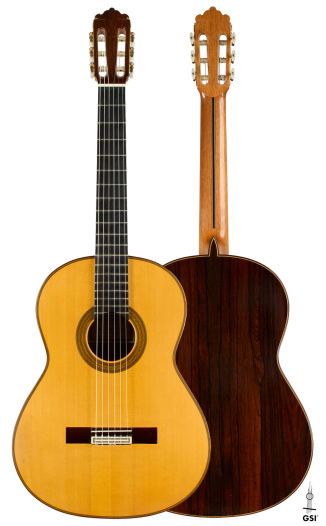
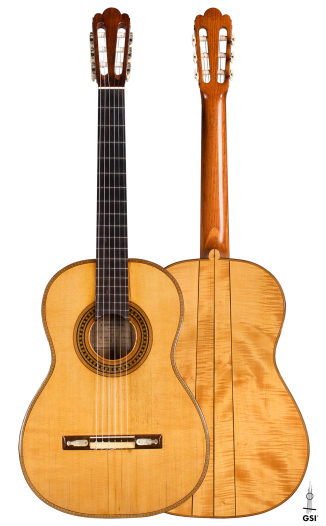
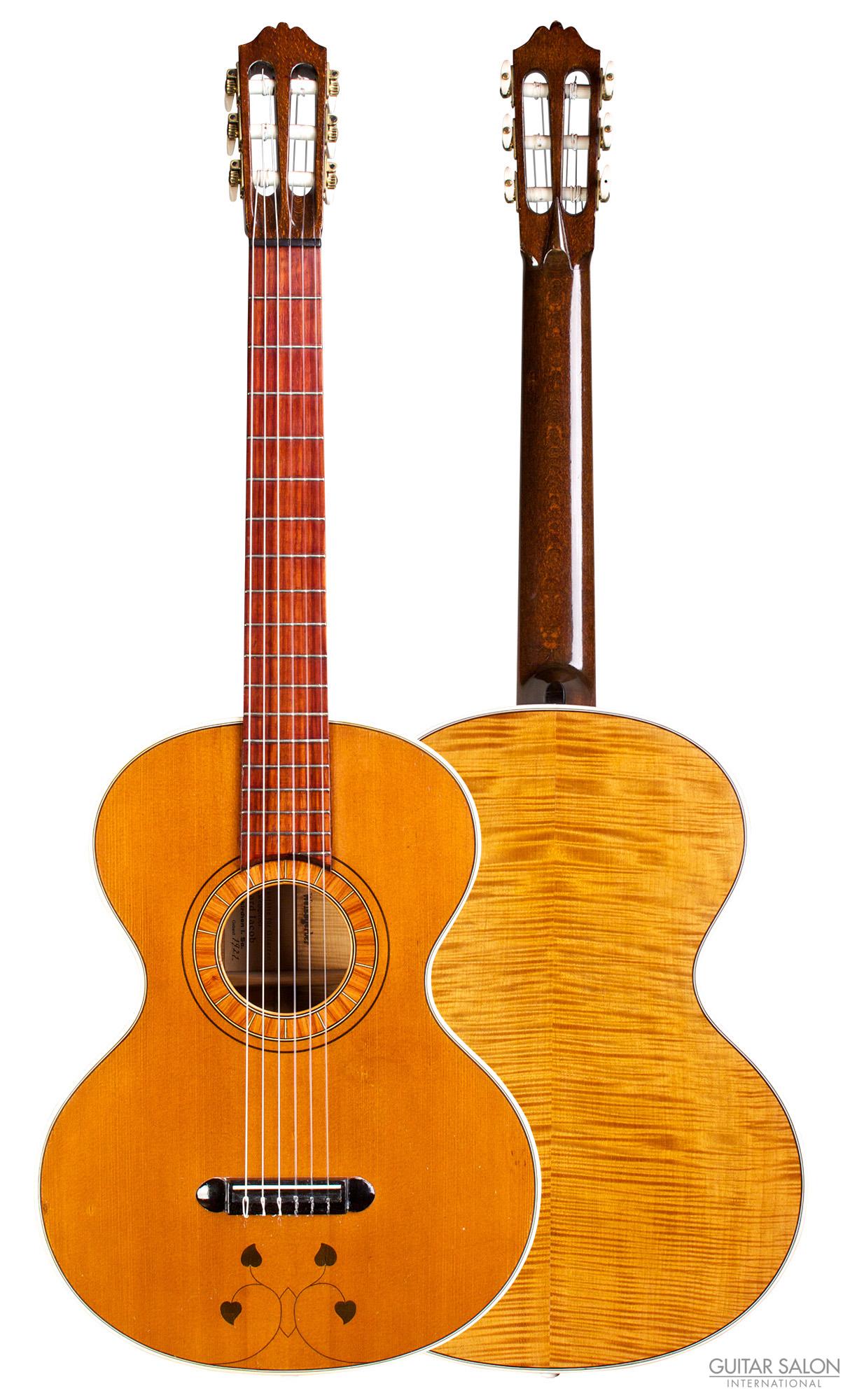
1921 Richard Jacob Weissgerber "Vienna" SP/MP

Rok 1921
Płyta wierzchnia Spruce
Tył i boki Maple
Menzura 623 mm
Szerokość siodełka 48 mm
Wykończenie French Polish
Kraj Germany

This guitar is no longer available in our inventory. If it interests you, click the ”notify me when available” button to be notified in the event that we re-acquire this guitar for re-sale.

Wyślij zapytanie
See more from Richard Jacob Weissgerber

Opis

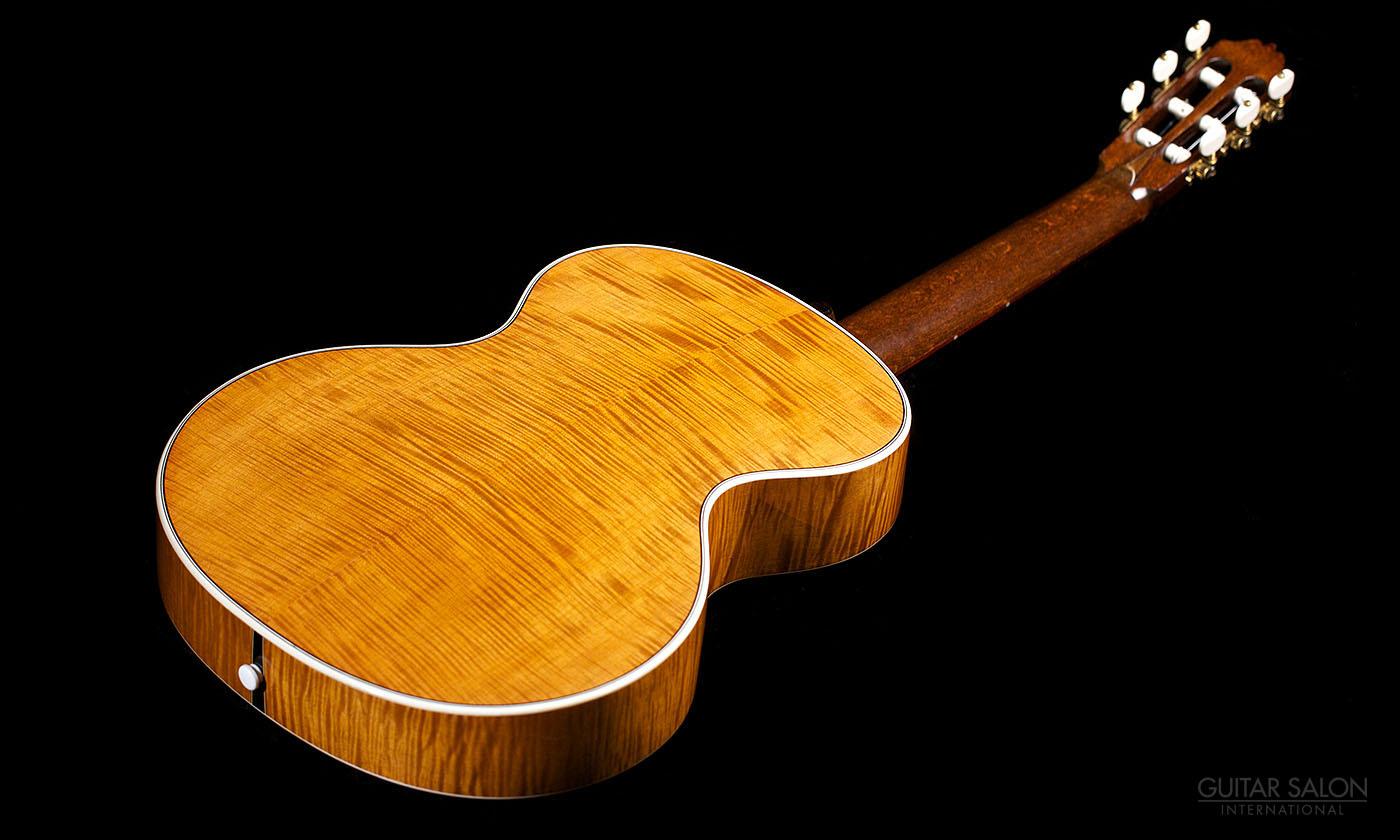
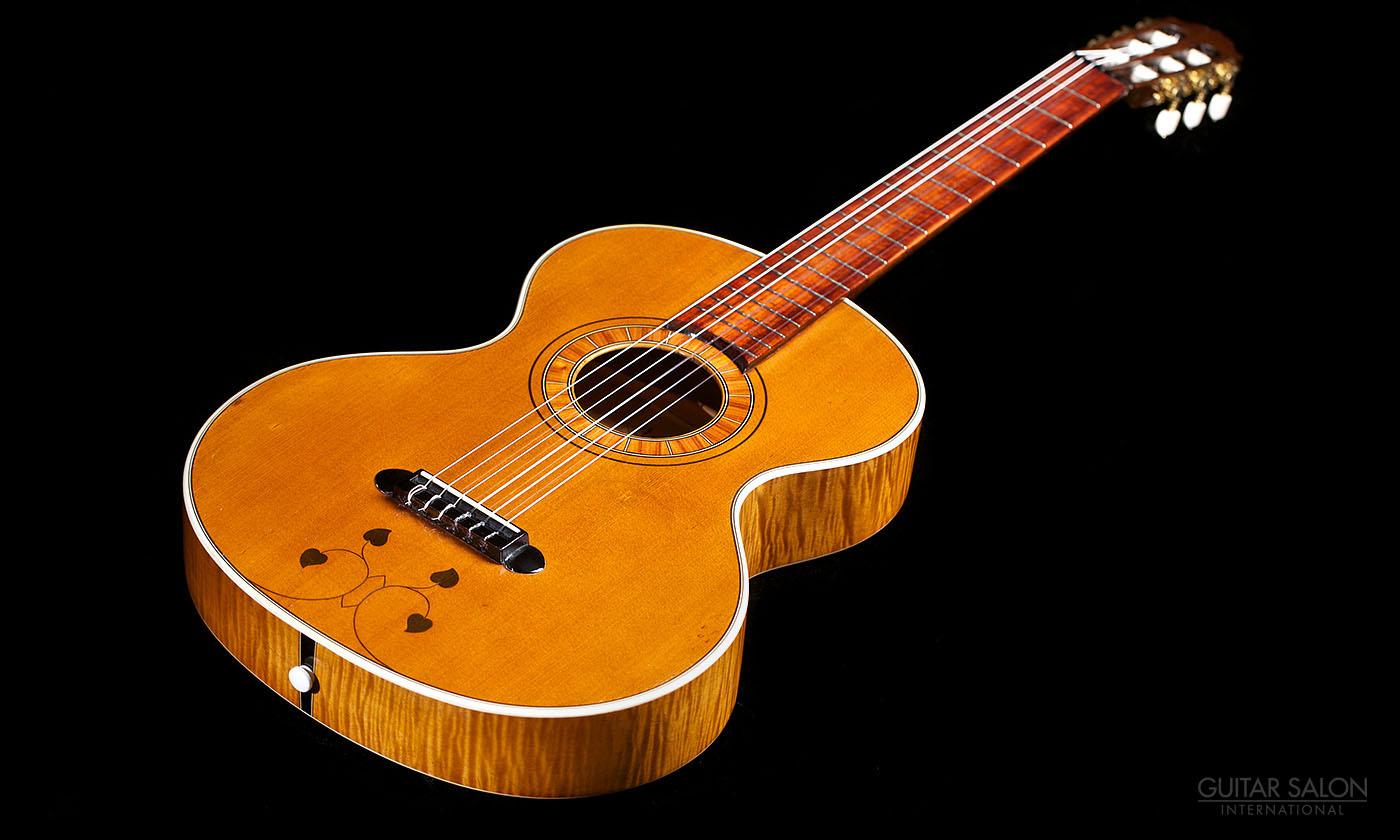
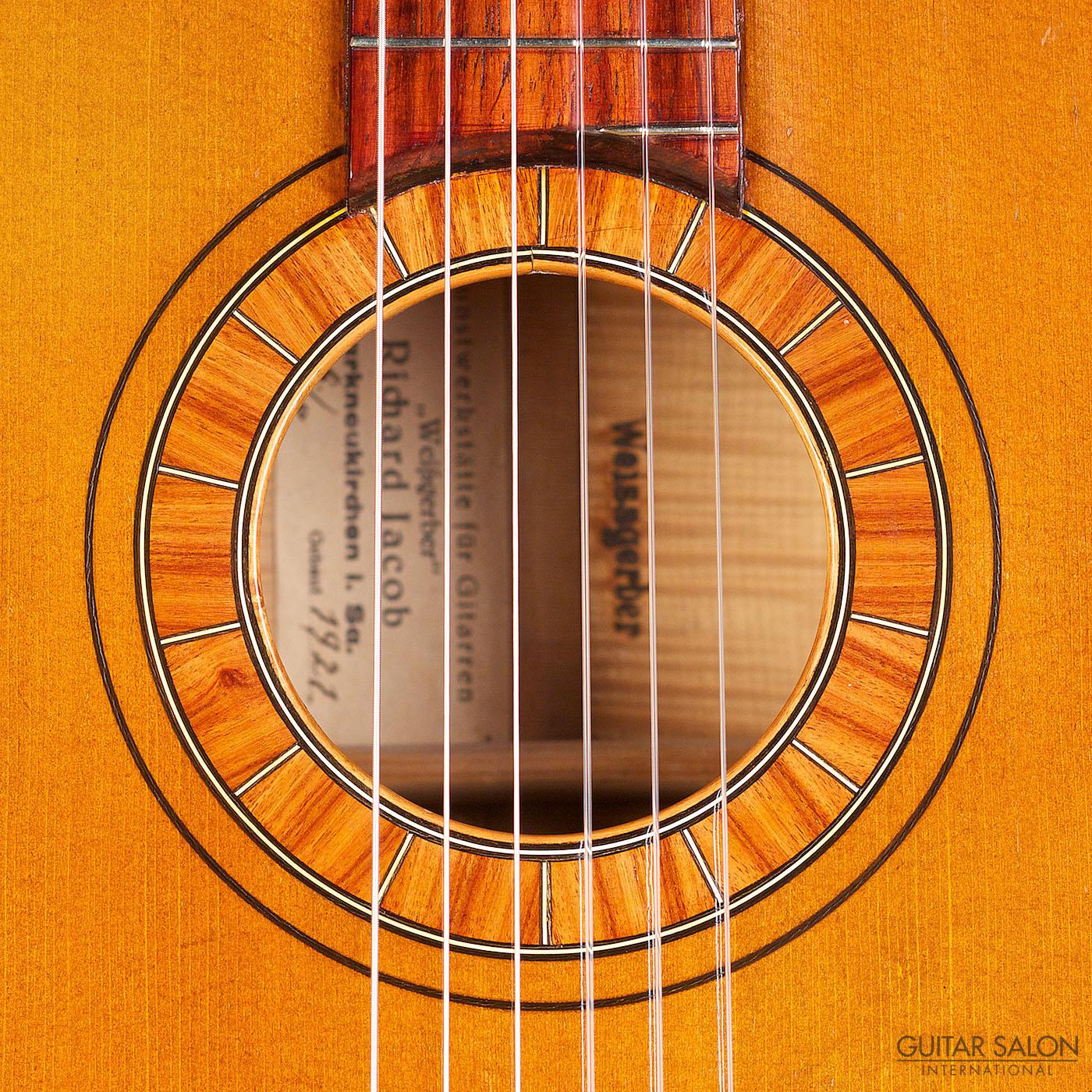
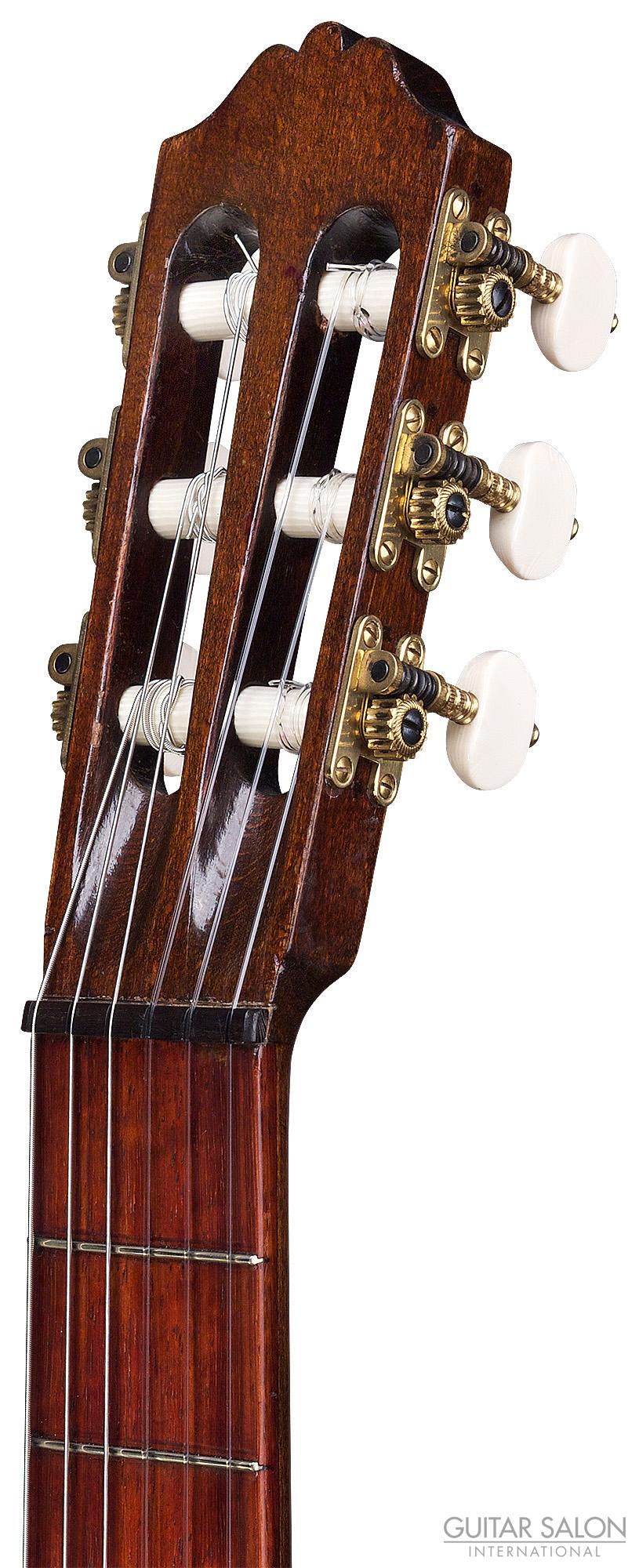
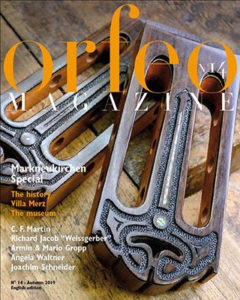
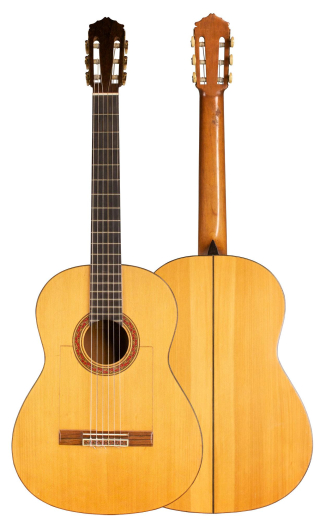
This particular instrument is a Vienna Model from 1921 (the same year Weissgerber would meet Miguel Llobet for the first time). It has an adjustable neck, elegant leaf inlays below the bridge and a slightly more compact body size and smaller string length, making it very easy to play. It has a very vintage, almost "antique" style of sound making it a perfect instrument for the player seeking an authentic 19th century "performance practice" sound which beautifully suits the music of Sor, Giuliani, Coste, Mertz, etc. It is in excellent condition and perfect working for its age. Apart from some minor work done in 2008 by Joachim Schneider (whose father knew Richard Jacob himself) to repair a hairline crack to the side of the fingerboard, tidy up the finish, and replace the tuning machines (made by Rubner - from Markneukirchen) the guitar is ready for the recording studio or concert stage.Orfeo Magazine #14 - Markneukirchen Special
Tło

Richard Jacob Weissgerber was born in Markneukirchen, Germany in 1877 into a guitar-making family and spent his childhood years surrounded by his father's richly decorated instruments and also under the supervision of the master violin maker Christian Wilhelm Seidel. In his teenage years, he trained and apprenticed as a zither maker then assisted with guitar maker Wilhelm Voigt for six years. With this deep background, in 1905 Richard Jacob set up his own independent guitar workshop. Early in his career, Richard Jacob had "Weissgerber" patented as a trade name, which allowed him to freely innovate and create new designs into his guitar making, and his labels bear the designation "Guitar Artistic Workshop" to justify the patent. It seems at the outset, he built largely in the popular Viennese style but eventually began to design and develop new models with unusual forms and decorations that were always exquisitely finished - this gave his instruments a competitive edge which made them standouts in the busy guitar-making city of Markneukirchen. He traveled extensively through Germany and Austria to accumulate knowledge of all the various guitar making styles that were being used and became actively involved with the "Guitar Movement" ("Guitarristische Bewegung") in Germany, maintained intensive contact with the International Guitar Association (Internationaler Guitarrenverband) and to many important guitarists. In 1921, he was visited by Miguel Llobet, and in 1924 Llobet returned again with Andres Segovia and was able to see their instruments - Torres and Manuel Ramirez, which greatly influenced his work. Many other players including Emilio Pujol and Luise Walker also came to Markneukirchen with their instruments which would steer Richard Jacob's building approaches more and more in the direction of the Spanish guitars - gaining stylistic insights from Torres to Simplicio. Although he absorbed and assimilated these Spanish traditions, he never abandoned his experimental approach and always sought to integrate these elements into his unique construction methods to create truly unique instruments spread over a wide variety of models. Richard Jacob remained dedicated to the building of guitars to the very end of his life, even completing three instruments in his last year, at the age of 83. He died in 1960, leaving his eldest son Martin (1911-1991) to run the "Weissgerber Guitar Workshop" until its closing in 1990. From the outset of Richard Jacob's career, Weissgerber guitars quickly gained a strong following among professionals. Many of the most respected guitarists of that time played Weissgerber instruments. This included Heinz Teuchert (founder of the Frankfurt school of guitar and lute playing), Karl Scheit and Siegfried Behrend to name but a few.

Guitars by Richard Jacob Weissgerber