








How to Properly Restring Your Classical or Nylon String Guitar
How to Properly Restring Your Classical or Nylon String Guitar
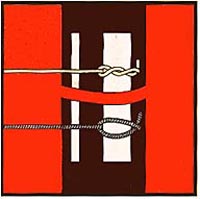 At the bridge, it is essential to create a “locking” loop to ensure against slippage. It is common to loop the plain nylon treble strings under two times and the wound strings at least once. This will ensure that as tension is applied to the string so it securely locks in place.
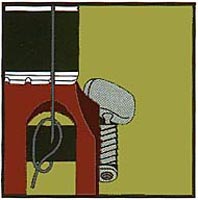 The locking hold – The most secure method of wrapping around the tuning peg is to bring the extra string back around and under the string as it winds around the peg. This is especially critical on strings that have no windings (plain steel or classical nylon treble strings, for instance).

Use thumb and forefingers to gently stretch each string across its entire length. Tune the string to pitch and repeat the stretching procedure two or three times on each string. This will help stabilize your nylon strings more quickly. Care must be taken not to stretch the strings too aggresively. In general, nylon strings need more stretching time before they “settle in.”
Note: It is common for classical plain nylon treble strings (1st, 2nd,& 3rd) to last longer than the wound bass strings (4th, 5th & 6th). Most professional classical guitarists will go through two to three sets of wound bass strings for every set of plain nylon treble strings.
Reprinted by permission of J. D’Addario & Company.
0 条评论