


Guitar Salon International
+1 (310) 586.1100 | +1 (877) 771.4321
博物馆
古典吉他
古典吉他
弗拉门戈吉他
弗拉门戈吉他
克利夫兰收藏
克利夫兰收藏
制琴师
制琴师
您的购物车

您的购物车内没有商品!

小计: $0.00
总计: $0.00
编辑购物车
查看
显示 1 到 7 总计 7 (共 1 页)
价格
Inquiry
5
1
0
0
0
0
0
0
查看更多
3
1
1
1
0
0
0
0
0
0
0
0
0
0
0
0
0
0
0
0
0
0
0
查看更多
1
0
0
0
0
0
0
0
0
0
0
0
0
0
0
0
0
0
0
0
0
0
0
0
0
0
0
0
0
0
0
0
0
0
0
0
0
0
0
0
0
0
0
0
0
0
0
0
0
0
0
1
0
0
0
0
0
0
1
0
0
0
0
0
0
0
0
0
0
0
0
0
0
1
0
1
0
0
0
1
0
0
0
0
0
0
0
0
0
0
0
1
0
0
0
0
0
0
0
0
查看更多
3
1
1
1
0
0
0
0
0
0
0
0
0
0
0
0
0
查看更多
0
2
0
1
0
0
0
0
0
0
0
0
0
0
0
0
0
1
0
0
0
0
0
0
0
0
0
0
0
0
0
0
0
1
0
0
0
查看更多
4
1
1
3
1
1
1
0
0
0
0
0
0
0
0
0
0
0
0
0
0
0
0
0
0
查看更多
100
46
7

2026 费德里科·蒋《咏叹调》SP/MP

$6,500.00 - 等候接听

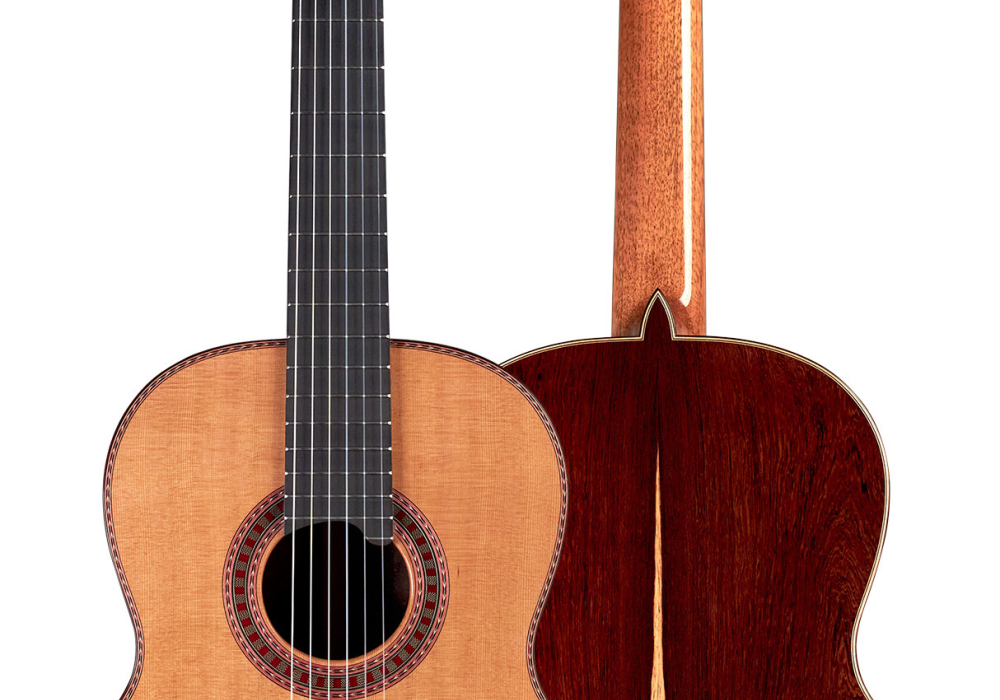
这把吉他由中国制琴师姜晓青(Federico Jiang)制作,其灵感源自维森特·阿里亚斯(Vicente Arias)的精湛技艺。吉他面板采用欧洲云杉木,背侧板则选用纹理优美、极具立体感的鸟眼枫木,..

1996 Manuel Velazquez SP/CSAR

$15,000.00 - 等候接听

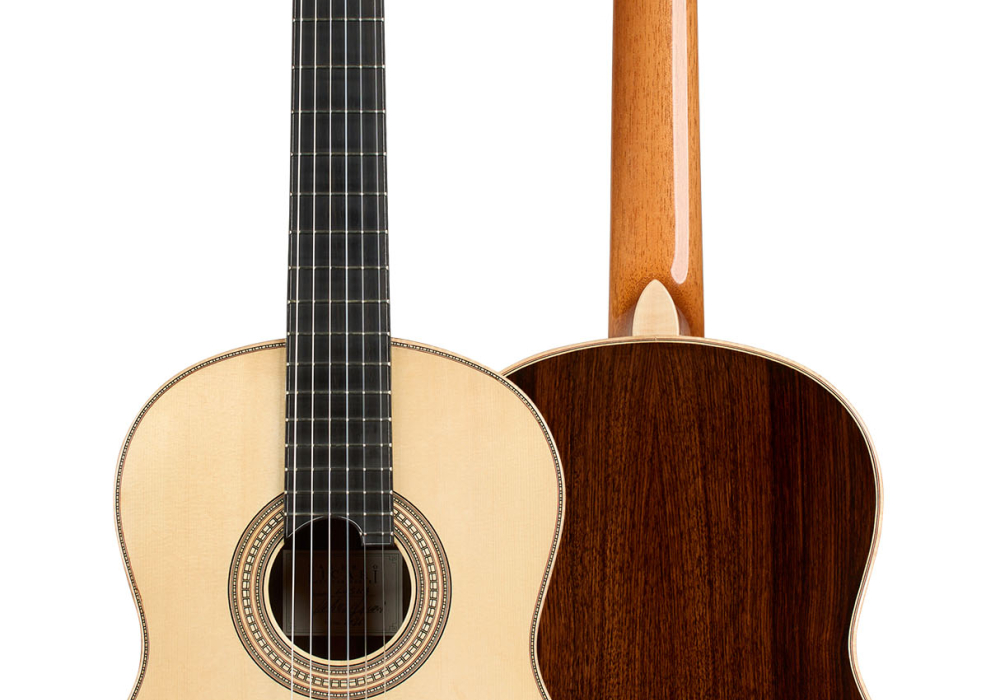
这是一把精美的全尺寸音乐会用琴,采用经典的委拉斯凯兹风格打造——轻巧而坚固,音色饱满有力,强烈地让人联想起赫尔曼·豪瑟一世发展并由赫尔曼·豪瑟二世继承的“条顿”风格——明亮闪耀的高音和稳健的低音是其突..

2025 Gabriele Lodi "Torres" SP/CSAR

$22,000.00 - 等候接听

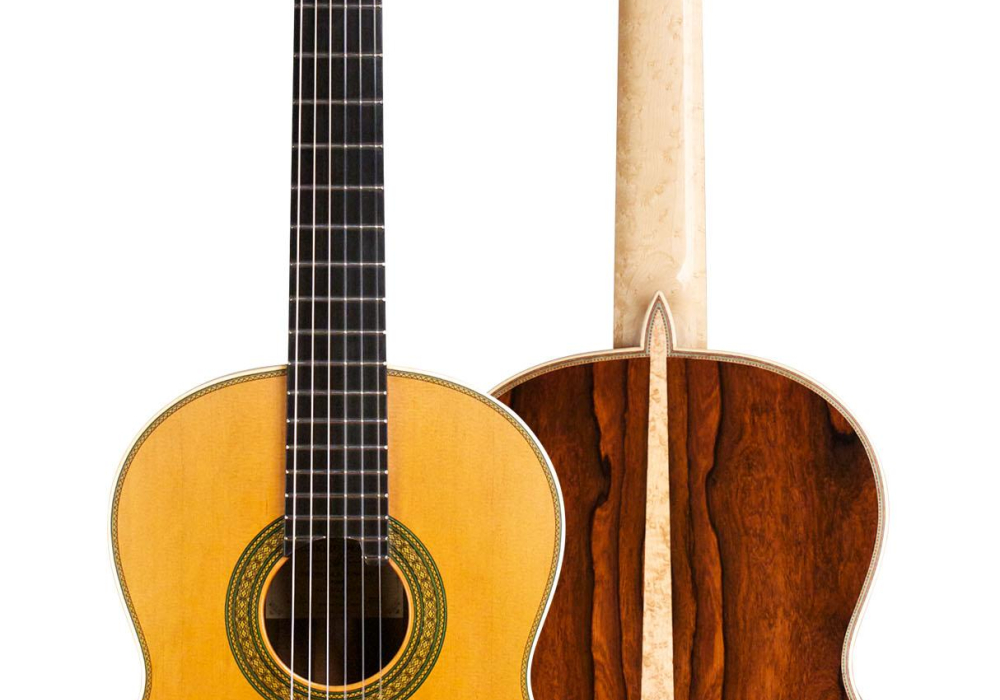
意大利制琴师加布里埃尔·洛迪出身于古典吉他制作世家,童年时期的大部分时间都在父亲的工作室里帮忙。20岁时,他正式以制琴为业,并开始专注于自己钟爱的历史乐器。正因如此,他如今制作的许多吉他都深深植根于传..

2023 Richard Reynoso CD/WE

$15,000.00 - 等候接听

理查德·雷诺索是一位居住在美国加利福尼亚州的吉他制作师。他的乐器在结构设计上完全遵循传统,并深受过去伟大的西班牙吉他制作师的影响,但它们也展现出完全属于他自己的音色、个性和外观。 这把琴是一把雪..

2025 Colin van Aelbrouck "Rodriguez" SP/MP

$9,500.00 - 等候接听

这把吉他由比利时制琴师科林·范·艾尔布鲁克(Colin van Aelbrouck)打造,面板采用欧洲云杉木,背侧板则选用纹理优美的火焰枫木。这是科林的第一把“罗德里格斯”(Rodriguez)吉他,..

1962 Jose Ramirez "1a AM" SP/CSAR

$12,000.00 - 等候接听

这把吉他出自著名的何塞·拉米雷斯三世作坊。半个多世纪以来,无数专业人士曾使用过该作坊制作的吉他,从斯汀到塞戈维亚,从切特·阿特金斯到萨比卡斯,从李·里特诺到克里斯托弗·帕肯宁,不一而足。吉他内部镌刻着..

2006 Pepe Romero SP/CY

$8,000.00 - 等候接听

由同名伟大吉他手的儿子制作。它音量巨大,反应极快——虽然音色“古典”,但其响应和演奏性却很像西班牙南部的弗拉门戈吉他。这把琴做工轻巧,令人联想起在西班牙科尔多瓦的Miguel Rodriguez工作室..

显示 1 到 7 总计 7 (共 1 页)
输入验证码
常见问题解答

Choosing a classical guitar might seem daunting at first, however, at GSI it’s our pleasure and duty to ensure that the selection process is a very satisfying experience thanks to the advice of our guitar experts. Our classical guitar store features guitars made by carefully chosen luthiers from around the world and our staff knows each instrument very well. Our experts are able to help you narrow your top picks to just a few guitars which you might want to try by yourself with no commitment to purchase.

Classical guitar, in the form as we know it today, was largely developed by Spanish guitar maker, Antonio de Torres Jurado (1817-1892). Torres introduced many new innovations to his guitars. Most notably, he increased the size of the body of the guitar, and introduced a fan-strut bracing system, and in his later guitars he started using machine heads. His guitars also had separated saddles which allowed minute adjustments of string heights.

We should look for:

  1. Establish a budget
  2. Identify what type of sound you like the most. You can also ask our experts for advice.
  3. Decide whether you want a used or new instrument.
  4. Check for ‘wolf’ notes and buzzes. Playability is also very important.
  5. We recommend testing the sound from the perspective of a player and a listener.

Read more Frequently Asked Questions

The differences between classical and flamenco guitars lie in their materials, construction and sound.

Materials: Classical guitars are generally made with spruce or cedar tops, and on rare occasions, other woods like redwood or pine. Back and sides are mostly made of various rosewoods, maple and mahogany to enhance sustain. In recent years many younger luthiers searching for more sustainable and easy-to-source woods have begun to use some really fantastic materials including granadillo, exotic ebony, wenge, koa, walnut and a variety of other hardwoods. Flamenco guitars are generally made with spruce tops and cypress for the backs and sides to enhance volume and emphasize the attack of the note. However over the past many decades, rosewood flamencos known as “Flamenco negras” have risen in popularity, largely due to Paco de Lucia who first used a rosewood guitar beginning in 1969.

Construction: The body of a classical guitar is generally deeper and the woods are slightly thicker. Flamenco guitars have a flat or negative (before string tension) neck relief, making the action very fast at the cost of some buzzing. The strings are also closer to the body on flamenco guitars to facilitate tapping. Flamenco guitars often bear a "golpeador", which is a sheet of plastic mounted to the face of the guitar to protect its finish from percussive techniques, like tapping the soundboard with the players fingers.

Sound: The classical guitar is designed to give the soloist the tools to perform poly-timbral music: "An orchestra in a box". The attack is soft with a longer and gradual decay. The flamenco guitar is designed to cut through the sound of dancers stomping their feet. The sound is a bit more percussive, a loud and immediate sonic burst followed by a swift decay is characteristic of traditional flamencos.

It is also important to mention that many of these "differences" are finessed to different degrees by different luthiers, depending on their personal taste. Miguel Rodriguez classical guitars for example have always famously had a fast, flamenco-like attack. There are also numerous hybrid-type guitars where the luthier intends for the same instrument to be playable convincingly by both flamenco and classical performers.

Loyalty Program
忠诚度计划

我们的 Maestro 忠诚度计划即将推出。保持联系!

Expert Advice
专家建议

卓越的客户服务
提供密切和个人的协助

Safe and secure
安全可靠

SSL 加密系统确保您的数据受到保护

Finance options
财务选择

您可以通过以下方式支付吉他费用
使用 Affirm 进行较小的分期付款。