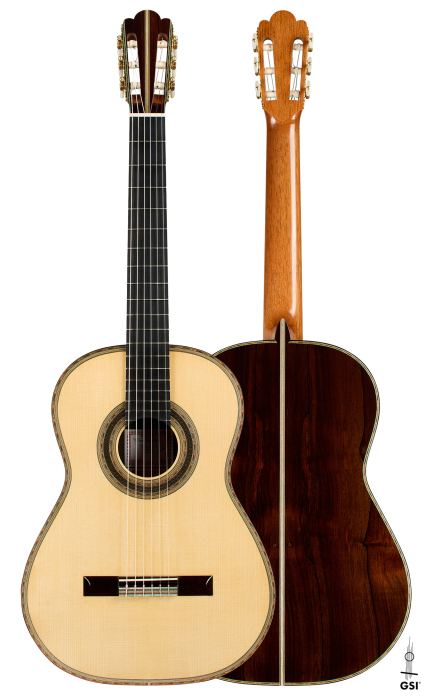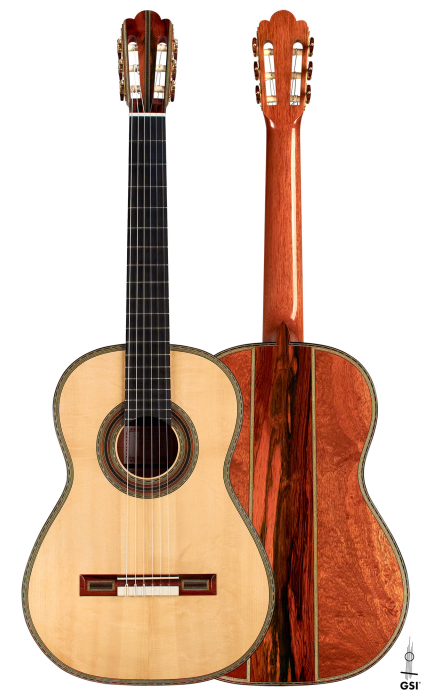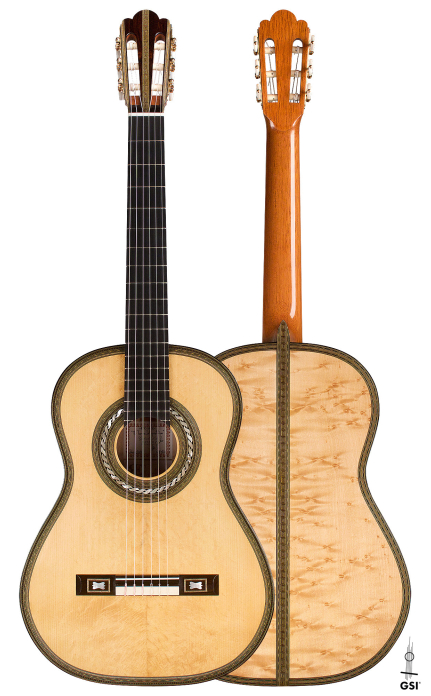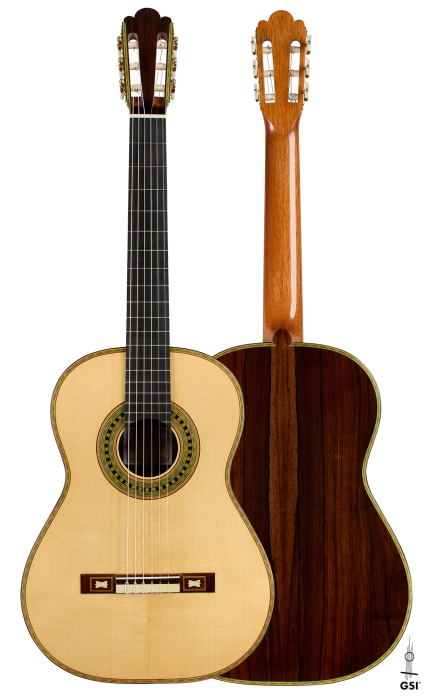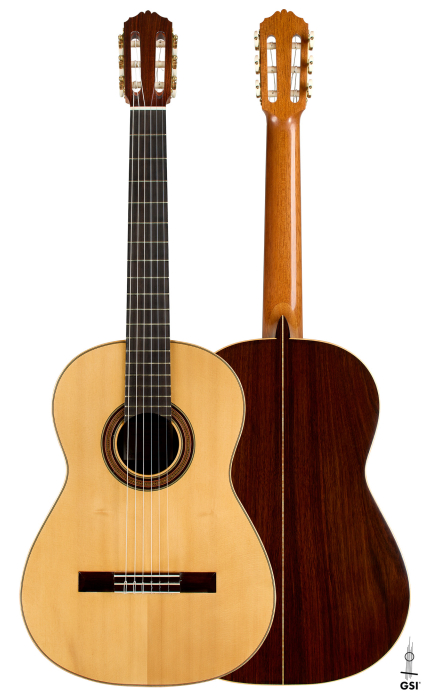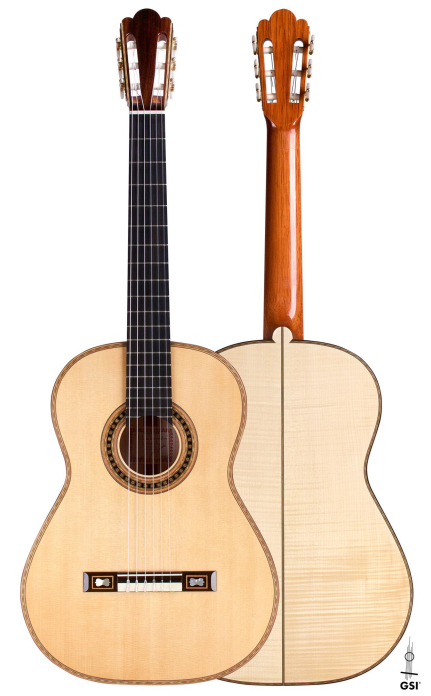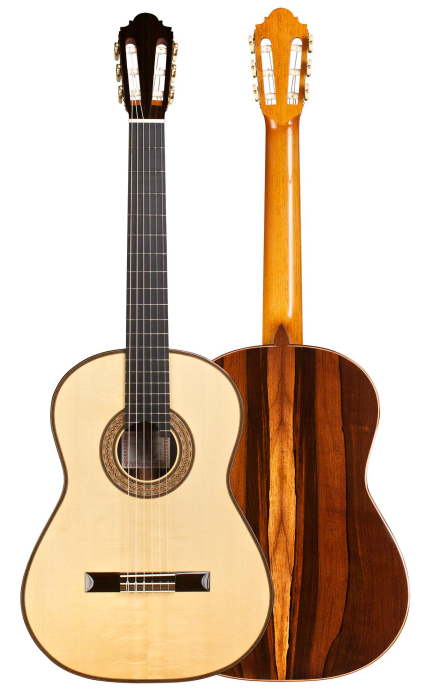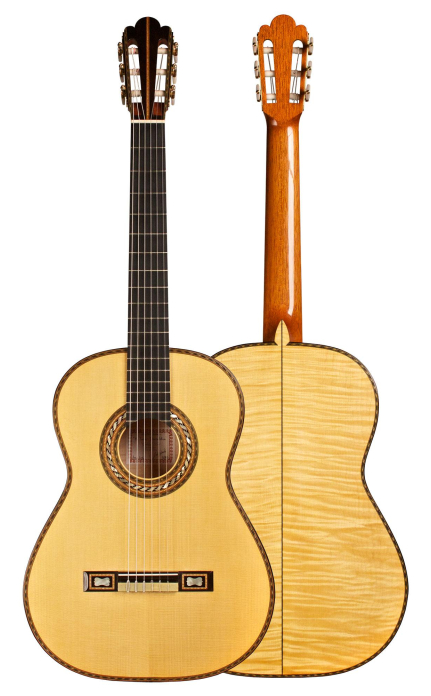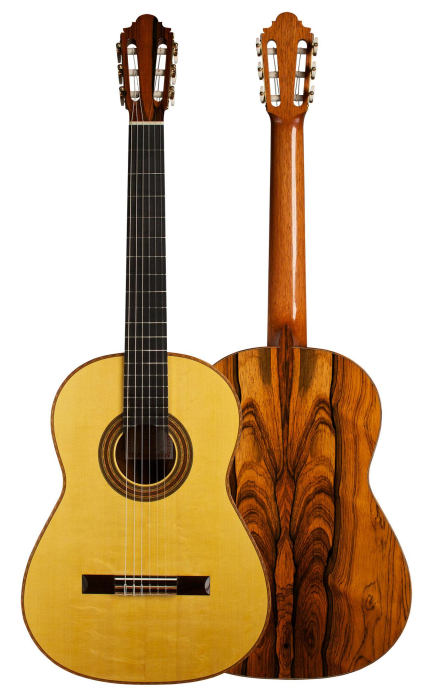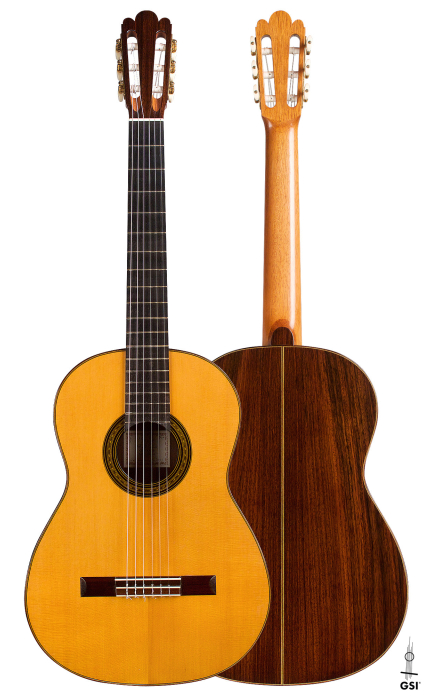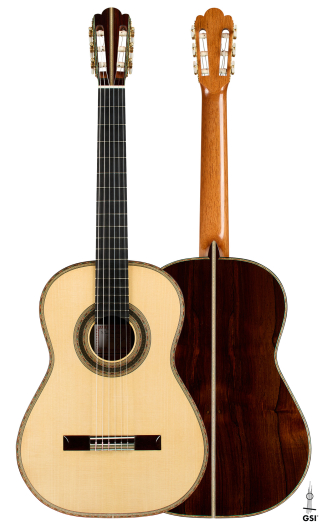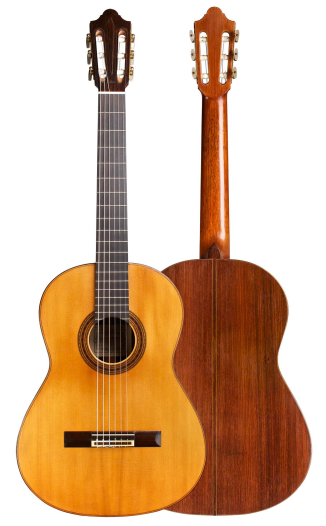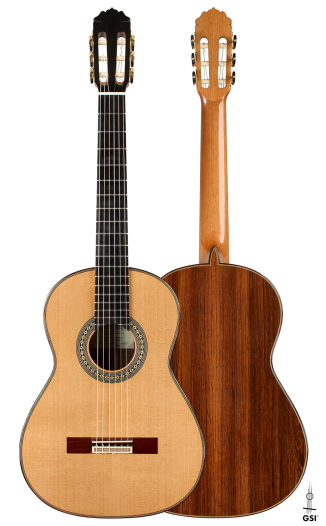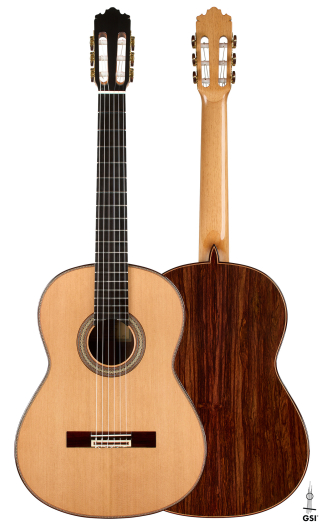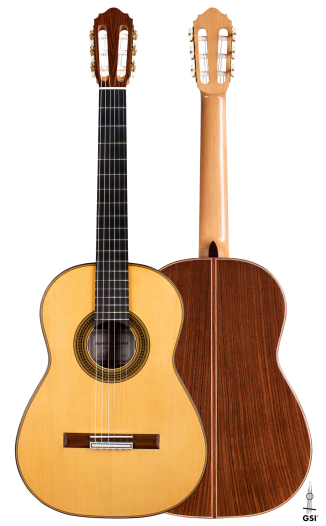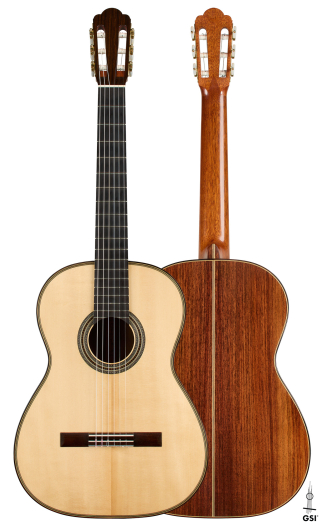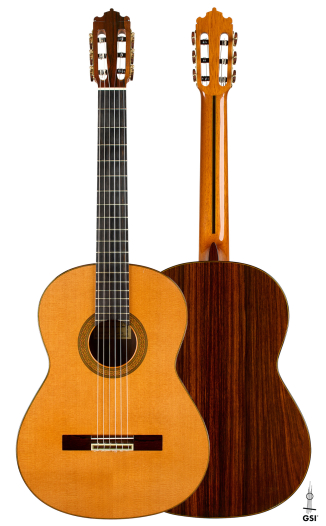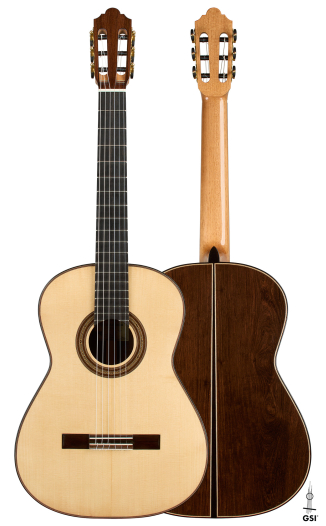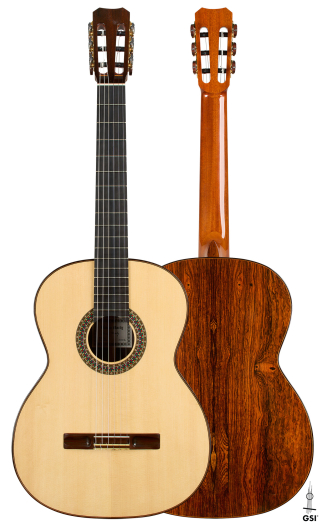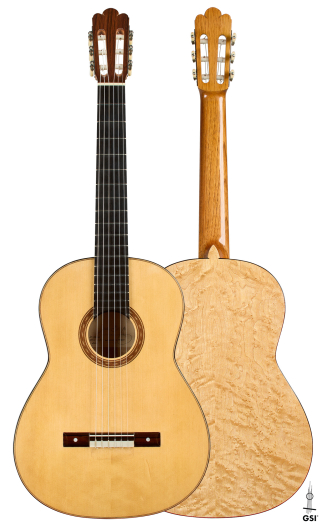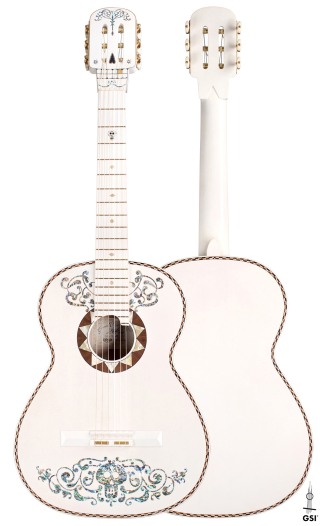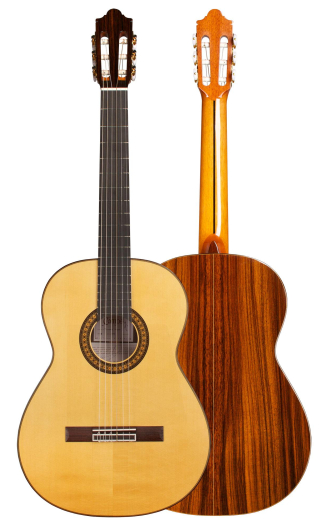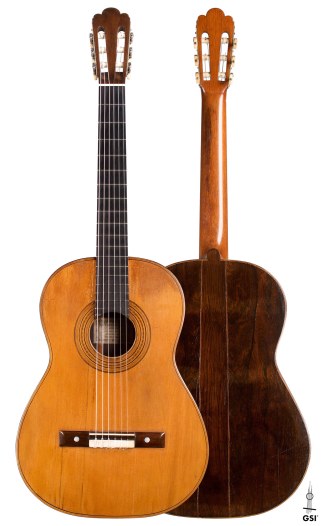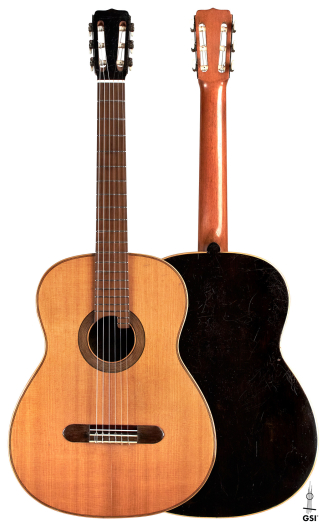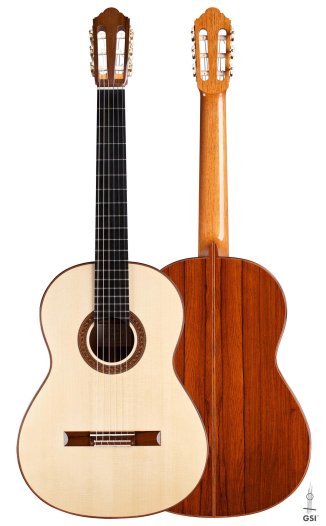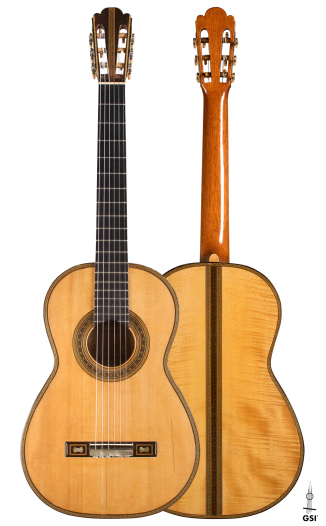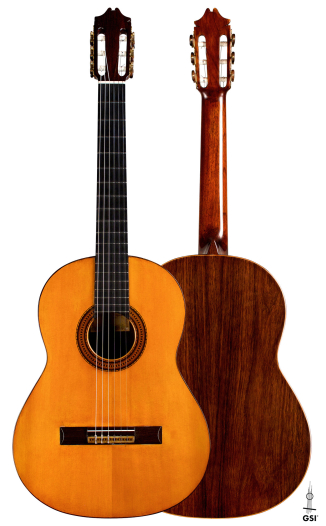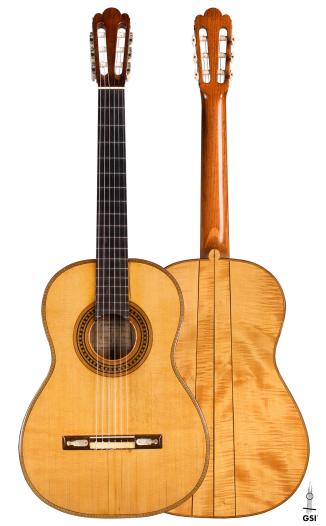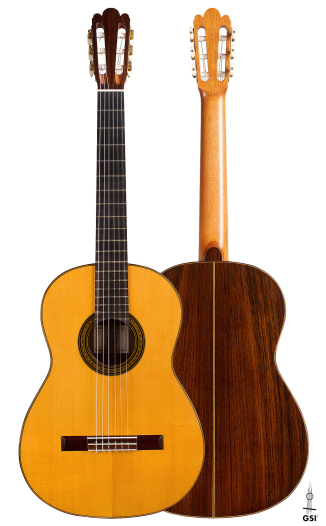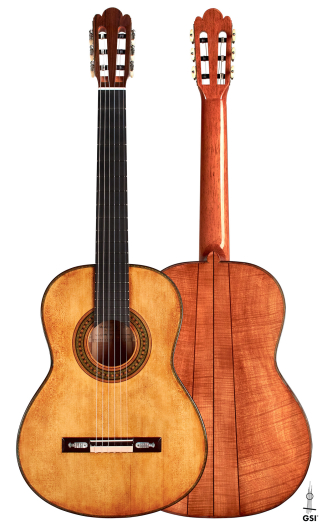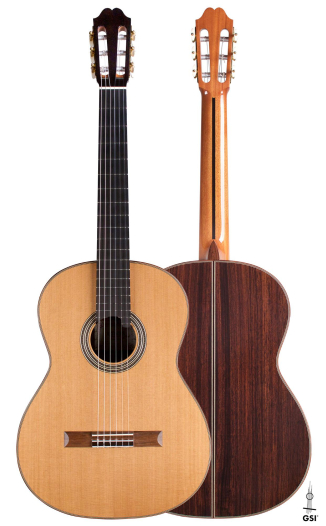




2025 Gabriele Lodi "Torres" SP/CSAR
| Rok | 2025 |
| Płyta wierzchnia | Świerk |
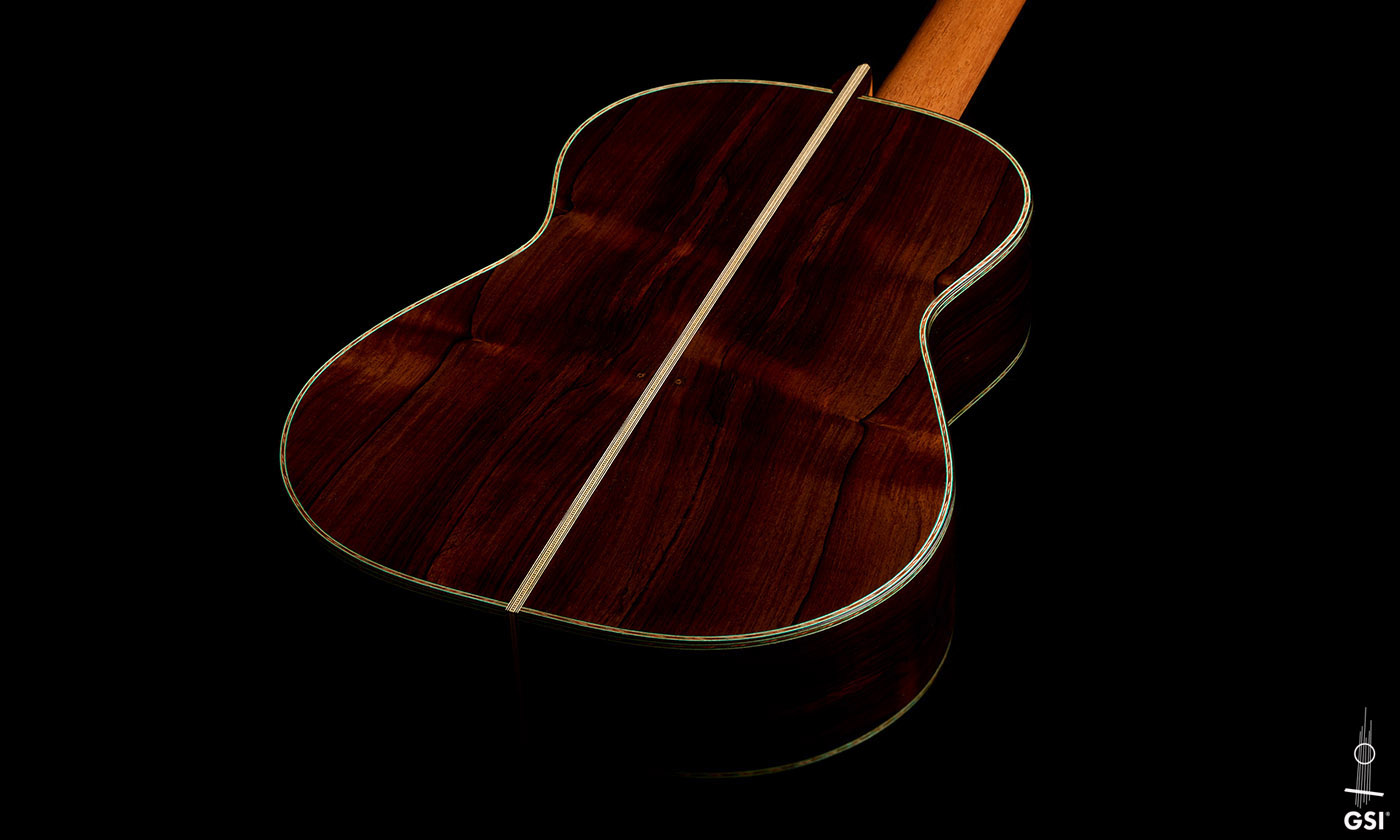
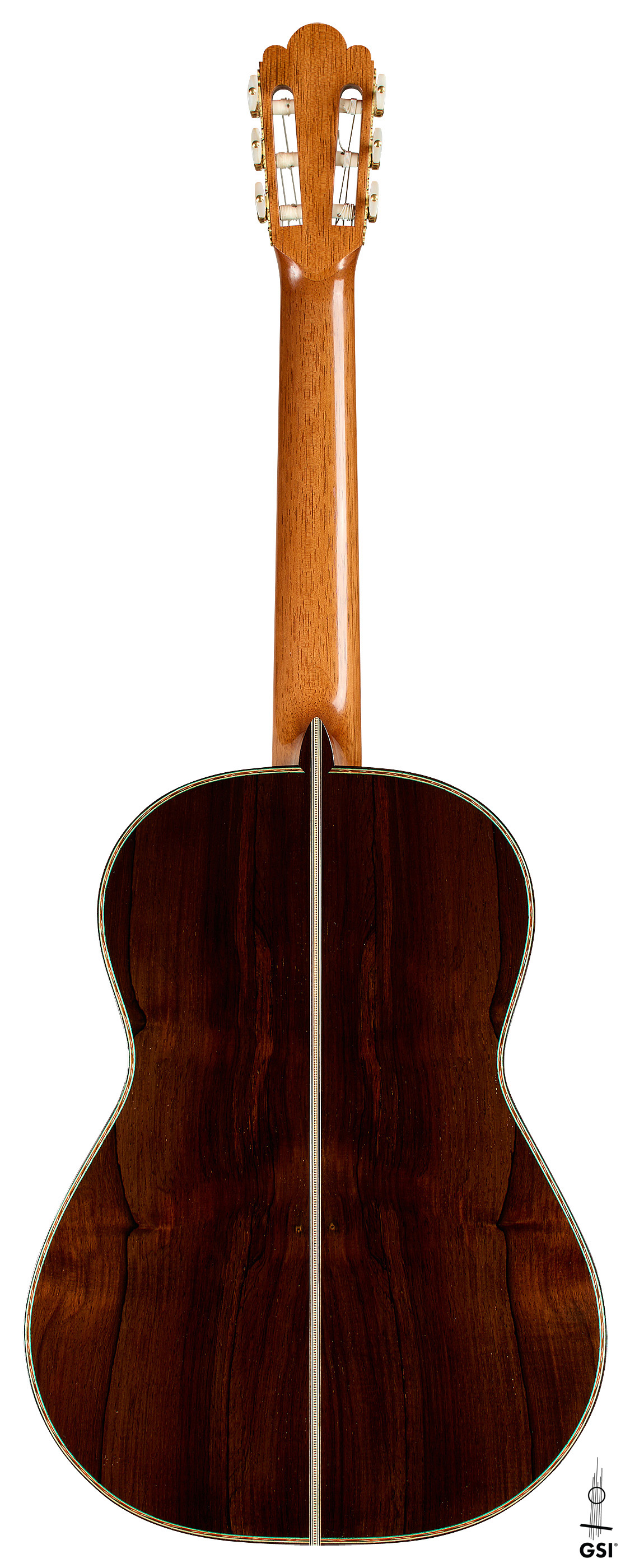
| Tył i boki | CSA Rosewood |
| Menzura | 650 mm |
| Szerokość siodełka | 51 mm |
| Wykończenie | French Polish |
| Kraj | Włochy |
| Stan | Nowy |
| Exchange | ExchangePlus |
| Luthier | Gabriele Lodi |
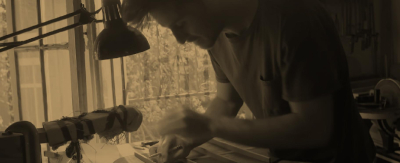
 Italian luthier Gabriele Lodi comes from a family of classical guitar makers, happily spending the majority of his childhood helping out in his father's workshop. By the age of 20, he had officially made guitar making his profession and began to focus on his fascination with historical instruments. Because of this interest, many of his guitars today are strongly rooted in traditional design and aesthetic.
This instrument is part of Gabriele's "Expo Series" and was featured at the 2025 Roma Guitar Exhibition. It is also his latest tribute to the great Antonio de Torres, who has in the last many years become a primary driving force in Gabriele's work as a restorer, historian and of course, as a builder. Gabriele has restored several important original Torres instruments, and along the way, captured some insights from the hand of Torres that have led him to explore his own innovative ideas to continue what he sees as his own steps to forward the Torres tradition into the modern day. Perhaps it is best to let the Gabriele speak his own words about his mission in general and of this guitar (#140) in particular:
"As many people know, I am extremely tied to tradition. However, it is precisely due to the in-depth study of Spanish constructiion and design to understand what were the objectives of Maestro Torres that I find the inspiration to consciously re-think my work to build a guitar that also fulfills the demands of current players today. Polyphonic distinction and deep body resonance are the main characteristics I wish to achieve through a thin and elastic soundboard, as the Torres design teaches us. From here I seek to achieve good balance with modern playability, quick response, sustain and dynamic range. The Spanish tradition teaches us that the basic way of bracing the soundboard is by using the "ABANICO" (fan). In this spirit, I have built into the lower bout of the soundboard a dense structure of braces which which are primarily positioned to support the movement of the bridge but also to control and manage every portion of the soundboard to maximize the responsiveness to modern nylon strings under the fingers - which have behave in an extremely way to gut strings.
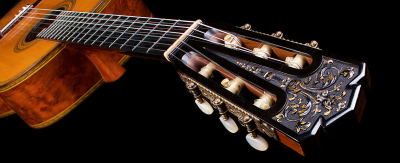
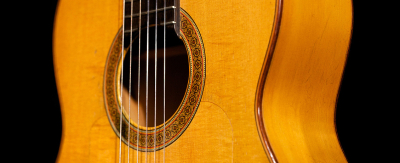
This instrument is built based on dimensions taken from two orginal Torres guitars from 1888 - SE 113 and SE 114. The decorative elements of the rosette and purfling are inspired by Torres' early period featuring a distinctly colored herringbone pattern of red, green, and hazelnut, to contrast against the black and white decorations in the rosette mosaic and purflings. I have selected a set of tuning machines with a beautifully engraved design to match the fine central Moorish mosaic of the rosette.
With this design update to 'My Torres Interpretation' model, I continue in my mission to promote a guitar that moves away from the limited "boxy" sound found in many guitars and instead aims to evoke the imagination to achieve orchestral and vocal polyphony that as a solo instument, only the Spanish guitar can achieve! A personal thank you to David Collett for his support and for spreading the value of tradition!"
This is an exquisitely built instrument with no detail overlooked. We believe Torres himself would be astonished and proud to see his legacy being carried out, more than a century after his death by the important work of many makers such as Gabriele, and in particular with this instrument. Our congratulations to Gabriele on what can only be considered nothing short of yet another masterpiece!






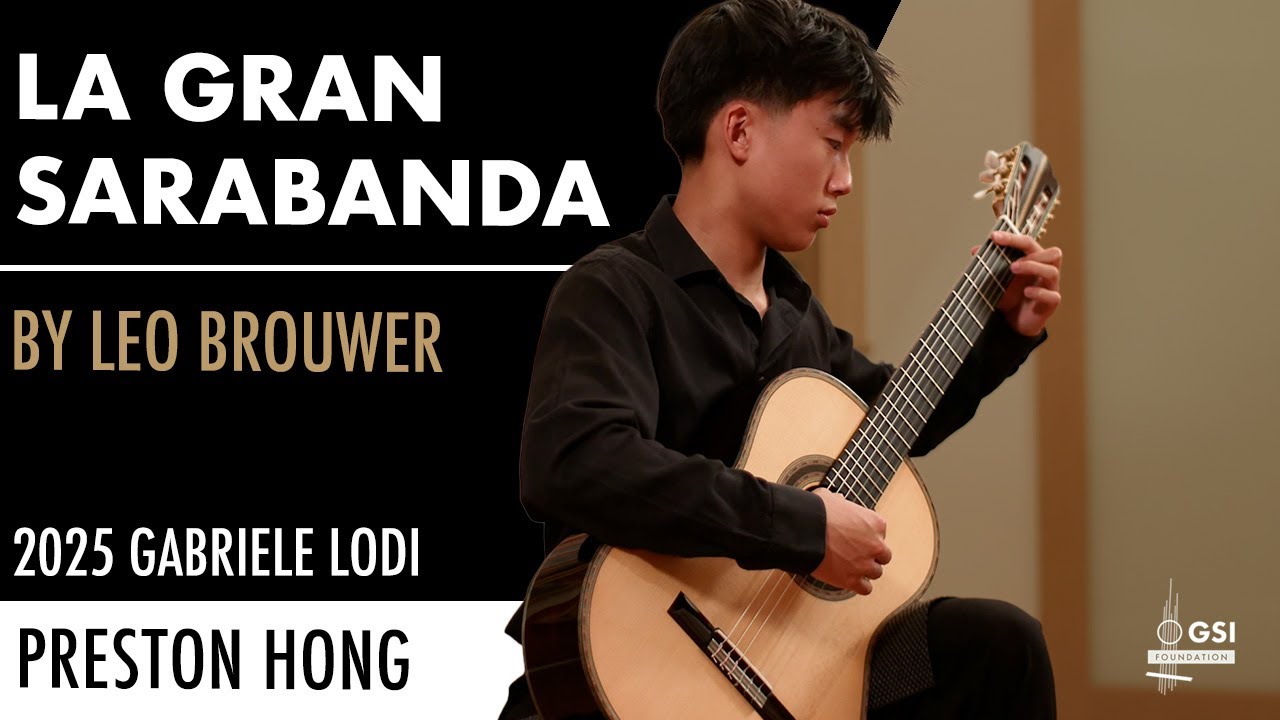
„La Gran Sarabanda” Leo Brouwera w wykonaniu Prestona Honga na gitarze klasycznej Gabriele Lodi z 2025 r.
Opis
Italian luthier Gabriele Lodi comes from a family of classical guitar makers, happily spending the majority of his childhood helping out in his father's workshop. By the age of 20, he had officially made guitar making his profession and began to focus on his fascination with historical instruments. Because of this interest, many of his guitars today are strongly rooted in traditional design and aesthetic.
This instrument is part of Gabriele's "Expo Series" and was featured at the 2025 Roma Guitar Exhibition. It is also his latest tribute to the great Antonio de Torres, who has in the last many years become a primary driving force in Gabriele's work as a restorer, historian and of course, as a builder. Gabriele has restored several important original Torres instruments, and along the way, captured some insights from the hand of Torres that have led him to explore his own innovative ideas to continue what he sees as his own steps to forward the Torres tradition into the modern day. Perhaps it is best to let the Gabriele speak his own words about his mission in general and of this guitar (#140) in particular:
"As many people know, I am extremely tied to tradition. However, it is precisely due to the in-depth study of Spanish constructiion and design to understand what were the objectives of Maestro Torres that I find the inspiration to consciously re-think my work to build a guitar that also fulfills the demands of current players today. Polyphonic distinction and deep body resonance are the main characteristics I wish to achieve through a thin and elastic soundboard, as the Torres design teaches us. From here I seek to achieve good balance with modern playability, quick response, sustain and dynamic range. The Spanish tradition teaches us that the basic way of bracing the soundboard is by using the "ABANICO" (fan). In this spirit, I have built into the lower bout of the soundboard a dense structure of braces which which are primarily positioned to support the movement of the bridge but also to control and manage every portion of the soundboard to maximize the responsiveness to modern nylon strings under the fingers - which have behave in an extremely way to gut strings.
This instrument is built based on dimensions taken from two orginal Torres guitars from 1888 - SE 113 and SE 114. The decorative elements of the rosette and purfling are inspired by Torres' early period featuring a distinctly colored herringbone pattern of red, green, and hazelnut, to contrast against the black and white decorations in the rosette mosaic and purflings. I have selected a set of tuning machines with a beautifully engraved design to match the fine central Moorish mosaic of the rosette.
With this design update to 'My Torres Interpretation' model, I continue in my mission to promote a guitar that moves away from the limited "boxy" sound found in many guitars and instead aims to evoke the imagination to achieve orchestral and vocal polyphony that as a solo instument, only the Spanish guitar can achieve! A personal thank you to David Collett for his support and for spreading the value of tradition!"
This is an exquisitely built instrument with no detail overlooked. We believe Torres himself would be astonished and proud to see his legacy being carried out, more than a century after his death by the important work of many makers such as Gabriele, and in particular with this instrument. Our congratulations to Gabriele on what can only be considered nothing short of yet another masterpiece!