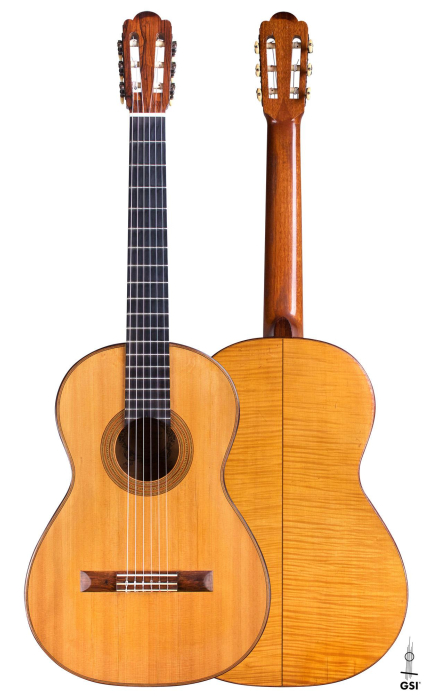
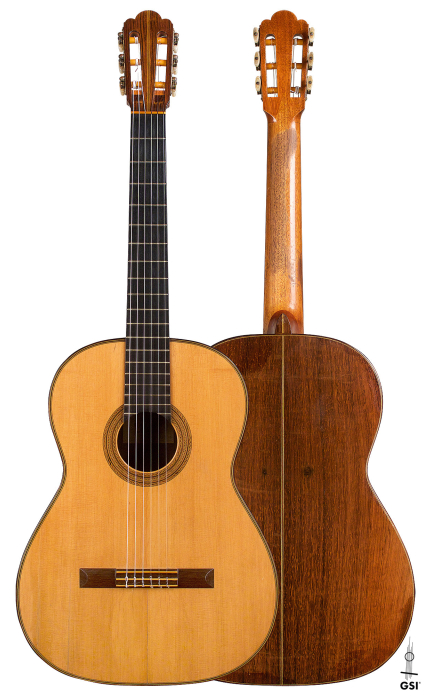
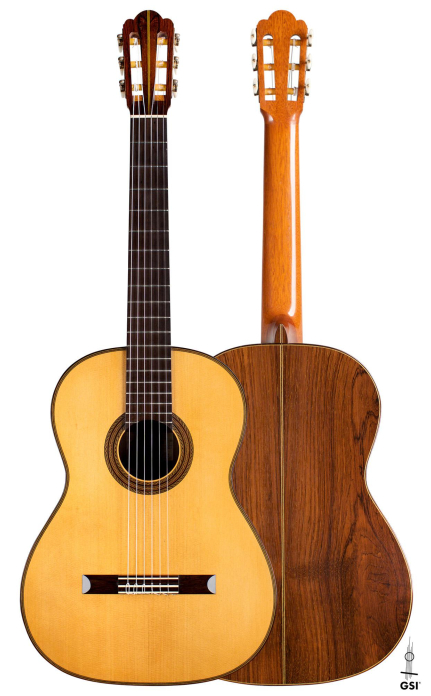
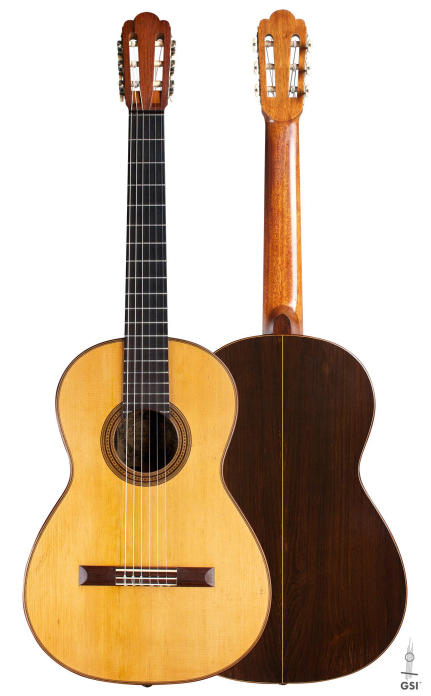
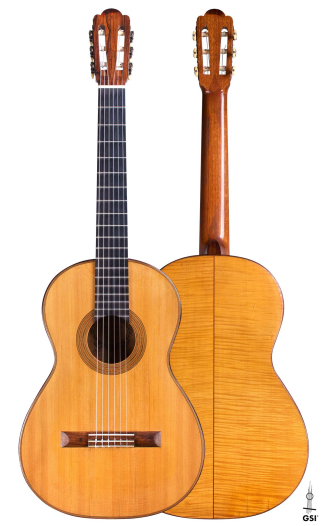
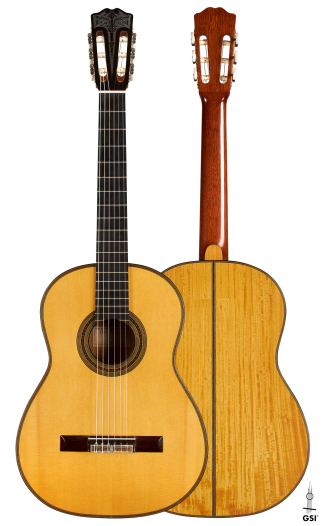
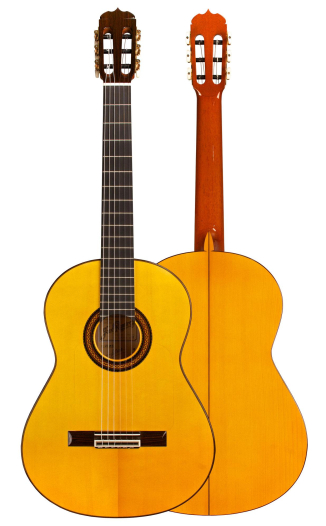
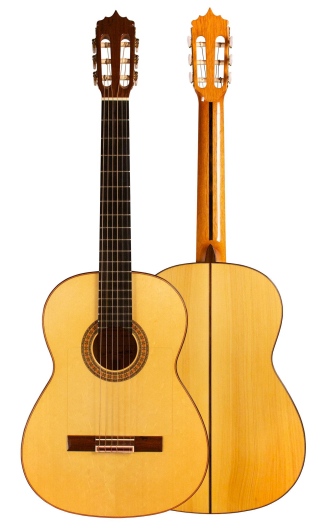
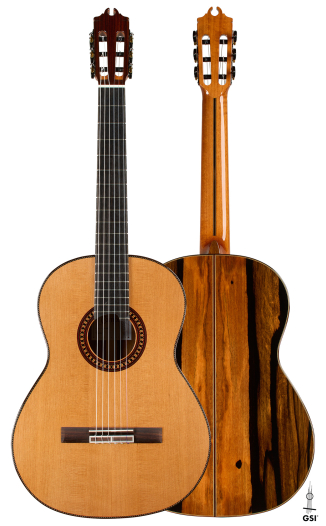
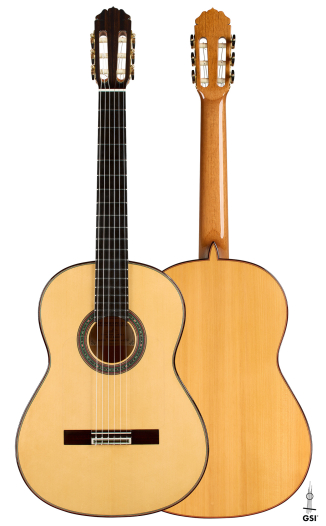
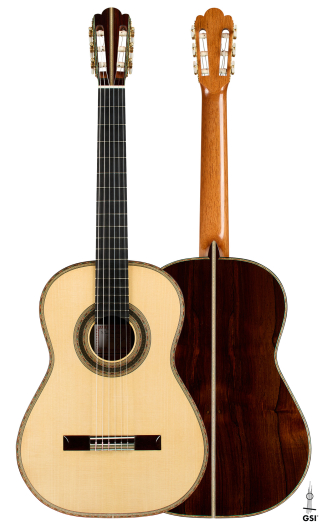
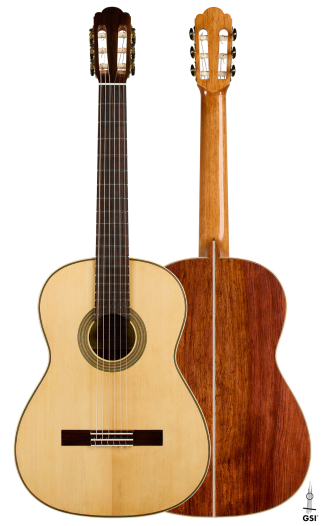
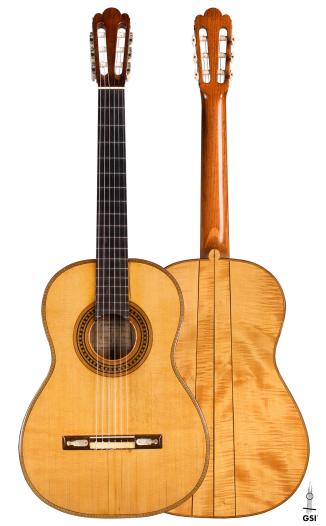
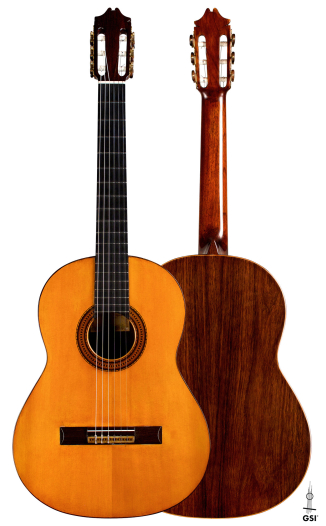
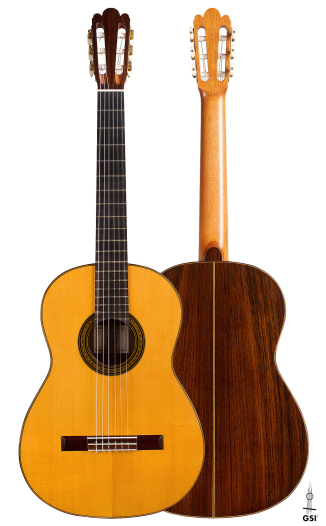
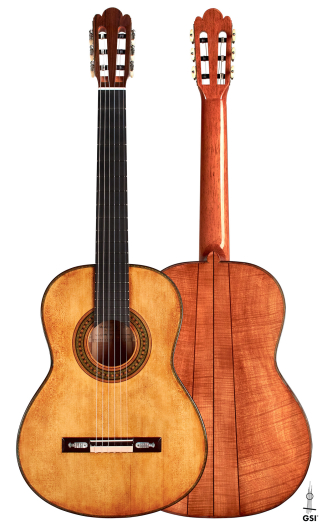
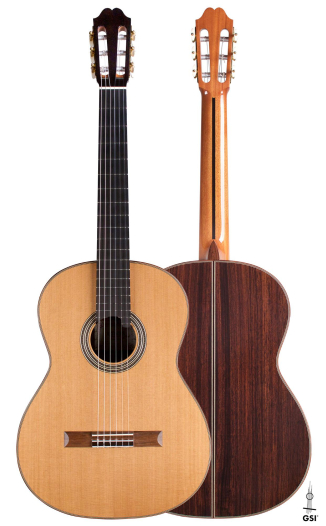
This guitar is no longer available in our inventory. If it interests you, click the ”notify me when available” button to be notified in the event that we re-acquire this guitar for re-sale.
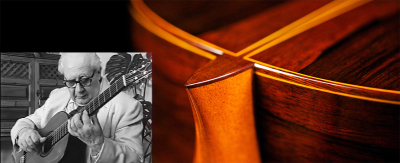
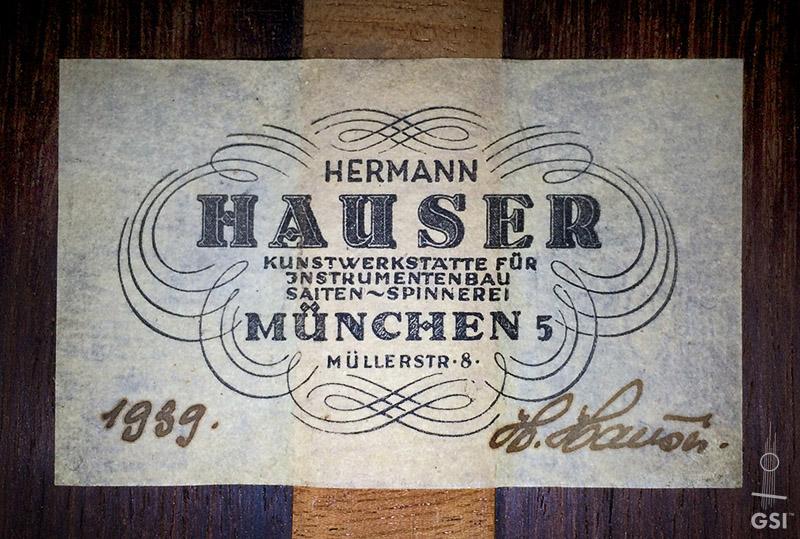
Hermann Hauser Sr. (1882-1952) is best remembered for the remarkable instruments he built in the Spanish style after 1924. In that year, both Andrés Segovia and Miguel Llobet visited Hauser. Segovia was impressed by the quality of Hauser's work and wrote his impressions, noting that he "immediately saw the potential of this great artisan if only his mastery might be turned to the construction of the guitar in the Spanish pattern, as immutably fixed by Torres and Ramirez as the violin had been fixed by Stradivarius and Guarnerius" (Segovia in Guitar Review 1954). Segovia encouraged Hauser to build instruments based on his 1912 Manuel Ramirez guitar (built by Santos Hernandez) after he examined and made measurements of this instrument. At this time Hauser also had the opportunity to examine Miguel Llobet’s famous 1859 Torres which would also become a decisive influence on the maturing "Hauser" style.
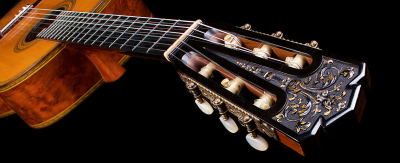
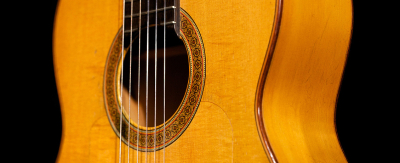
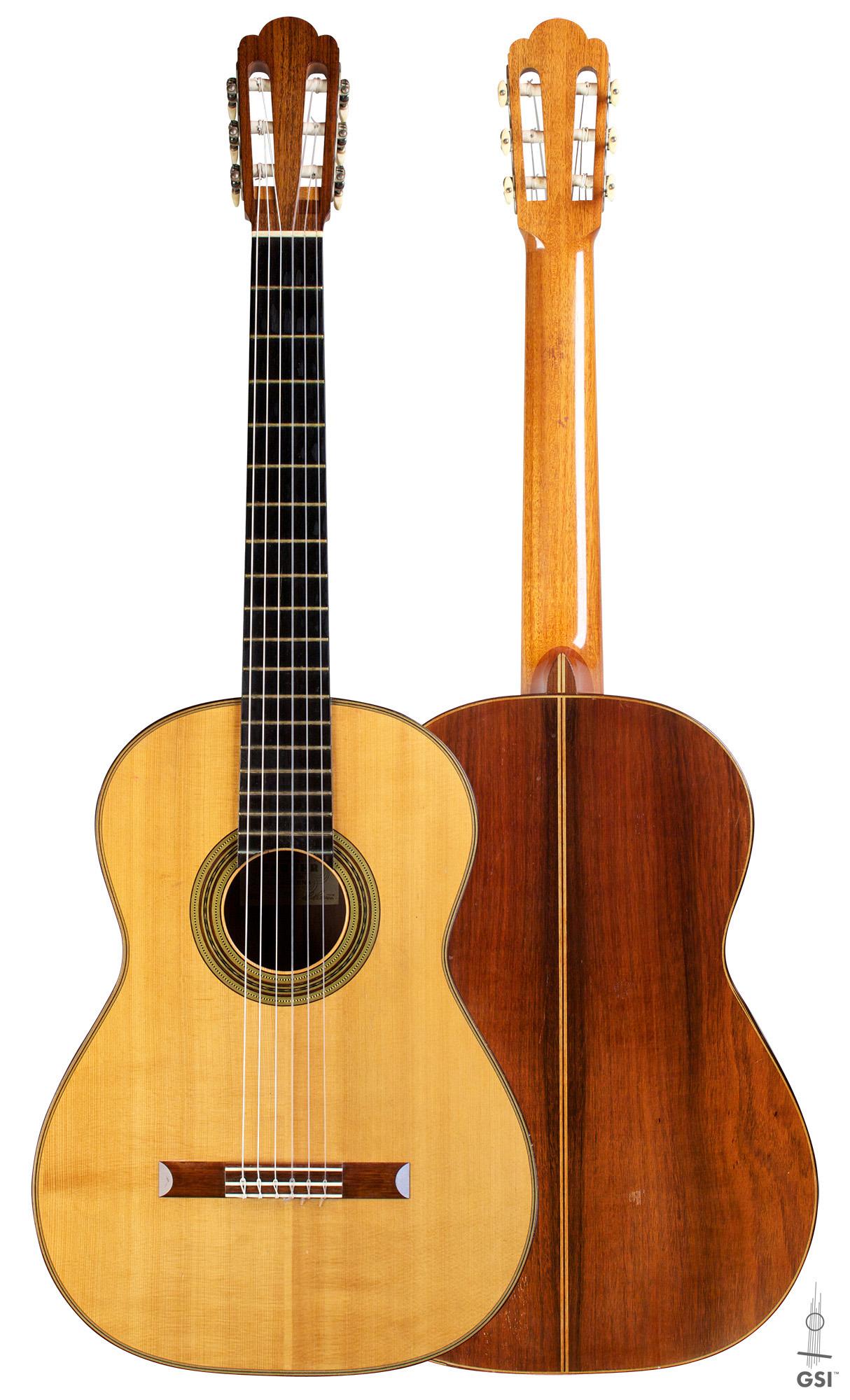
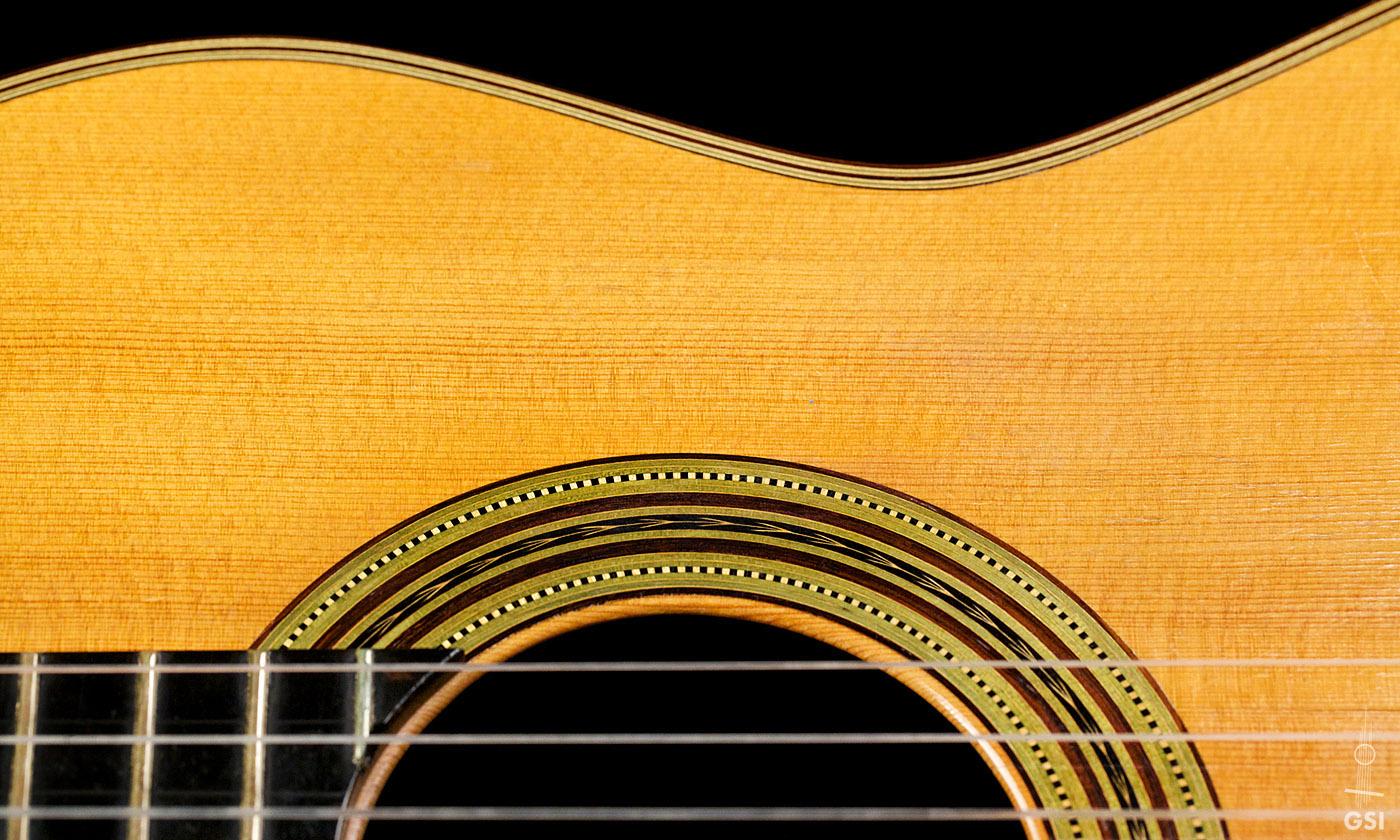
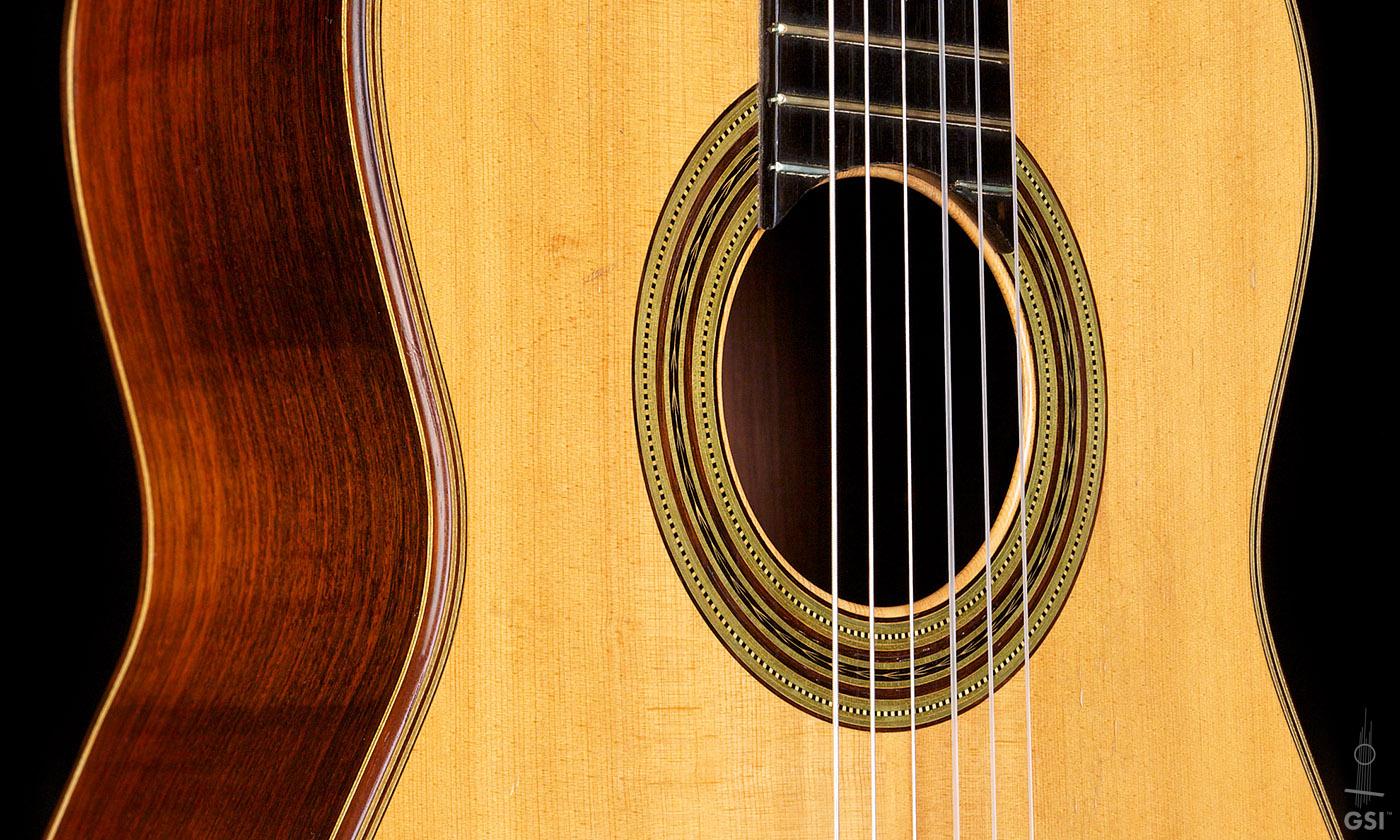
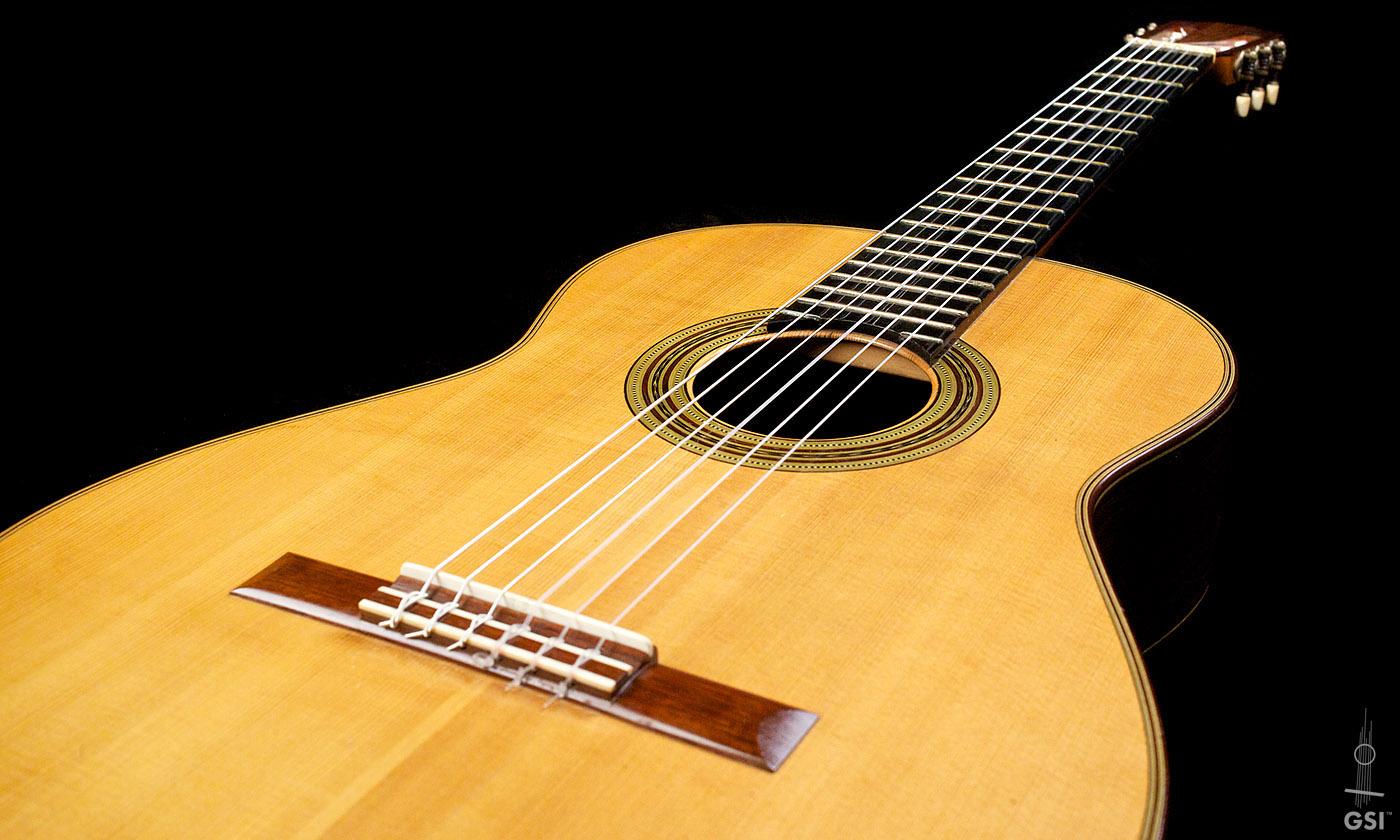
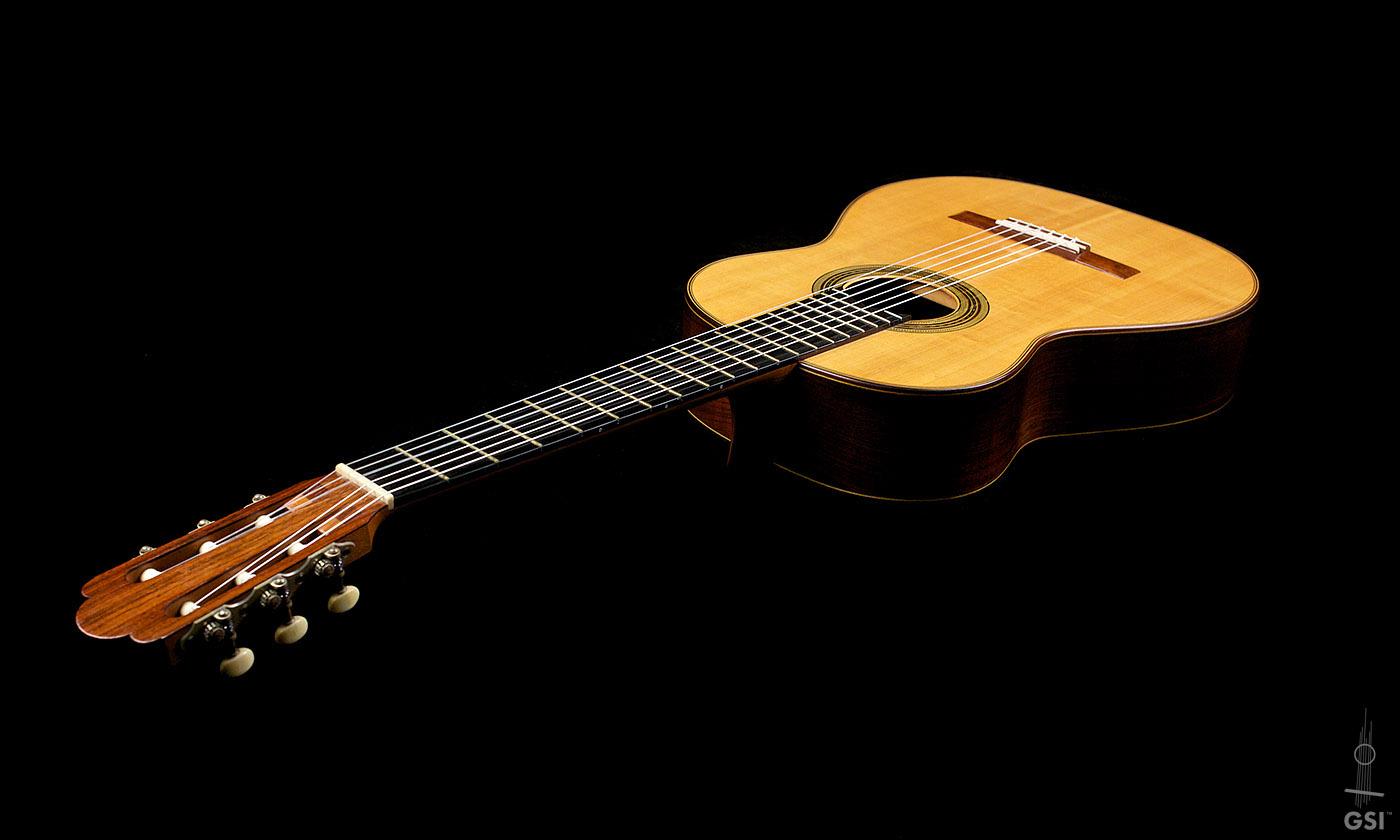
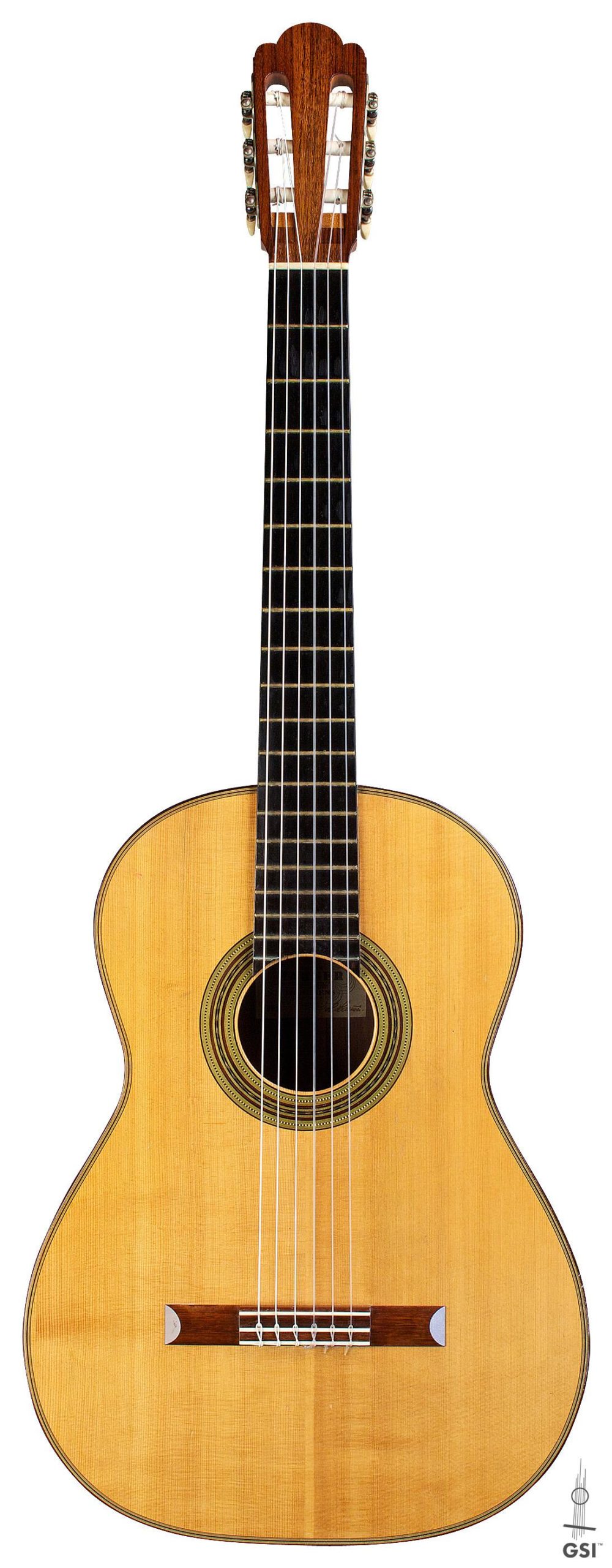
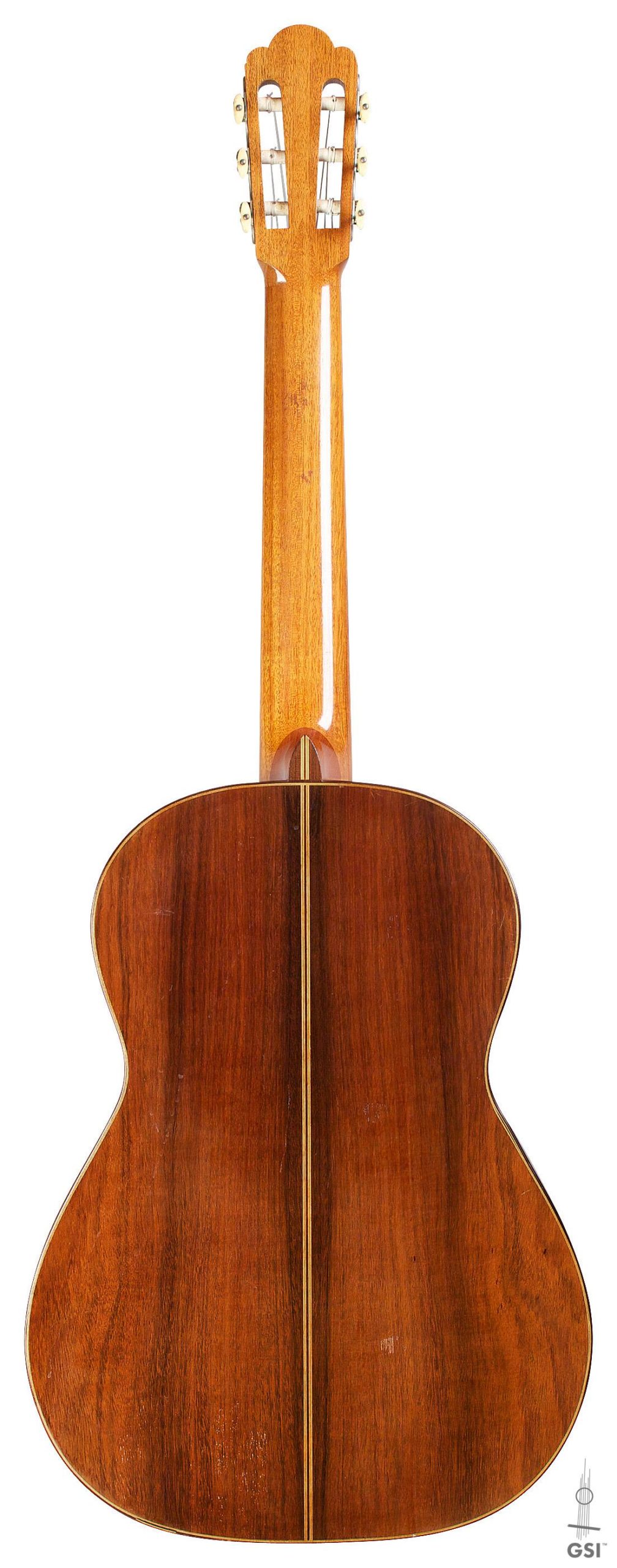
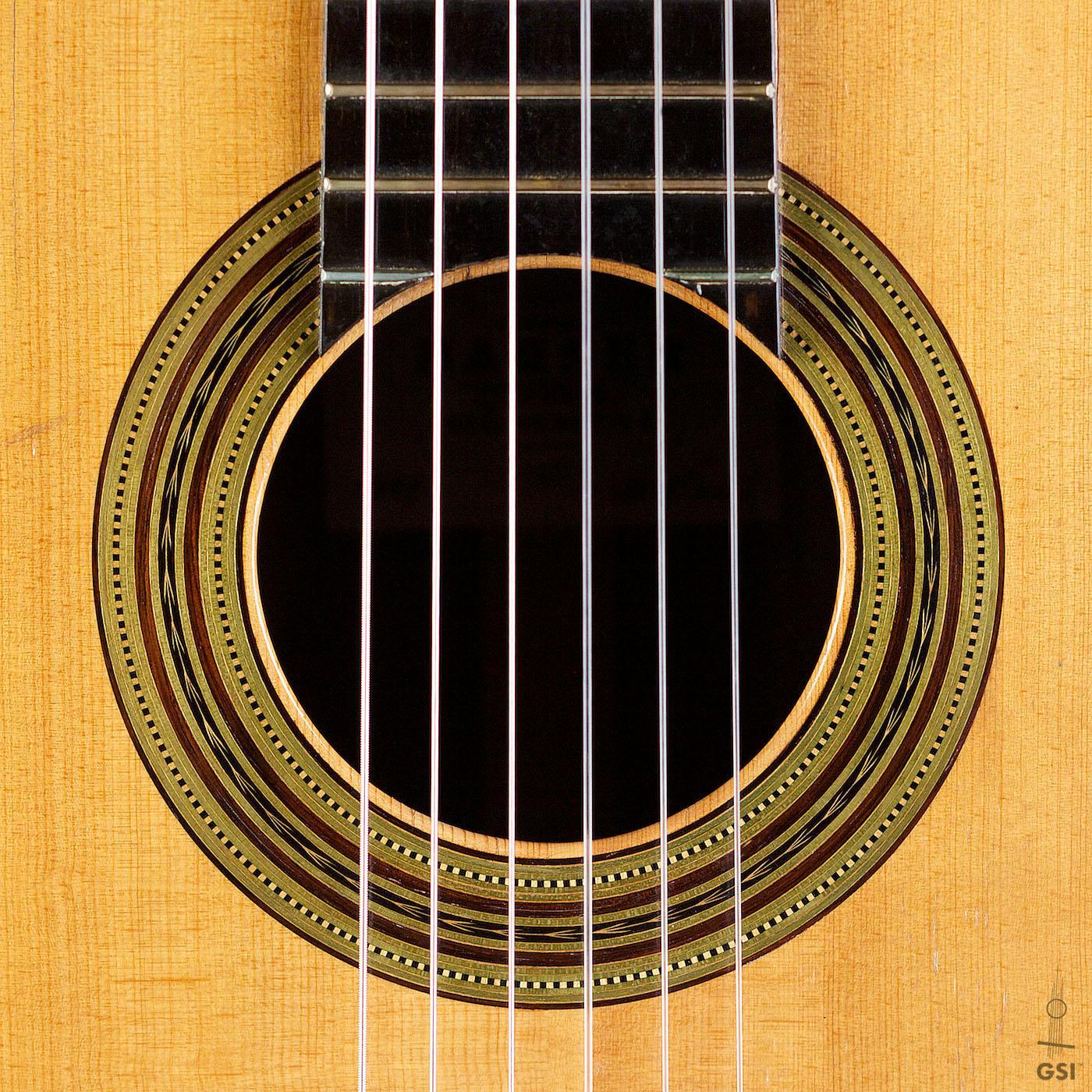
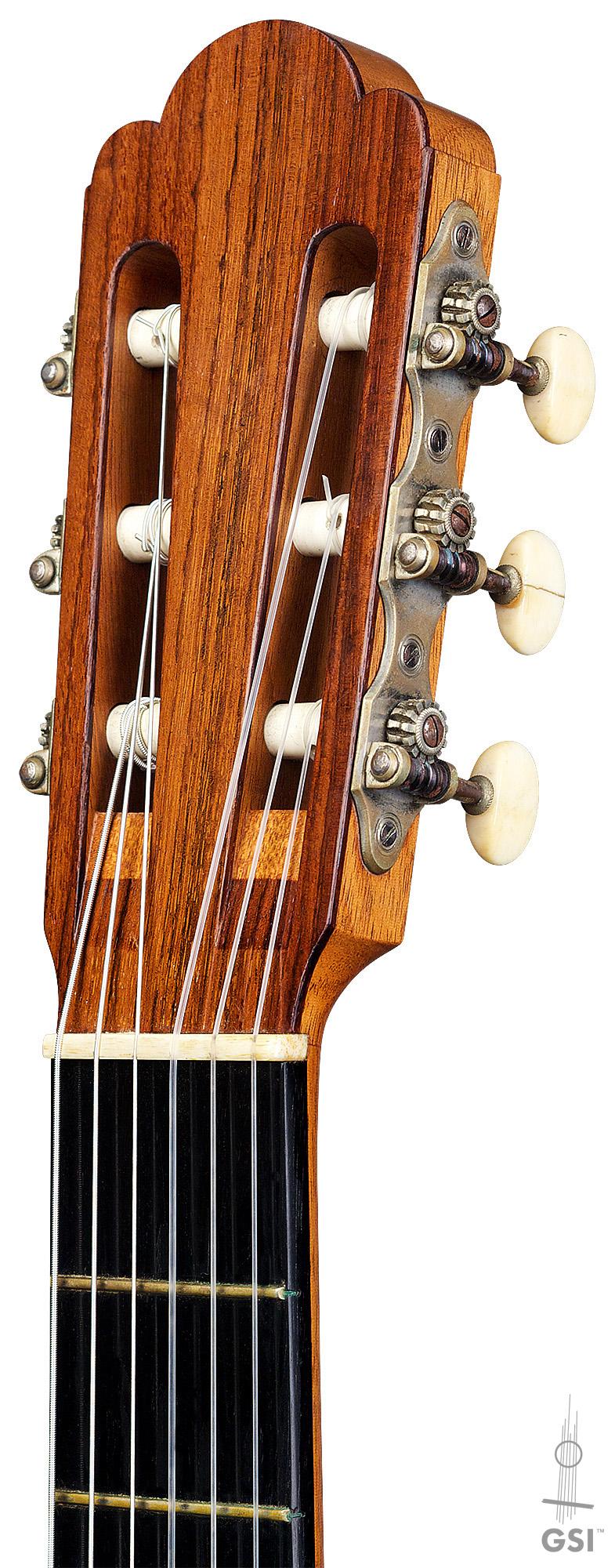
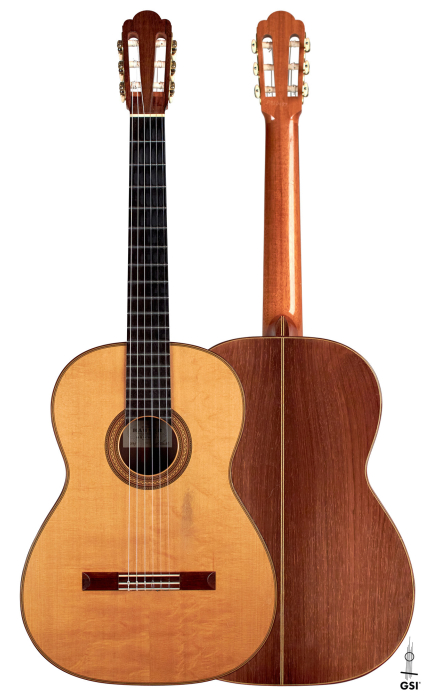
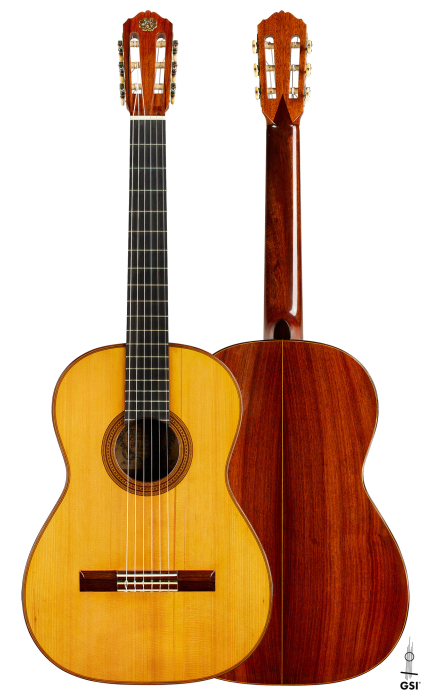
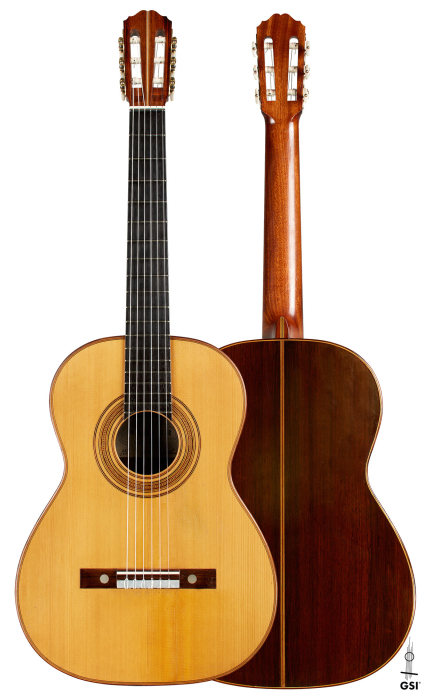
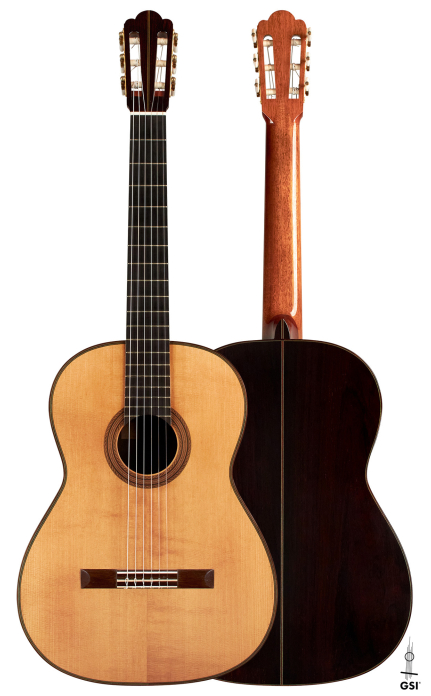
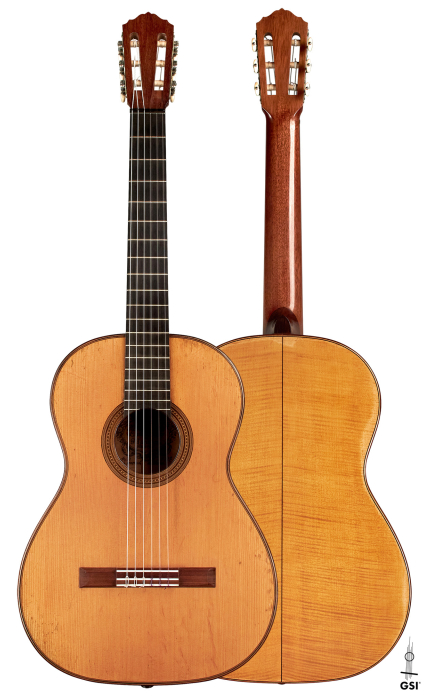
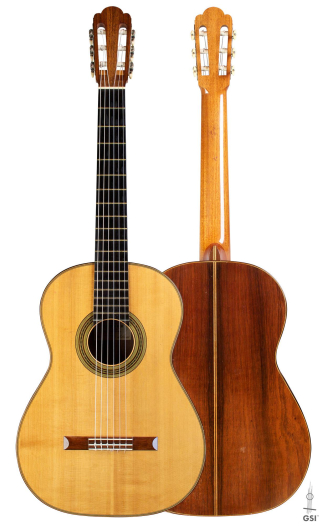
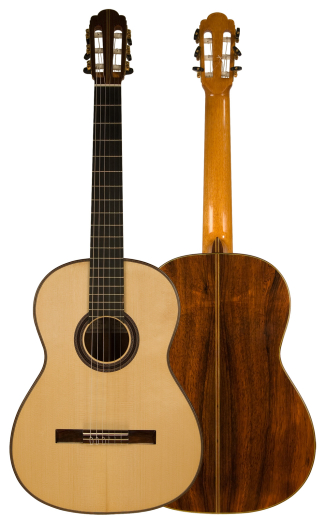
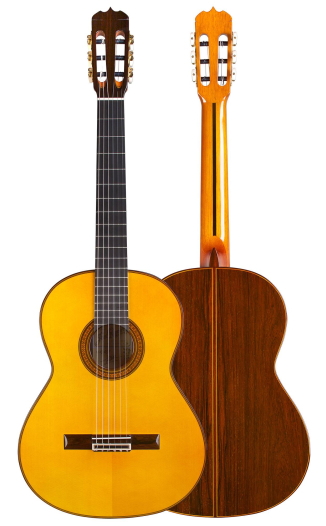
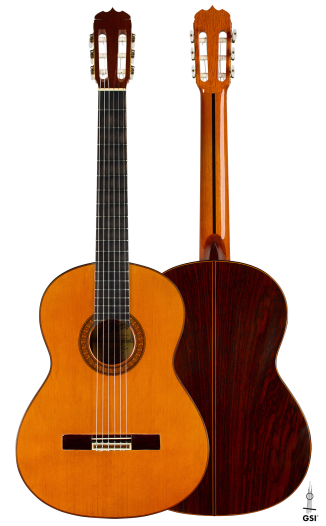
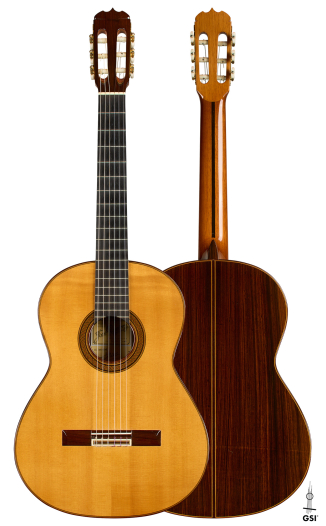
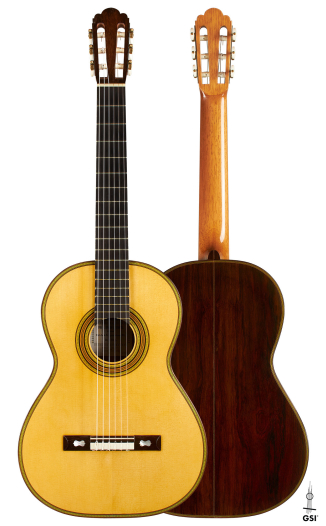
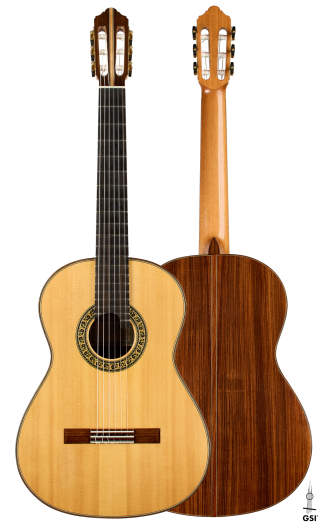
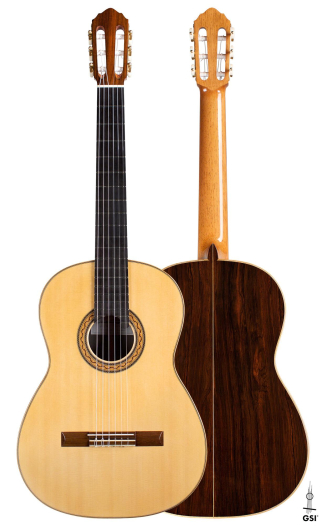
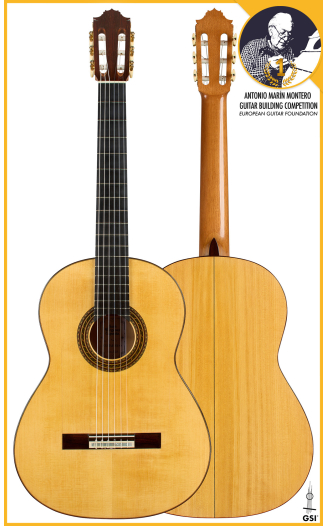
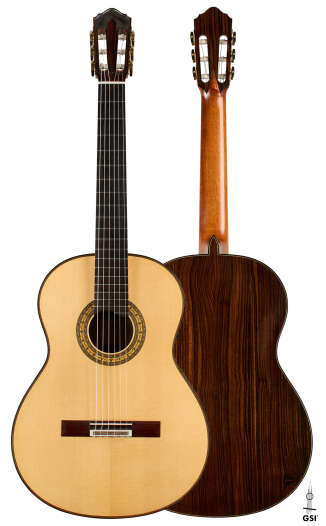
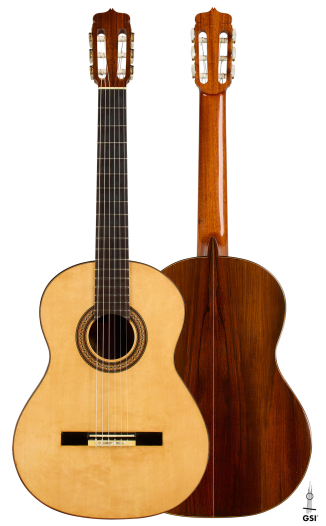
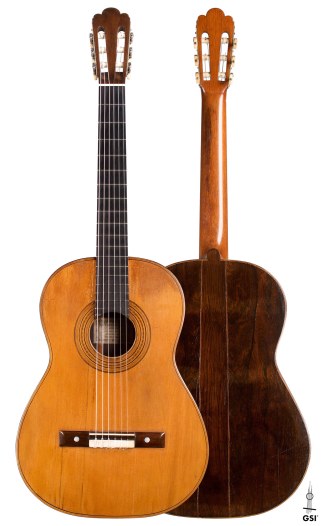
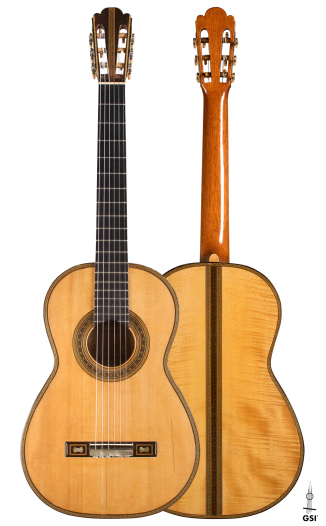
This instrument is a fantastic example of Hauser I at his best. It has the classic curves, compact (yet sturdy) build, and aesthetic features that make this one of the most iconic (and copied) models in the history of the craft. It also has the unmistakeable 'archetypal' Hauser I sound that has mesmerized audiences for nearly a century in the hands of players such as Andres Segovia, Julian Bream, and countless others. The sound can be described as having virtually everything one could ask for on a wish-list of sonic qualities - a piano-like clarity in all registers, precise balance and a vast color palette (bright and brassy when played ponticello, milky and luminous when played sul tasto, and every other imaginable color in between). Every note has a clearly defined and "anchored" fundamental at its core with very controlled and transparent overtones. This is truly an exceptional and rare example of this maker at his best.