


Mela Guitar Quartet records at GSI!
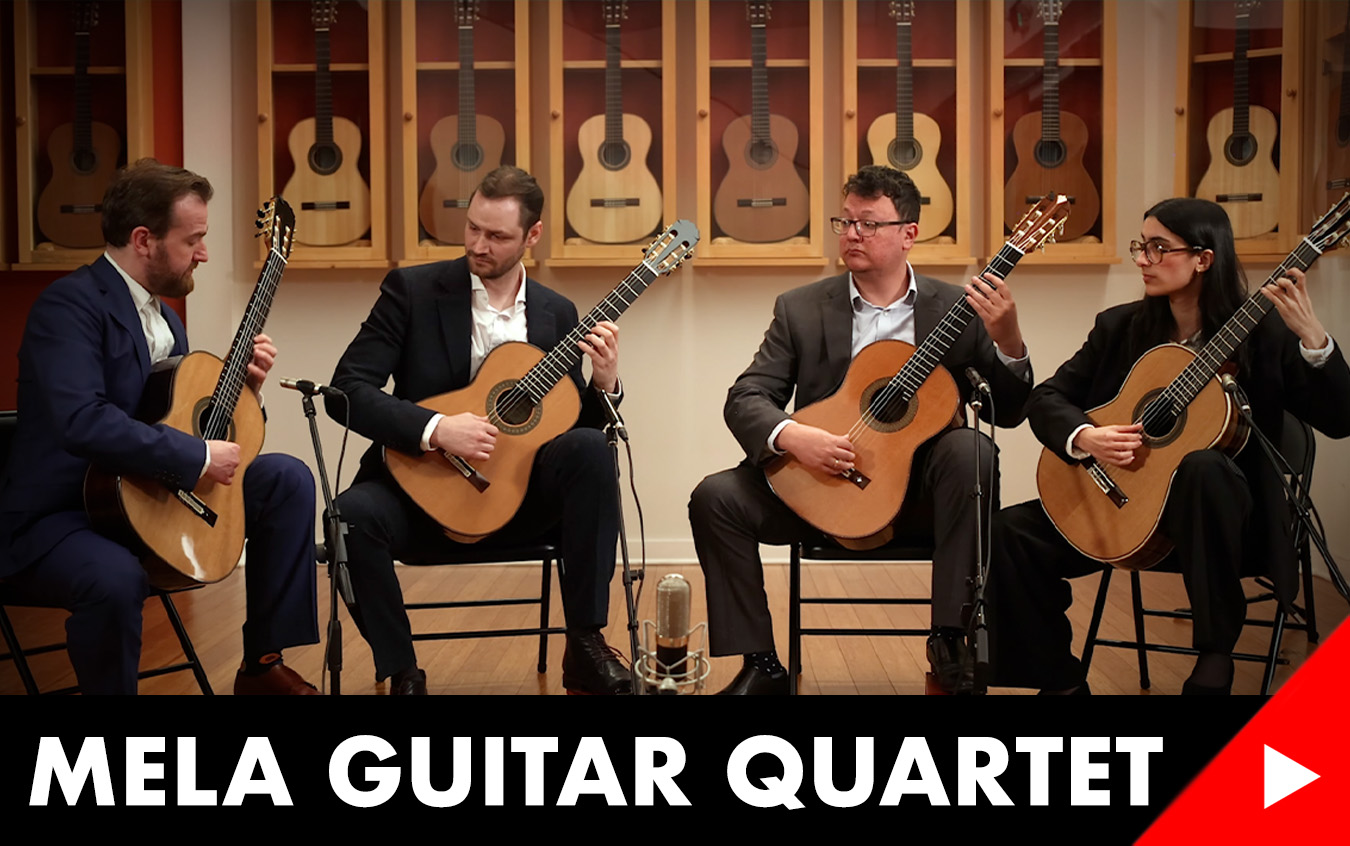 Formed in 2015 by graduates of the Guildhall School of Music and Drama and the Royal Academy of Music in London (Matthew Robinson, George Tarlton, Zahrah Hutton, and Michael Butten), the Mēla Guitar Quartet take their name from the Sanskrit word mēla, meaning “festival.” They are winners of the prestigious Guitar Foundation of America International Ensemble Competition (IEC) 2023, and they recently recorded five videos at GSI.
Their repertoire is characterized by imaginative programming and ingenious arrangements — bringing orchestral color, chamber intimacy, and timbral richness to four guitars. The press describes them as displaying “collective technical brilliance and preternatural ensemble making” (Gramophone) and even as “a guitar quartet for the millennial generation.”
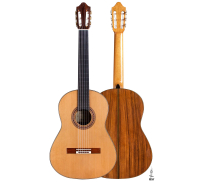
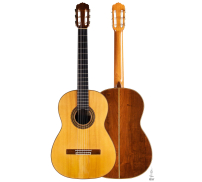
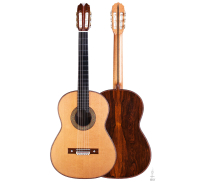
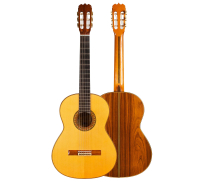
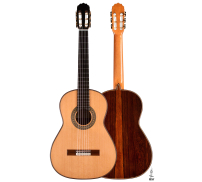
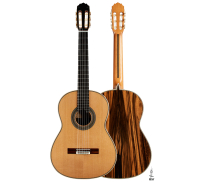
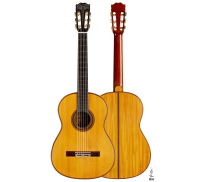
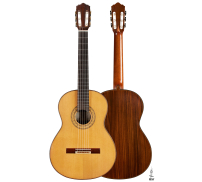
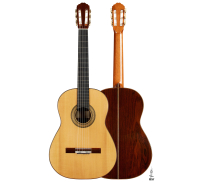
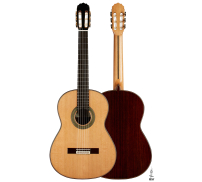
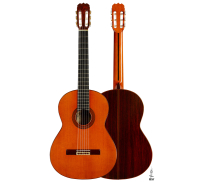
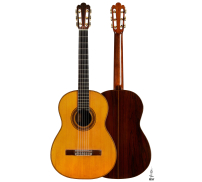
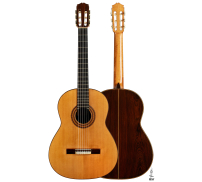
During their recording session, they performed Le Jardin Féerique (“The Fairy Garden”), the final movement of Maurice Ravel’s suite Ma mère l’Oye (Mother Goose), originally written for piano four-hands in 1910, then orchestrated in 1911 and later expanded into a ballet (1911–12). Marked Lent et grave, the piece is dreamy, spacious, and impressionistic, employing modal colors, chord planing, and delicate orchestral textures. They recorded it on guitars by Soroka, Rompré, Belair, and Perry.
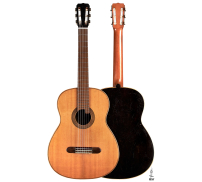
They also recorded an arrangement of Joe Hisaishi’s My Neighbor Totoro Suite, the soundtrack from the eponymous Miyazaki film. This arrangement beautifully blends the cinematic and folk idioms, merging the soundtrack genre with Japanese folk influences to create a dreamy, nostalgic atmosphere throughout. For this piece, they used guitars by Kohno, Sakurai, and Kimishima.
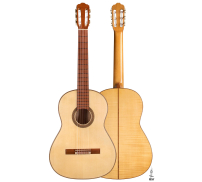
Frank Bridge’s Moto Perpetuo (“Perpetual Motion”) — a continuous, fast-moving stream of notes with few breaks — is a virtuosic, etude-like work designed to test stamina and clarity. Bridge, one of the most refined British composers of his generation and teacher of Benjamin Britten, was known for elegant harmonic writing and rich textures. The Mēla Guitar Quartet deliver a superb interpretation of this piece on four Ramírez guitars.
Another highlight of their session is Sergei Rachmaninoff’s Polka Italienne. This light, humorous, salon-style dance — far removed from Rachmaninoff’s darker concertos and symphonies — is a “polka” in name but more closely resembles a lively piano miniature evoking an Italian street scene. They recorded this piece on four Teodoro Pérez guitars.
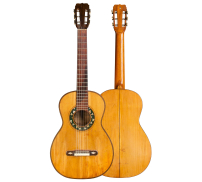
Finally, they performed the famous Arabesque No. 1 by Claude Debussy. Considered an early impressionist work, it already reveals his sensitivity to color and texture — hallmarks of Impressionism and of Debussy’s later compositions. For this recording, they used historic guitars by Hernández, García, Simplicio, and Esteso.
1 comment