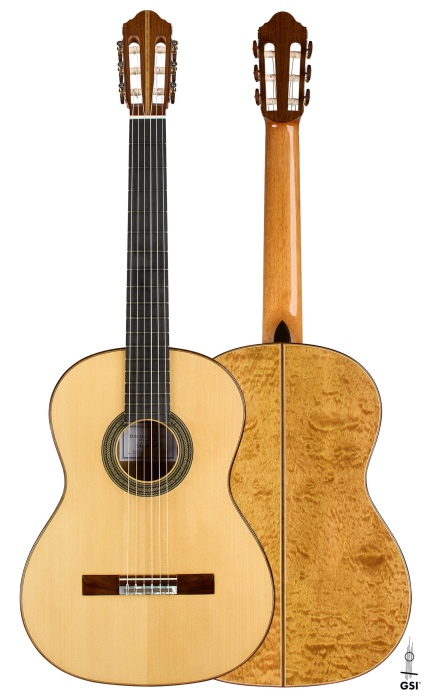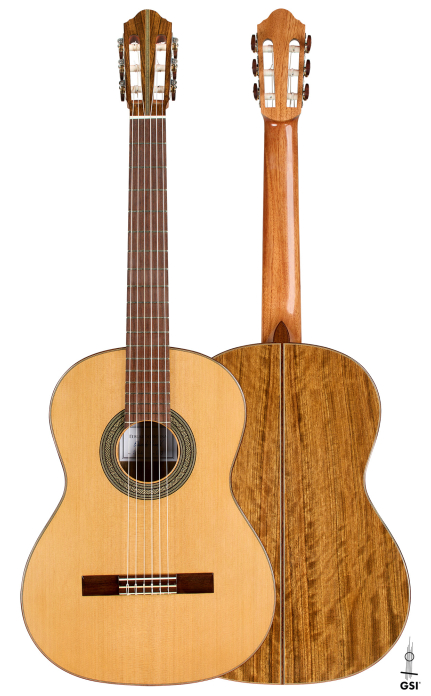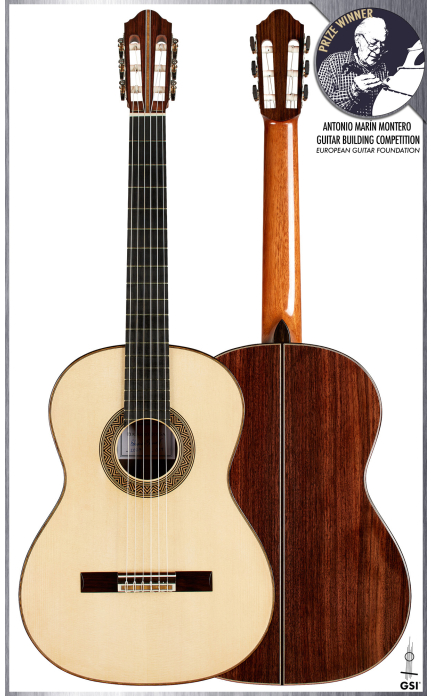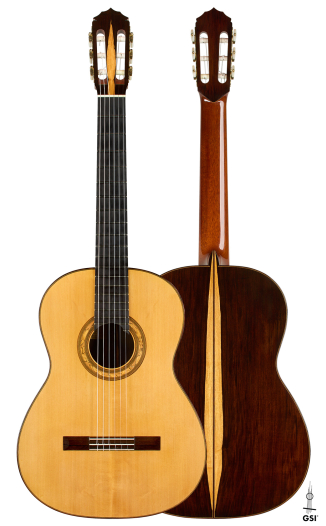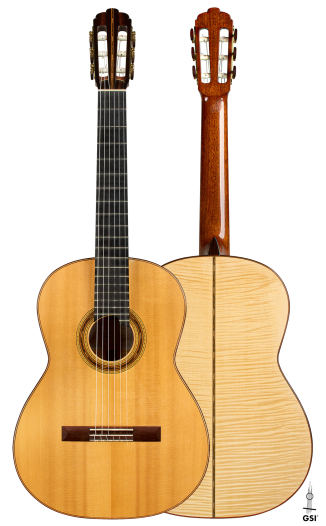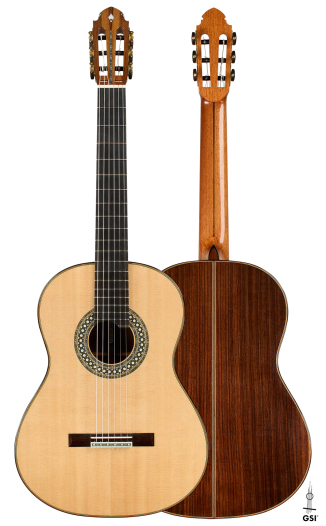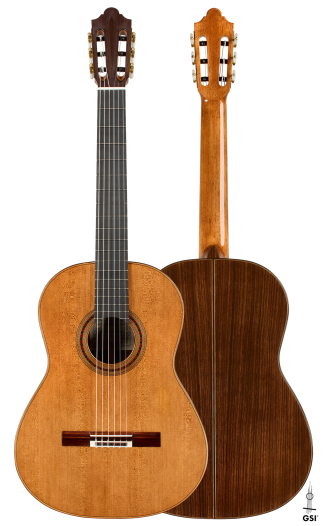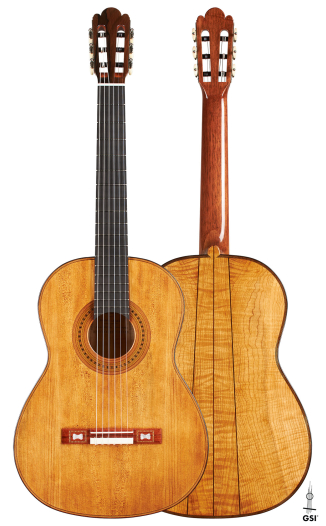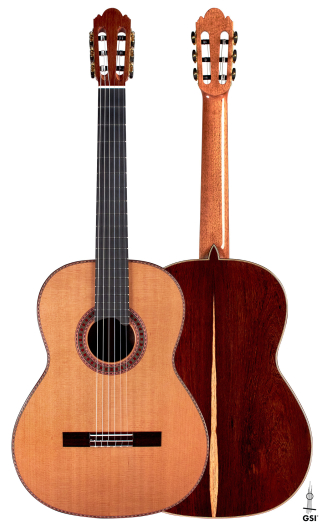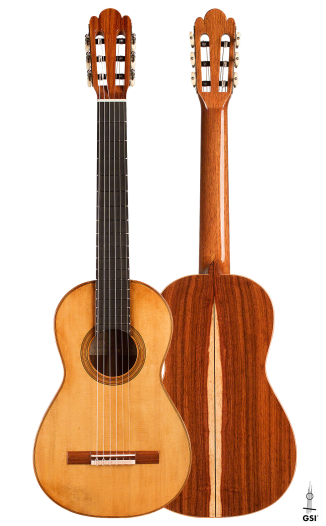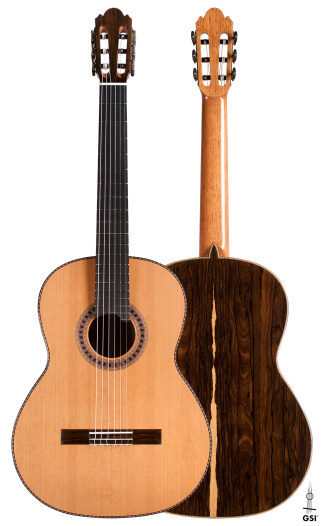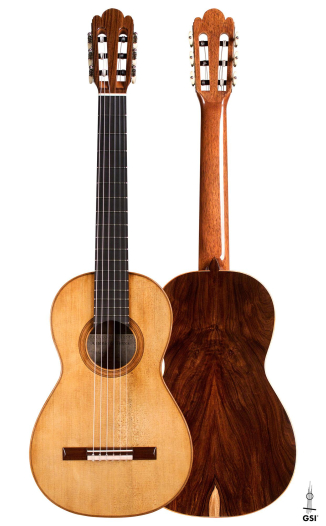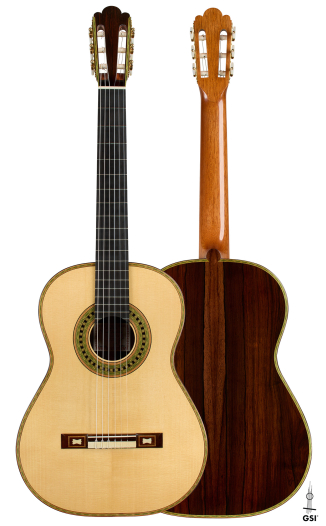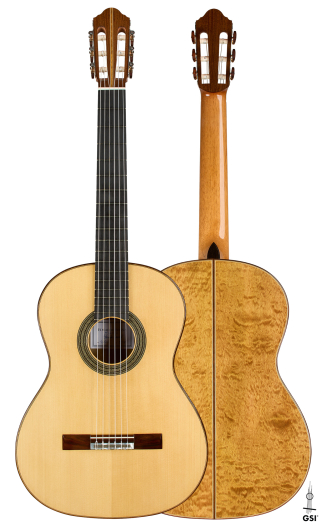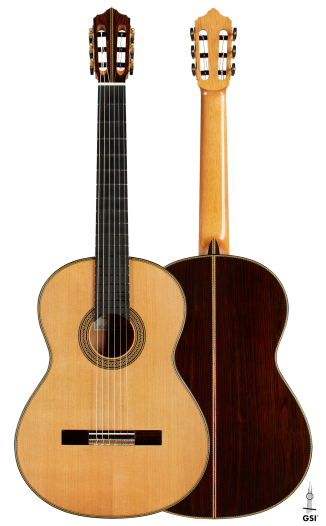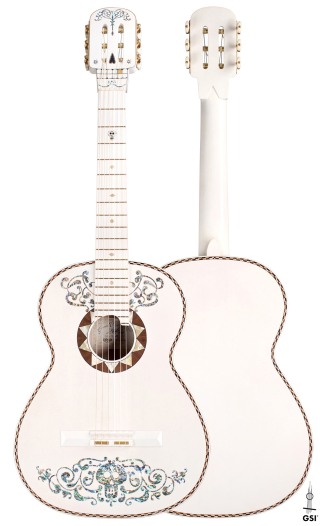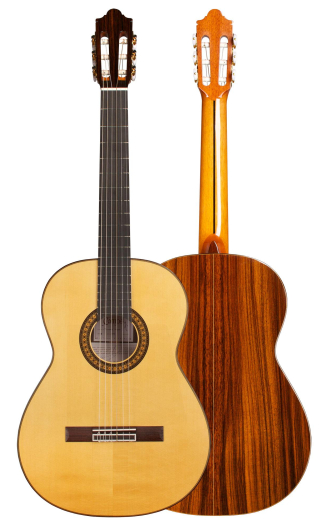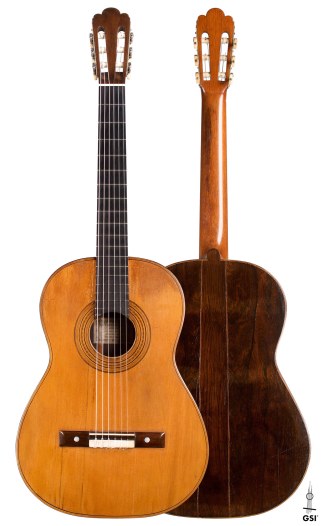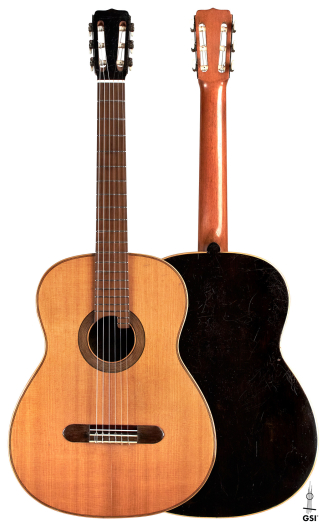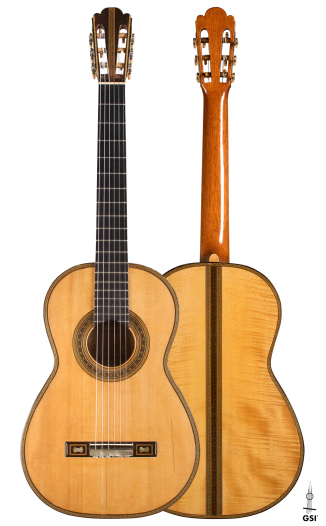




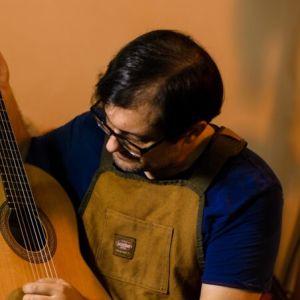
Eduardo Bossa (born 1975) is a Colombian classical guitar maker who has built in his own workshop in Cartagena, Colombia, since 2014, and winner of second prize for classical guitar at the 2024 Antonio Marín Montero International Guitar Making Competition in Granada, Spain.
At a Glance
- Born: the Caribbean region of Colombia, 1975
- Workshop: Cartagena, Colombia (since 2014)
- First career: chemical engineer
- First guitar: built with master luthier Alberto Paredes
- Signature detail: rosettes inspired by the woven crafts of the Zenú people
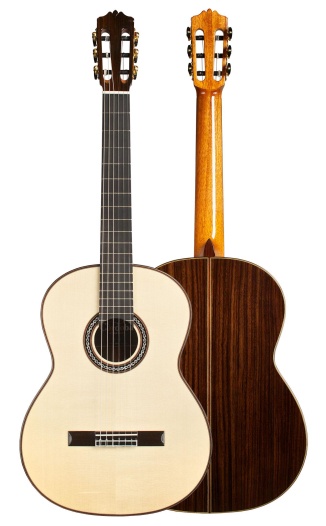
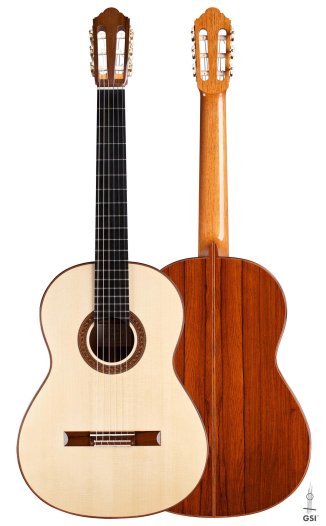
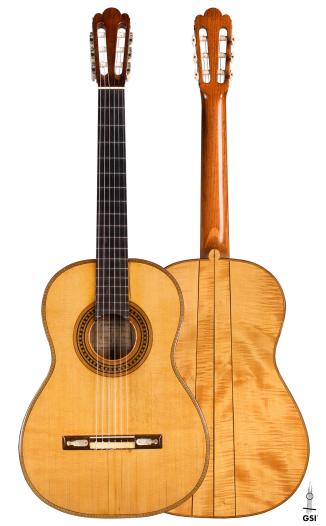
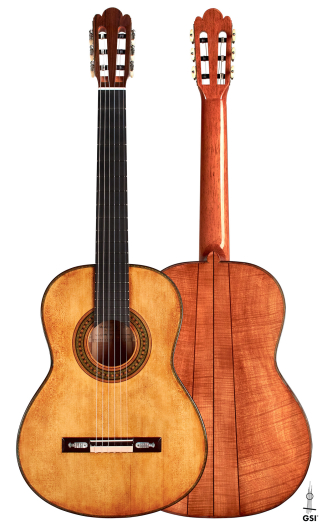
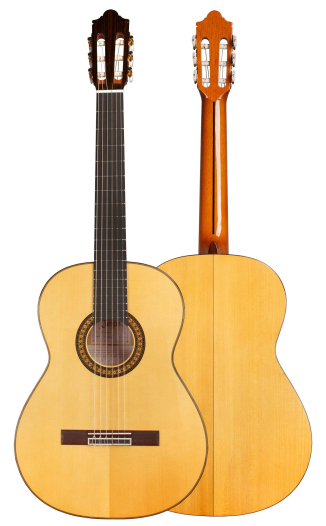
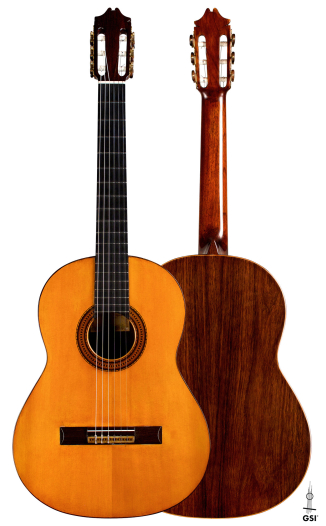
- Models: his concert model and his 10th Anniversary model
- Award: Second Prize, classical guitar, seventh Antonio Marín Montero Guitar Making Competition (2024)
Interview
From Chemical Engineering to Lutherie
Eduardo Bossa was born in the Caribbean region of Colombia and first trained and worked as a chemical engineer, spending years on engineering projects. He also studied classical guitar seriously for many years. By his own account, he always had two sides pulling against each other: one rational and structured, the other intuitive and artistic. Engineering left little room for artistic freedom, and as a guitarist he felt his analytical side often got in the way.
A Calling Discovered
Even as a young player, Eduardo was fascinated by how a guitar works. He examined every instrument he could get his hands on, listened closely, and read everything he could find on guitar making, though he never imagined he could build one himself. That changed when he met master luthier Alberto Paredes. Paredes told him that with enough hard work, he could build guitars too, and they made Eduardo's first instrument together. In lutherie, Eduardo found that his two sides no longer fought each other but worked together, and he decided to devote his life to making the best guitars he could.
The Cartagena Workshop and the Zenú Rosette
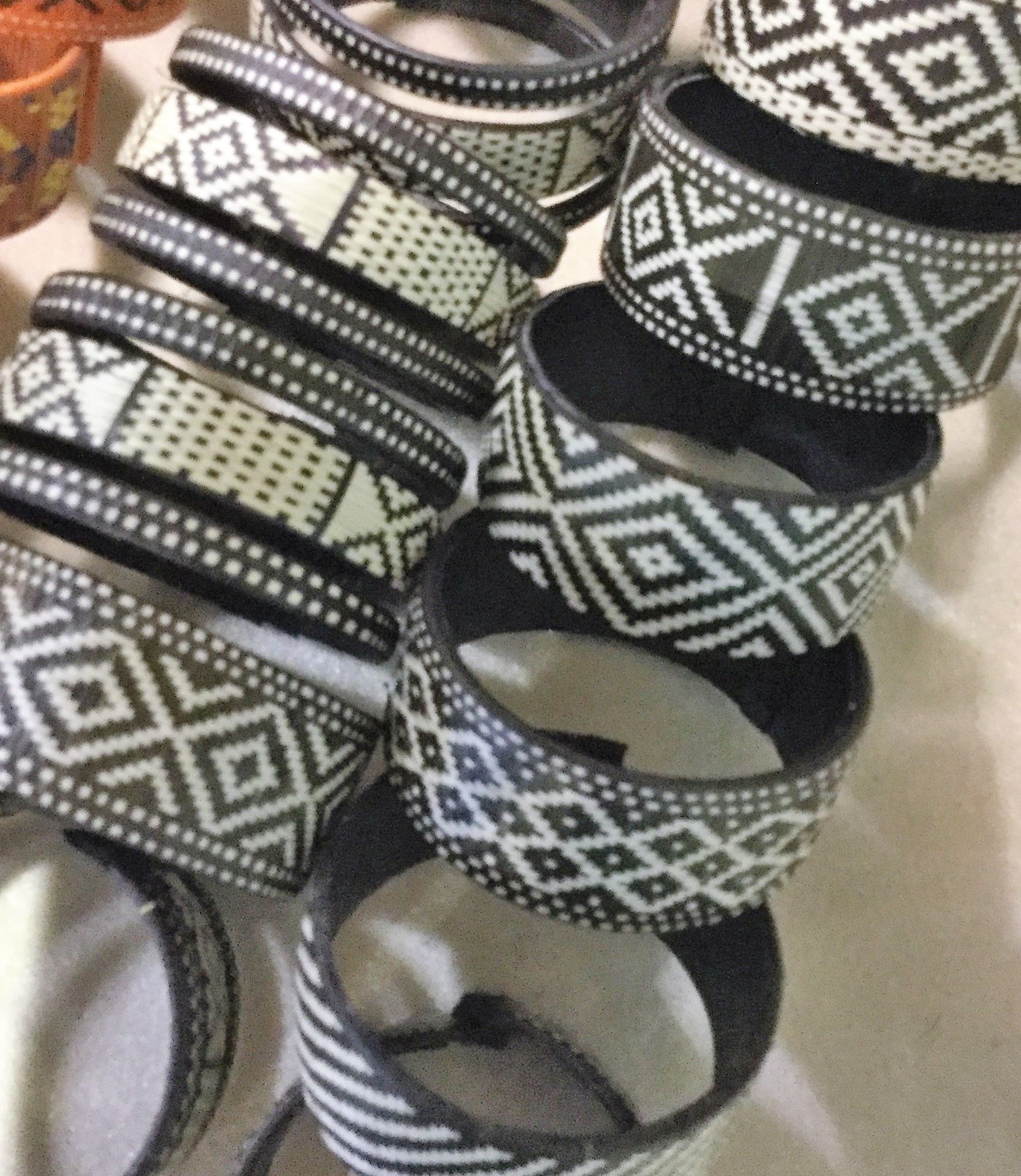
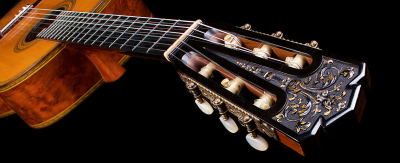
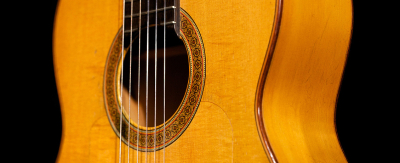
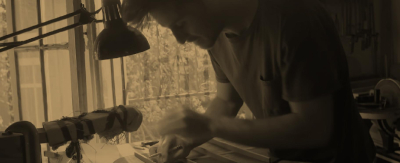
Since 2014, Eduardo has built guitars in his workshop in Cartagena, Colombia, combining traditional and modern methods to make beautiful instruments for today's musicians. His approach has a firm foundation in the traditional Spanish school and seeks to honor the great masters of the past. However, he also acknowledges his own roots and culture – both European and American – to incorporate his own personal style, giving his guitars a unique and honest identity. This is evident from the very original aesthetic details, of which his rosettes stand out the most, while still maintaining a very elegant and sober quality. His rosettes pay homage to the traditional woven crafts of the Zenú native American culture in the Colombian Caribbean region – Eduardo's birthplace. These crafts are handmade by skilled craftsmen weaving black and white straw fibers to depict pre-Columbian pastoral motifs, and have become a national symbol of Colombia (see the photo).
The Eduardo Bossa Sound
The construction of his guitars is traditional; however, he follows his own designs and bracing patterns to grant them their own unique voice. These guitars exhibit great power and projection: a deep and controlled bass range paired with a treble range that is full and has a singing quality with surprising sustain. At the same time, they are easy to play, remarkably comfortable and player friendly. Advanced players will find that their wide palette of tonal colors, generous and responsive dynamic range, and outstandingly even register across all strings – in volume, timbre, and sustain – give them the freedom they need to craft their music, especially classical styles ranging from early and Renaissance music up to modern contemporary.
In His Own Words
From Eduardo Bossa:
How does a chemical engineer with years of experience in engineering projects end up as a guitar maker? There are two distinct aspects in my personality that sometimes work against each other. There is one aspect which is very rational and structured, and another aspect which is intuitive, creative, and artistic. If I need to make a career choice to allow both aspects of my personality to work together, what do I do? I became an engineer, but there is not much room for artistic freedom there. I also studied classical guitar for many years, but my rational side kept getting in the way. As a young guitarist, I was always fascinated by the mysteries of a guitar. As an engineer, I wanted to know how it worked, why it was designed the way it was, and how changes to its construction aspects affected the final result. As an artist, I was captivated by the beauty of the sounds it produced, the aesthetic charm of the instrument itself, and the sheer musicality of the entire package. I studied every guitar I could get my hands on, I listened, I observed. I read everything I could about guitar making. But I never thought I would be able to make a guitar myself. One day I met master luthier Alberto Paredes, who very calmly and matter-of-factly explained that I could build guitars, I just had to work hard at it. So together with him I built my first guitar. And suddenly I found that the rational and artistic sides of me were no longer fighting each other, but rather working together to achieve my goals in guitar making. That day I found my calling and I decided that I wanted to dedicate my life to making the best guitars I could. Since 2014 I have been building guitars in my workshop in Cartagena, Colombia, using a combination of traditional and modern methods in order to offer beautiful guitars suited for today's musicians.
Prize Winner in Granada
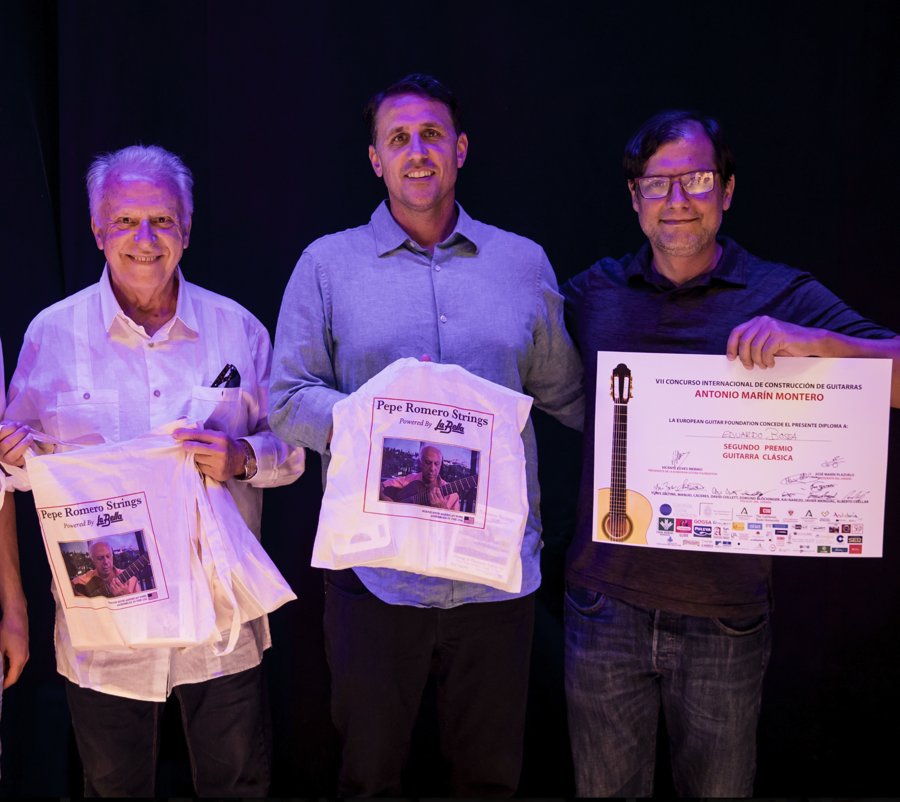
After several years of working at his craft, Eduardo was awarded second prize for his classical guitar at the prestigious seventh Antonio Marín Montero Guitar Making Competition held in Granada, Spain, in July/August 2024. That is where GSI first met him, and we have carried his guitars ever since.
Frequently Asked Questions
Where does Eduardo Bossa build his guitars? In his own workshop in Cartagena, Colombia, where he has worked since 2014.
What awards has Eduardo Bossa won? Second prize for classical guitar at the 2024 Antonio Marín Montero International Guitar Making Competition in Granada, Spain.
What is special about Eduardo Bossa's rosettes? They pay homage to the woven straw crafts of the Zenú people of the Colombian Caribbean, a national symbol of Colombia.
What models does Eduardo Bossa make? His standard concert model and his 10th Anniversary model, a permanent alternative to the concert guitar with its own construction system, feel and tonal palette.