





Biography:
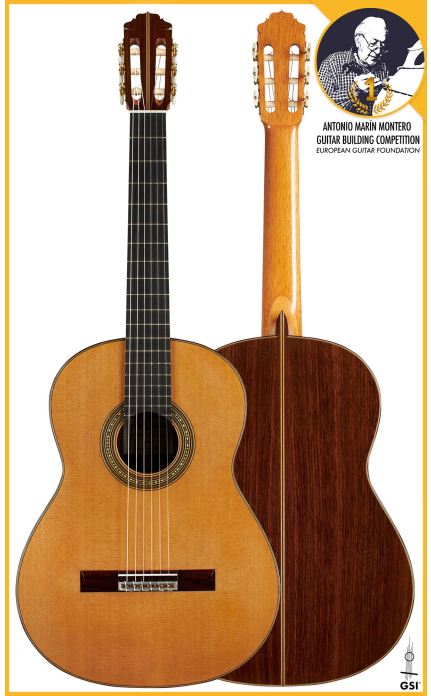
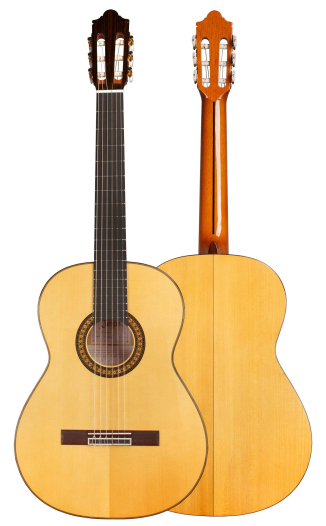
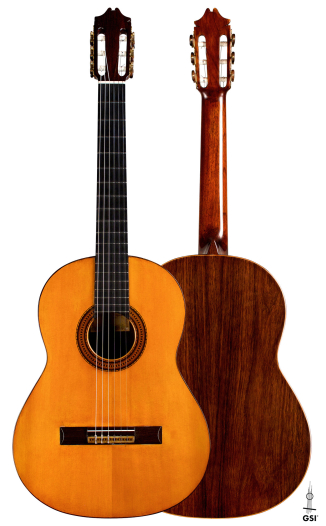
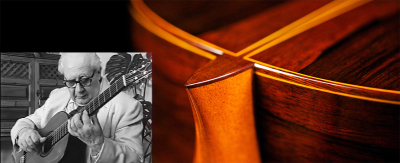
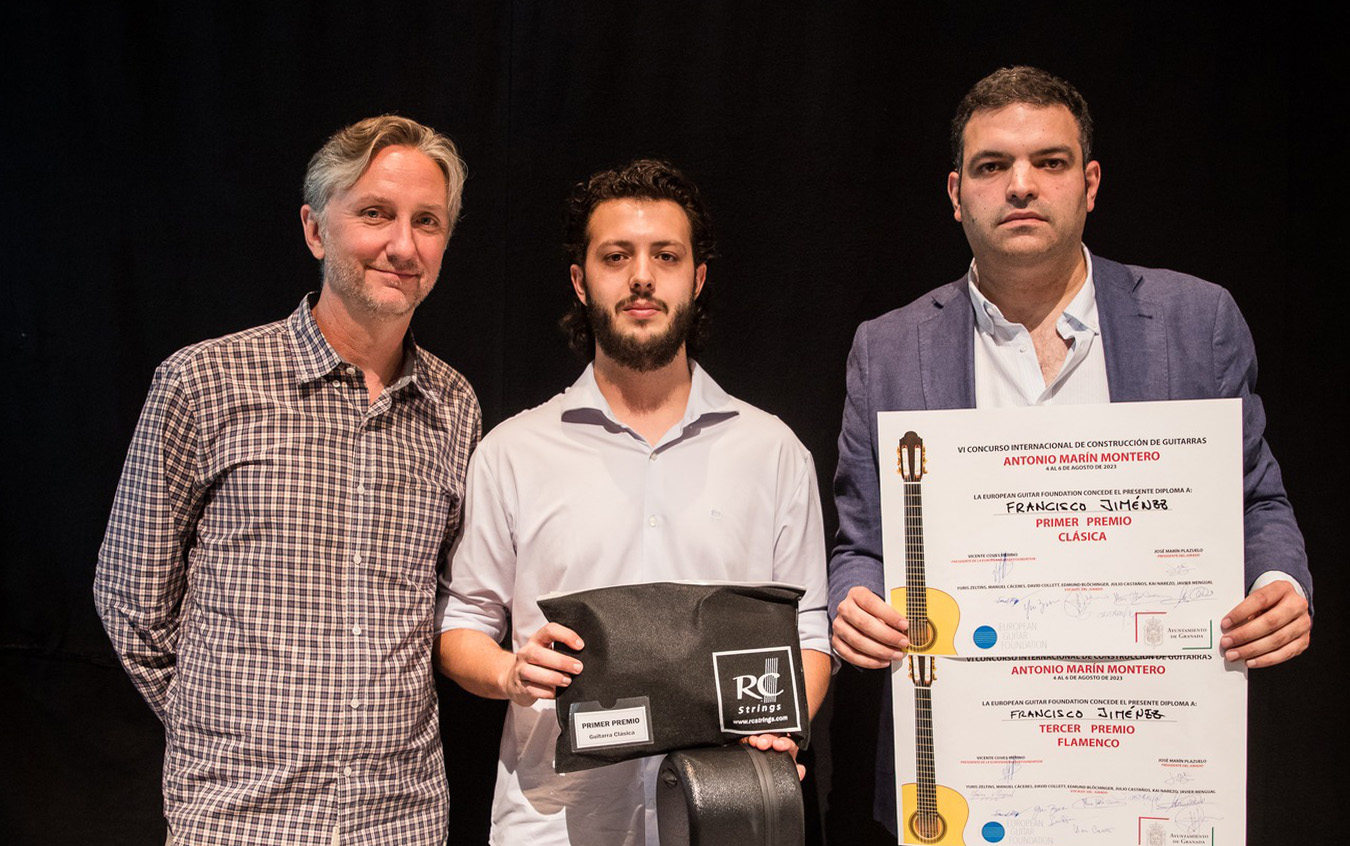
Francisco Jimenez was born in Granada, Spain in January 1997. From an early age he developed a great interest in music and crafts. At the age of 17, motivated by the desire to build a guitar for his older brother (who is a flamenco guitarist), he began his self-taught journey in guitar construction. Simultaneously, he began his musicology studies and graduated as a sound technician. Throughout these years he had the opportunity to see and study some of the most important guitars of the Spanish school, which greatly influenced his style in the tradition of the great makers of the past. He cites as his biggest influences Antonio de Torres, Santos Hernandez, and Marcelo Barbero. After several years of working at his craft, Francisco Jimenez was awarded first-prize for his classical guitar (and third prize for his flamenco) at the prestigious sixth Antonio Marin Montero Guitar Making Competition held in Granada, Spain in August, 2023.
Interview with Francisco Jimenez
GSI: Which other makers inspire you?
FJ: Over the years, I’ve had the opportunity to play and study many instruments by great makers. However, the guitars that have most deeply shaped my path and my way of building are those of Antonio de Torres and the Madrid school of the so-called golden age, which for me is represented by the first half of the 20th century.
Makers such as Manuel Ramírez, Santos Hernández, Domingo Esteso, Modesto Borreguero, and Marcelo Barbero have been especially influential. To me, these guitars possess a very special timbre and quality — a distinctive, almost magical sound, full of poetry. Whenever I encountered instruments like these, they clearly set the direction of my work. I remember thinking: this is the kind of guitar I love, this is what I want to do.
GSI: What qualities in a guitar are most important to you?
FJ: For me, the most important quality in an instrument is comfort. But comfort, as I understand it, goes far beyond the more prosaic aspects we usually define — such as action, neck shape, or scale length.
I think of comfort as something much broader. It includes the response of the instrument, the feeling under the fingers, its elasticity, expressive resources, and dynamic range. Ultimately, it’s about creating an instrument that inspires you to play and never becomes an obstacle to the guitarist’s ability to express themselves.
GSI: Where did you learn to build guitars?
FJ: I learned the craft in a self-taught way. The guitar was always present in my home — my brother is a flamenco guitarist — so it was an instrument I grew up very familiar with.
Being from Granada also played an important role. I had close contact with local guitar makers, and I remember walking through the streets as a child, stopping in front of workshop windows, looking inside with great respect and admiration for the work being done there.
Eventually, I decided to build a guitar for my brother. From that moment on, I began to take the study of guitar making seriously. I started by gathering every book I could find, searching for information online, and asking some guitar makers specific questions about construction. Little by little, I worked my way through building that first guitar.
Studying historical guitars was also a crucial turning point, as it truly gave direction to my path. Seeing these instruments, understanding how they were built, and trying to imagine why a master chose to work in a certain way was deeply formative for me. I feel that, even without having known them personally, these makers left behind many lessons through their work.
GSI: How many models do you offer?
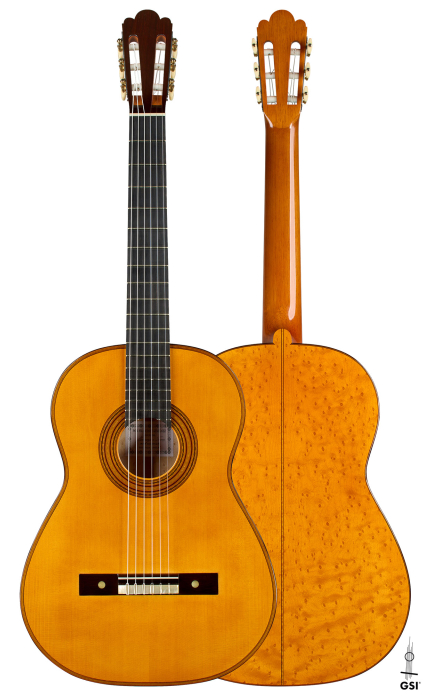
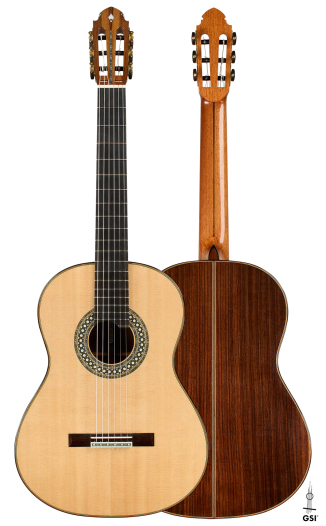
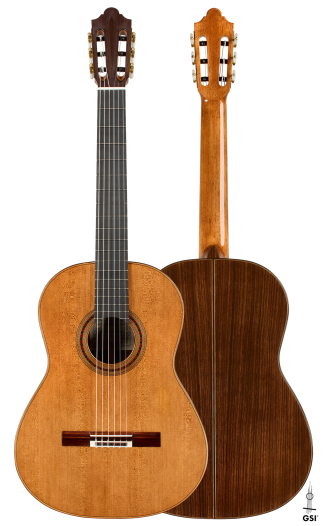
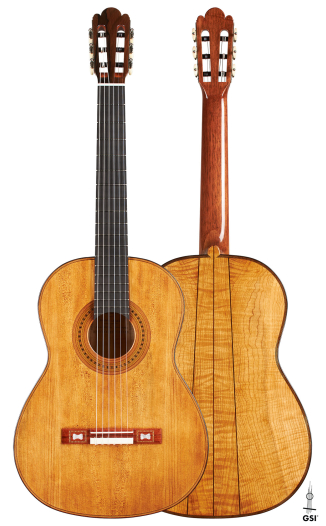
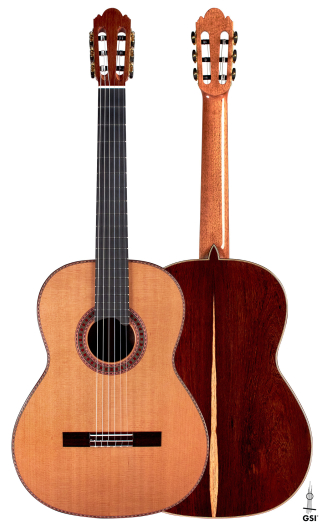
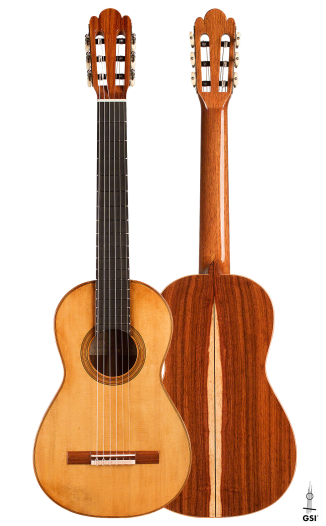
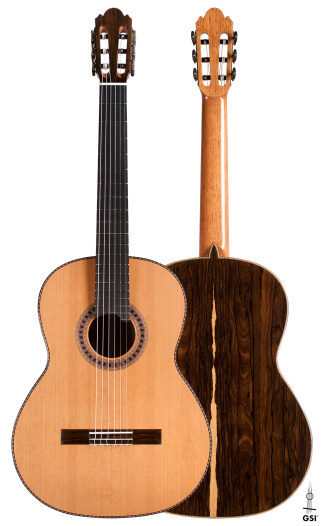
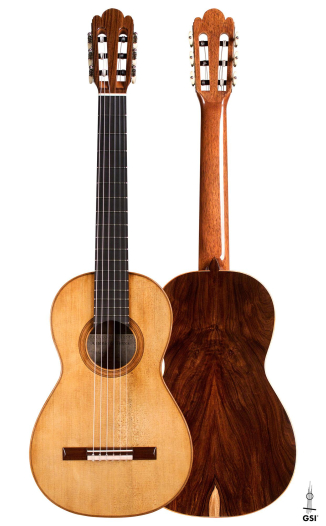
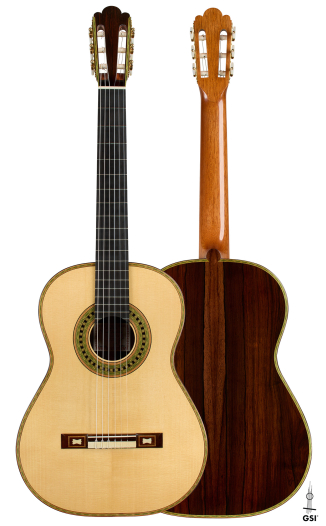
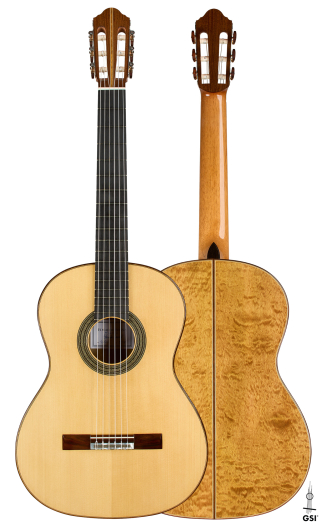
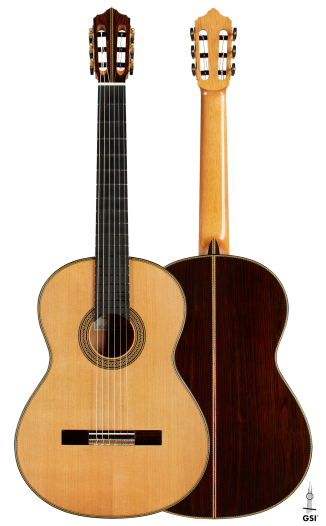
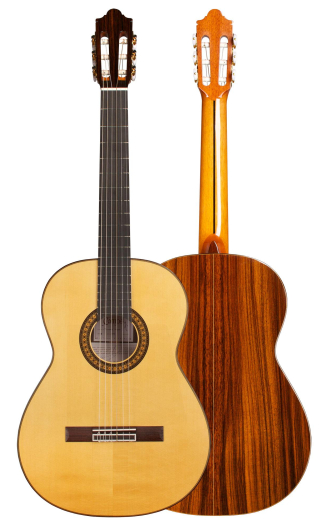
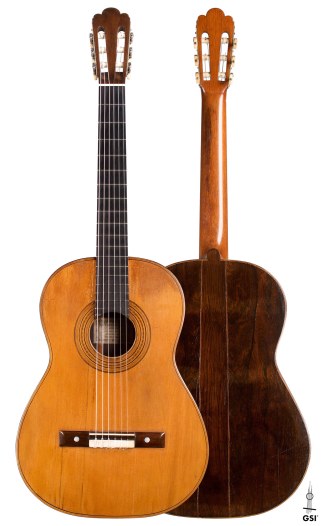
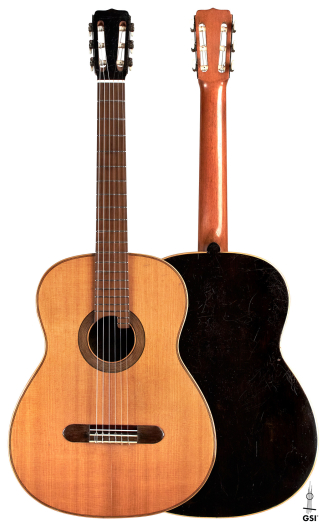
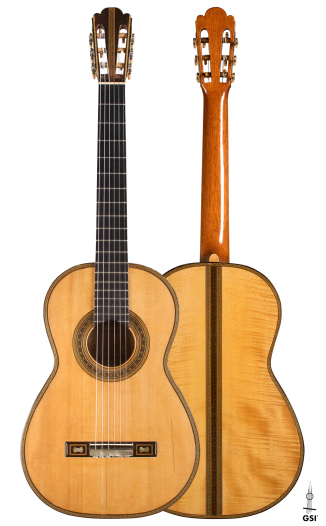
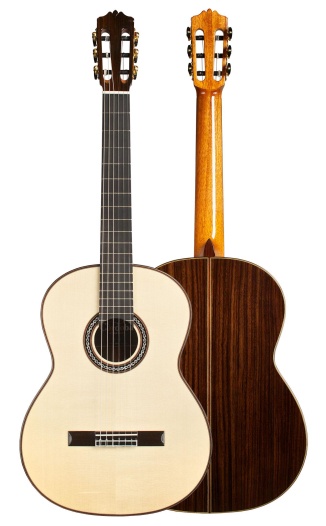
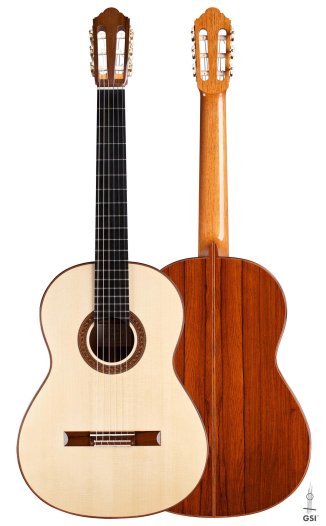
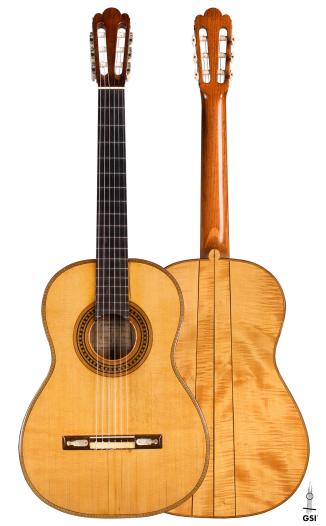
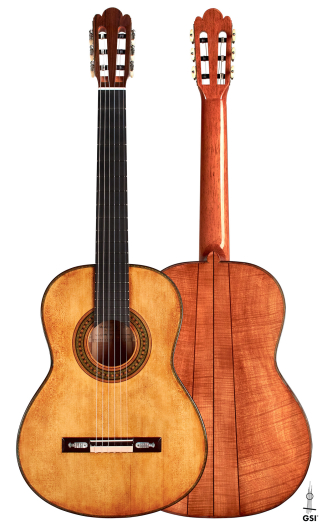
FJ: At the moment, I work with three different models. First, I have my personal model, which is my own design and the instrument with which I won the competition in 2023. I also build historical copies. One of them is a Torres copy, based on the plantilla of the SE 114. This instrument once belonged to the guitarist Francisco Tárrega. In addition, I make a historical copy of a 1953 Marcelo Barbero. It is a remarkable guitar from the private collection of a friend, which I have had the opportunity to study on many occasions. This instrument has become an important reference for me and has strongly influenced my style, inspiring and guiding my work.
GSI: What would you say makes your guitars distinctive?
FJ: I believe every maker has their own style, qualities, and strengths. When it comes to my work, my ultimate goal is to achieve beauty of sound. I want to build a guitar that the player doesn’t want to stop playing, and that the listener doesn’t want to stop listening to.
GSI: What continues to surprise you in the workshop?
FJ: Wood is always a surprise. No matter how much one learns to understand it, every piece is different. In my work, I leave space for intuition. I believe it is a very important and very human part of the process, and for that reason there has to be a kind of conversation between the maker and the wood. Even if the final result is broadly similar — and of course maintaining consistency in the quality of the work is important — the voice of the guitar is shaped by many factors. Among them are the choice of the wood, how it was cut, and how it was worked. I think this is what ultimately gives each guitar a unique, human value. Each one has its own voice.