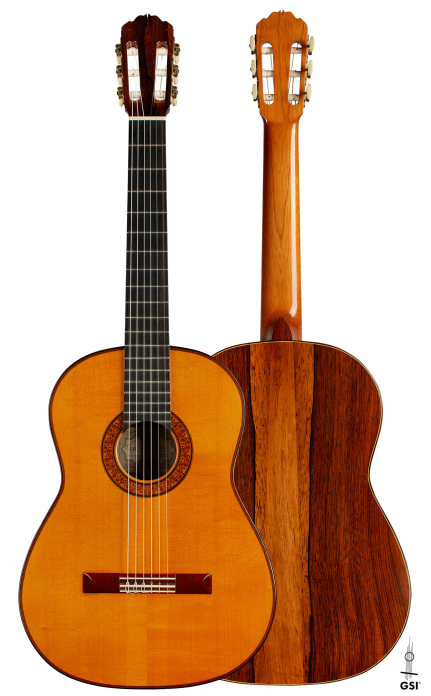
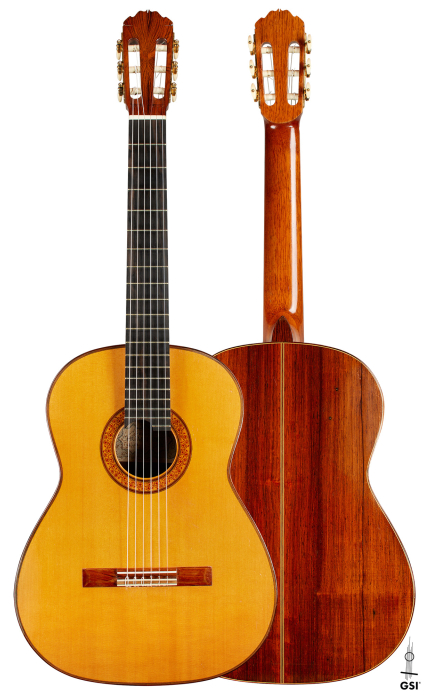
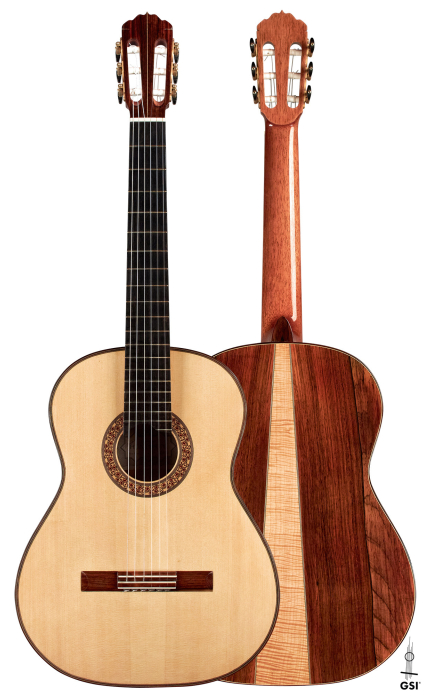
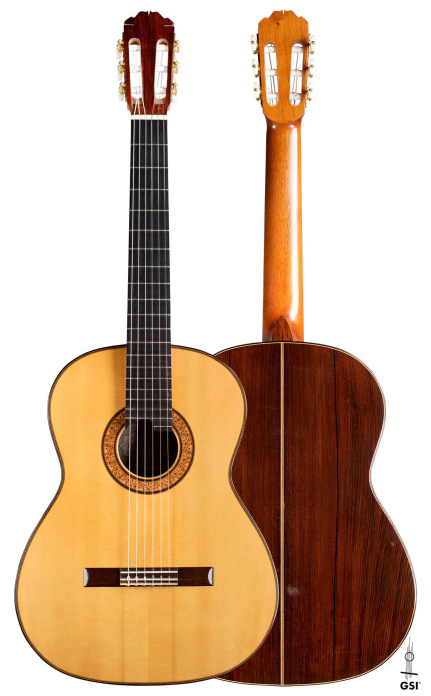
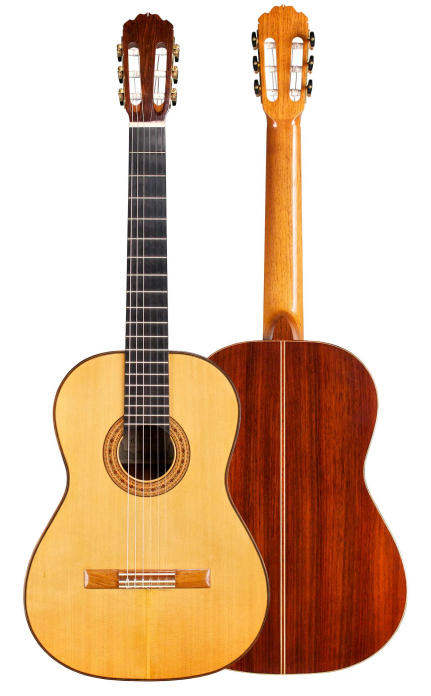
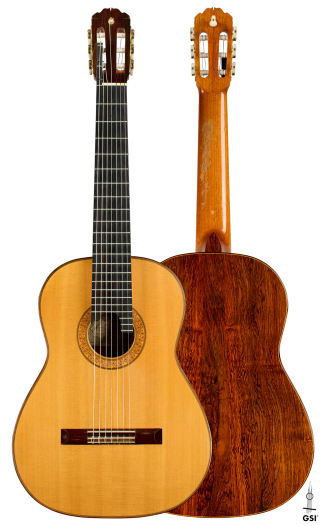
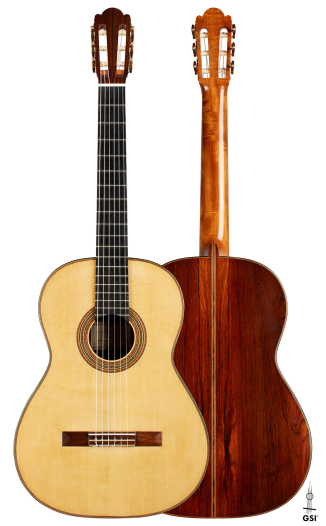
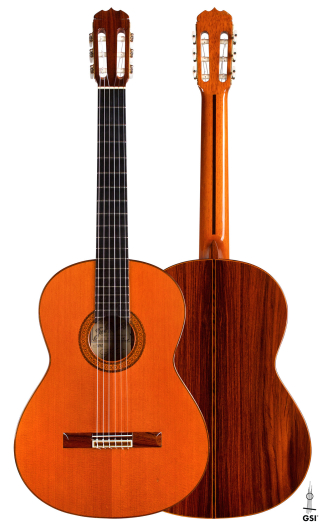
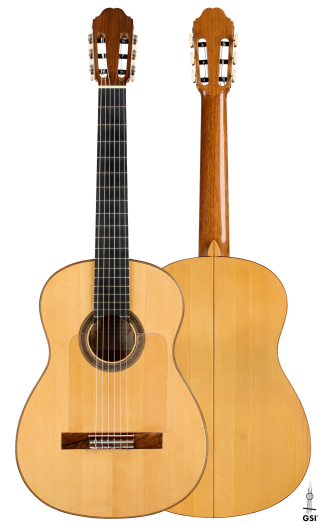
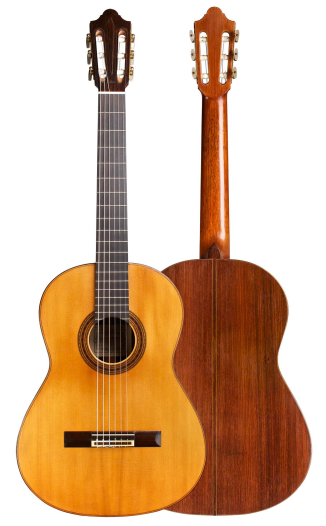
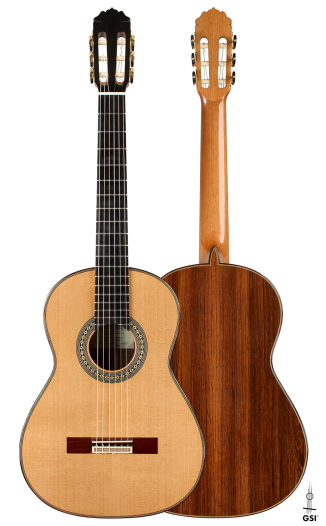
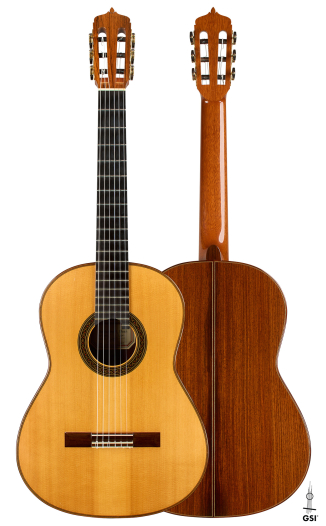
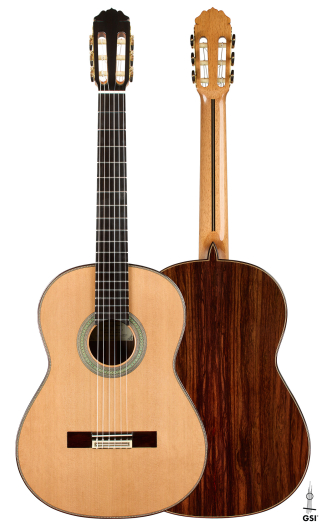
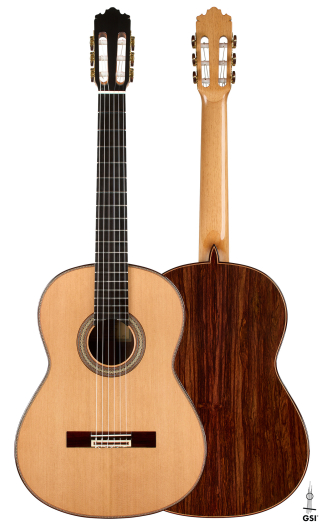
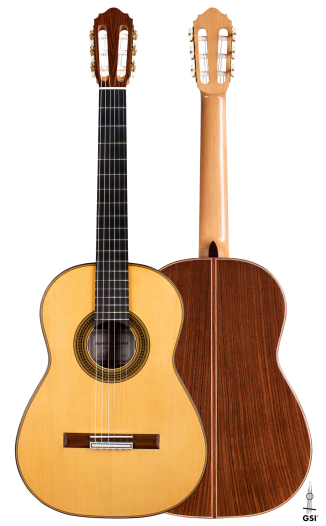
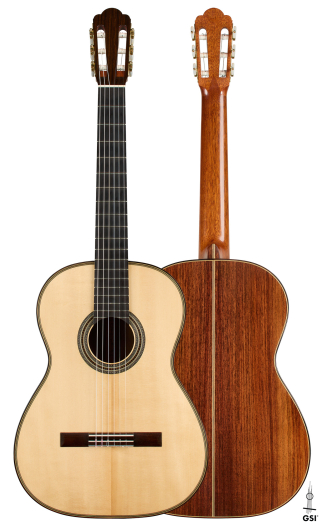
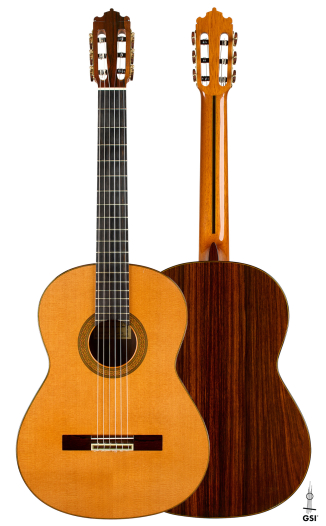
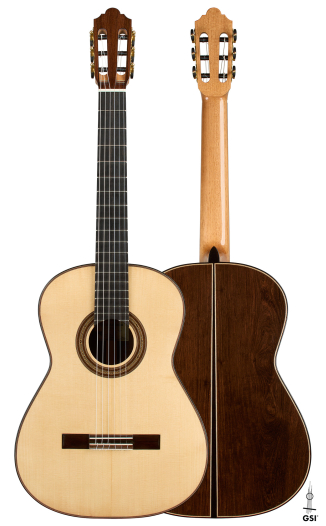
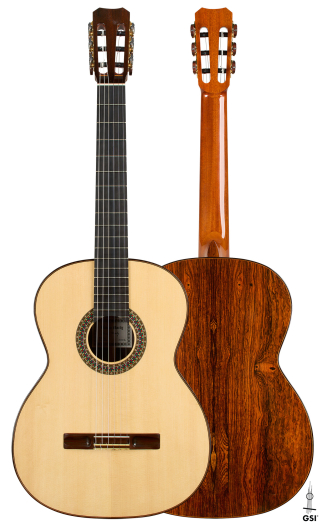
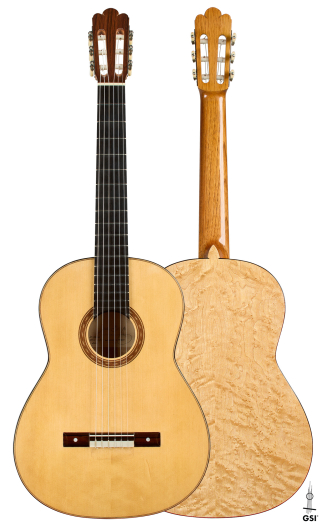
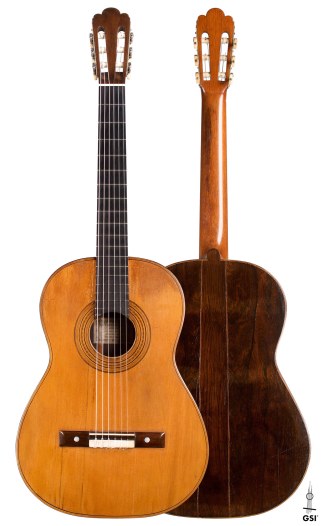
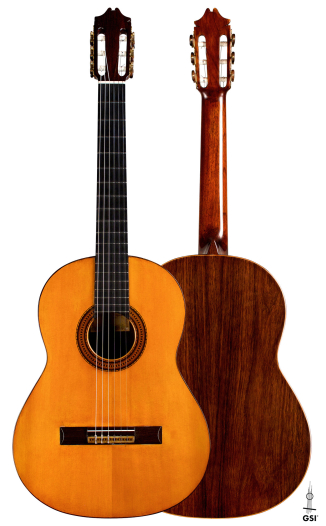
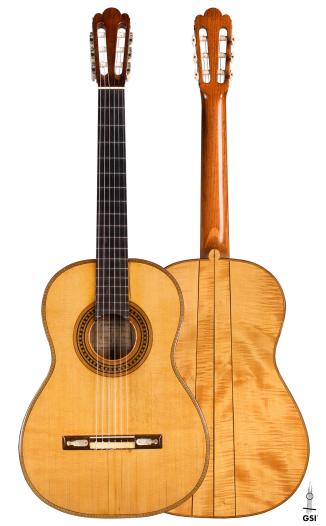
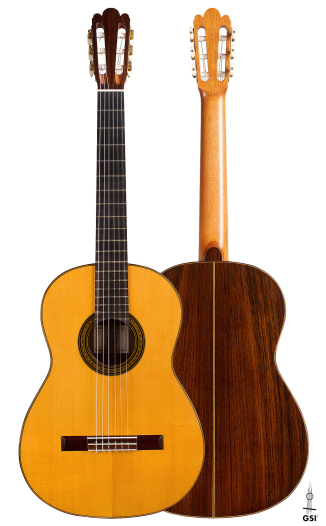
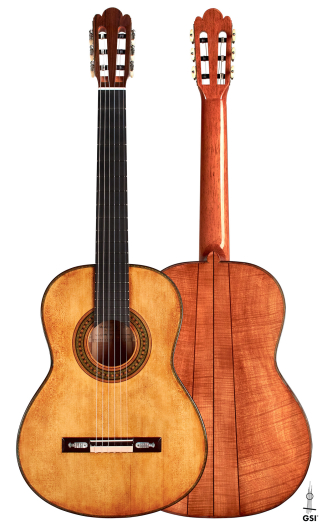
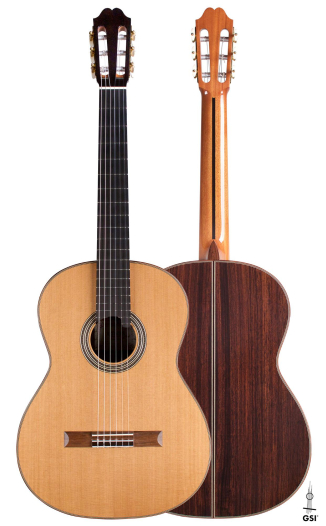
I first met Tom Humphrey in 1981 at the Segovia Masterclass in Los Angeles. Our Quartet - then The USC Guitar Quartet - was formed at USC in 1980 under the direction of Pepe Romero and for the Segovia class, we all got to play for the legendary Maestro.
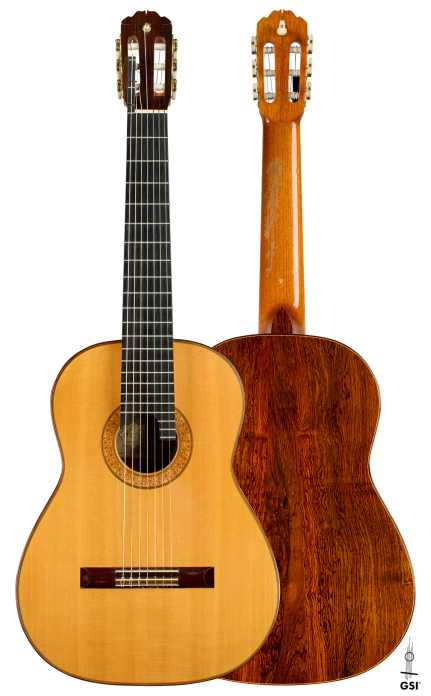
The next year we made our New York debut on the D’Addario series at Merkin Hall. Tom had taken a great interest in the Quartet and some or all of us stayed at his apartment on the Upper West Side and thus began a long - and intense! - relationship between Tom and I. Tom always had LOTS of opinions about everything from literature to painting, sports, culture, politics.. and was especially opinionated about the state of the classical guitar and the choices players and promoters were making: repertoire; PR; record labels; career choices. At one point in, the mid-eighties, he suggested that the Quartet should have one guitar with an extended low end and a guitar with an extended upper end. None of the others wanted to have to deal with a soprano guitar but I liked the idea of an instrument with a low end. Tom wanted to build an 8-string: they were somewhat common at that time due to the influence of of Jose Tomas, the great master who was Segovia’s assistant in the legendary Santiago classes of the 60’s and 70’s, and who was a very influential teacher in his own right. But after thinking about it for some time, I became pretty concerned about introducing too many extra strings, and their respective added resonance, into a group that already had 24 strings and had to deal with issues of clarity. So I suggested a 7-string guitar, which had substantial precedence in Jazz guitar, Brazilian guitar music and even in classical and folkloric Russian music. So we went forward.
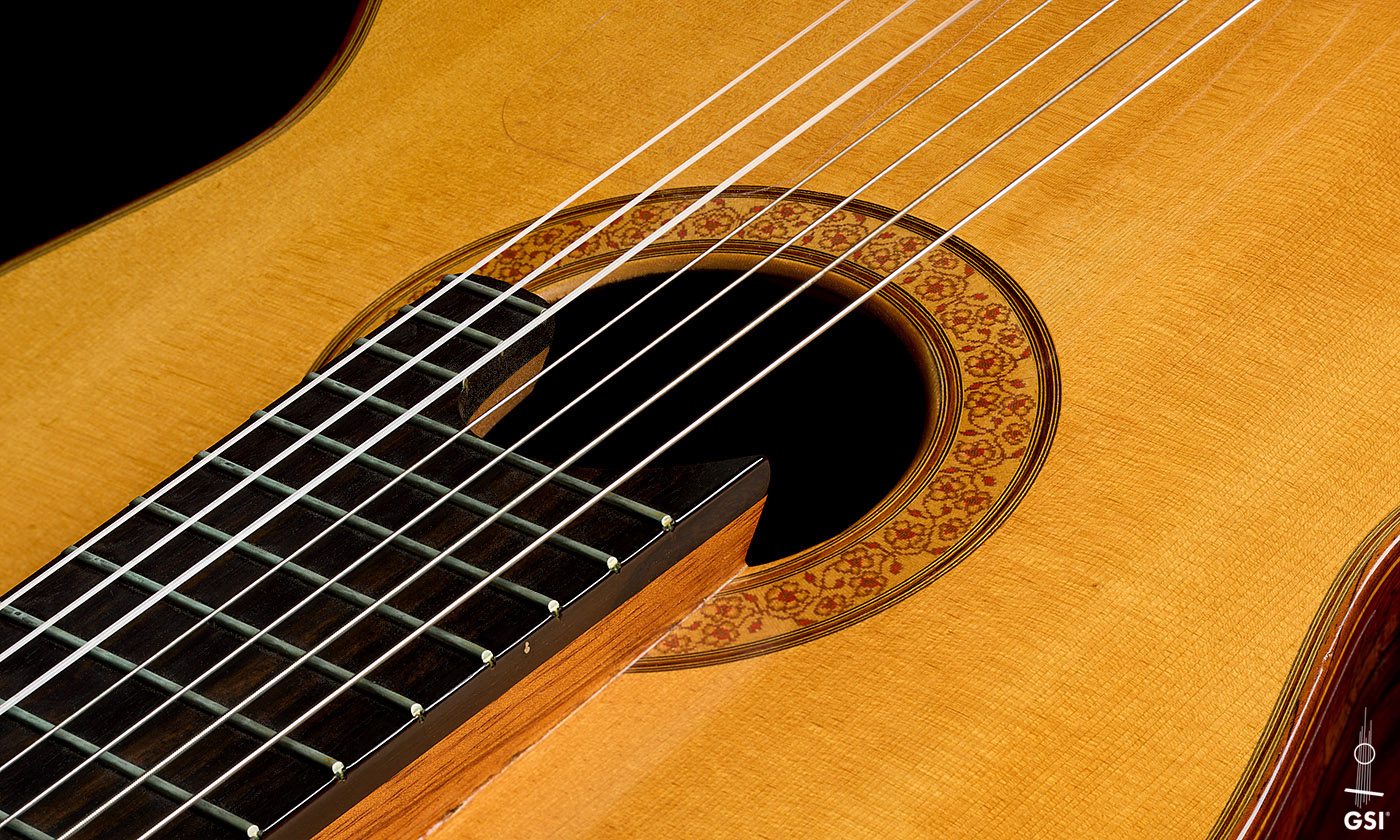
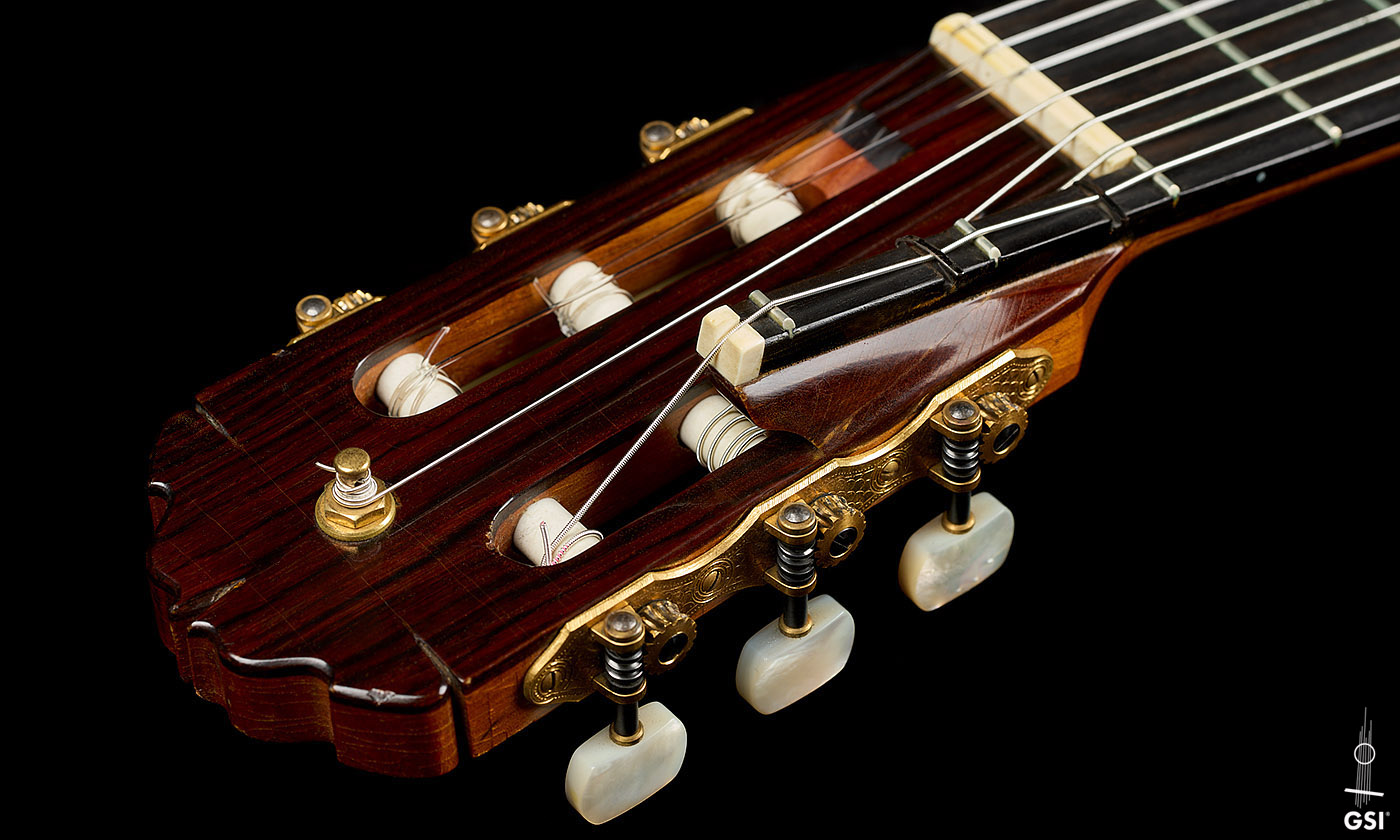
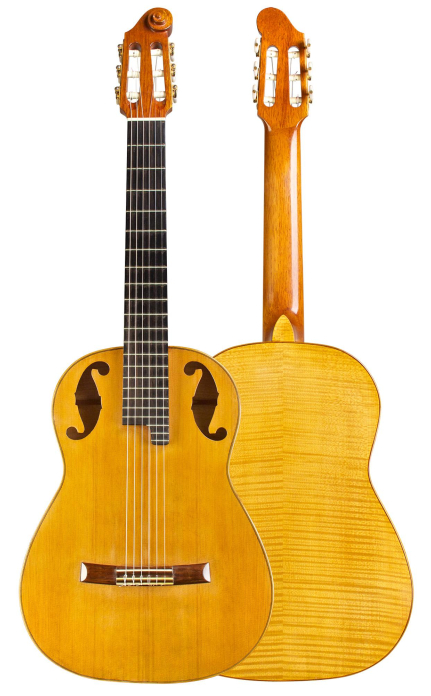
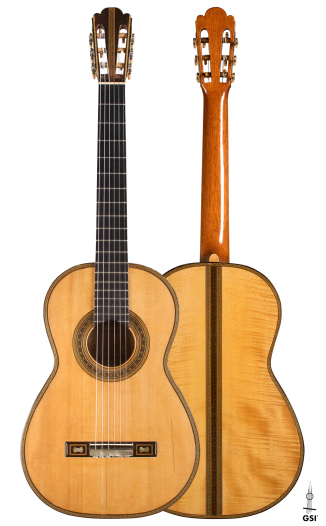
Tom had just started building his innovative and influential Millennium models so of course that would be the basic design. But he also came up with another very insightful idea: the bass extension. This was inspired by the fingerboard extensions that pre-existed in concert double bass string instruments. The idea being that the very lowest string on an instrument could greatly benefit by having a longer scale length as the lower string tension caused by being tuned so much lower, would be offset by a longer scale length - which increases string tension. So this was the key to the design. The bonus benefit, which I only discovered after actually playing the guitar for a bit, was that with the 7th tuned to low A, because that open string was at fret negative 2 - zero being the nut - all of the notes on the 7th above the nut would maintain the same interval relationship with the 6th string - a perfect 4th - as most of the rest of the string pairs on a guitar. Whereas without the extension - that is if the 7th string ended at the nut along with all of the other strings - and the 7th was tuned to A, the relationship between the 6th and 7th strings, at any given fret, would be that of a perfect 5th. Which can be a little awkward, especially when playing scales/linear passages between 6 and 7. (Think about when you’re in D-tuning on a string guitar and you have to play scale-wise transitioning from 6 to 7 - slightly awkward!)
I realize this is hard to capture in words but a minute on the instrument makes it all quite clear!
So began a new era in our guitar quartet and we put the new expansion of the group’s range to good use. There were two especially important effects: in orchestral arrangements we now had a significantly expanded range in which to capture the enormous range of original orchestrations. And secondly, as the quartet gradually was expanding the range of our repertoire into jazz, pop, and music from world cultures, we now had a dedicated bass guitar which could provide a clear and distinct bass part (eg the Chilean and African pieces that we arranged as well as jazz and rock-like stuff).
Which brings me back to this 1988 Guitar. Besides the many hundreds of concerts in which I played it, for more than a dozen years and all over the world - London, Paris, Madrid, Berlin, Tokyo, Istanbul, Hong Kong, Manilla, to name a few - the guitar is nicely featured on the following LAGQ albums:
The Los Angeles Guitar Quartet “Recital”- 1991 GHA
Dances from Renaissance to Nutcracker - 1992 Delos
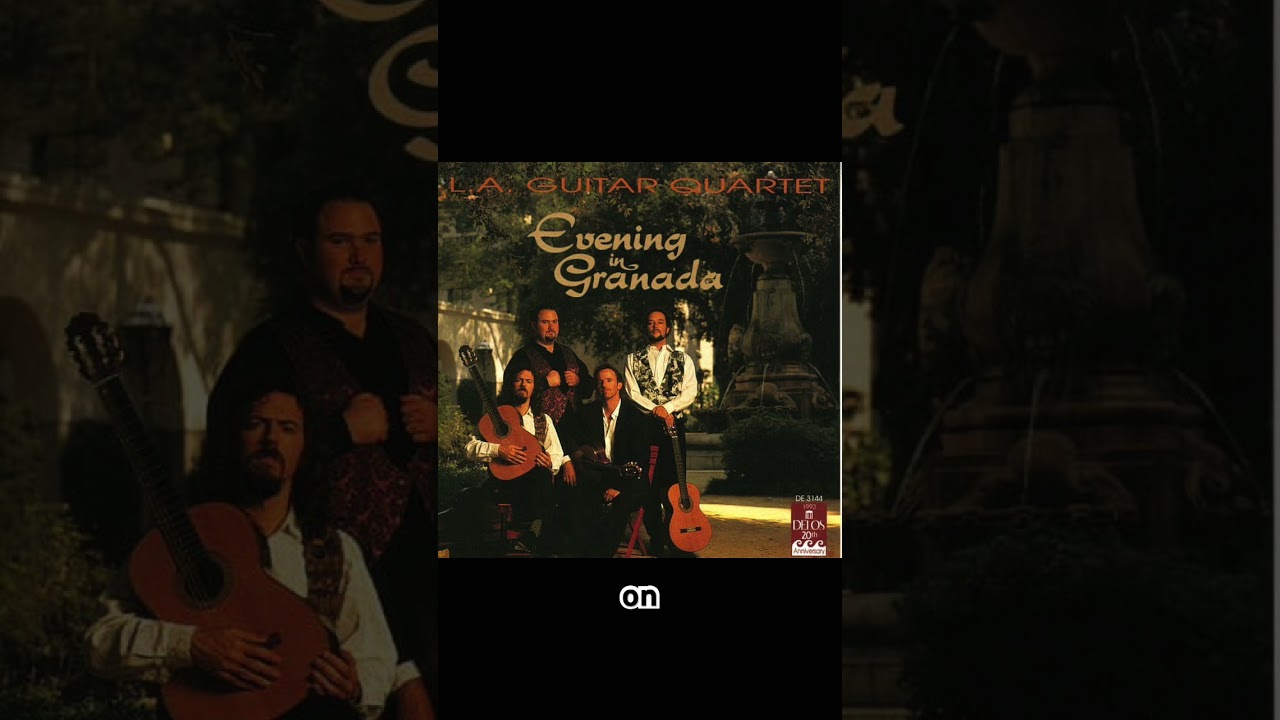
Evening in Granada - 1993 Delos
Labyrinth - 1995 Delos
For Thy Pleasure - 1996 Delos
The keen-eyed will notice on the label “For Leslie”. Tom was a real romantic and he had a new girlfriend, Leslie, and I think he was particularly proud of this new amazing instrument. When I came out to pick up the guitar and looked inside, my reaction was "what the heck!" (I hadn’t met Leslie). But that was Tom, a real iconoclast, and very independently minded.
- John Dearman, November 2025




 Monthly payment plans available