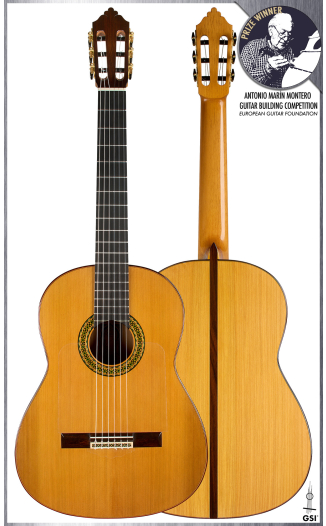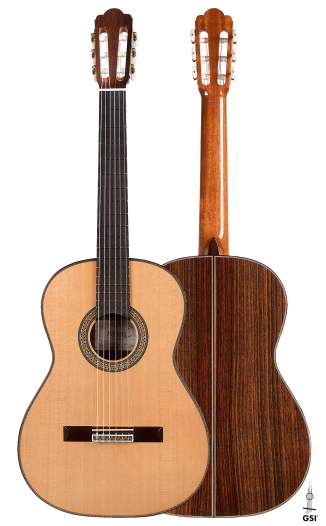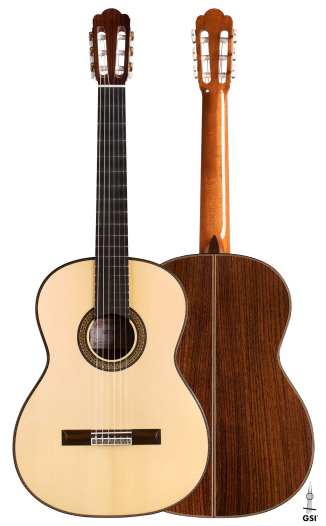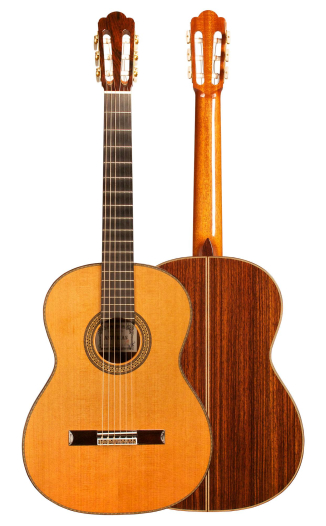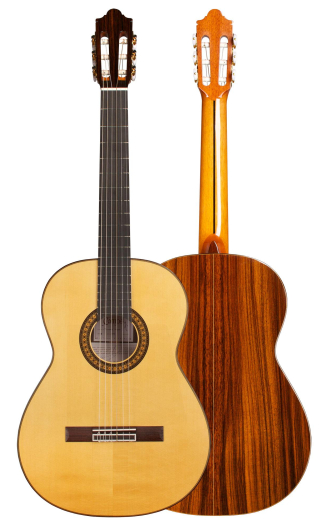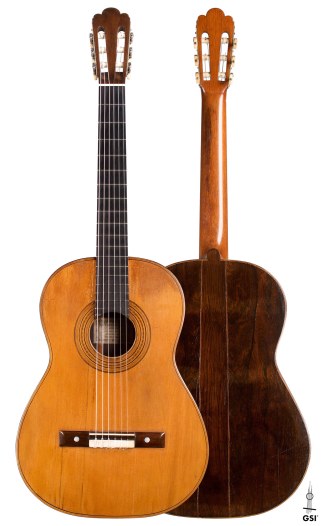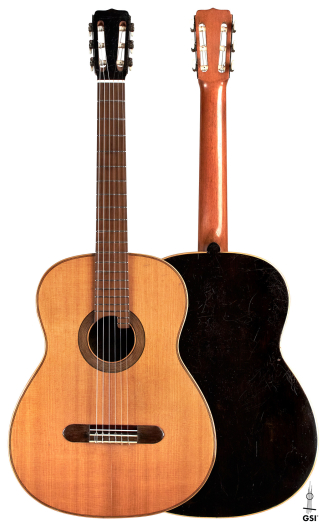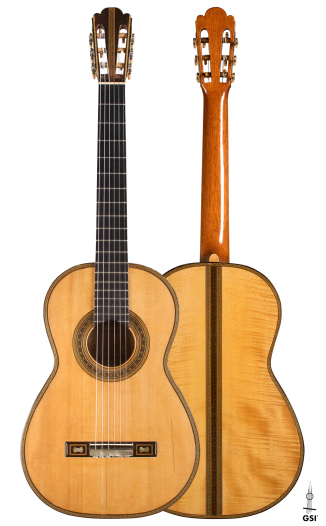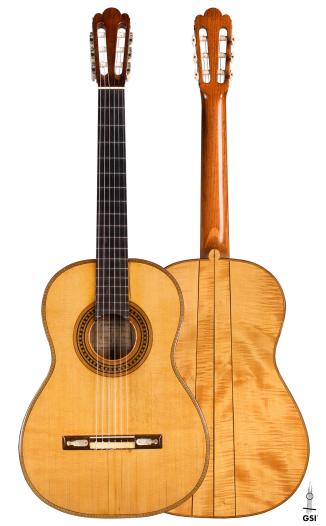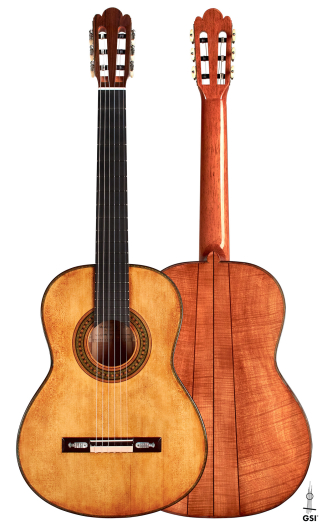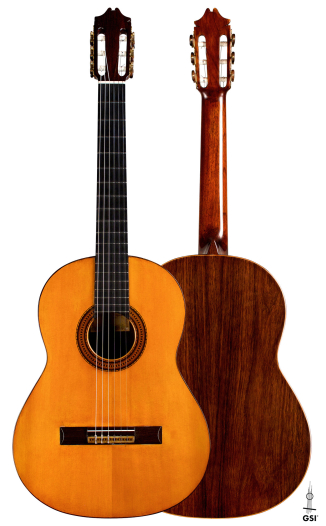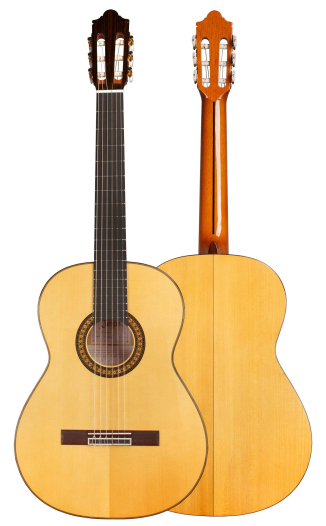
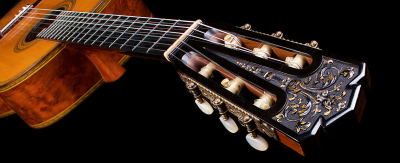





2026 Emilio Díaz Valero "Torre de la Vela 7" CD/CY
| Year | 2026 |
| Top | Cedar |
| Back & Sides | Cypress |
| Scale Length | 650 mm |
| Nut width | 52 mm |
| Finish | French Polish |
| Top Construction | Traditional |
| Bracing | Seven fans |
| Body resonance | E |
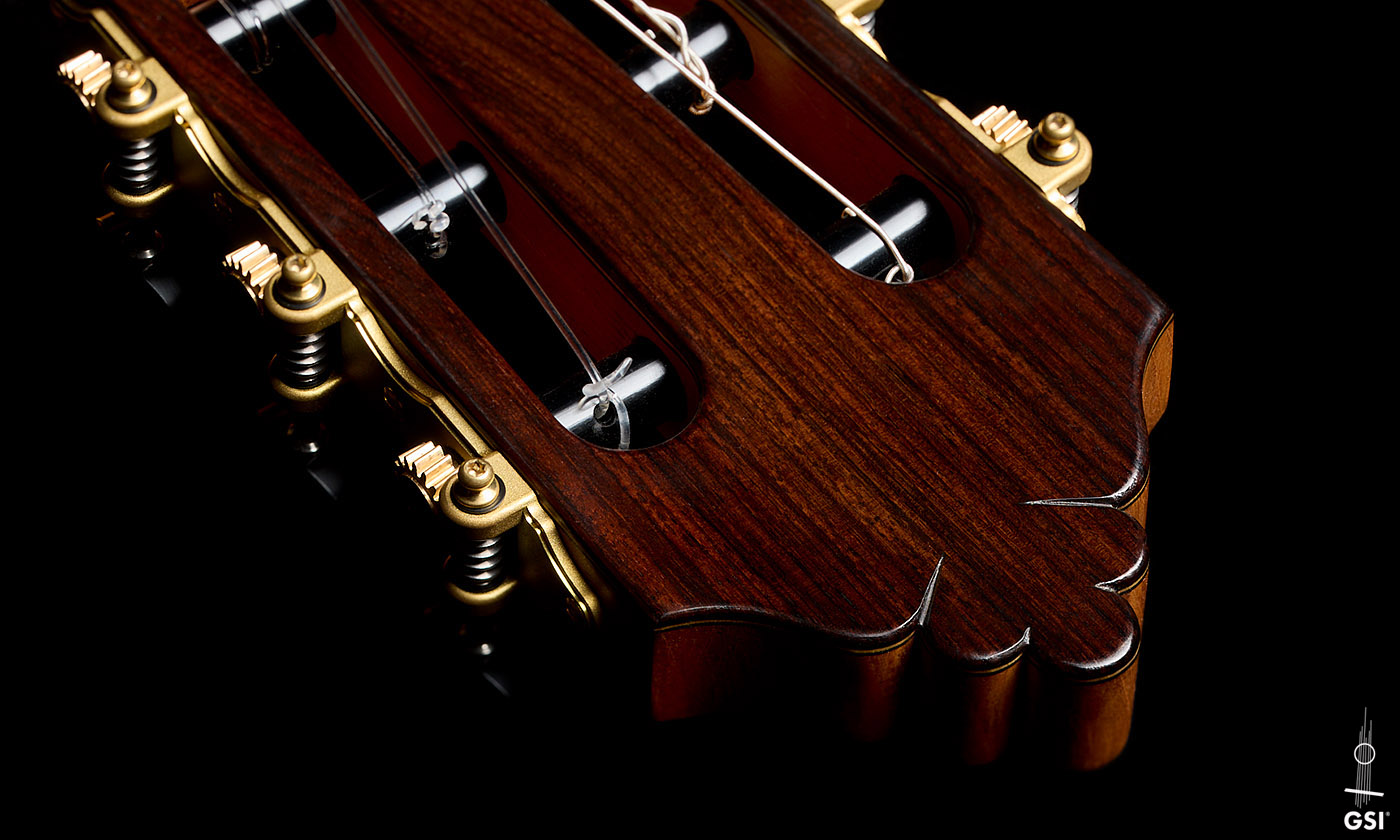
| Tuners | Kraken |
| Weight | 2.95 lbs/1,338 grams |
| Condition | New |
| Country | Spain |
| Case | Grey Cibeles Hardshell |
| Exchange | ExchangePlus |
$7,000.00
Applicable sales tax and shipping charges will be added at checkout.
Details

Description
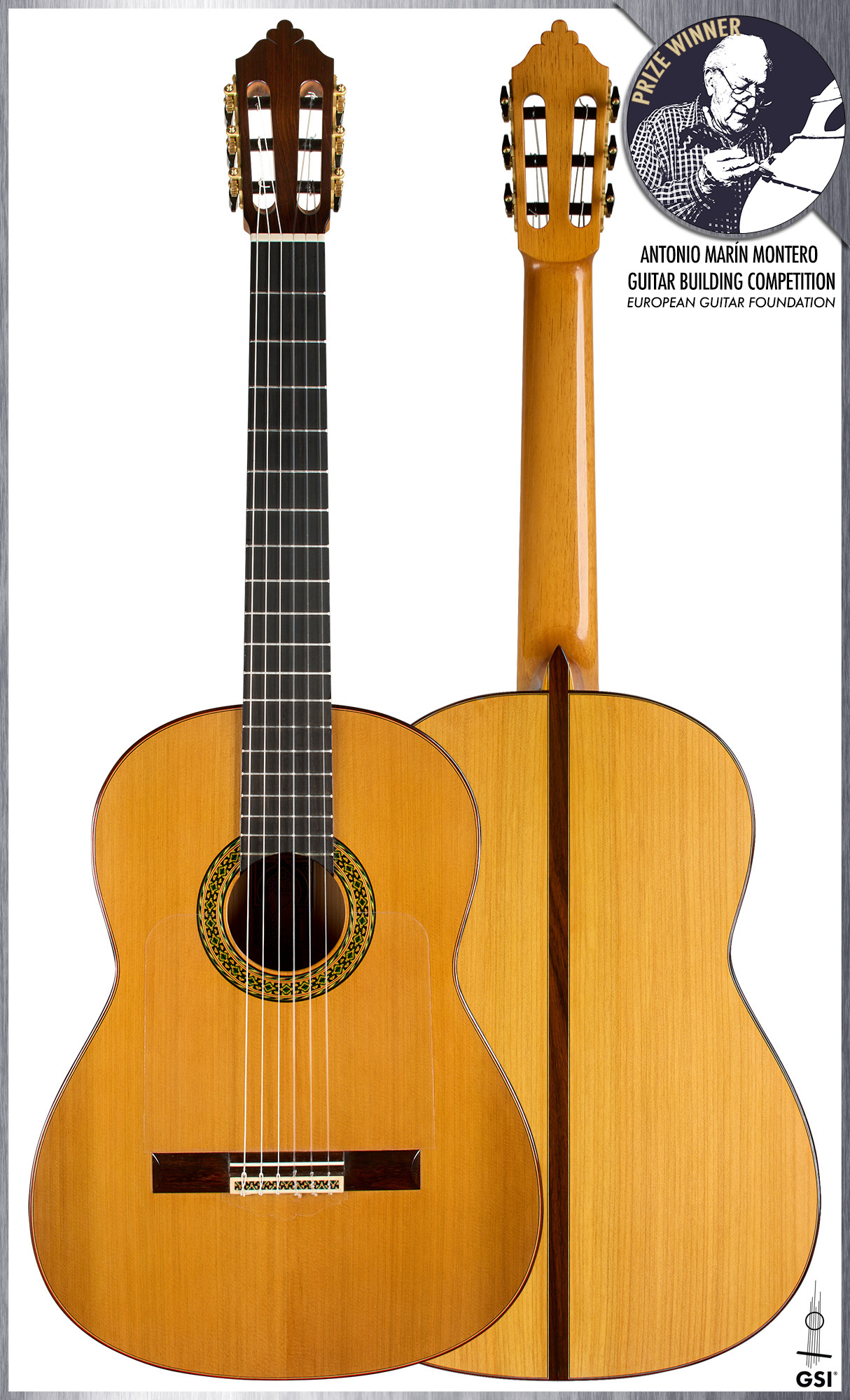
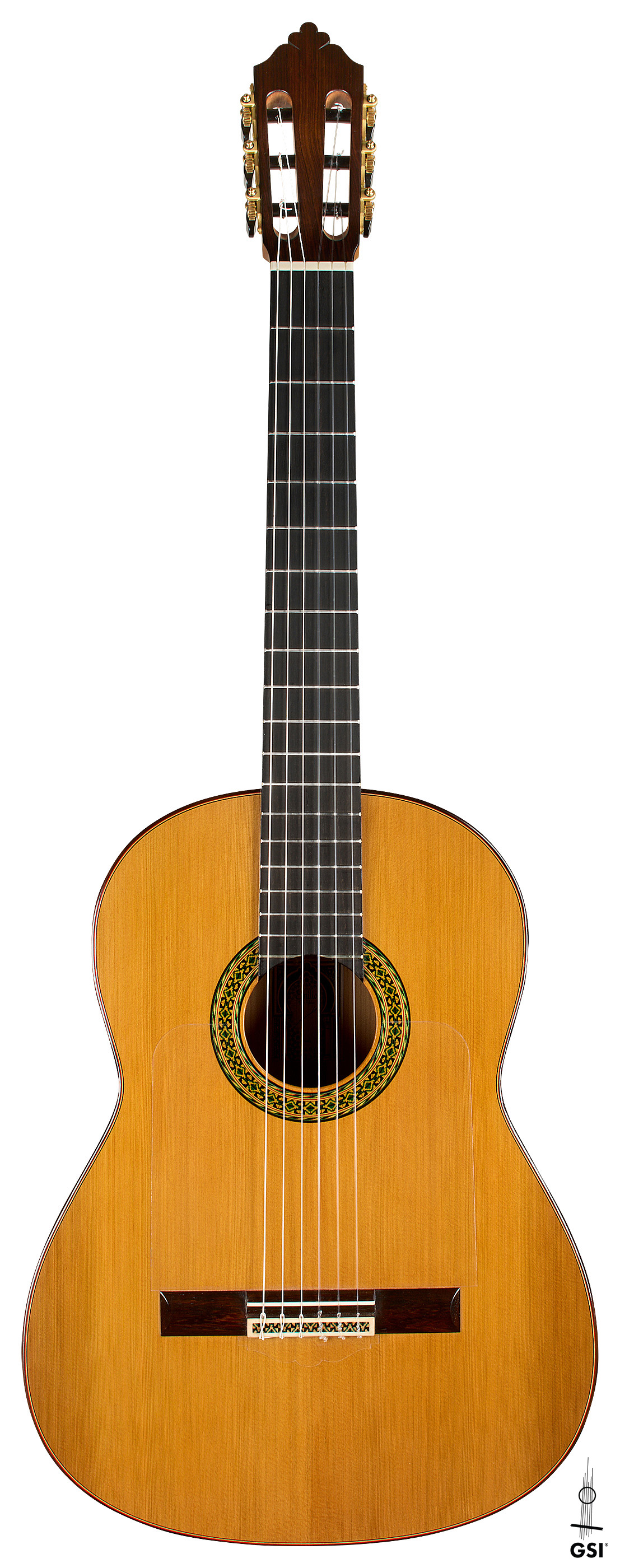
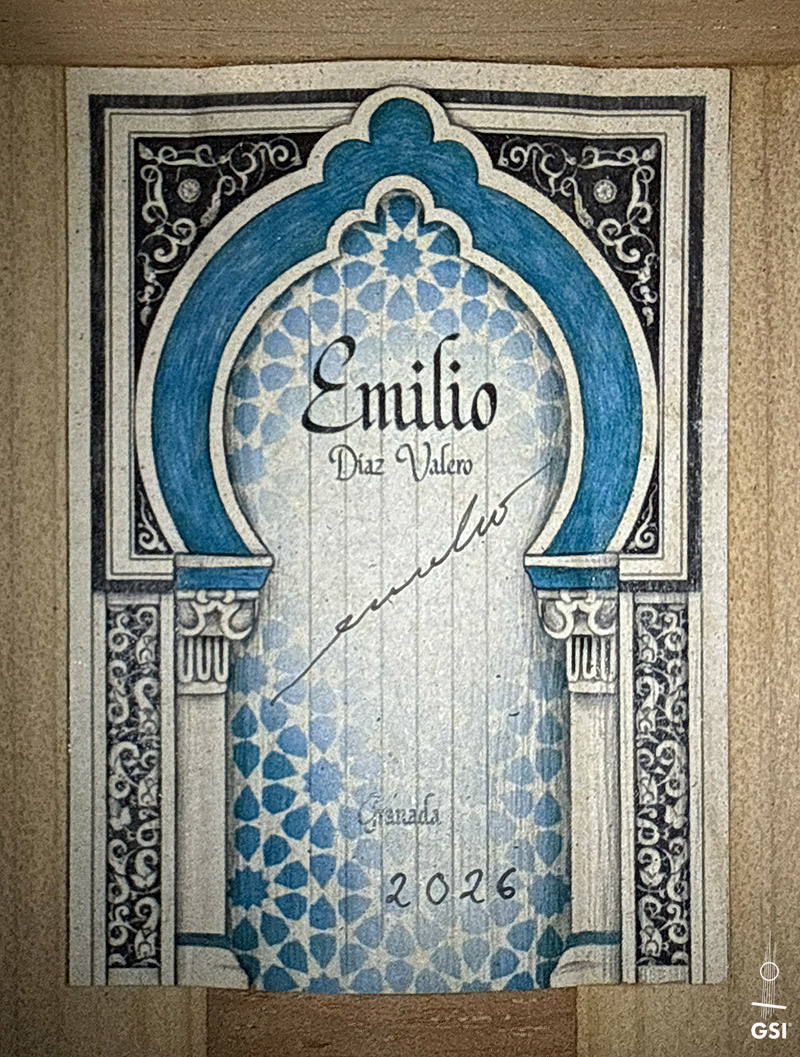
We first met Spanish guitar builder Emilio Díaz Valero at the ninth Antonio Marin Montero Guitar Making Competition held in Granada, Spain in July/August, 2026, where he took second prize for his flamenco guitar. The guitar we present here is the ACTUAL winning flamenco guitar from this very event. Built in Granada, Spain, this remarkable flamenco guitar was conceived as a special model for the International Antonio Marín Montero Guitar Making Competition. Named “Torre de la Vela 7” after the famous tower of Granada’s Alhambra, the instrument is very much a product of the city in which it was made, combining traditional Granadan construction methods with several of Díaz Valero’s own ideas about the modern concert flamenco guitar.
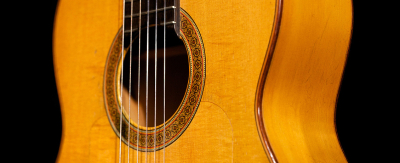
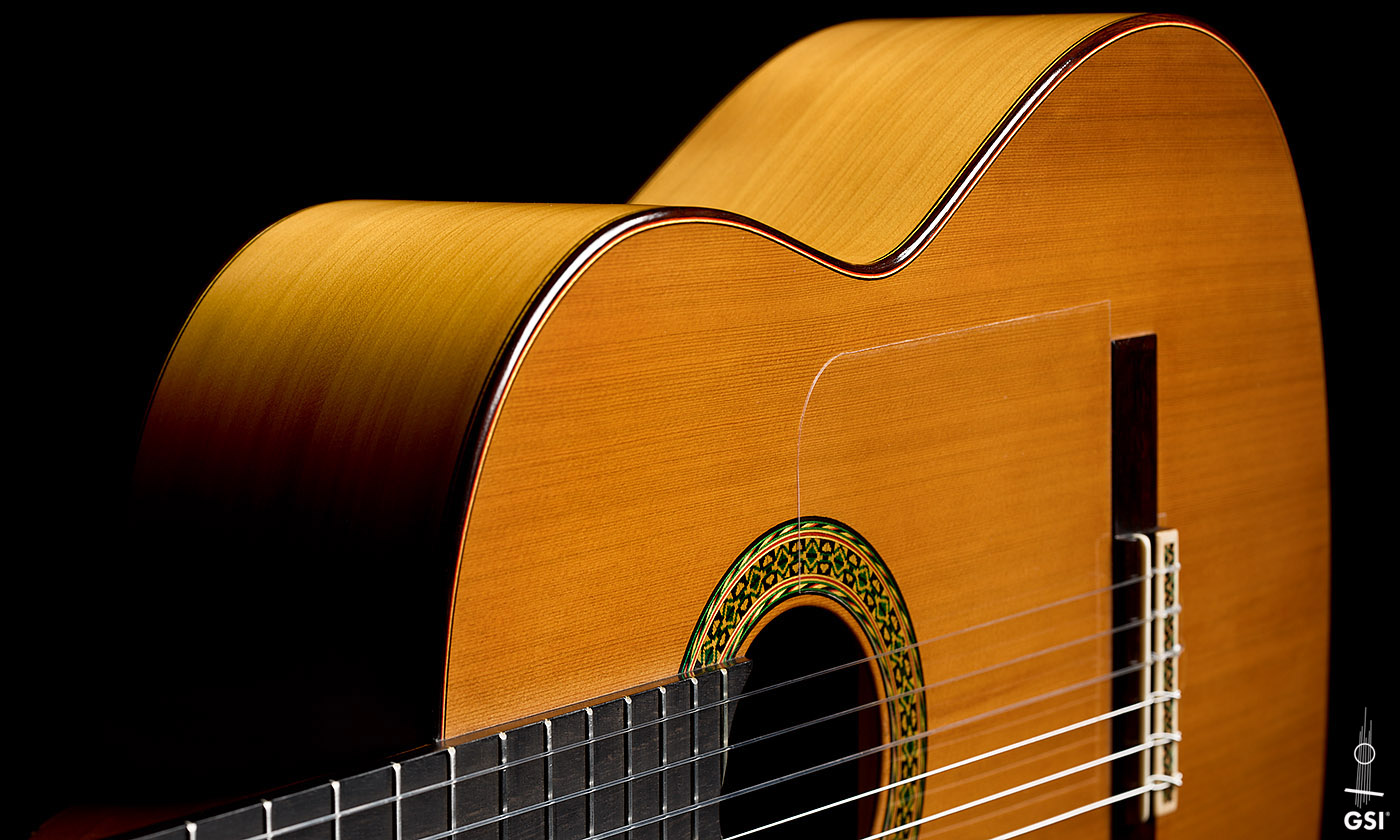
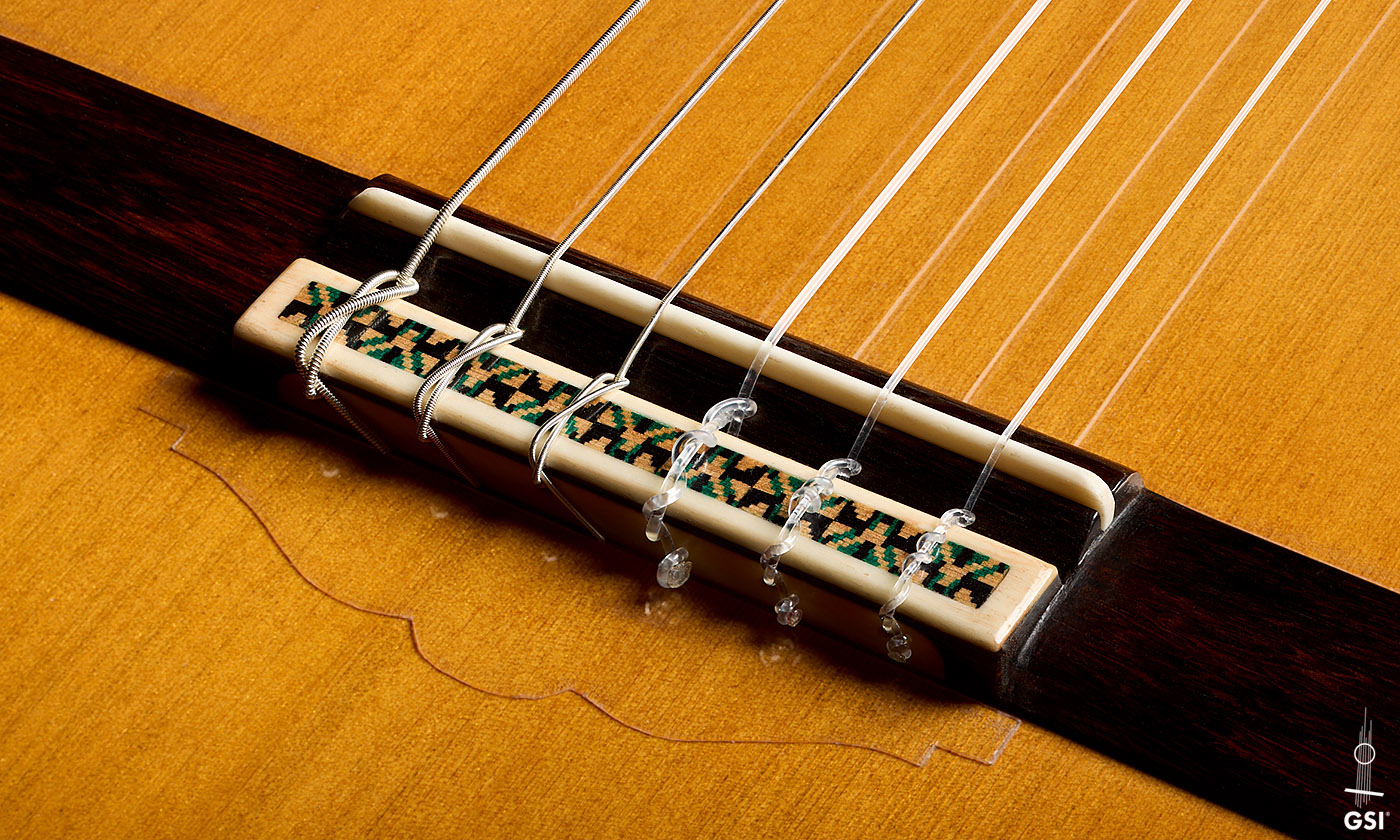
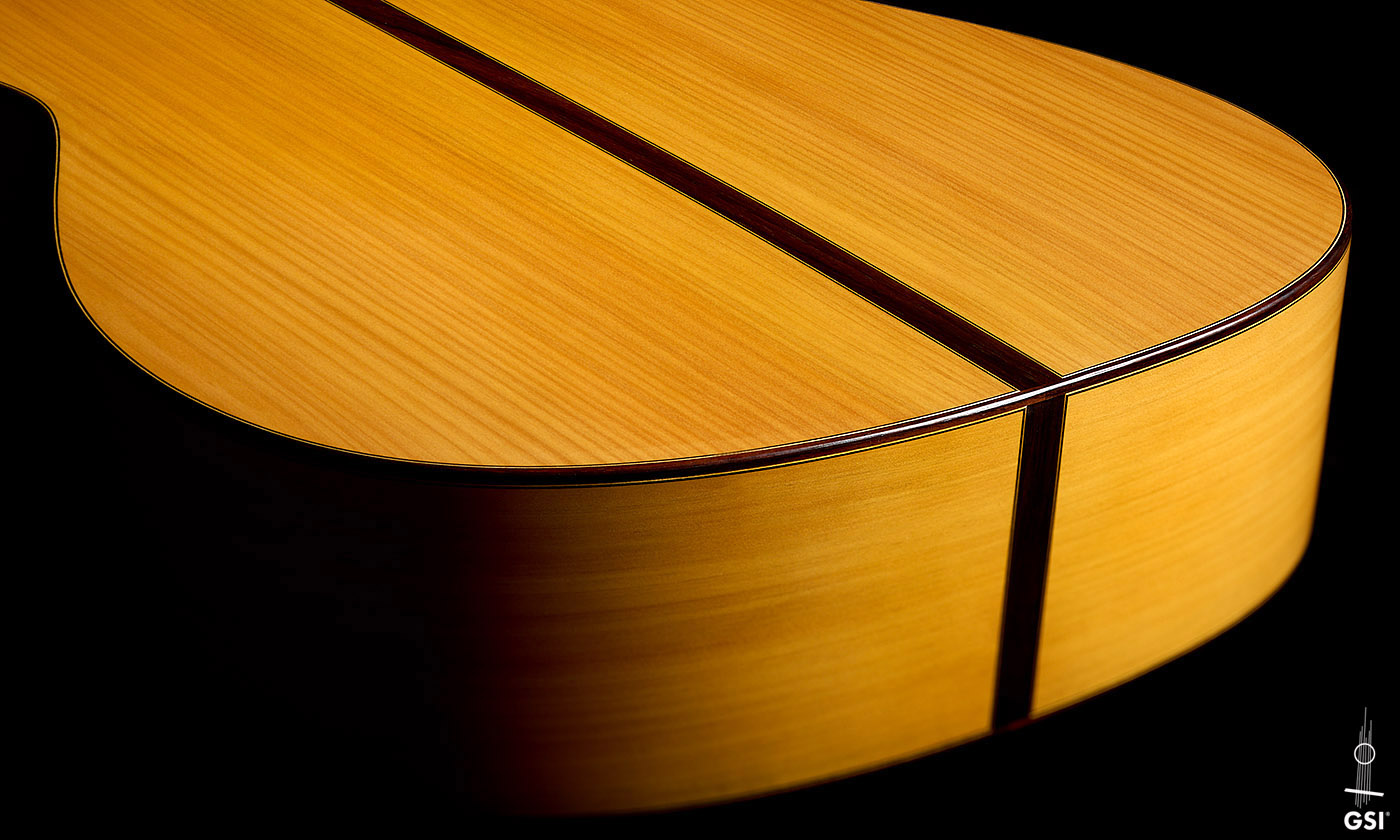
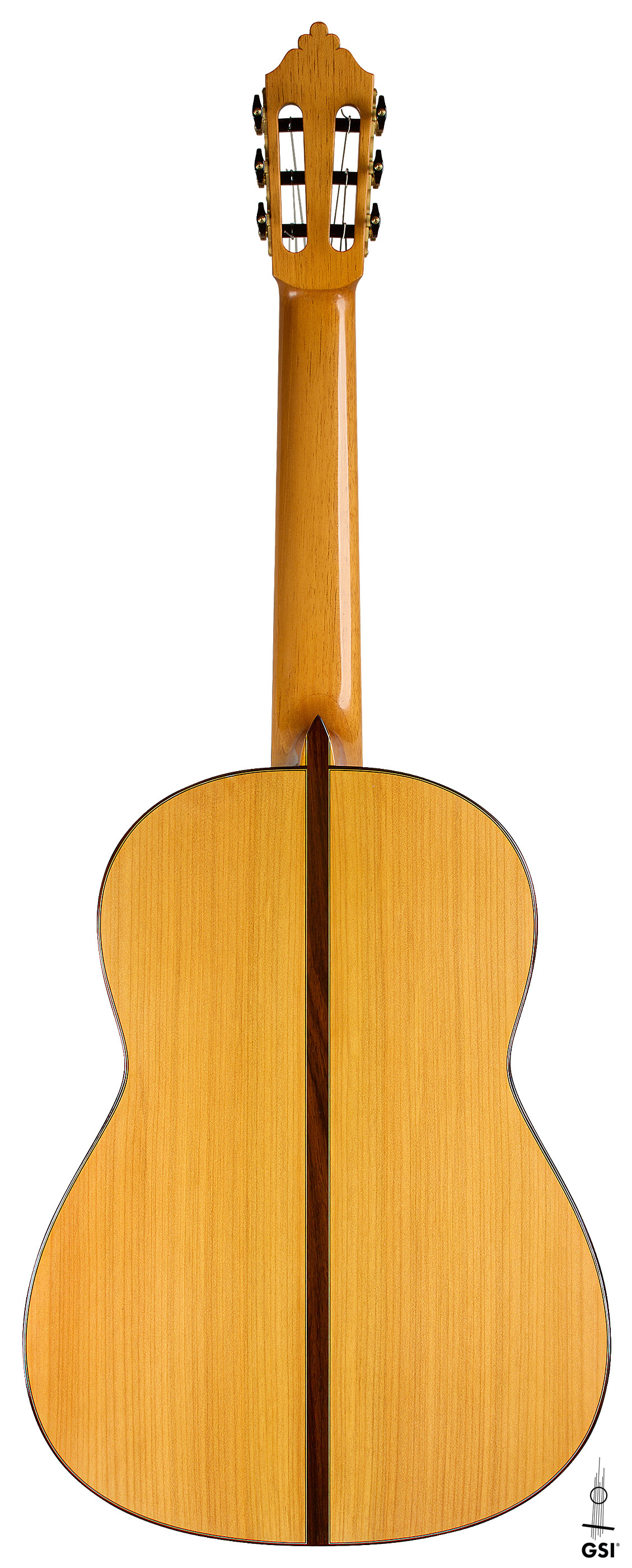
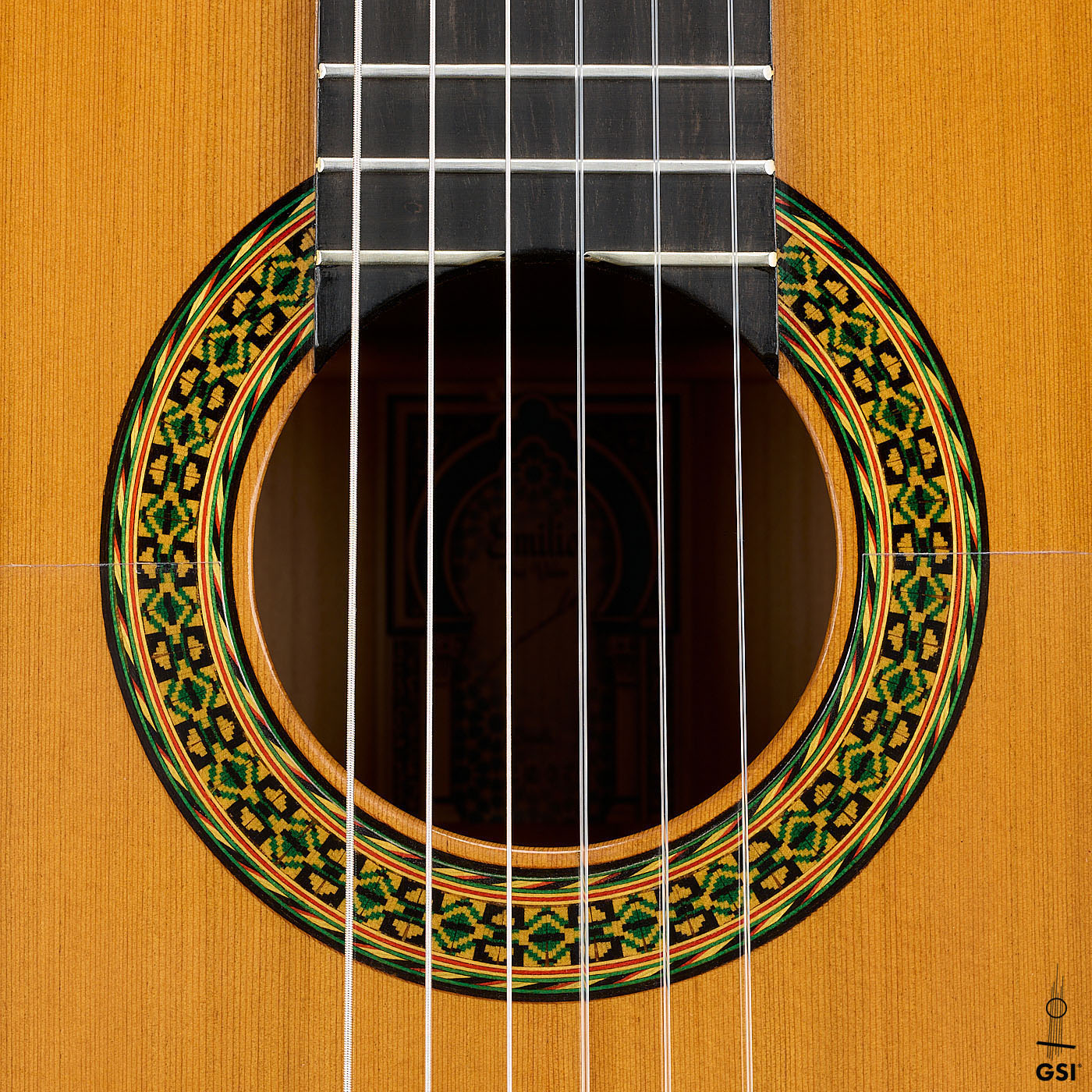
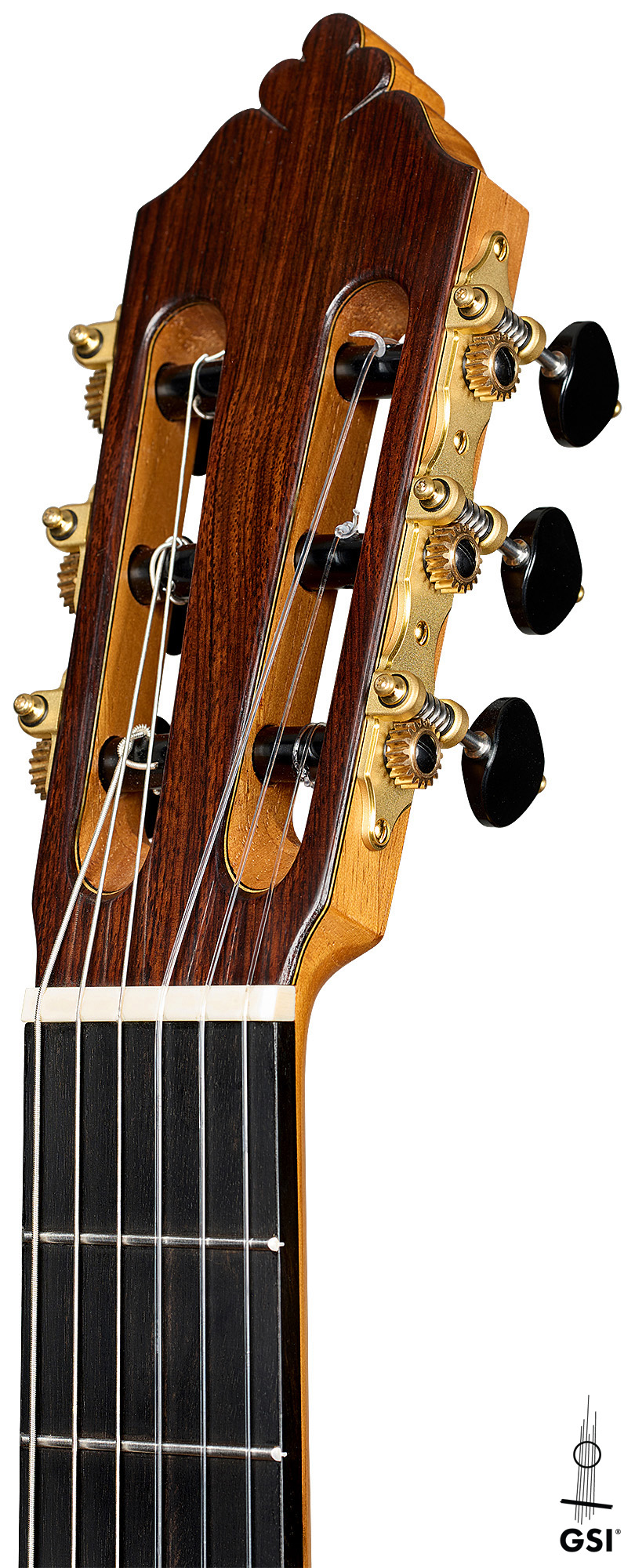
The materials are classic for a flamenca blanca, with Spanish cypress used for the back and sides and cedar for the soundboard. The neck is Honduran cedar with an ebony fingerboard, while the bridge is rosewood. The entire instrument is traditionally French polished by hand, preserving the lightness and responsiveness so important to a fine flamenco guitar. Perhaps its most distinctive visual feature is the extraordinary handmade rosette and matching bridge tie-block decoration. Rather than borrowing a conventional marquetry design, Emilio found his inspiration in an object familiar throughout Andalusia: the woven seat of the traditional silla de enea, or rush-seated chair. Its simple geometric weave is transformed at the scale of the rosette into an intricate mosaic of turquoise, ivory and deep garnet tones. The resulting pattern has an unmistakably "Granadan" character and recalls the dazzling geometric tilework of the Alhambra. It is a particularly charming detail, taking something humble and commonplace in Andalusian life and elevating it into one of the guitar’s most refined decorative elements.
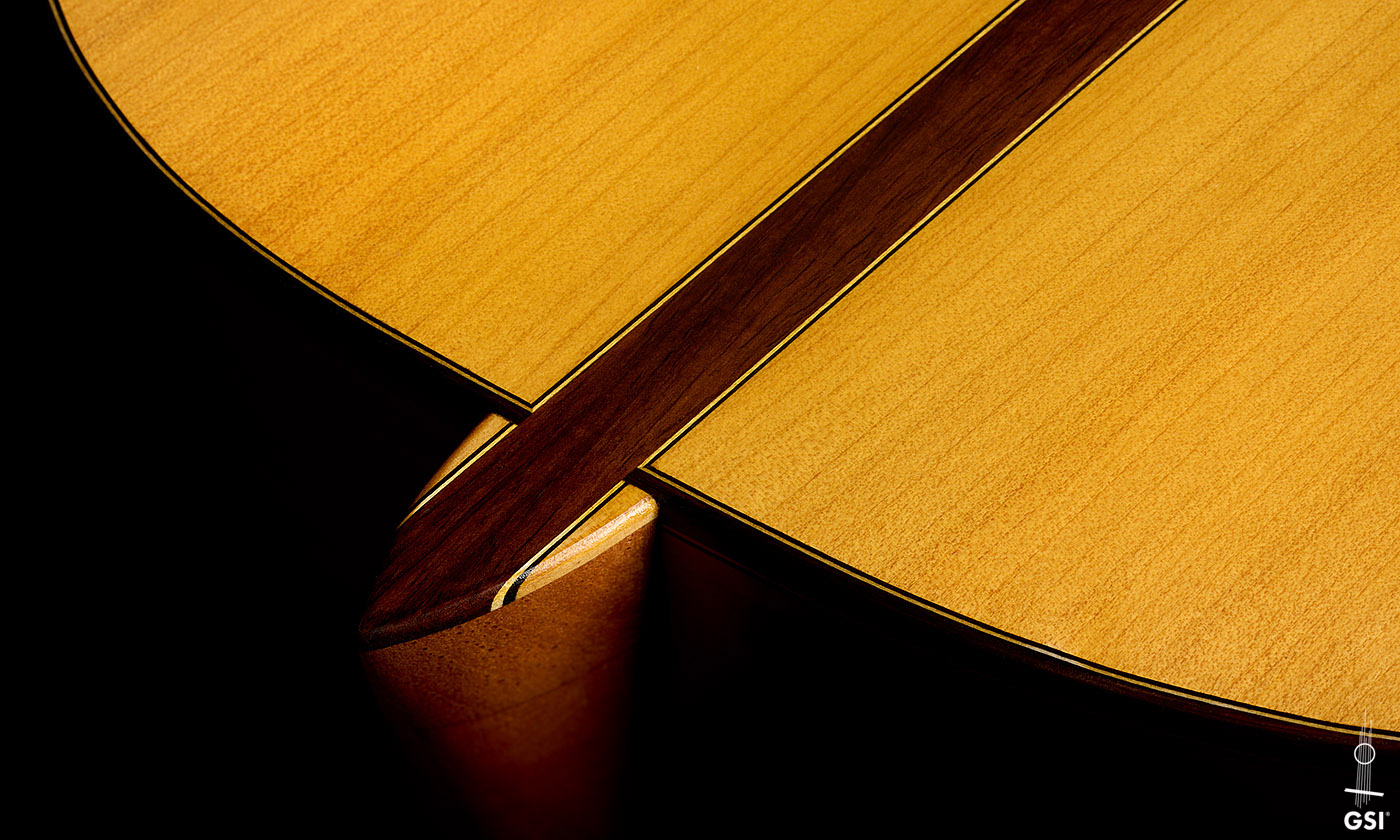
Internally, the bracing system begins with the tradition of Antonio de Torres but is modified to Emilio's taste. The soundboard employs seven fan braces arranged in a “V,” together with two closing braces. According to the maker, the V-shaped arrangement was developed not simply in pursuit of volume, but to broaden the instrument’s tonal palette by allowing greater freedom of movement toward the outer portions of the soundboard while maintaining greater control through its center. The intention is a clear separation of voices, with deep, rounded basses, woody mids and brilliant trebles, while retaining the immediacy and attack expected of a Granada flamenco guitar. The body itself is also noticeably deeper than that of a traditional flamenca, measuring approximately 9.5 cm at the heel and 10 cm at the lower bout. Emilio arrived at these proportions in part through his experience and conversations with leading concert flamenco players, including Gerardo Núñez and Álvaro Martinete. The increased internal air volume is intended to provide greater resonance, sustain, projection and bass response – qualities increasingly demanded of flamenco guitars used in large concert settings – without sacrificing the quick response and characteristic edge of Spanish cypress. Construction is thoroughly traditional in all other respects. It was built using the classic Granadan en peones method, with individual cedar lining blocks fitted one by one, a time-honored technique still associated with the city's great guitar-making tradition.
“Torre de la Vela 7” is therefore a fascinating meeting point between old and new. Emilio openly acknowledges the influence of Torres as well as Granada's extraordinary lineage of makers, including Antonio Marín Montero, Francisco Manuel Díaz, Rafael Moreno, Francisco Muñoz Alba and Juan Manuel García Fernández, while pursuing his own ideas about what a contemporary concert flamenco guitar can be. Lightweight and immediately responsive yet conceived with the projection and tonal breadth required of a modern concert instrument, it is above all a deeply Granadan guitar – in its materials, construction, ornamentation and inspiration. Playability is superb as well which should be no surprise given Emilio's background as a highly trained flamenco player. Overall a superb instrument in every way. We look forward to many more of this maker's guitars in the future!
Background
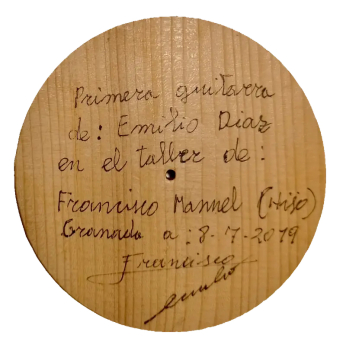
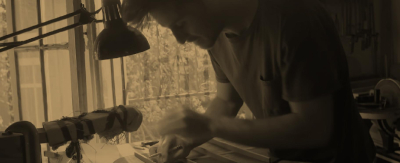
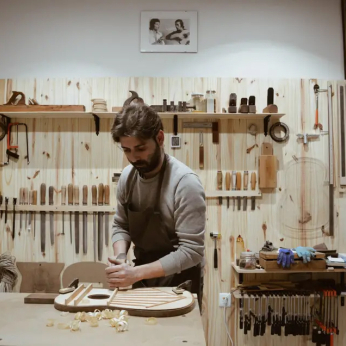
Emilio Díaz Valero was born in Almazora (Castellón) in 1991, a land where the chords of the great and legendary guitarist Miguel Borrull still resonated in the air. He grew up surrounded by music and wood and from a young age, the sound of a well-made guitar seemed to Emilio as more than just sonic vibrations: it was the heartbeat of tradition, the soul of centuries of craftsmanship…
And so his journey with the guitar began as a player and gigging musician with his hands on the strings before files and chisels. From 2012 to 2018, Emilio perfected his playing at the Ángel Barrio Professional Flamenco Guitar Conservatory in Granada. Then, in Córdoba, at the prestigious Rafael Orozco Higher Conservatory where he continued his training until 2022.
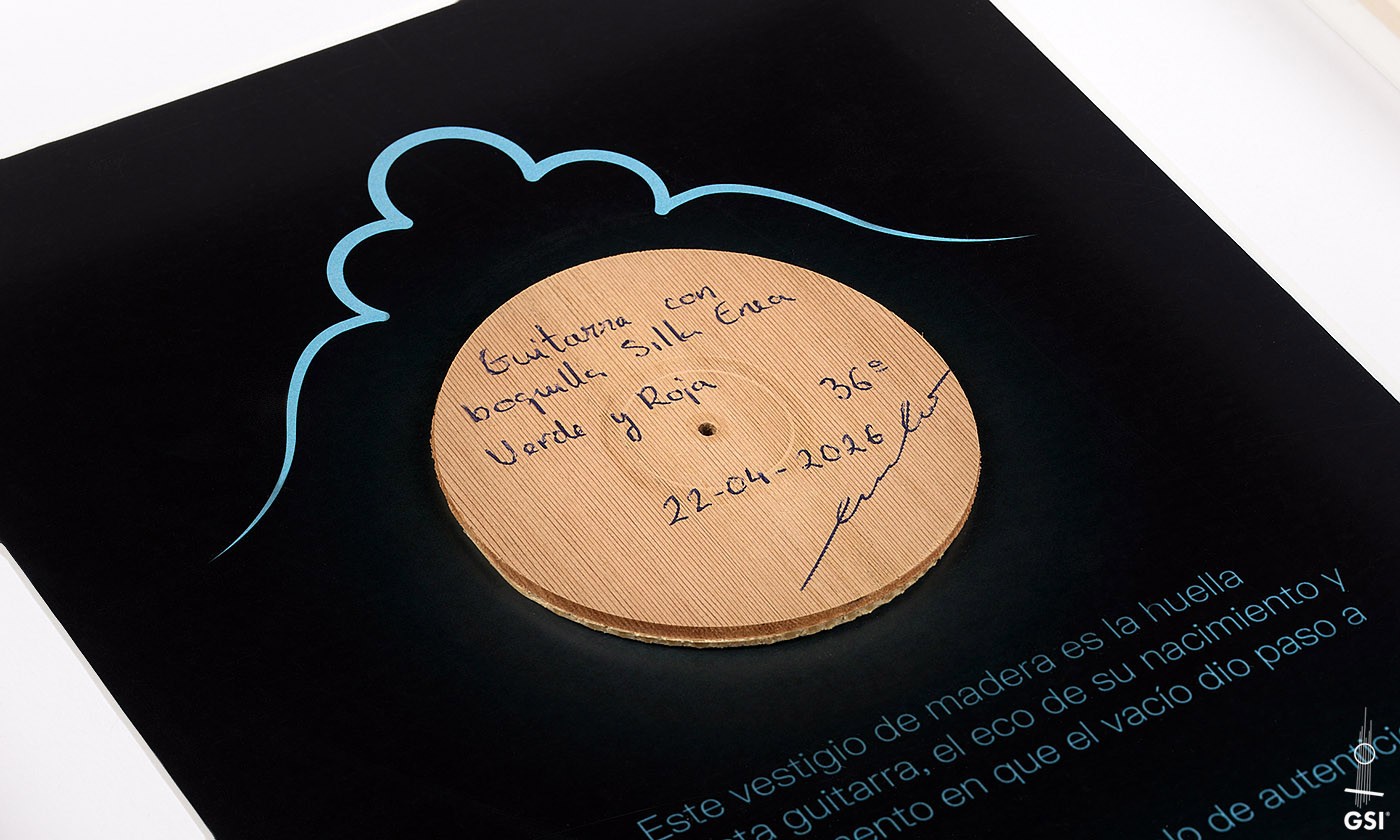
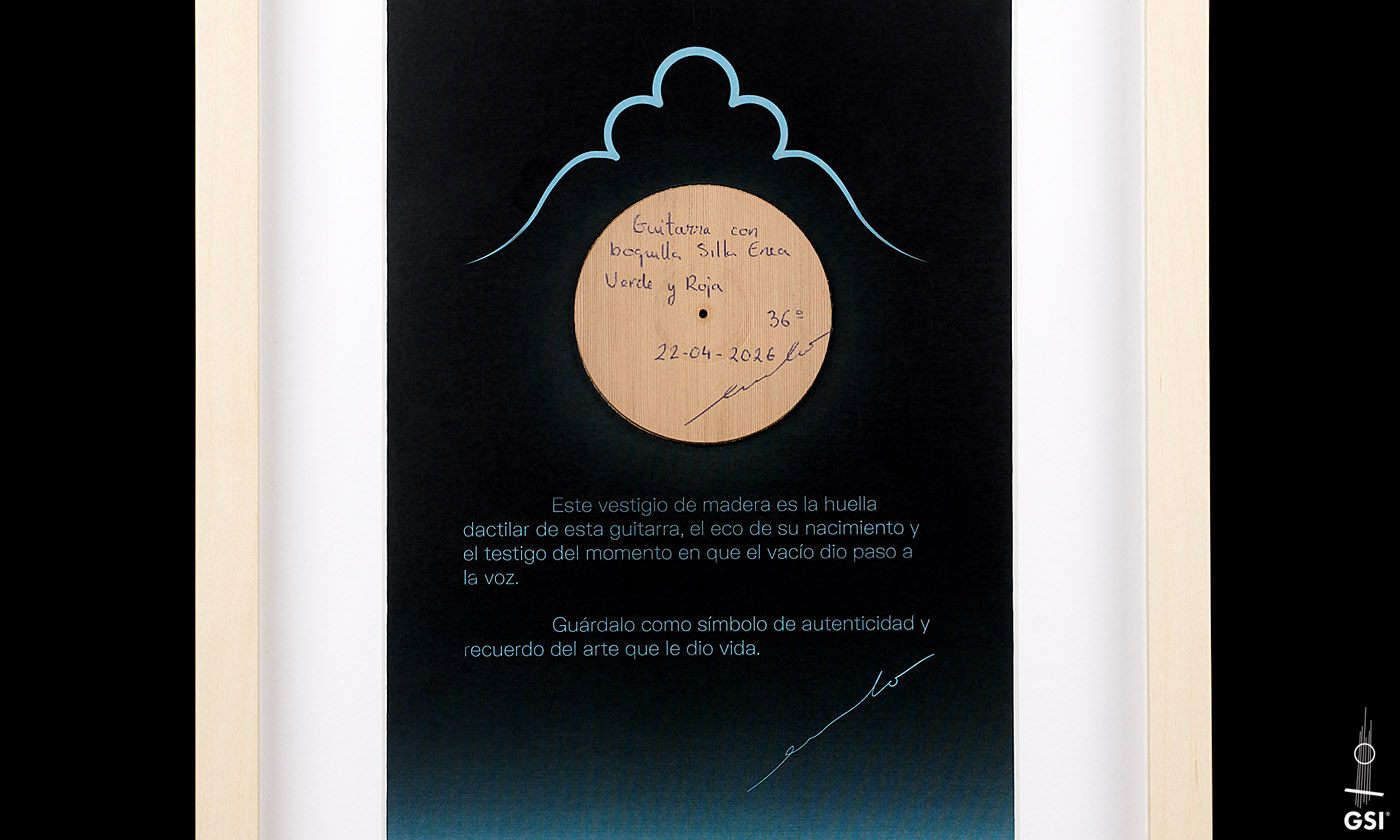
However, in 2019 Emilio began working in the workshop of Francisco Manuel Díaz Sánchez, his teacher who comes from the well-known Díaz family - a renowned family of guitar makers from Granada who themselves originally trained at Casa Ferrer. For Emilio, learning alongside Francisco has been to him a great privilege and a way to connect with a deeply rooted artisanal tradition in Granada. For the first two years, he combined this work with his studies at the conservatory, and later, working side-by-side with Francisco, he was immersed completely in the craft of lutherie. The image captioned here is the first soundhole of the first guitar made in Francisco Manuel Díaz Sánchez's workshop.
In April 2025, after years of learning, Emilio opened the doors of his own workshop. It wasn't just the beginning of a new chapter in his life, but the realization of a dream that had been stirring within him for some time. Here, in this space that smells of cedar and cypress, the wisdom inherited from Francisco Manuel Díaz and the vision he has cultivated along the way converge. This space is not just a workplace: it is the synthesis of everything he has experienced, a workshop where his history and identity take shape in wood.
After several years of being immersed in guitar construction, Emilio Díaz Valero was awarded second-prize for his flamenco guitar at the prestigious ninth Antonio Marin Montero Guitar Making Competition held in Granada, Spain in July/August, 2026.