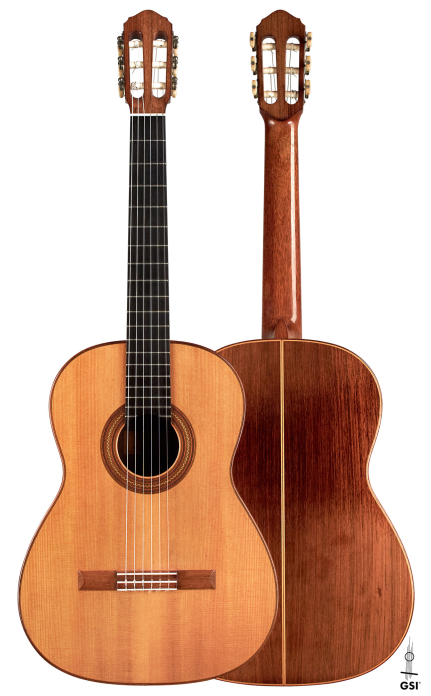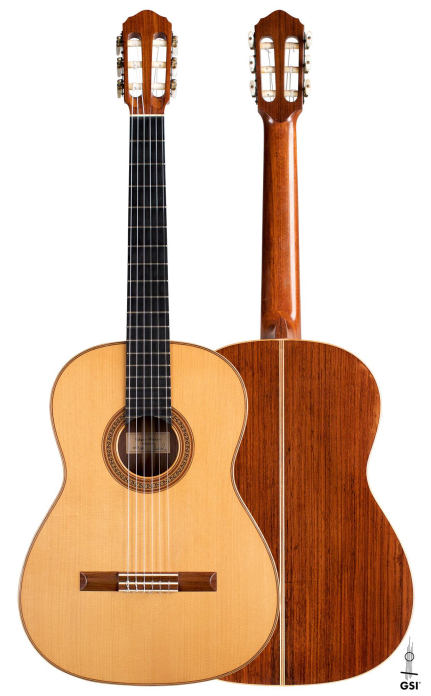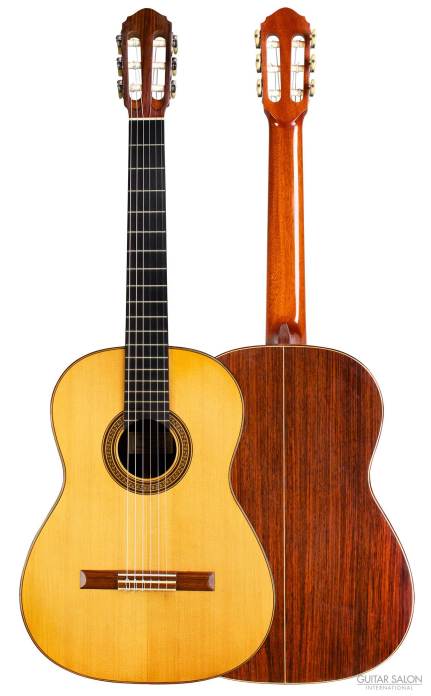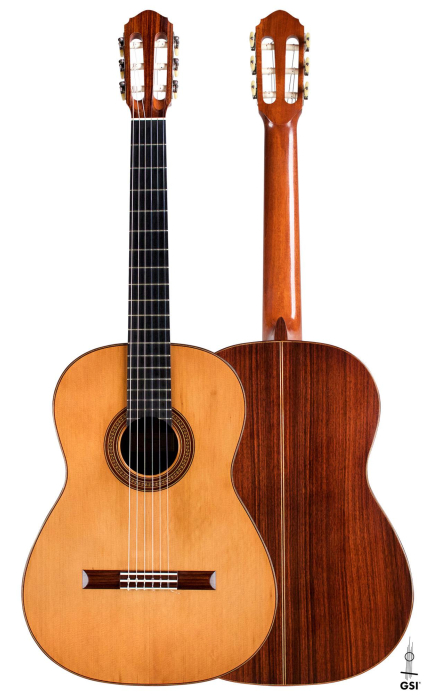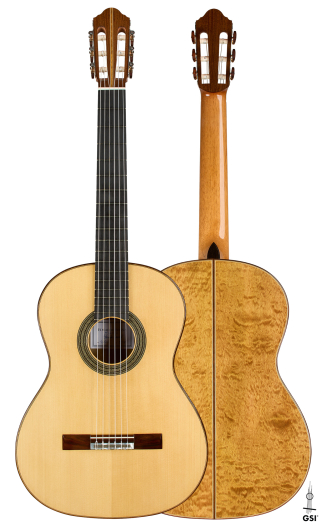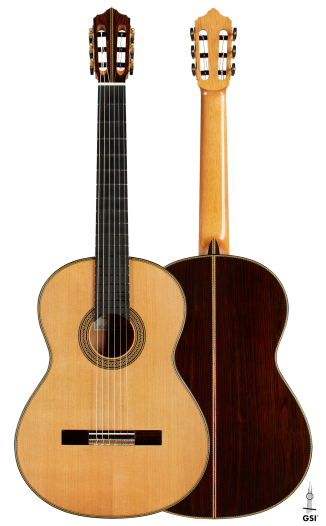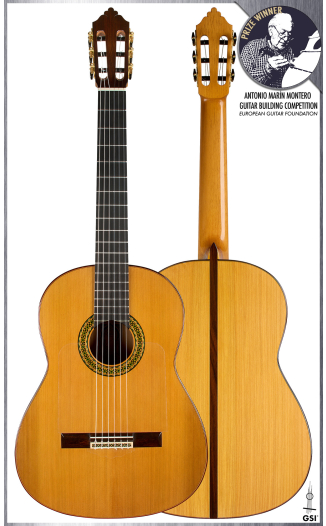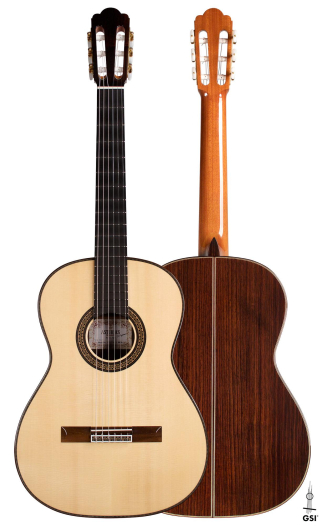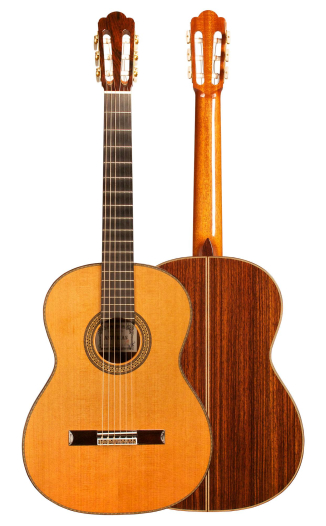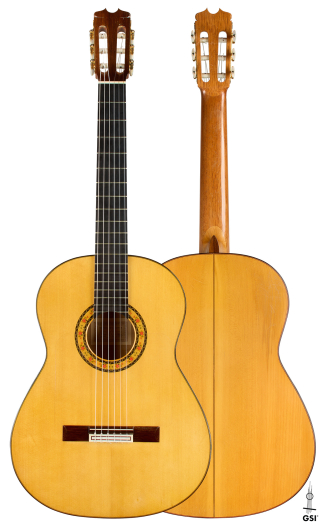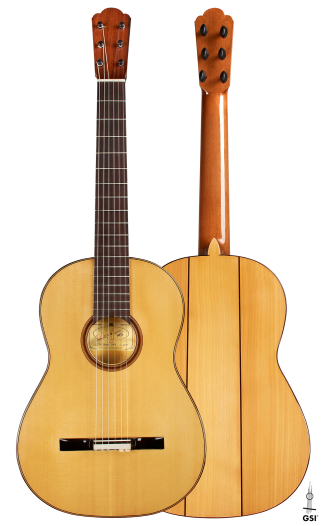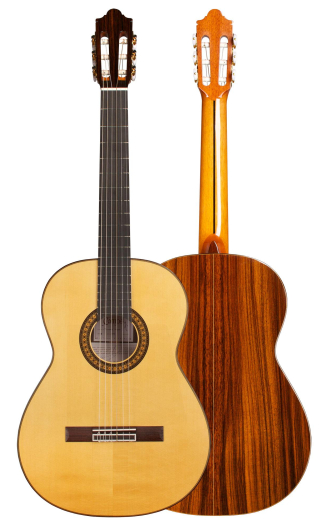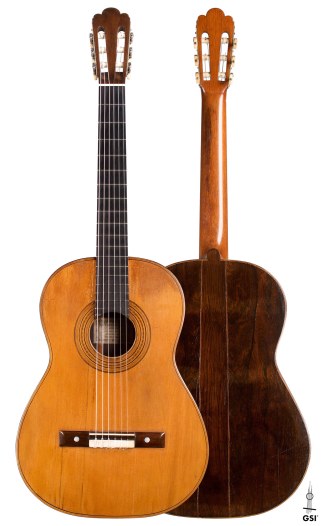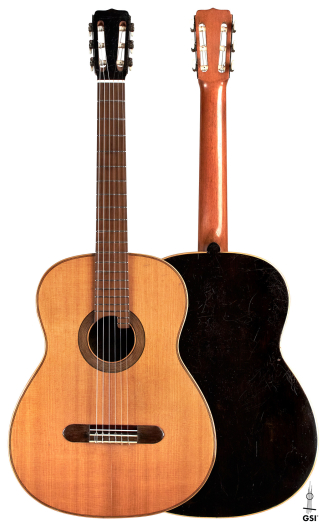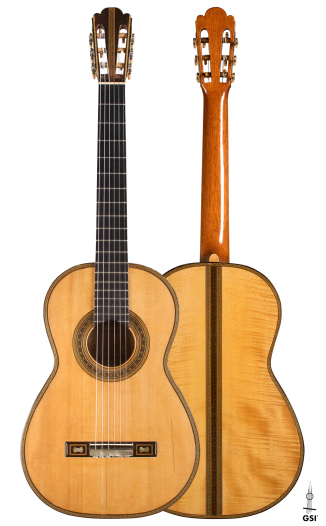



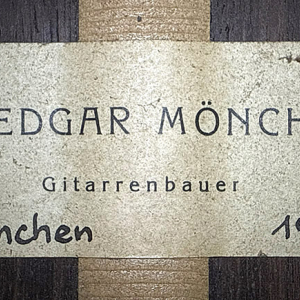
At a Glance
- Born: Leipzig, Germany, 1907
- Workshops: Munich, Germany (1948 to the mid-1960s); Toronto, Canada (1965–1971)
- Studied with: Marcelo Barbero, Madrid, 1952
- Output: roughly 350 guitars and a handful of lutes
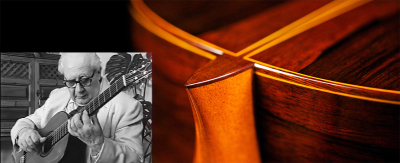
- Played by: Andrés Segovia, Julian Bream, John Williams, Vicente Gómez
A Remarkable Journey
Edgar Mönch's road to the guitar workshop was anything but ordinary. Born in Leipzig in 1907, he trained first as an engineer and a violinist, with studies in Danzig and Prague. It wasn't until World War II that he discovered guitar making. As a prisoner of war in England from 1944 to 1947, he found his way into a camp workshop run by the Y.M.C.A., and a new calling was born.
Building in Postwar Munich
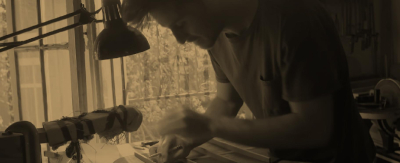
Back in Germany, Edgar began building in Munich in 1948 from very humble beginnings: little more than a rented room and a handful of tools, with well over a hundred hours of handwork going into every guitar. He was drawn to the Spanish tradition from the start, and in 1952 he traveled to Madrid to learn from Marcelo Barbero, one of the finest Spanish makers of the era. His Munich years, which lasted until the mid-1960s, produced some of the most important work of his career.
A New Chapter in Canada
In 1965 Edgar moved to Toronto, where he built until 1971 and helped shape a new generation of Canadian makers. By the time of his death in 1977, he had made roughly 350 guitars, along with a handful of lutes. His instruments reached players all over the world, including some of the most celebrated names in the classical guitar: Andrés Segovia, Julian Bream, John Williams, and Vicente Gómez.
A Sound in the Hauser Tradition
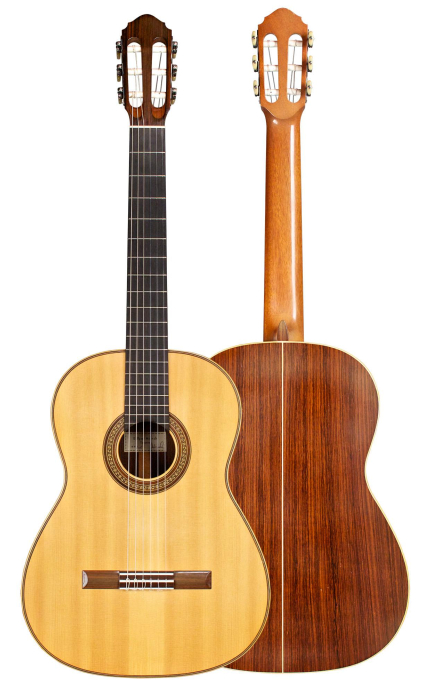
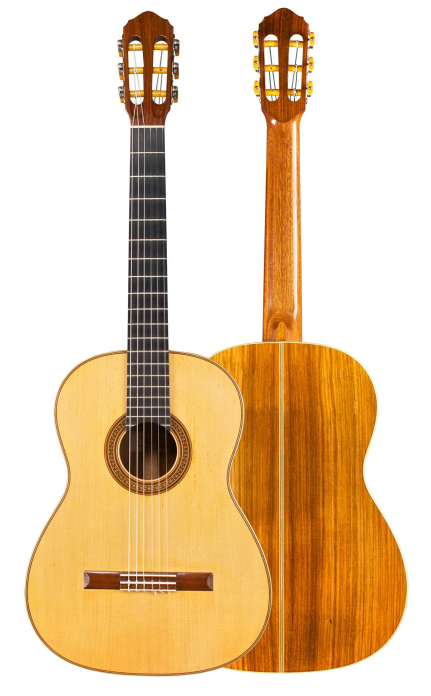
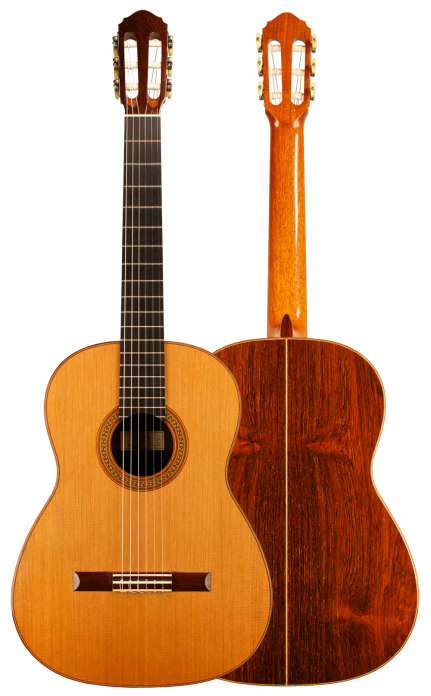
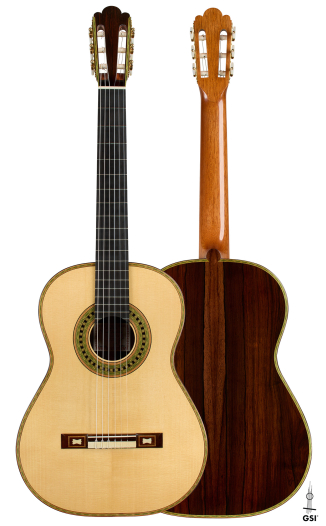
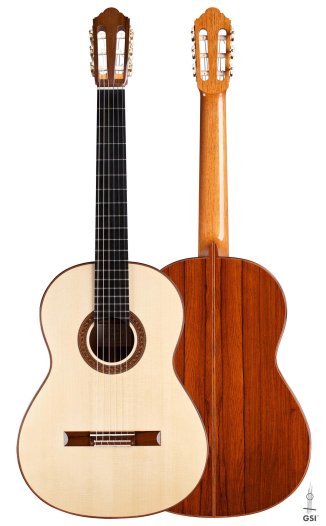
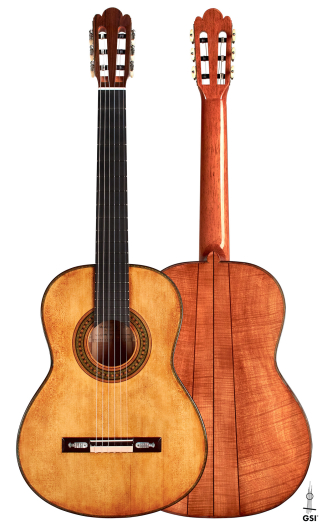
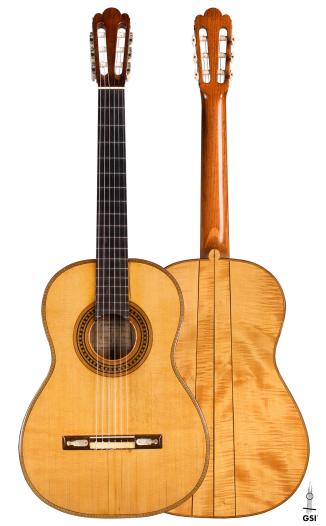
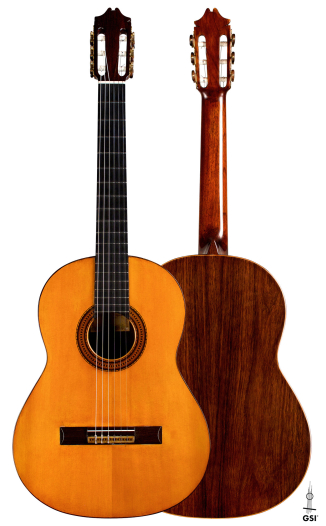
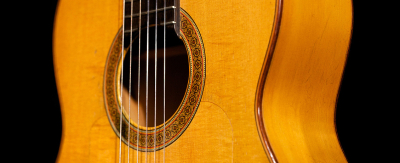
Edgar's Munich guitars are prized for a lightweight build and a charming, woody, old-world voice with great clarity and separation. Players often compare them to the guitars of his contemporary Hermann Hauser I. Segovia kept a Mönch for his daily practice, John Williams played one as a boy and early in his career, and Julian Bream recorded his second album for RCA on a 1959 Mönch.