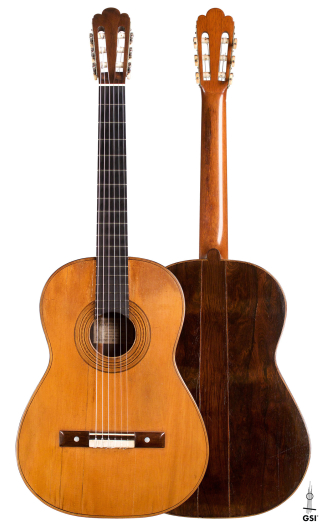




1884 Vicente Arias SP/CSAR
| Year | 1884 |
| Top | Spruce |
| Back & Sides | CSA Rosewood |
| Scale Length | 650 mm |
| Nut width | 52 mm |
| Finish | French Polish |
| Country | Spain |
| Luthier | Vicente Arias |
This guitar is no longer available in our inventory. If it interests you, click the ”notify me when available” button to be notified in the event that we re-acquire this guitar for re-sale.
Description
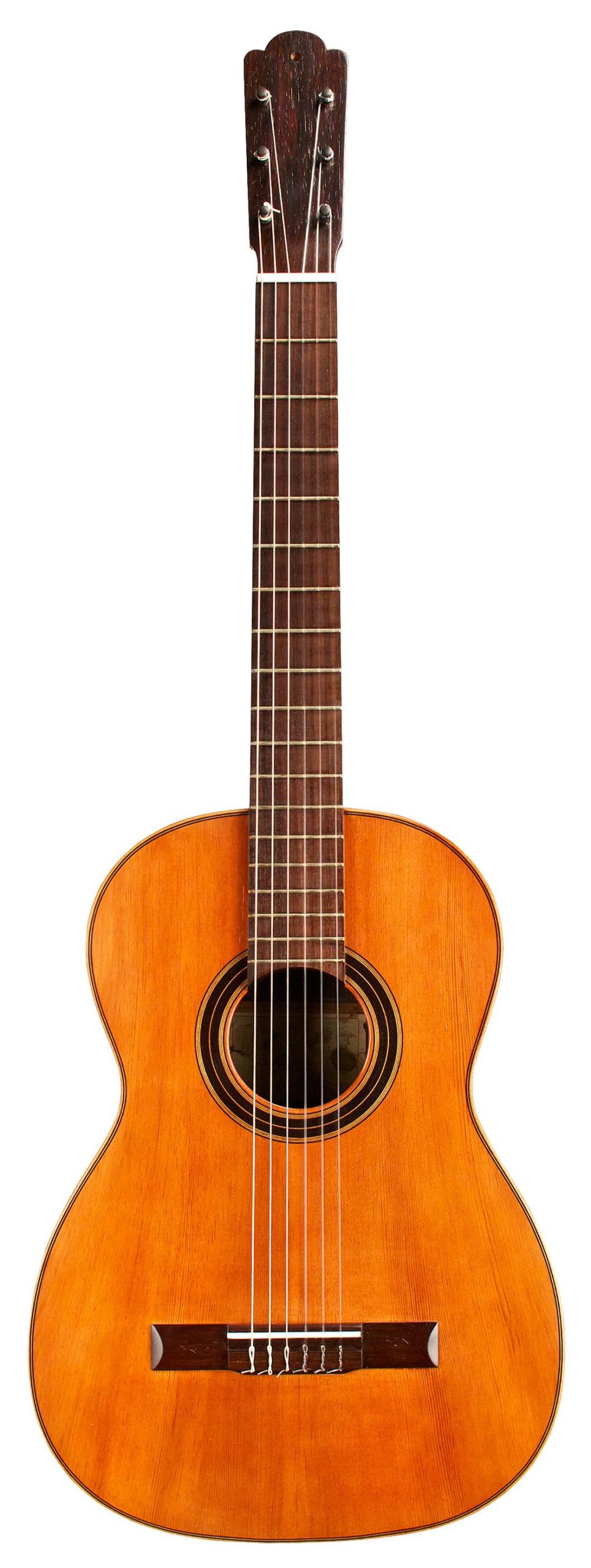
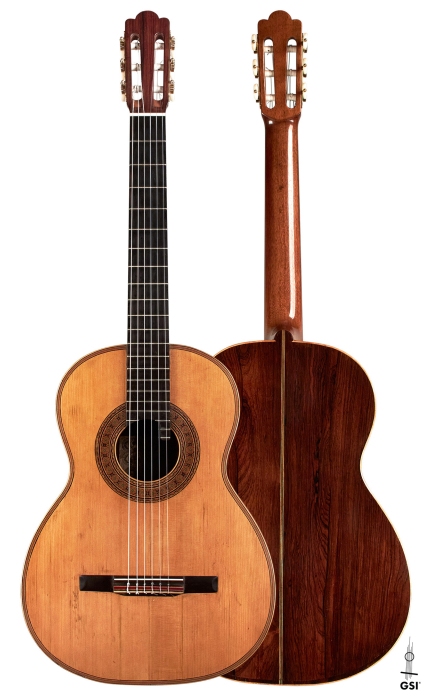
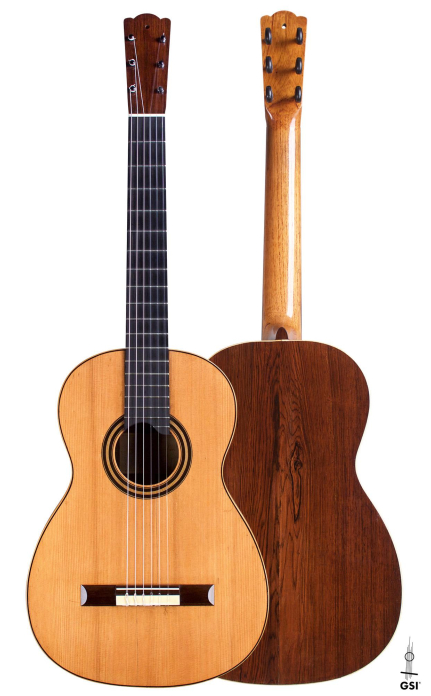
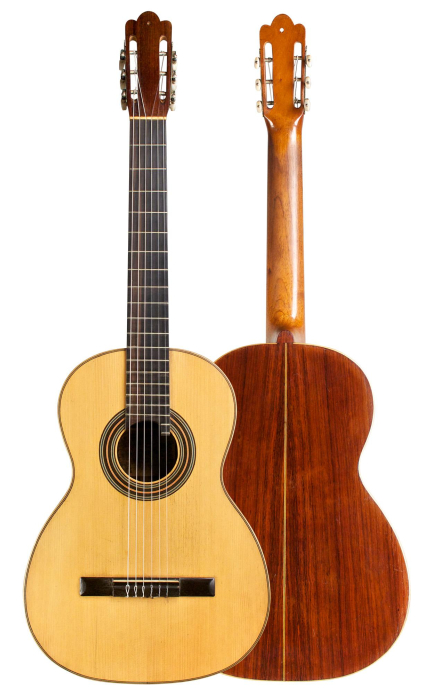
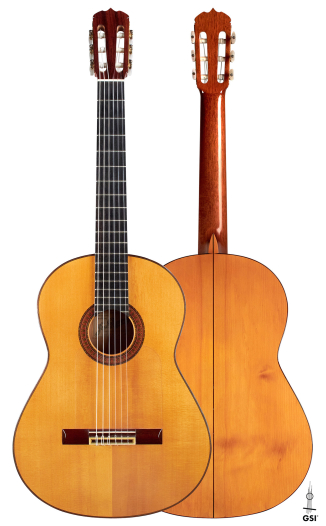
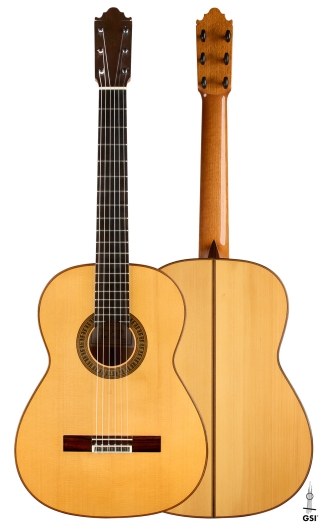
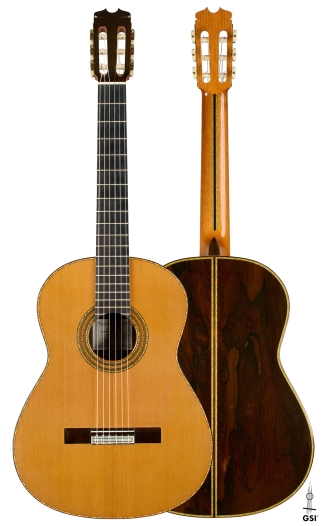
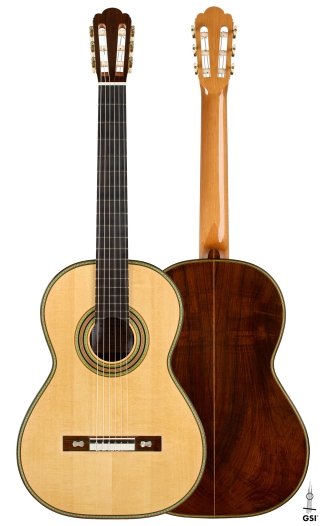
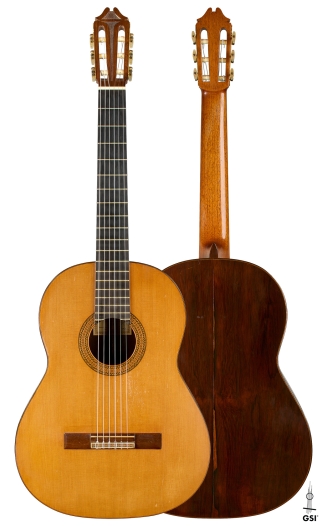
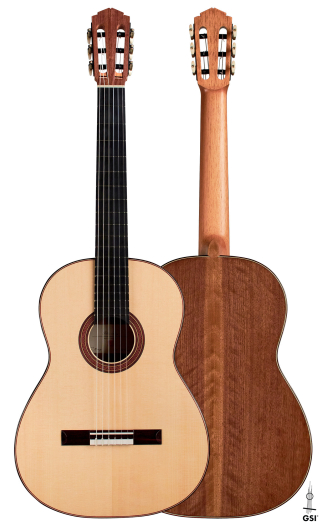
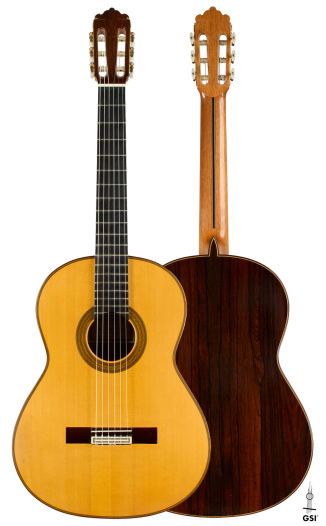
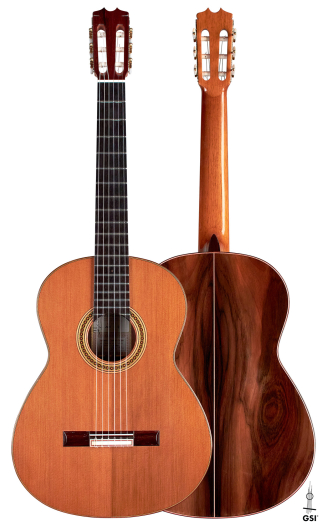
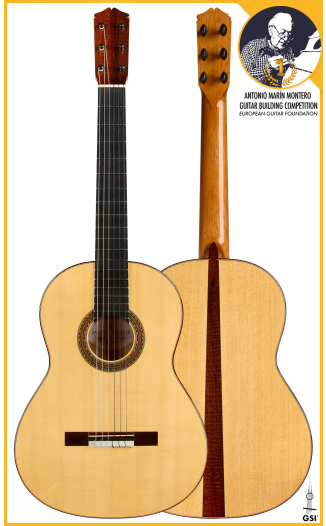
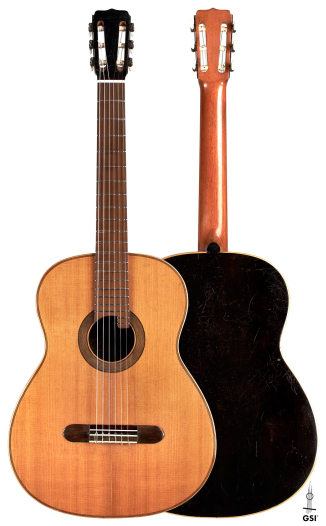
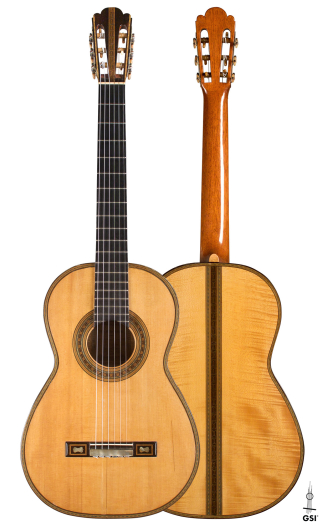
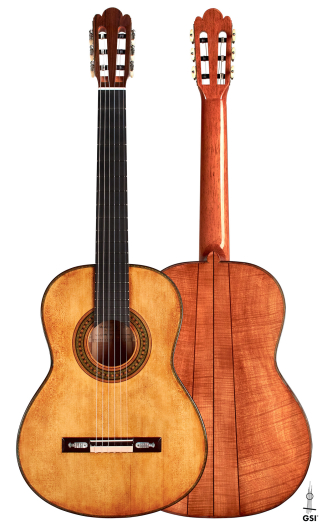
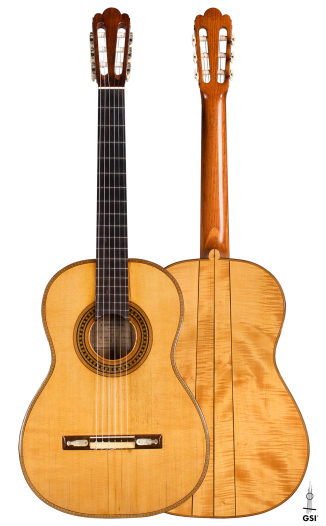
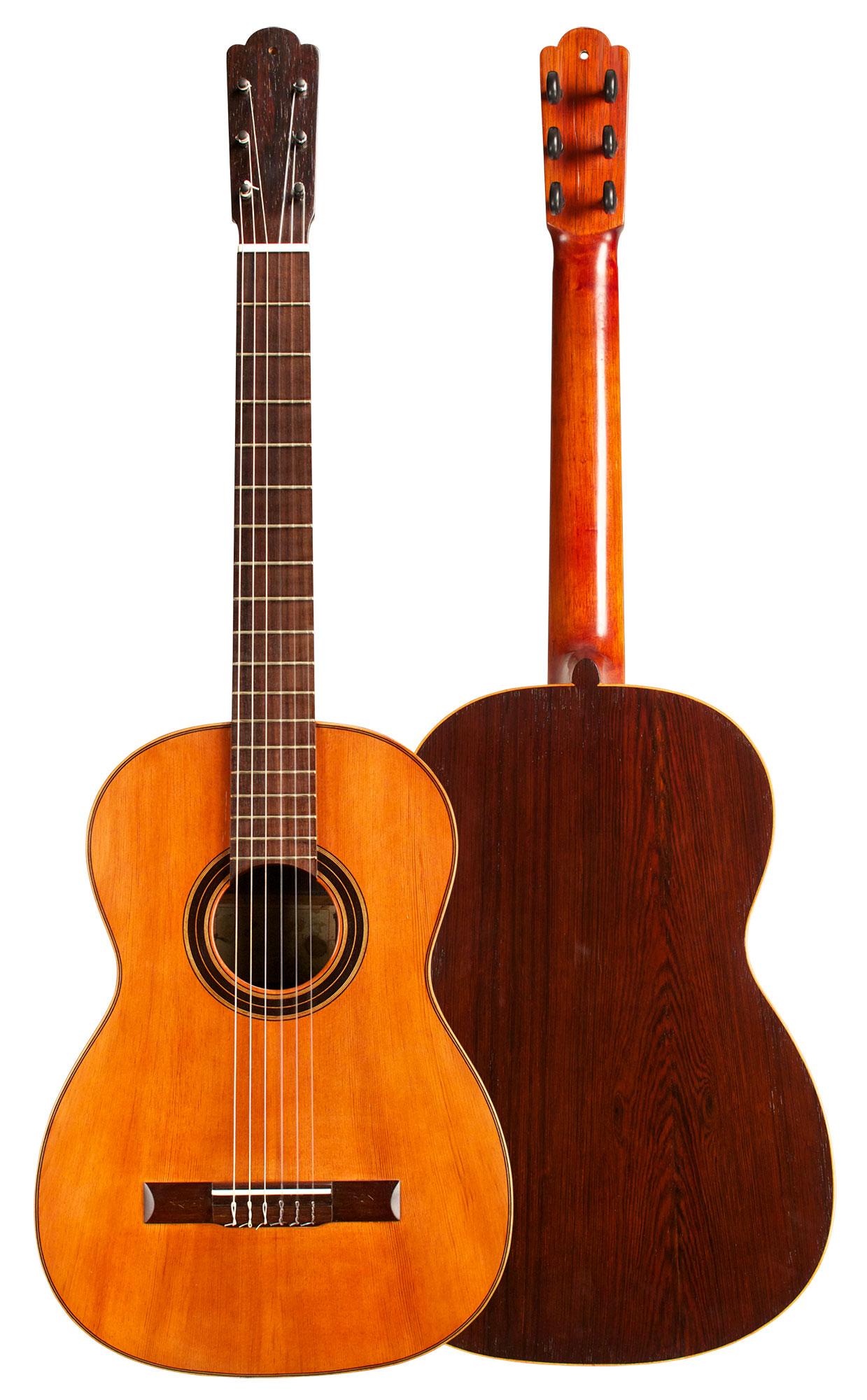
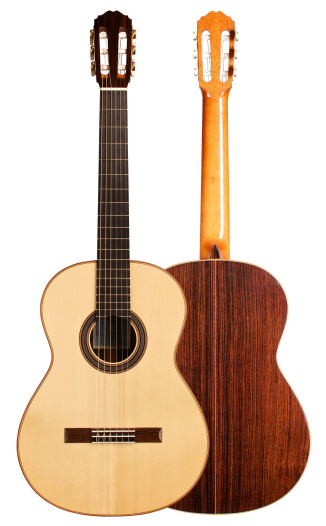
Built in 1884 by Vicente Arias (1833–1914), this small-bodied guitar with a spruce top and CSA rosewood back and sides comes from his early years in Ciudad Real, before he moved to Madrid.
An 1884 Vicente Arias from His Ciudad Real Years
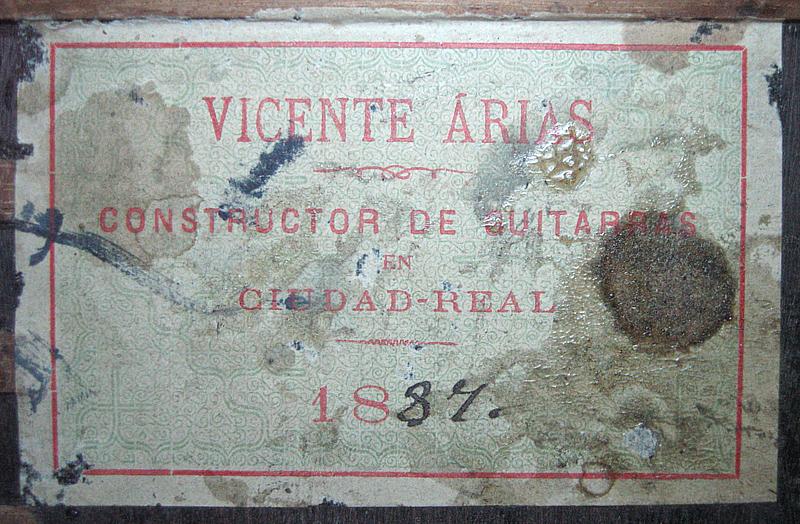
Its label reads "Vicente Arias – Constructor de guitarras en Ciudad Real", the plain early label he used before the medal-covered Madrid labels of the 1900s. Although presently we know very little about this elusive personality, the guitars he left behind have kept a special mystique and a reputation of the highest order among guitar aficionados worldwide.
A Simpler Arias Design
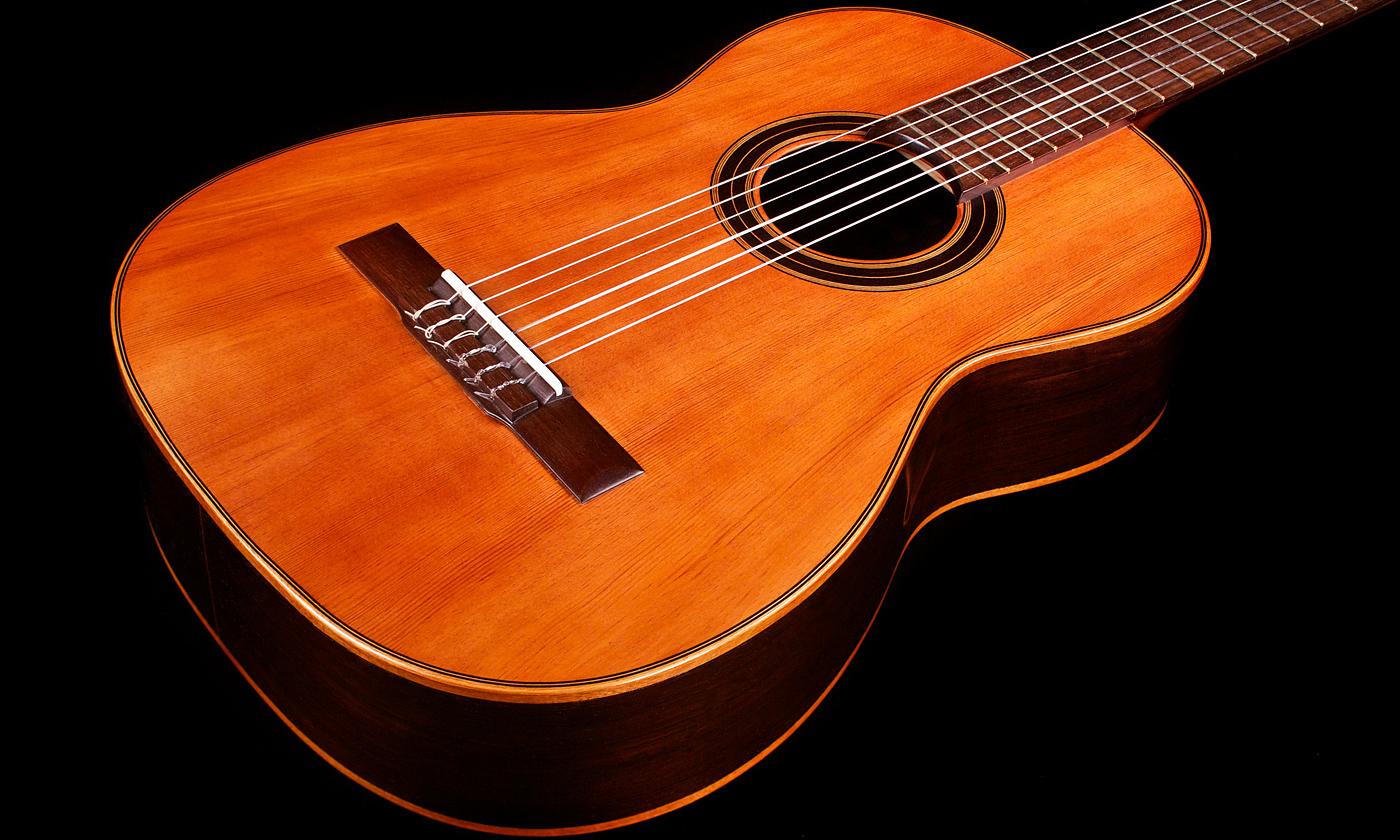
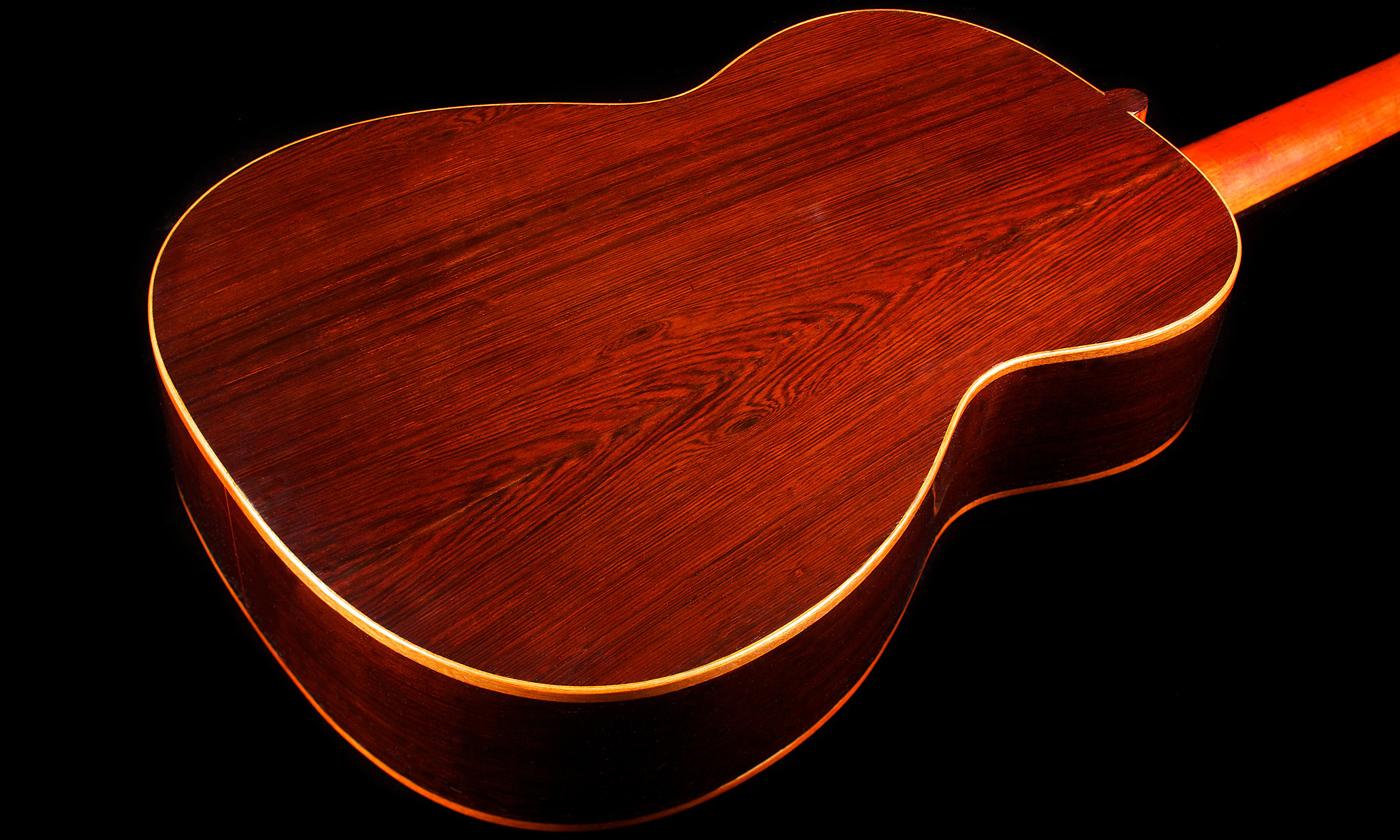
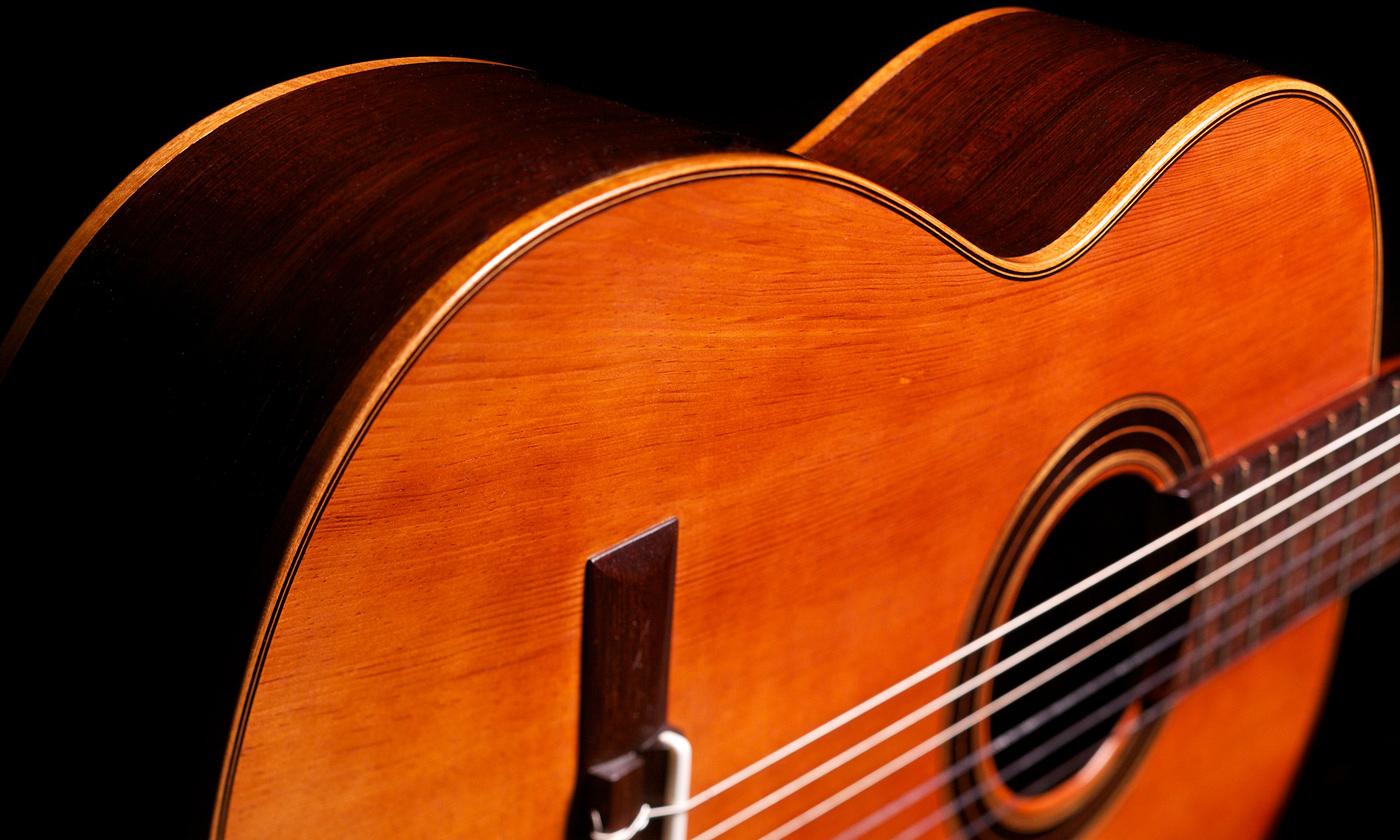
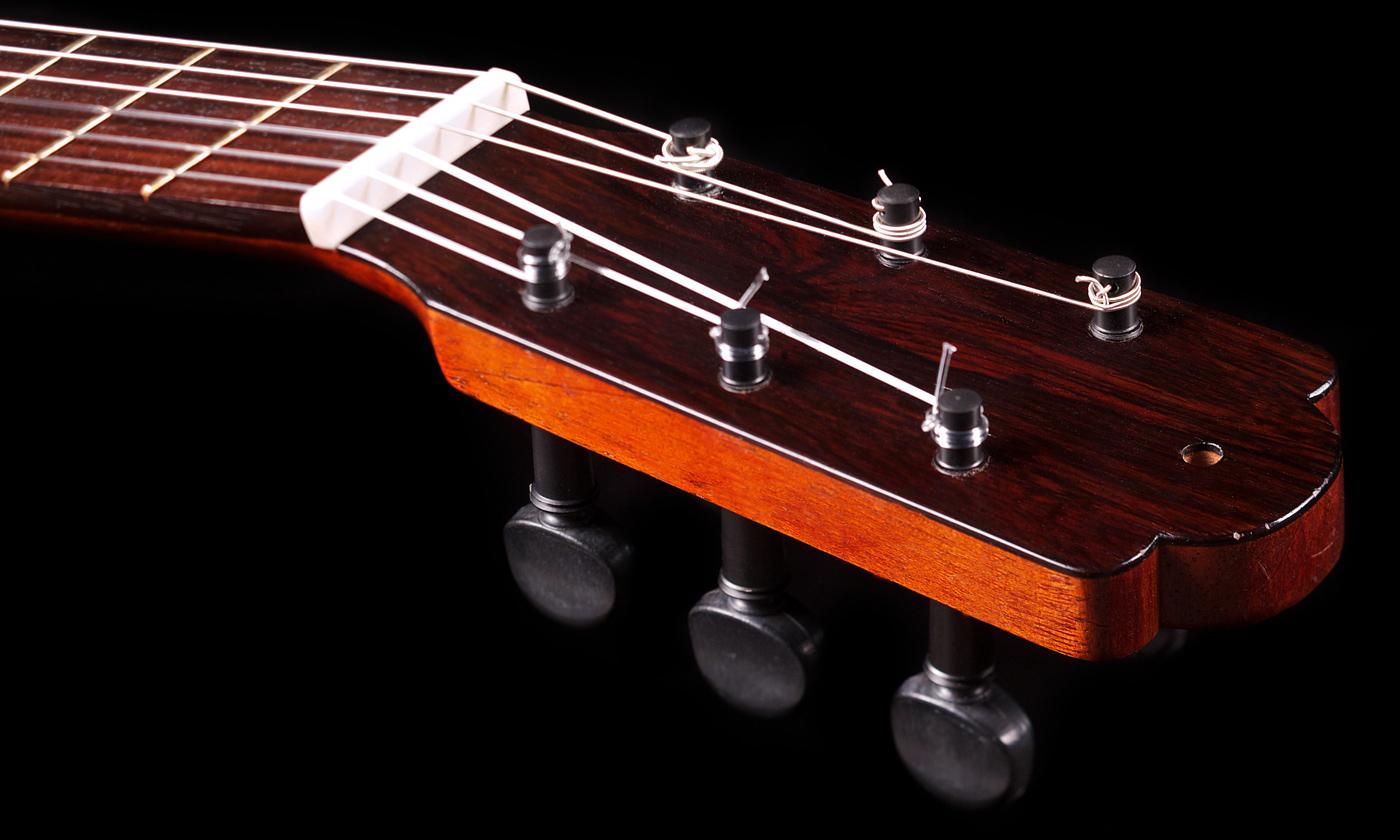
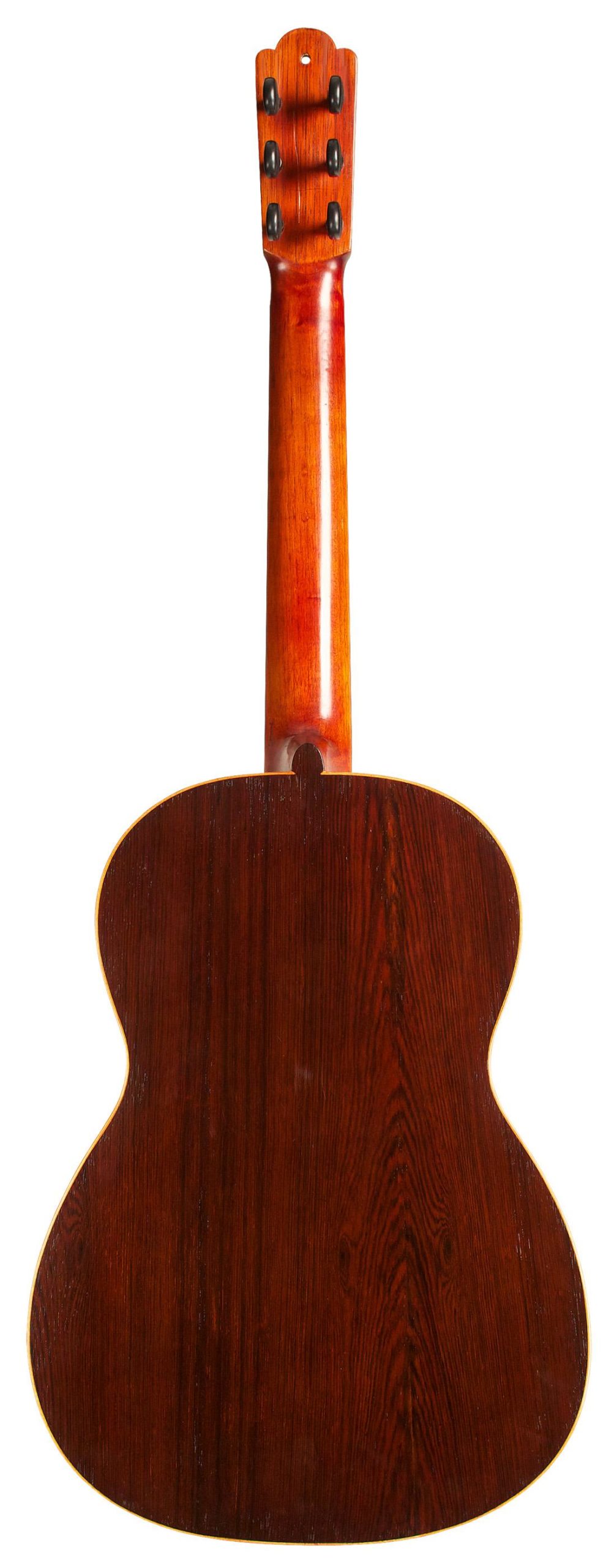
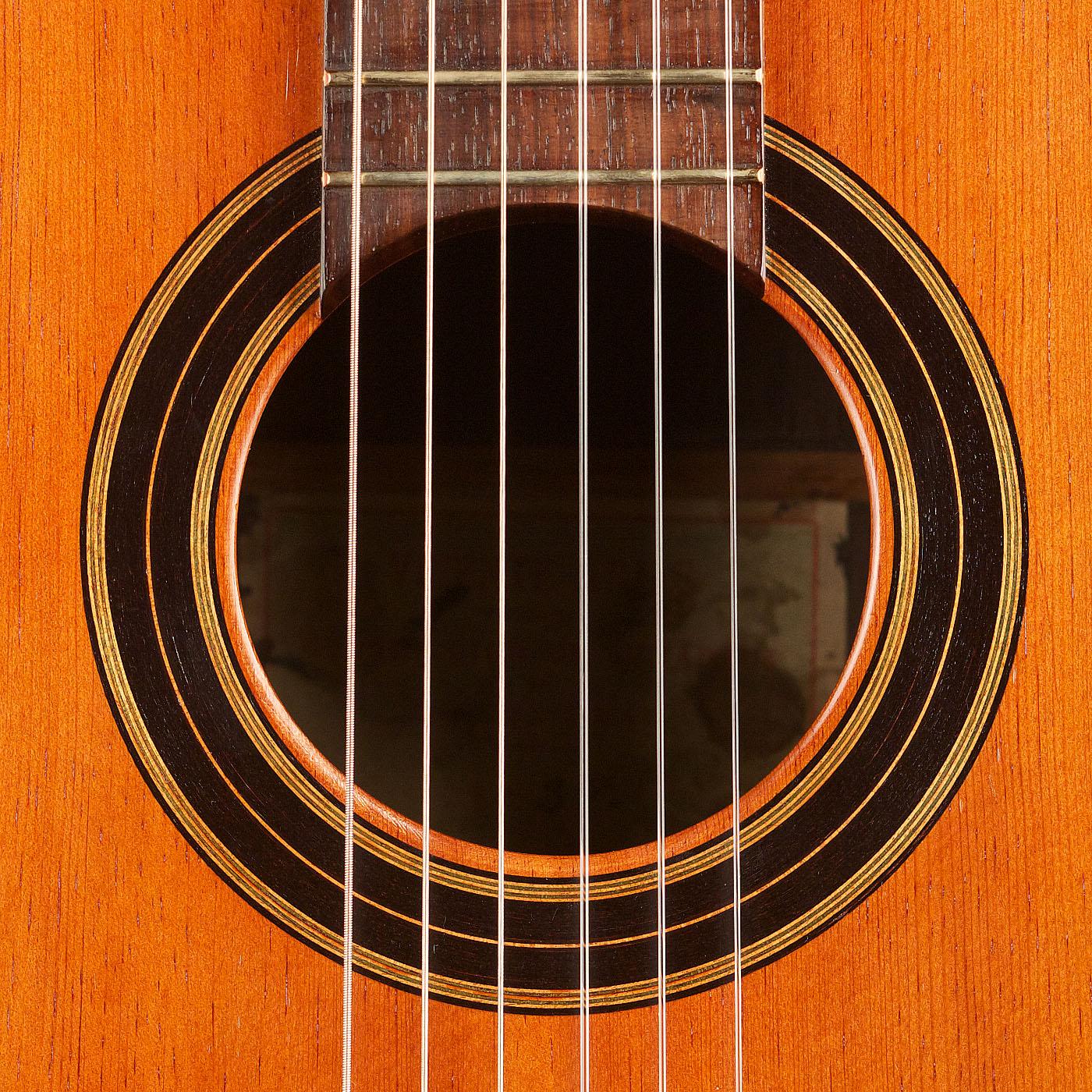
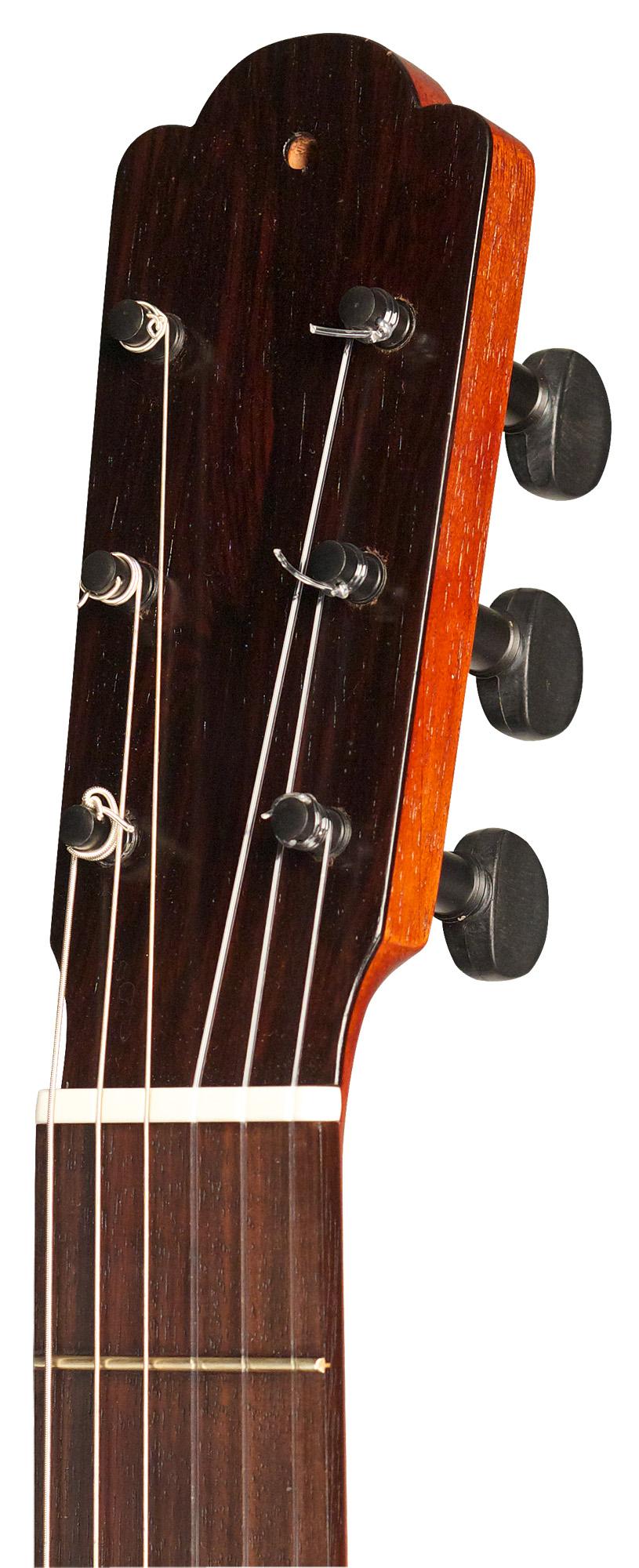
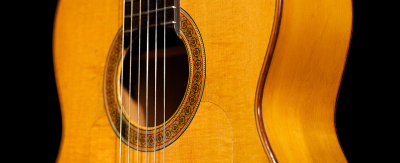
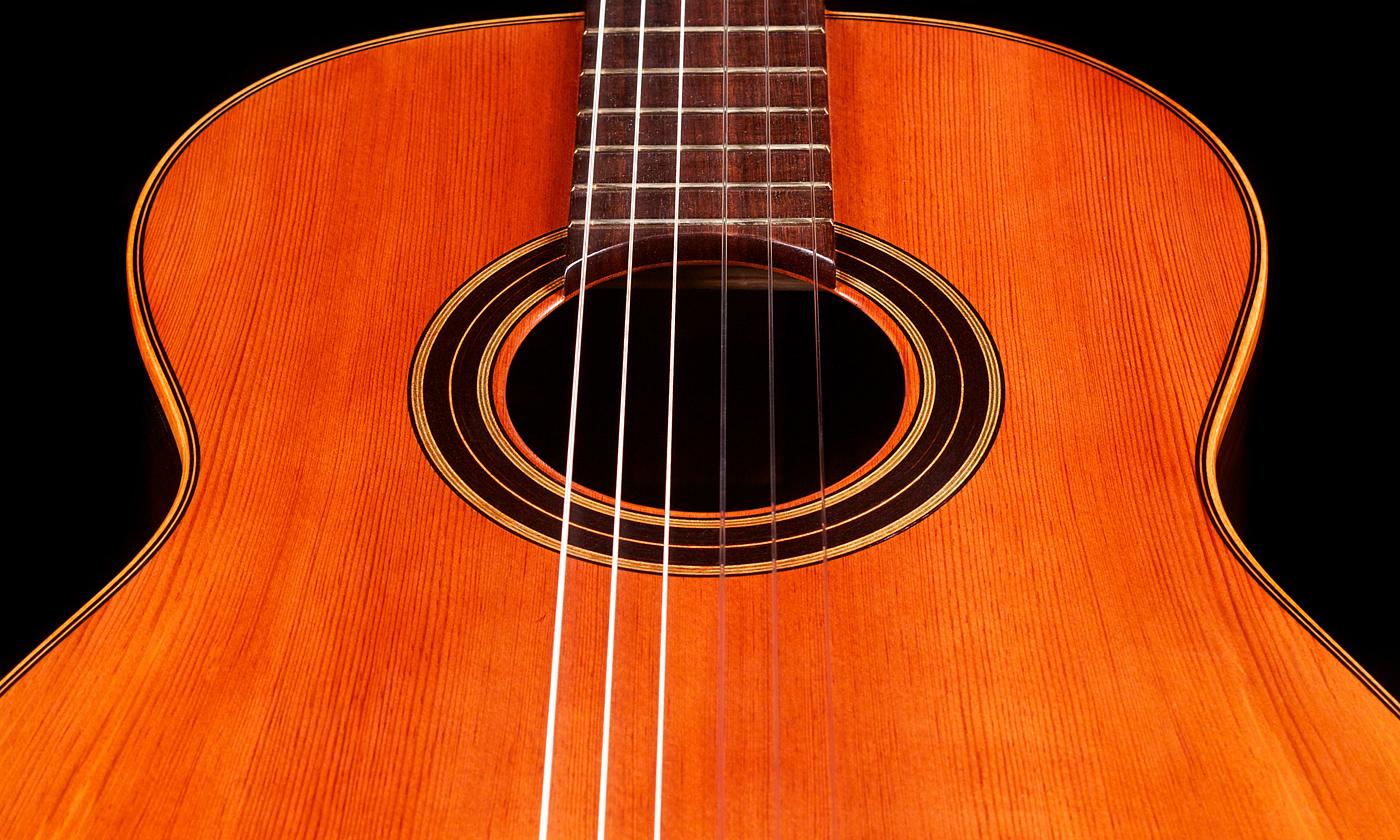
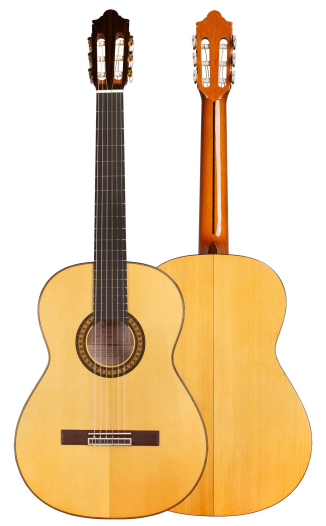
Arias experimented constantly with plantillas, bracing and ornamentation, and this guitar shows the more sober side of his work. Instead of one of his famous mosaic rosettes, the soundhole is framed by simple concentric rings, and the body is outlined with light wooden bindings. The back is a striking, strongly figured piece of CSA rosewood, and the bridge is a plain, elegant rectangle. It is a small-bodied guitar, typical of the period, and is fitted with machine tuners.
One of the Great Historical Makers
Even though no two Arias guitars are quite alike, his reputation for a consistently beautiful quality of tone is likely the reason for his enduring legacy. This is a rare early example from one of the most enigmatic builders in the "canon" of the great historical makers of the past 150 years.
Background
Vicente Arias (1833–1914): The Forgotten Luthier
Vicente Arias is one of the most intriguing yet shadowy giants in the history of guitar making. Very little is known about his life, and his guitars are rarely seen today, yet among players and collectors they carry a mystique and a standing matched by few makers of his era. For the most current research on him, we highly recommend Camino Verde's book Vicente Arias 1833–1914: The Forgotten Luthier.
From Ciudad Real to Madrid
His labels trace his career. In the 1880s he signed himself "Constructor de guitarras en Ciudad Real"; by the early 1900s he was in Madrid, first at Calle de las Huertas 29 and later at Santa Isabel 20. His Madrid labels proudly display the medals he won at competitions in Brussels, Madrid and Barcelona – a sign that he was likely a well-known name in his own time – and several of his most famous contemporaries, including Francisco Tárrega, played his guitars.
Rosettes, Experiments and a Legendary Sound
Arias never settled on a single design: his plantillas, bracing and degree of ornamentation varied greatly from guitar to guitar. His rosettes and inlay work are among the most discussed and admired in today's guitar-making community for their elegant, original designs and masterful execution. Arias guitars are still played by leading performers such as Stefano Grondona, David Jacques, Raphaella Smits and Javier Riba.