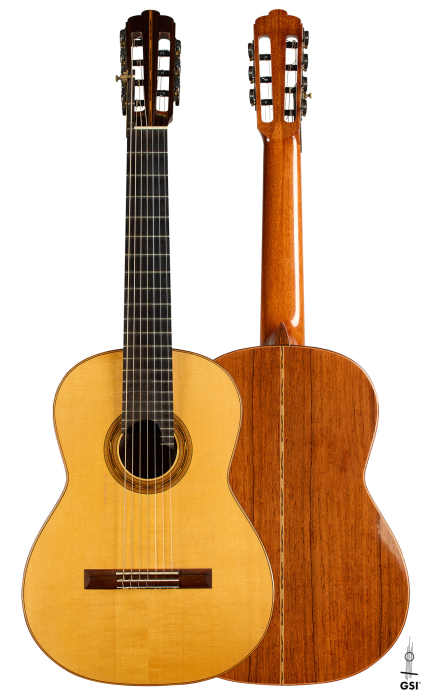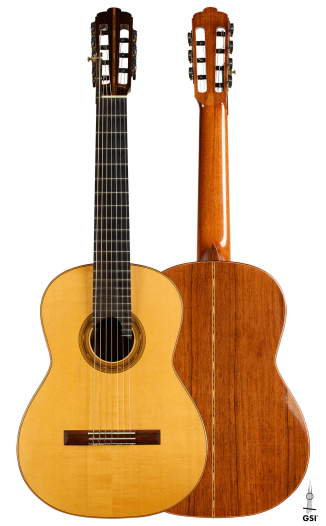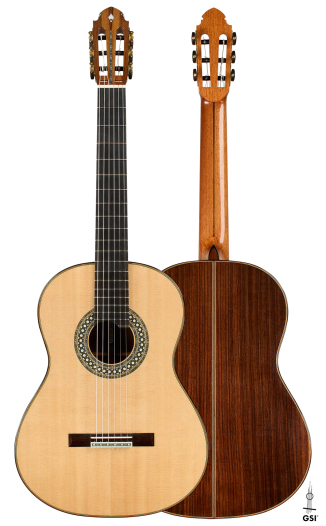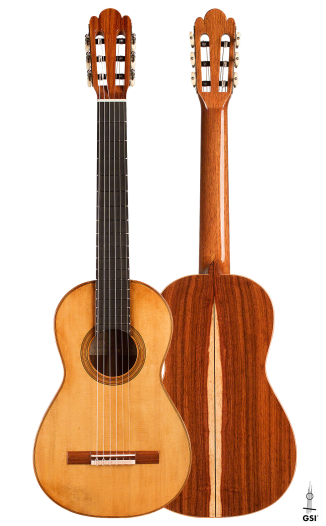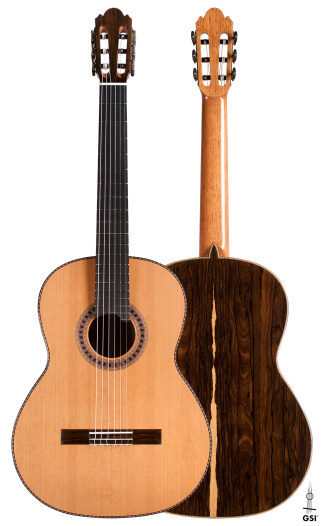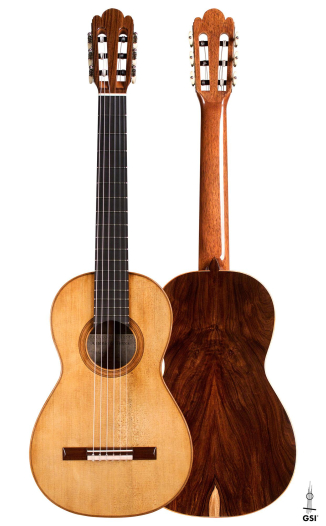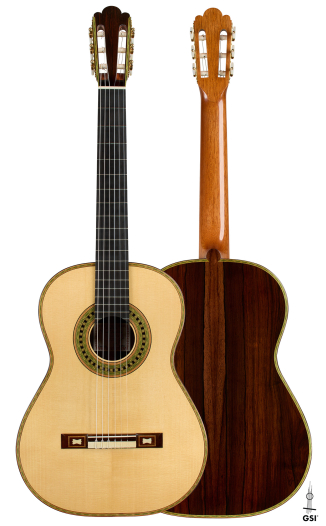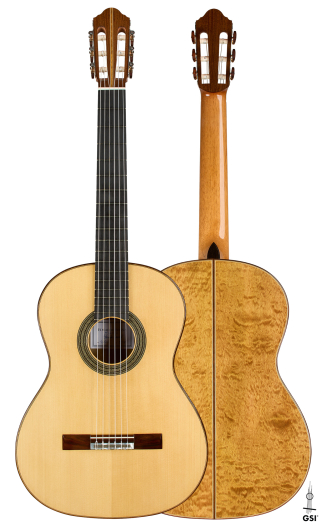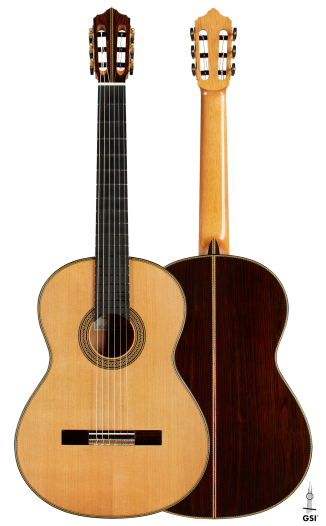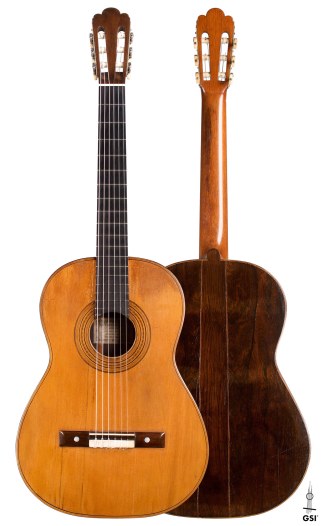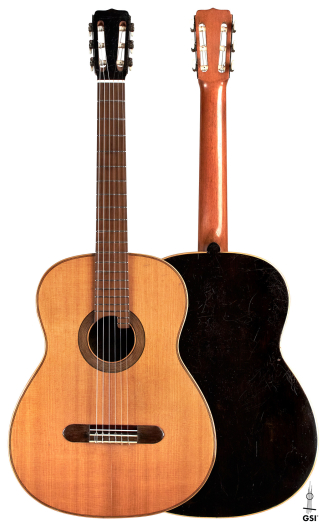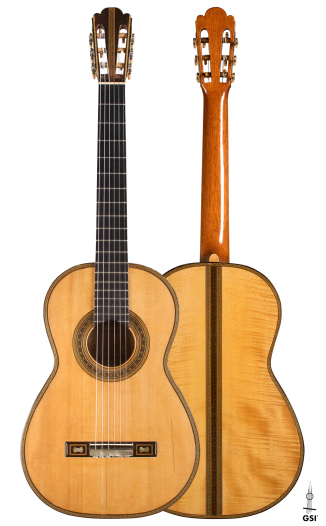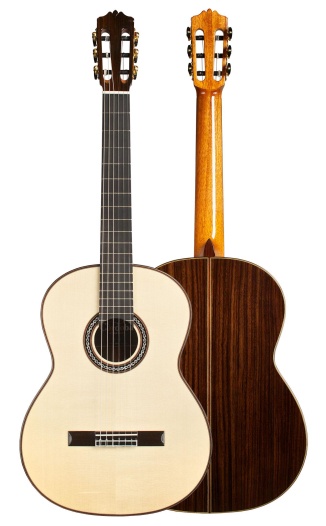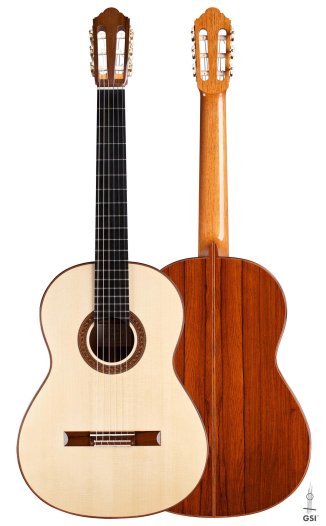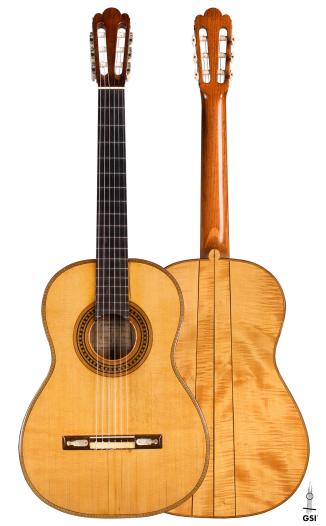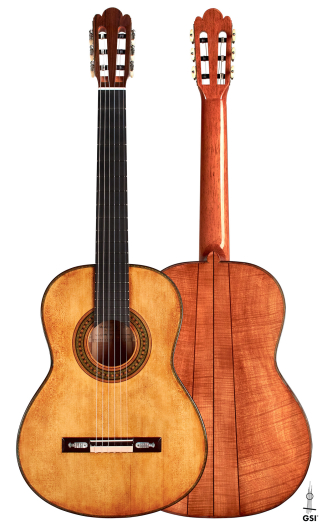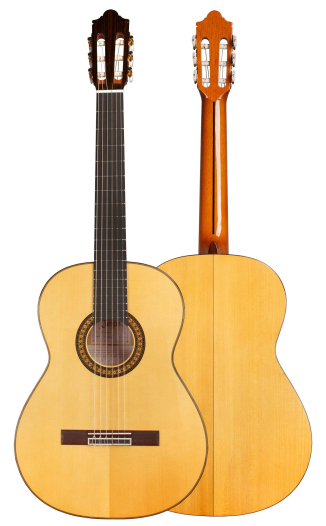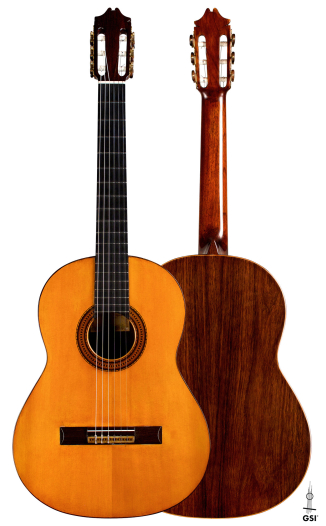




2007 Gregory Byers "7-string" SP/AR (ex John Dearman)
| Year | 2007 |
| Top | Spruce |
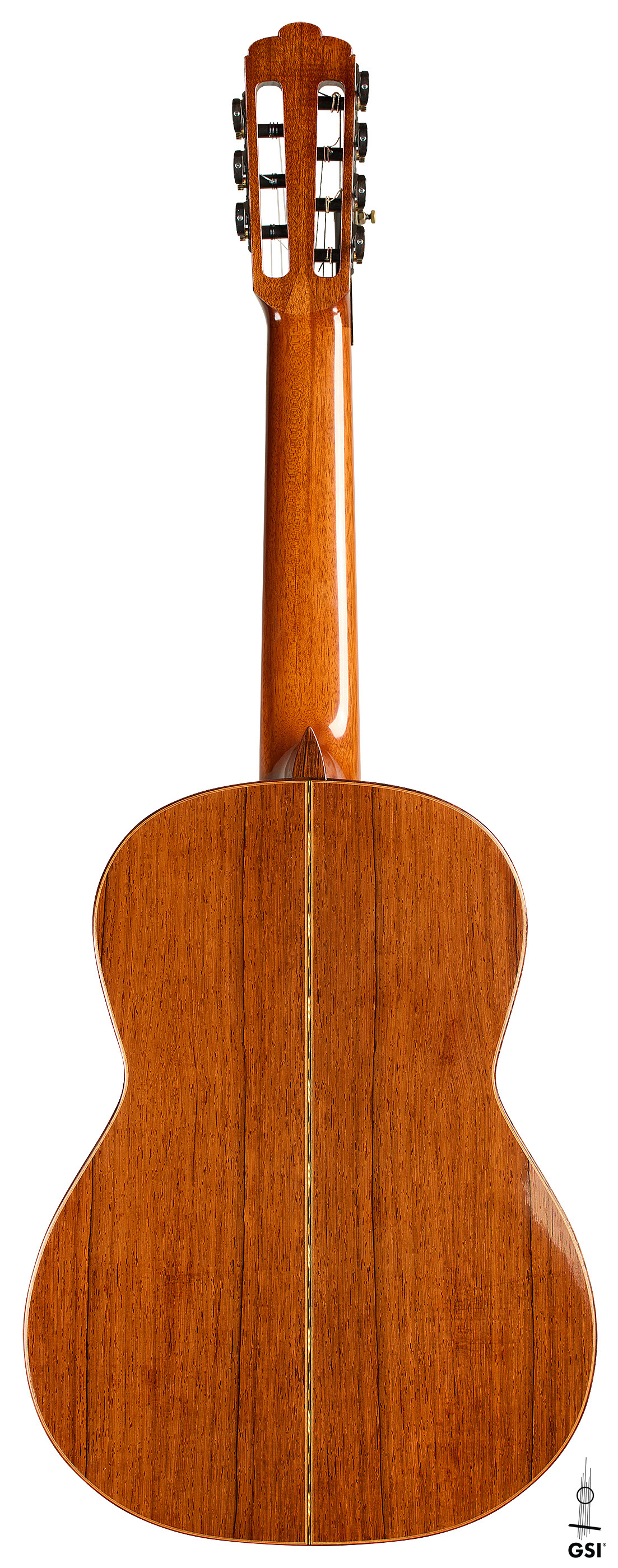
| Back & Sides | African Rosewood |
| Scale Length | 650 mm |
| Nut width | 59 mm |
| Finish | French Polish |
| Condition | Excellent |
| Country | USA |
| Exchange | ExchangePlus |
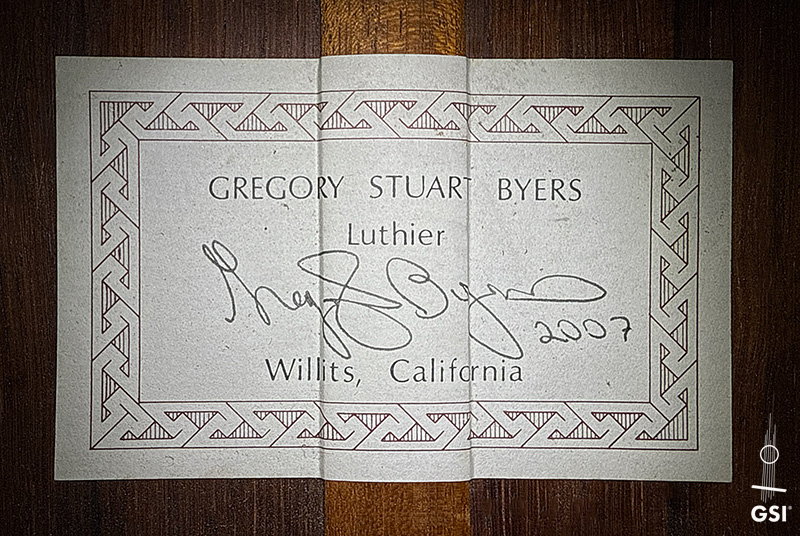
| Luthier | Gregory Byers |
$12,000.00
Applicable sales tax and shipping charges will be added at checkout.
Details


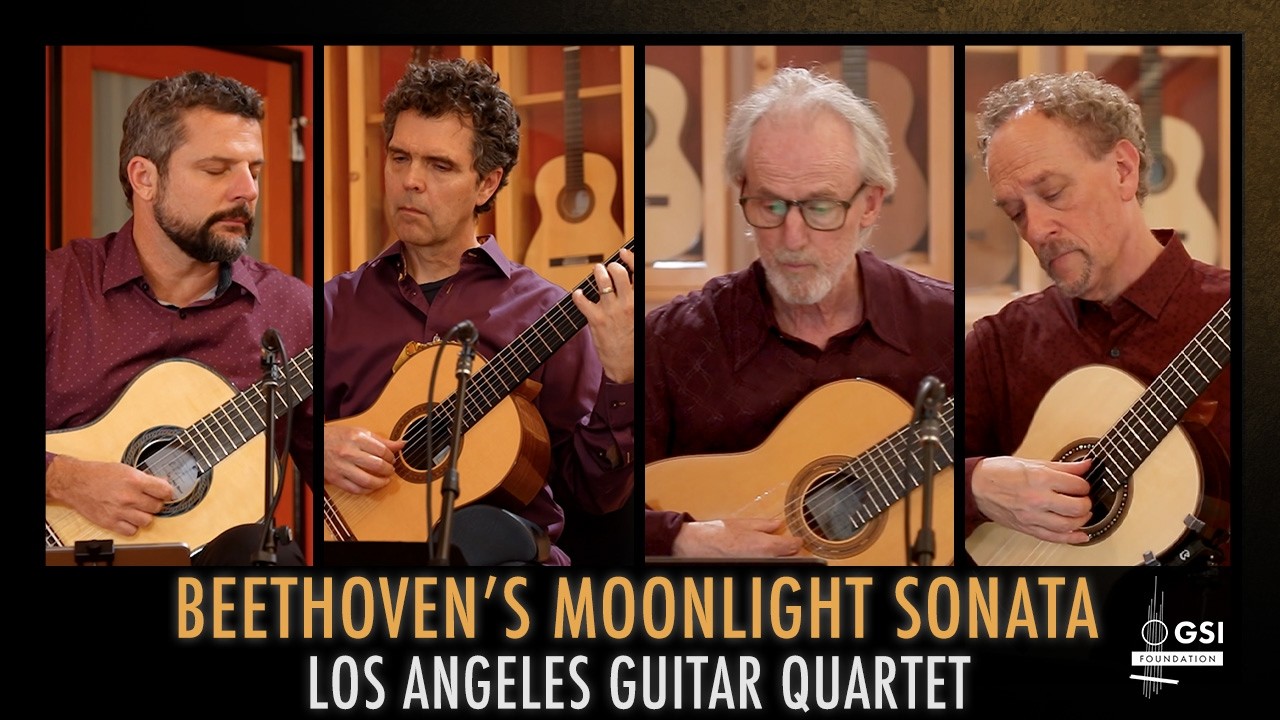
LAGQ Performs Ludwig van Beethoven's "Moonlight Sonata" (Adagio Sostenuto)
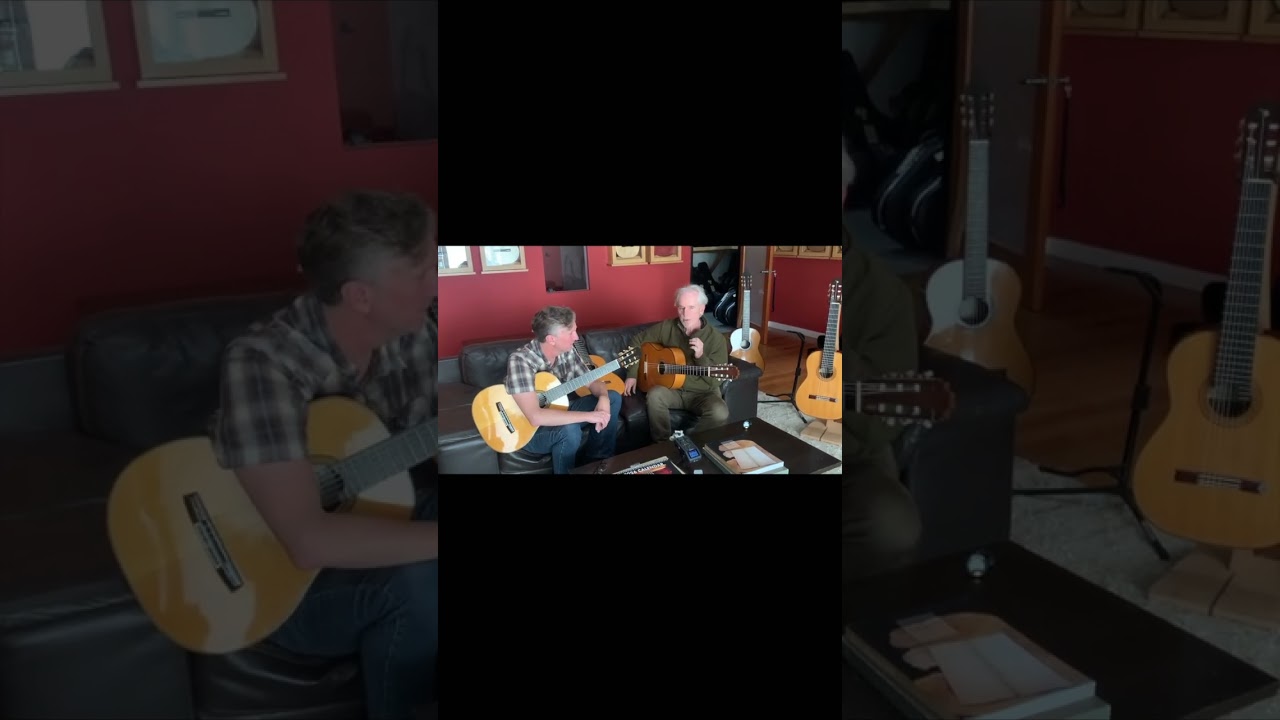
John Dearman talks about his guitars and LAGQ! Part. 1
Description
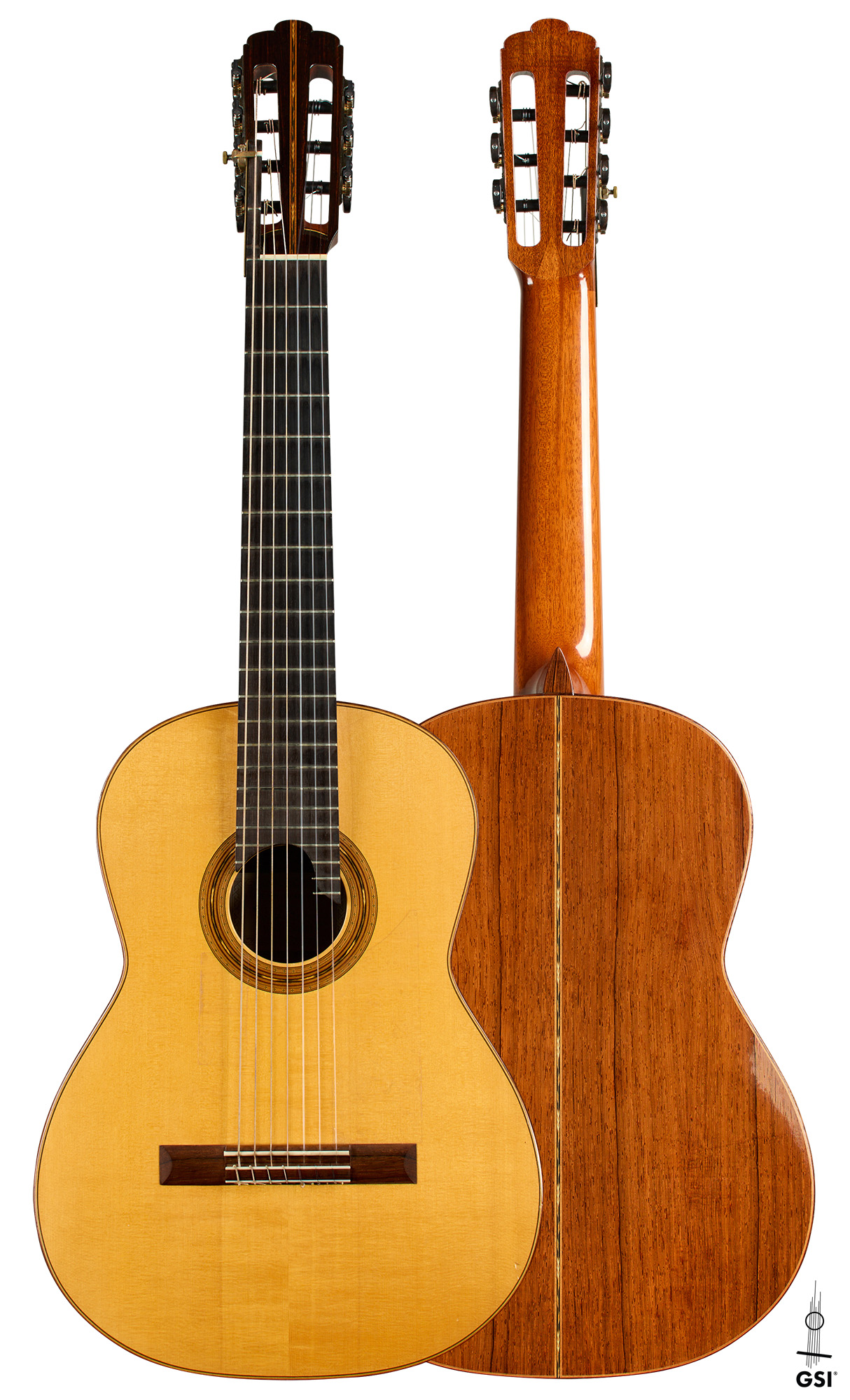
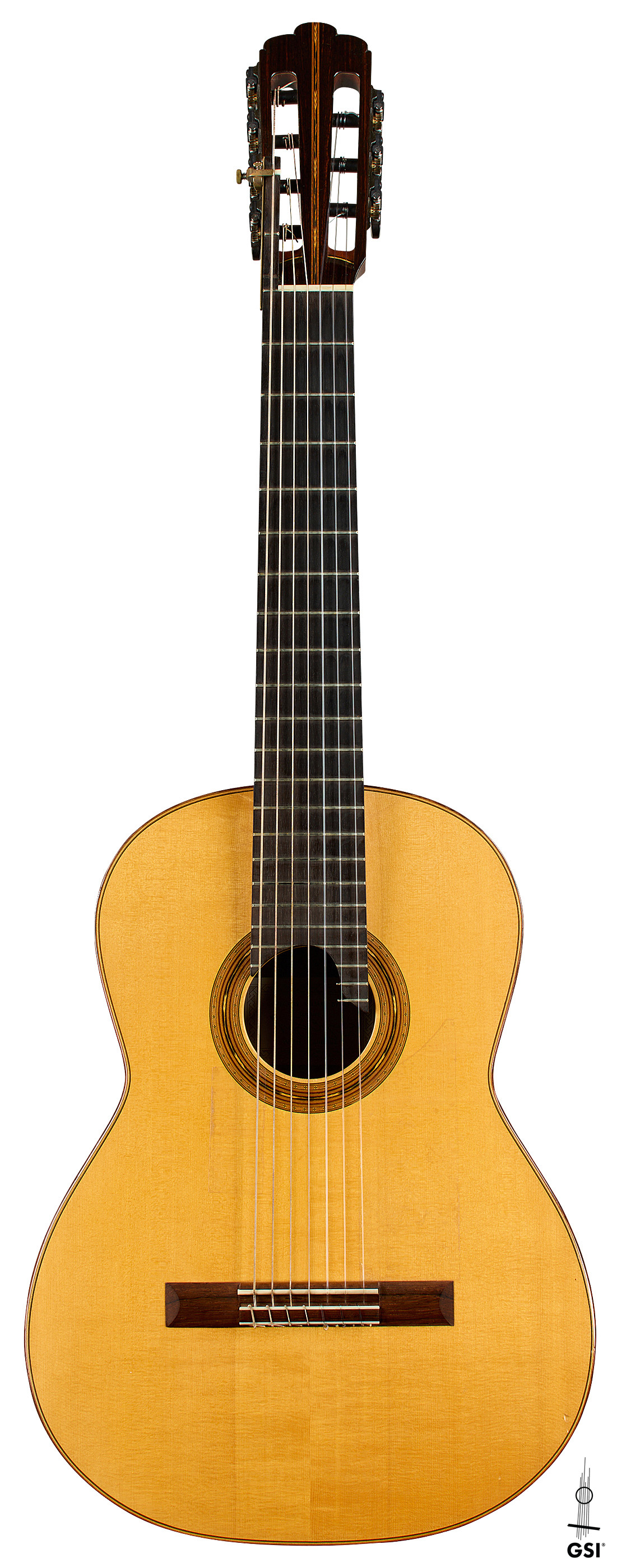
 This 2007 Gregory Byers 7-string is a spruce and African rosewood classical guitar from Willits, California, made for Grammy award-winner John Dearman of the Los Angeles Guitar Quartet – his concert and recording guitar with the LAGQ for years.
Built for John Dearman of the Los Angeles Guitar Quartet
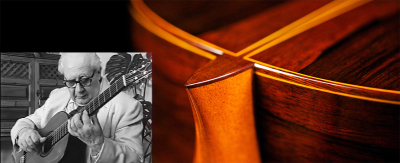
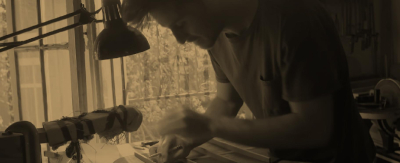
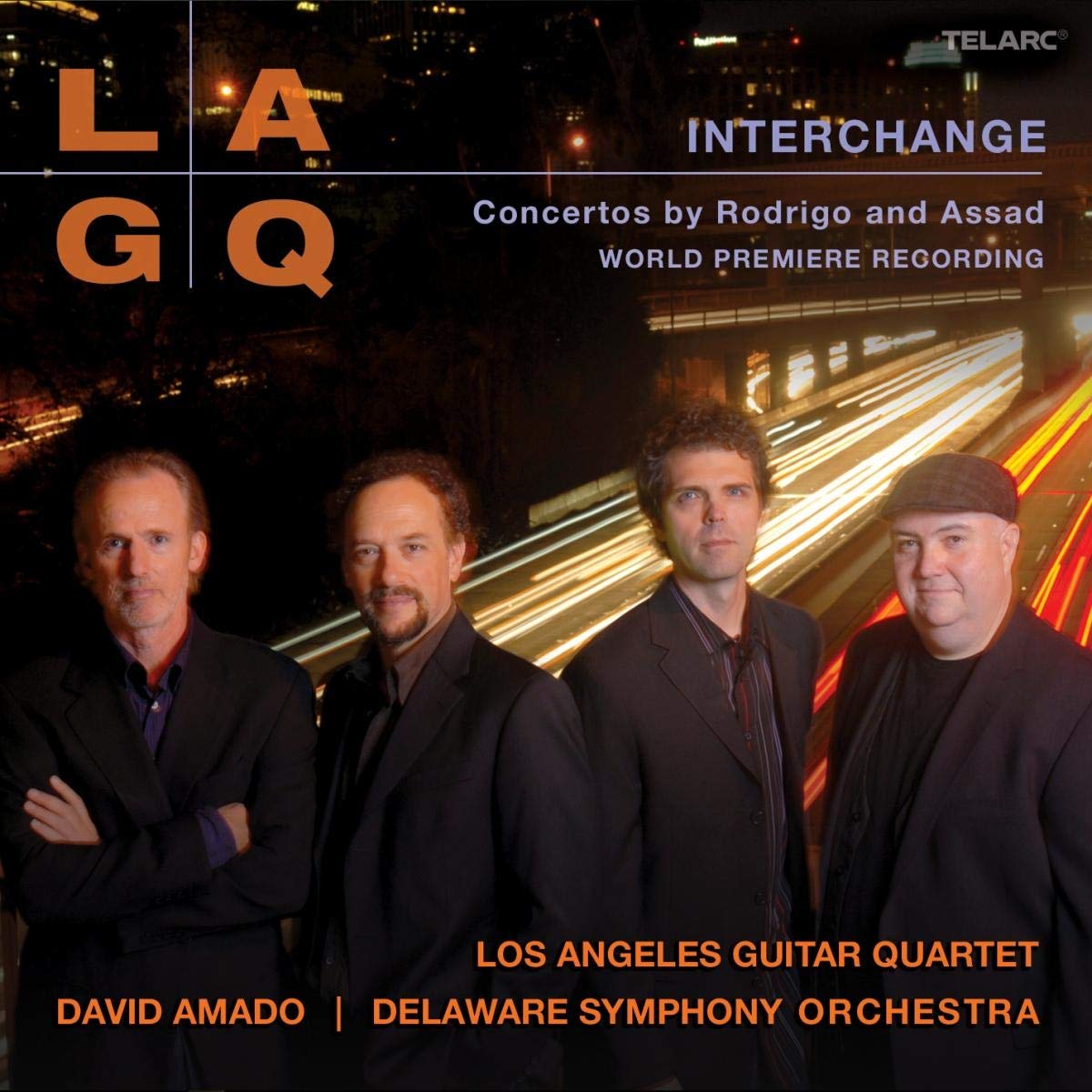
Greg Byers is one of the most established US luthiers, having been building for over 40 years. Several notable players have concertized and recorded on Byers classical guitars, including David Russell for his album of the music of Torroba and David Tanenbaum for his album "Great American Guitar Solo". This 7-string guitar was built in 2007 for John Dearman, who used it on the LAGQ album "Interchange" featuring the music of Rodrigo and Assad. See John's reflections below for more insight.
Greg Byers' Elongated Lattice Bracing
It features Greg's unique system of stretched/elongated lattice braces, which are actually two sets of overlapping fan systems. For added structural strength, there are two "floating brace" systems that originate from the extremities of the lower harmonic bar, angled towards the foot block, where they attach. This bracing system has a much more traditional sound, and an open, loose and warm quality to the tone that is not found in "typical" (i.e. Australian) lattice-braced guitars.
A 7-String Classical Guitar for Ensemble and Transcription Work
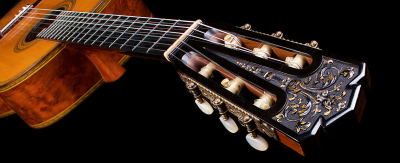
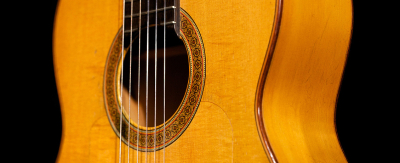
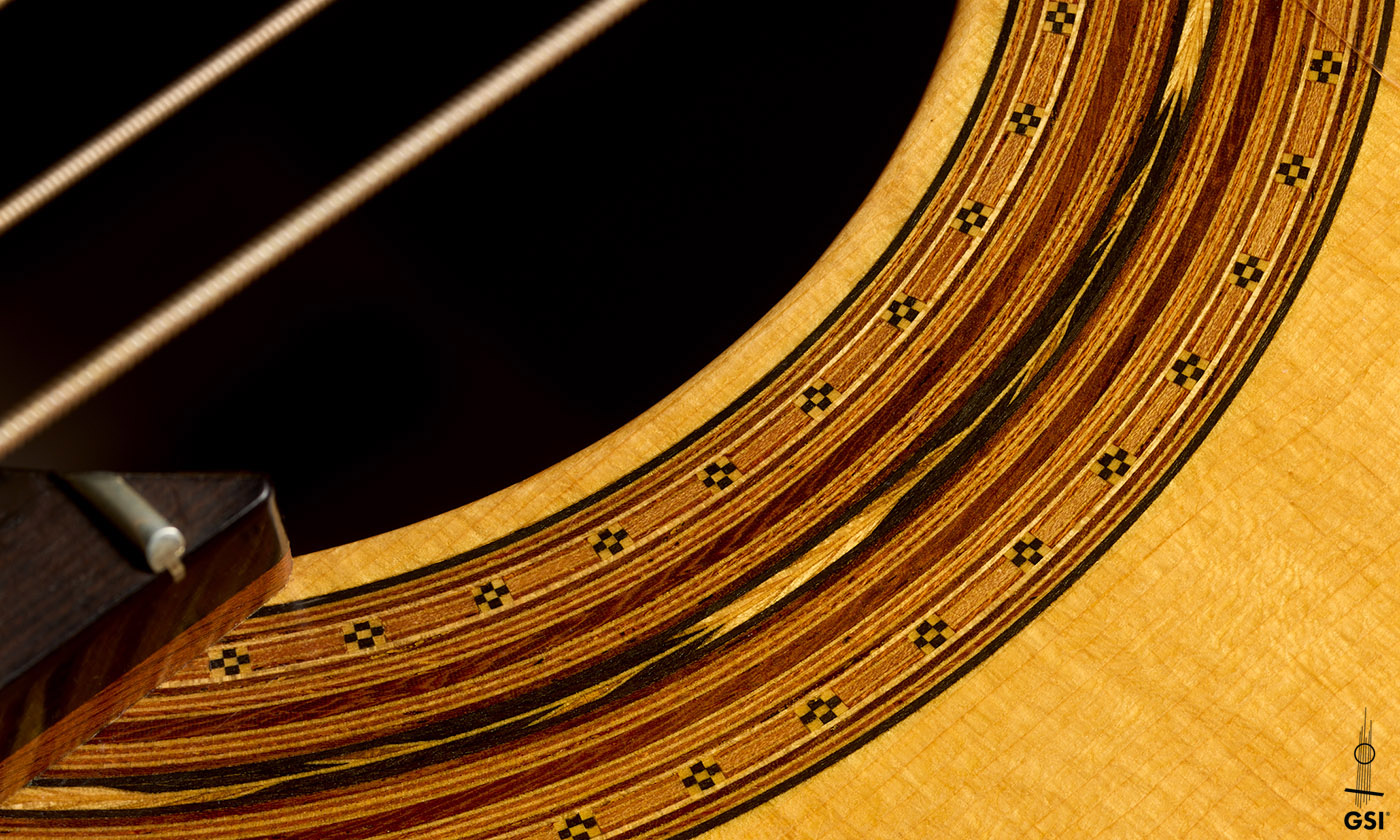
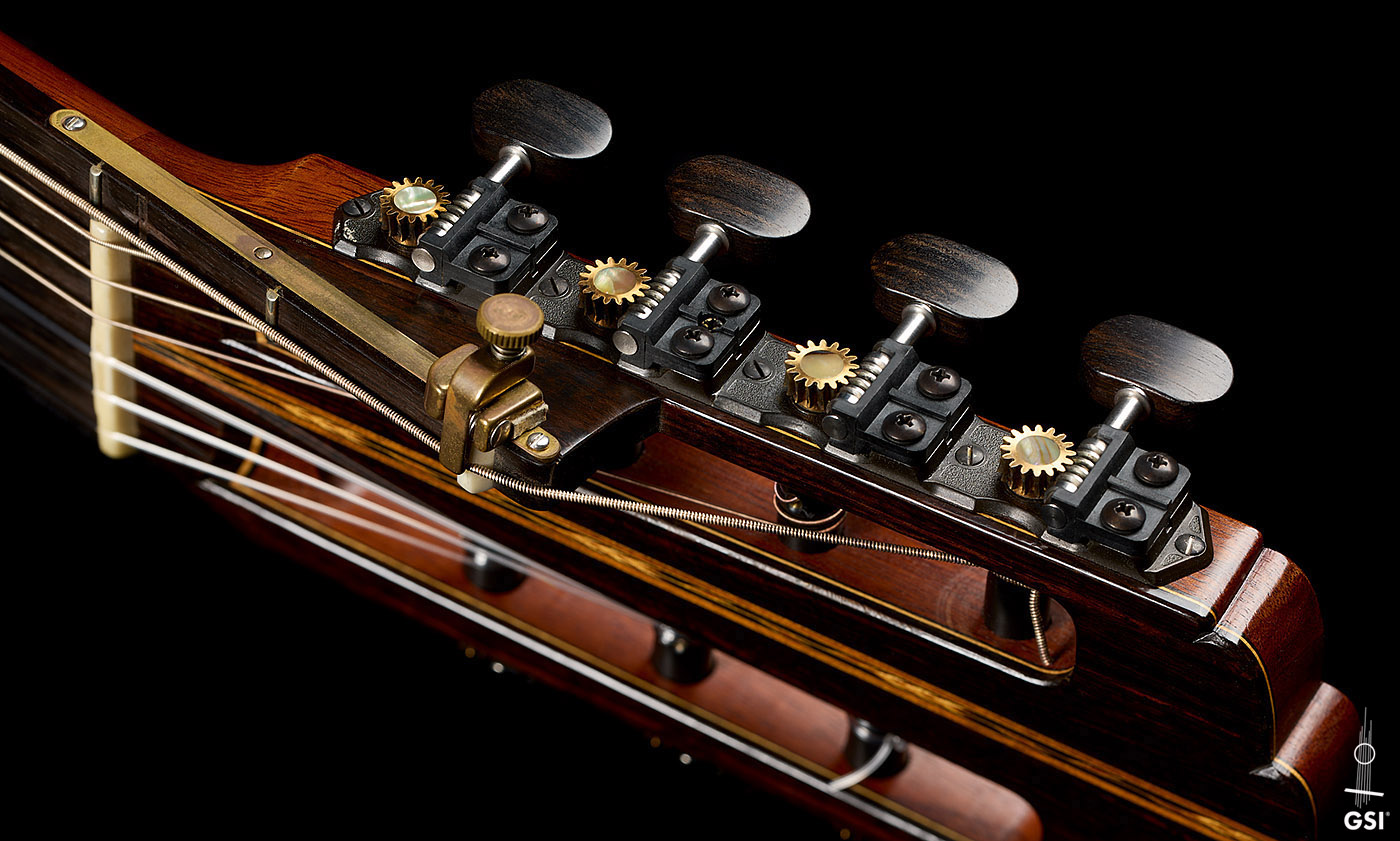
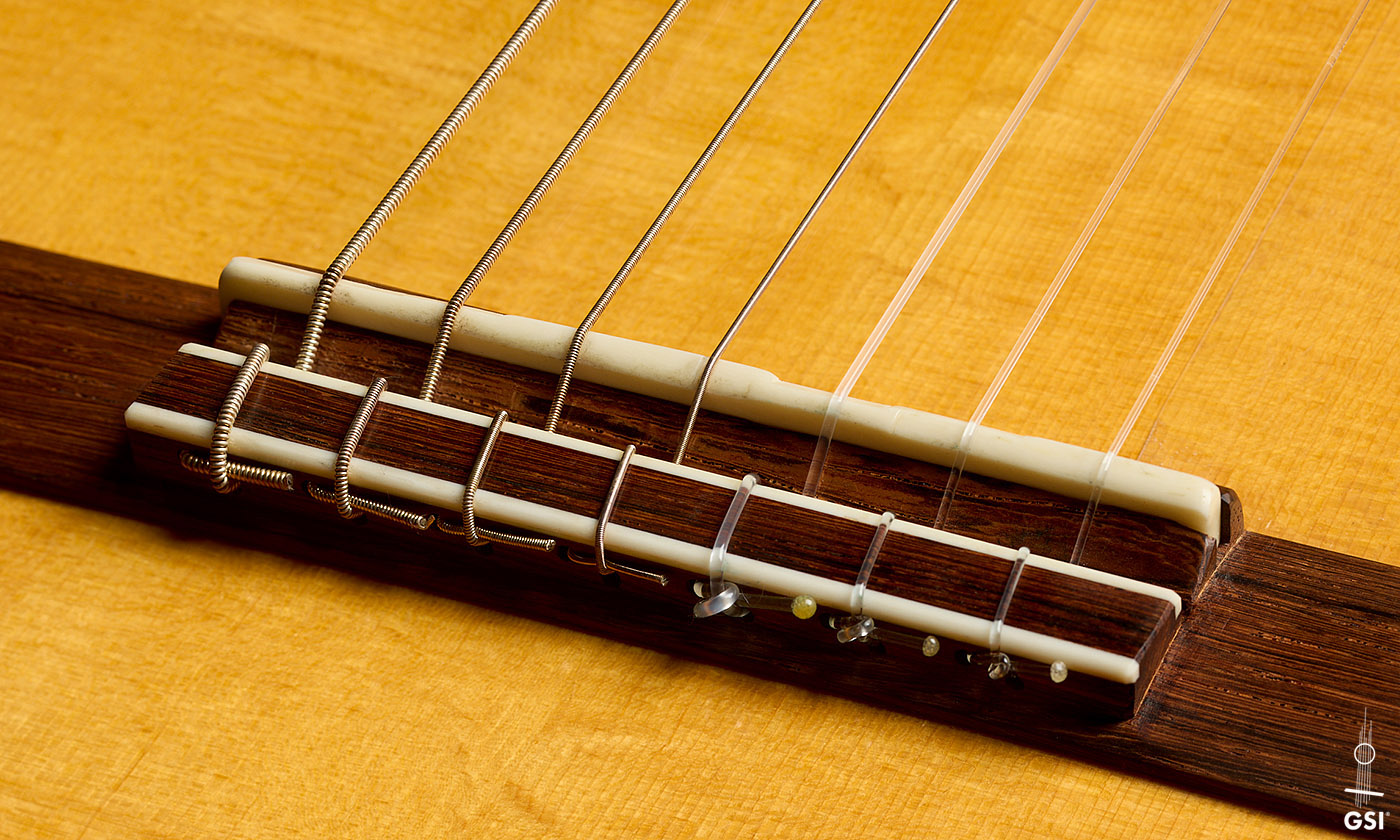
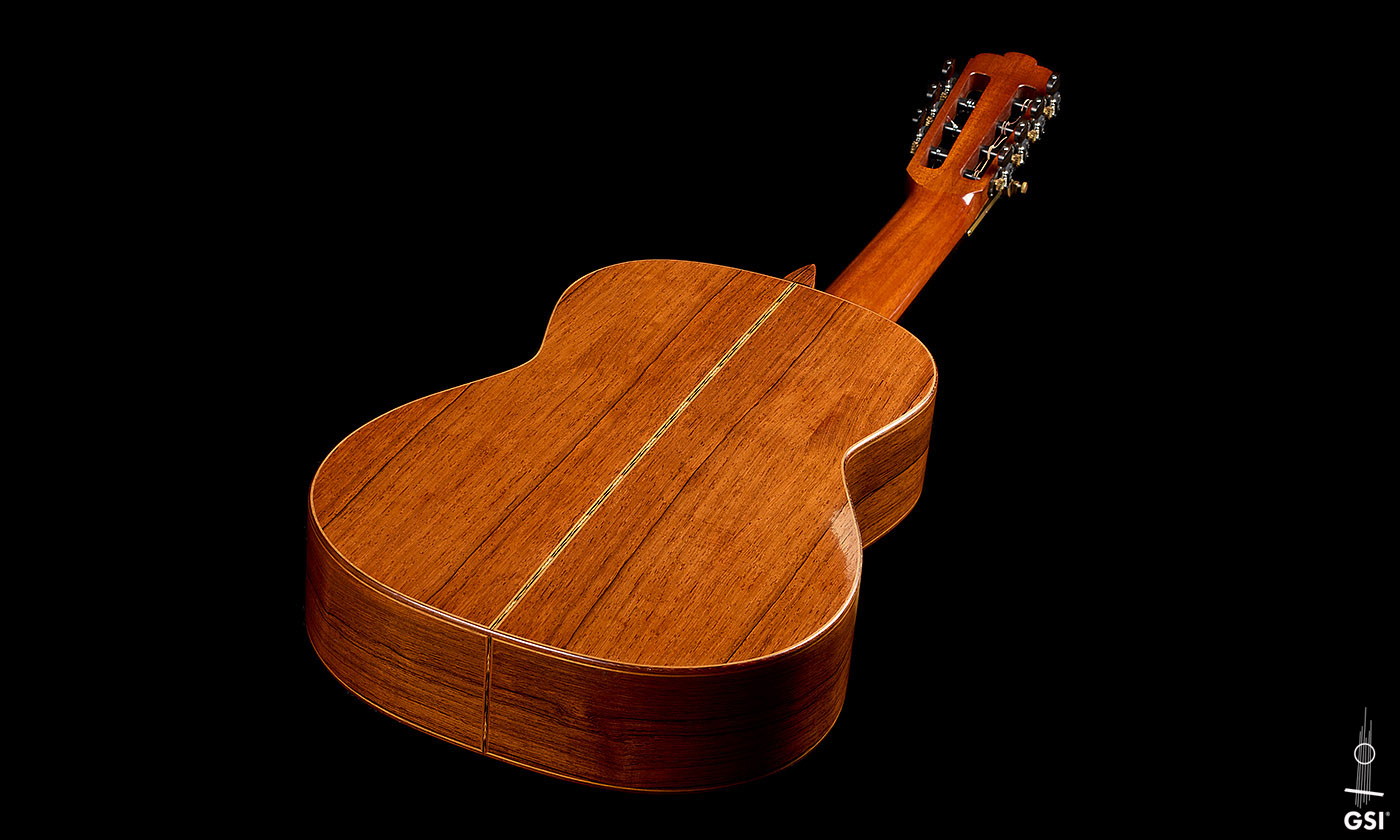
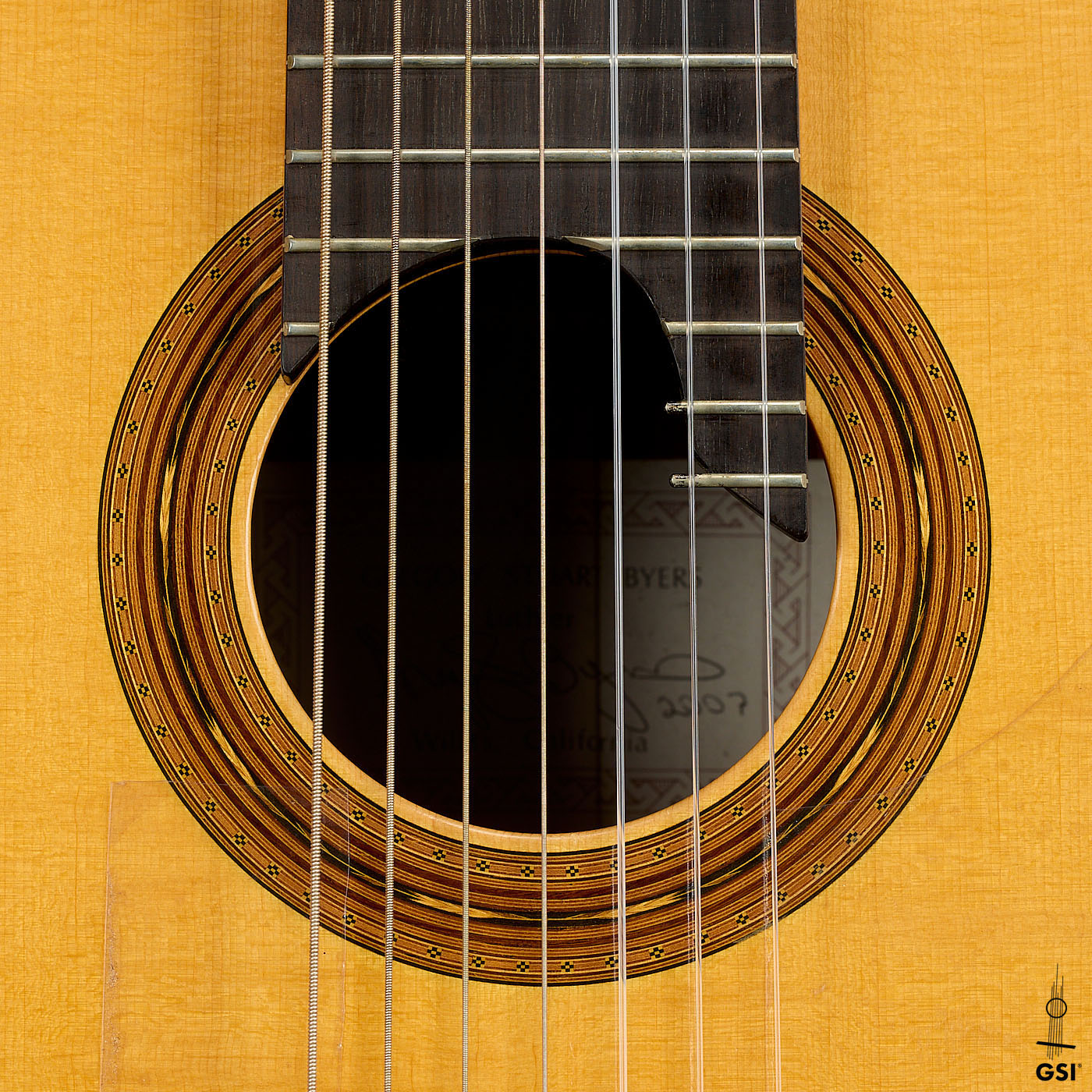
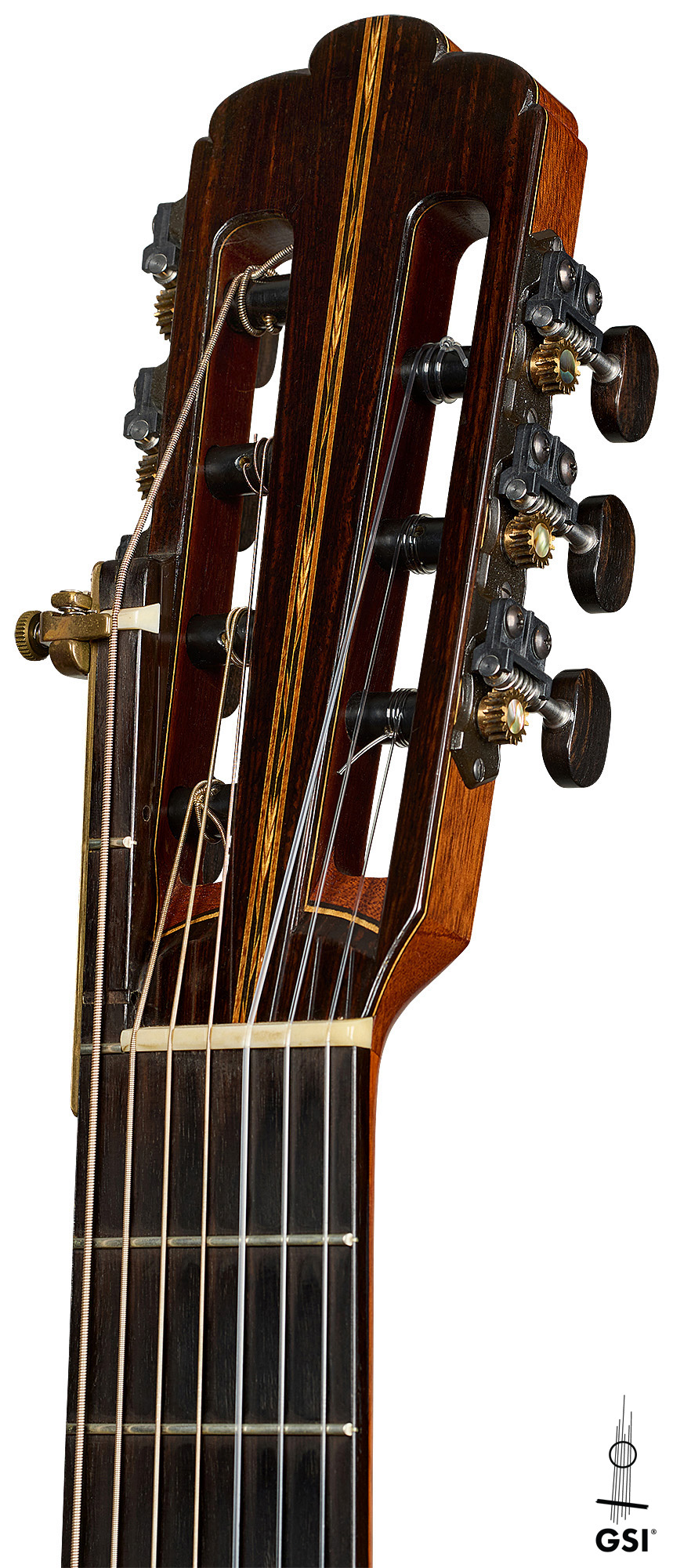
Playability is excellent: it has an elevated fingerboard and 7th-string extension done to John Dearman's specifications, and the set-up is perfect and concert ready. Materials are beautiful, including a gorgeous set of lightly colored African rosewood with some lovely and subtle patterns in the grain. Greg's inlay work is beautiful too – most notably his use of alternating leaves and ears of wheat in his purflings, found in the central part of the rosette, back seam and head strip. Tuners are industrial-strength Gilberts. The guitar is in pristine structural condition with no damage or repairs, only some cosmetic wear in the finish from years on the stage and in the studio. Beautifully built, this is a perfect instrument for a recitalist looking for great projection and ease of play, with some added bottom-end range suitable for ensemble or transcription work requiring a larger range of notes.
In John Dearman's Words
I had long been an admirer of Greg's work – he was a very notable maker in the early 2000s – but I was never knocked out to the point of swapping one out for my 1999 Humphrey 7-string. But I was in the Bay Area at one point and met a guy who was a very good player and composer of his own music, somewhat influenced by the music of India. He had a 7-string spruce Byers that sounded fantastic and when I got a chance to play it I really loved it. So I got in touch with Greg and asked if he would be able to duplicate the exact sound of the guitar that I had tried, he said yes, and he did! I played this 2007 guitar with LAGQ in concert for many years and even played it on our recording "Interchange" featuring Rodrigo's "Concierto Andaluz" and Sergio Assad's "Interchange".
– John Dearman, November 2025