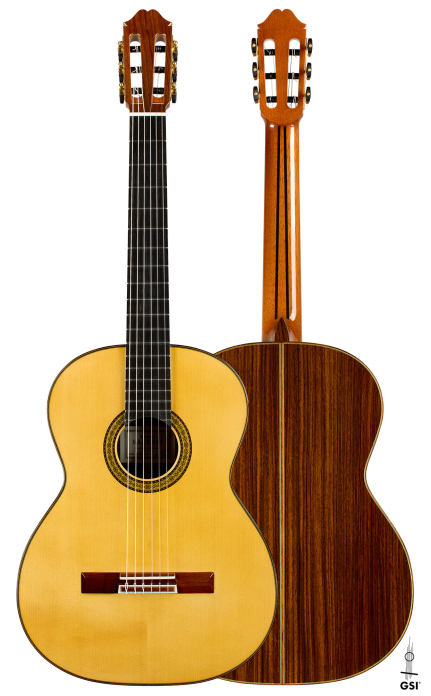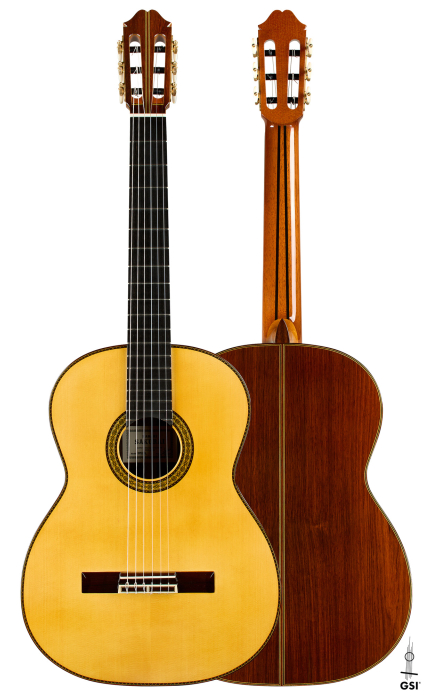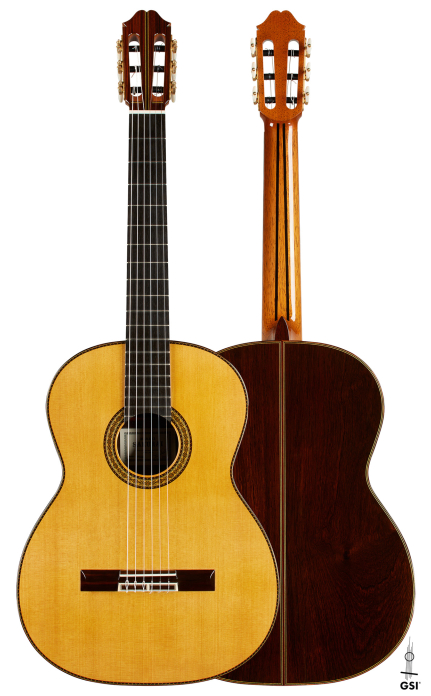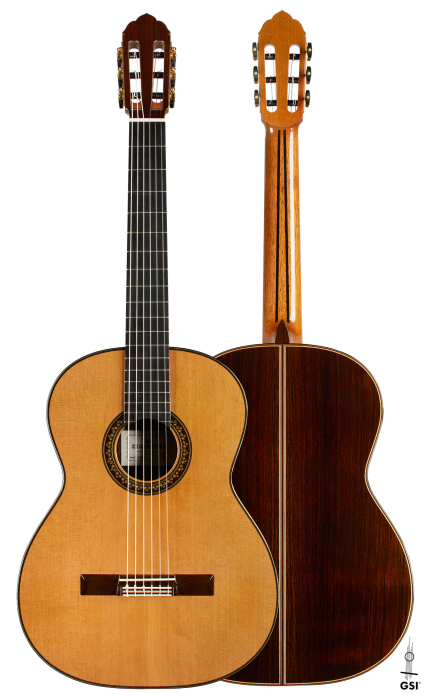



2026 So Kimishima “Sol” CD/AR
| Year | 2026 |
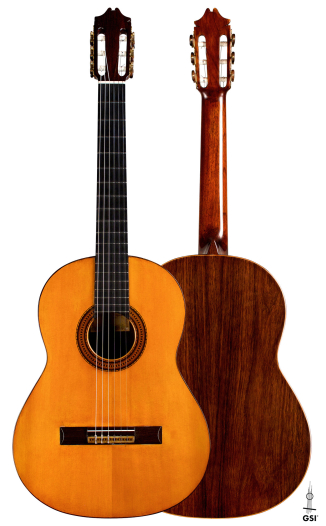
| Top | Cedar |
| Back & Sides | African Rosewood |
| Scale Length | 650 mm |
| Nut width | 52 mm |
| Finish | French Polish Top |
| Condition | New |
| Country | Japan |
| Exchange | ExchangePlus |
| Luthier | Kohno, Sakurai & Kimishima |
$10.000,00
Applicable sales tax and shipping charges will be added at checkout.
Details
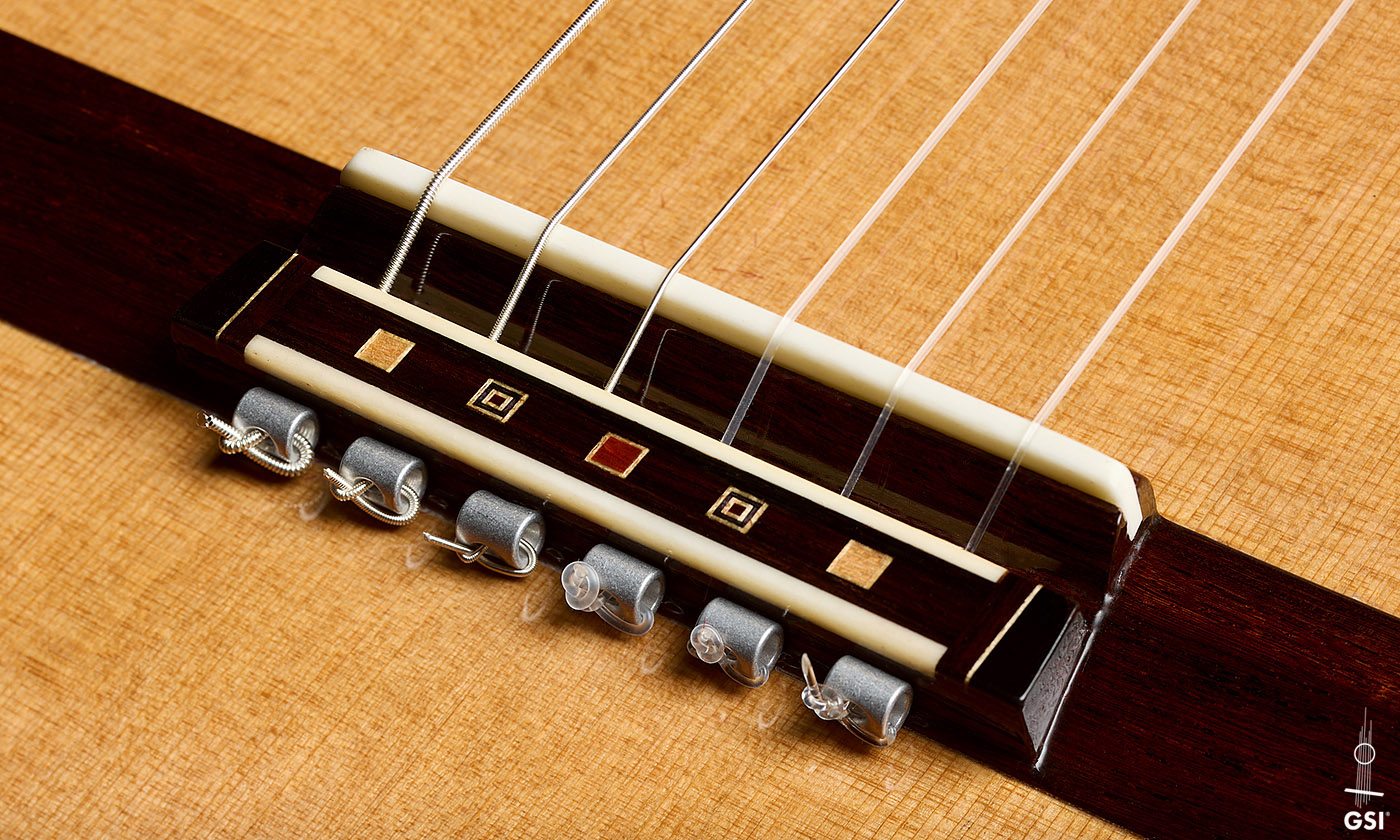
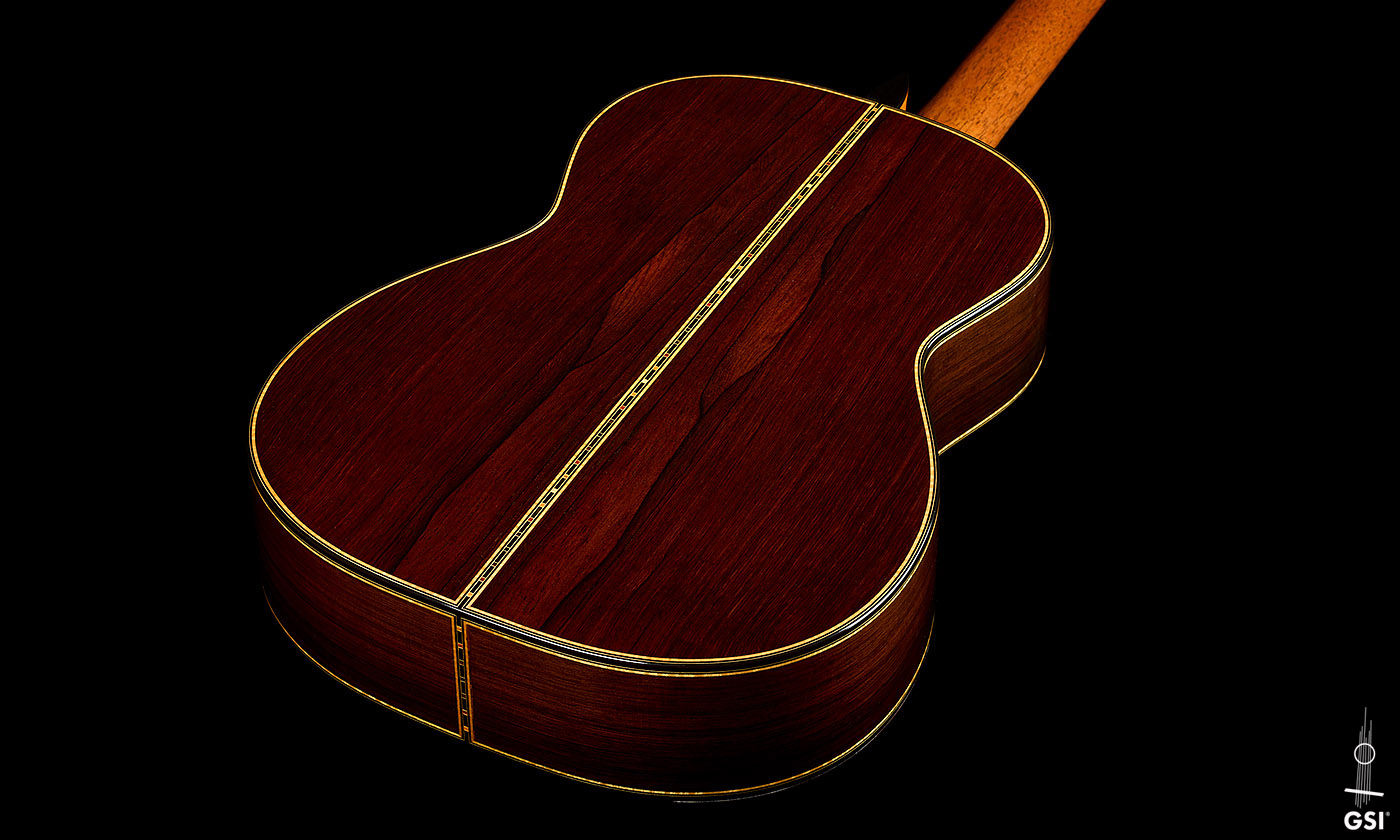
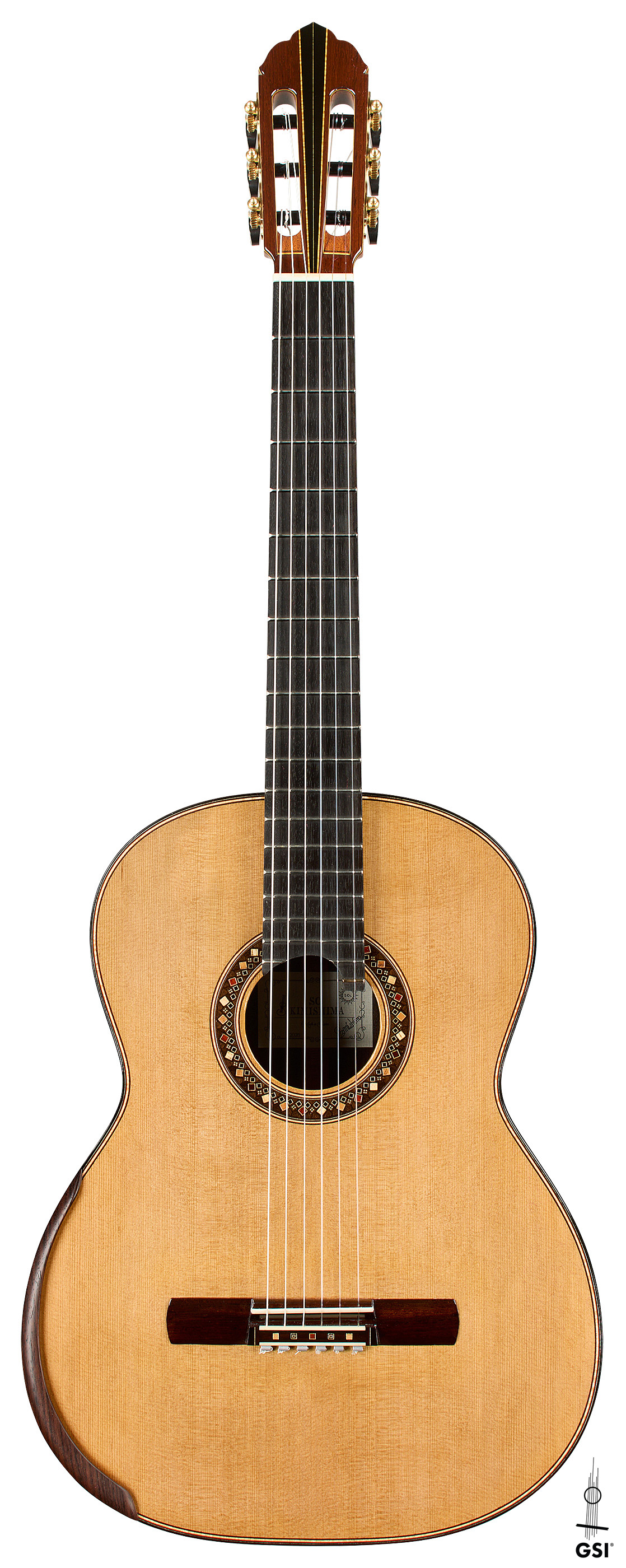

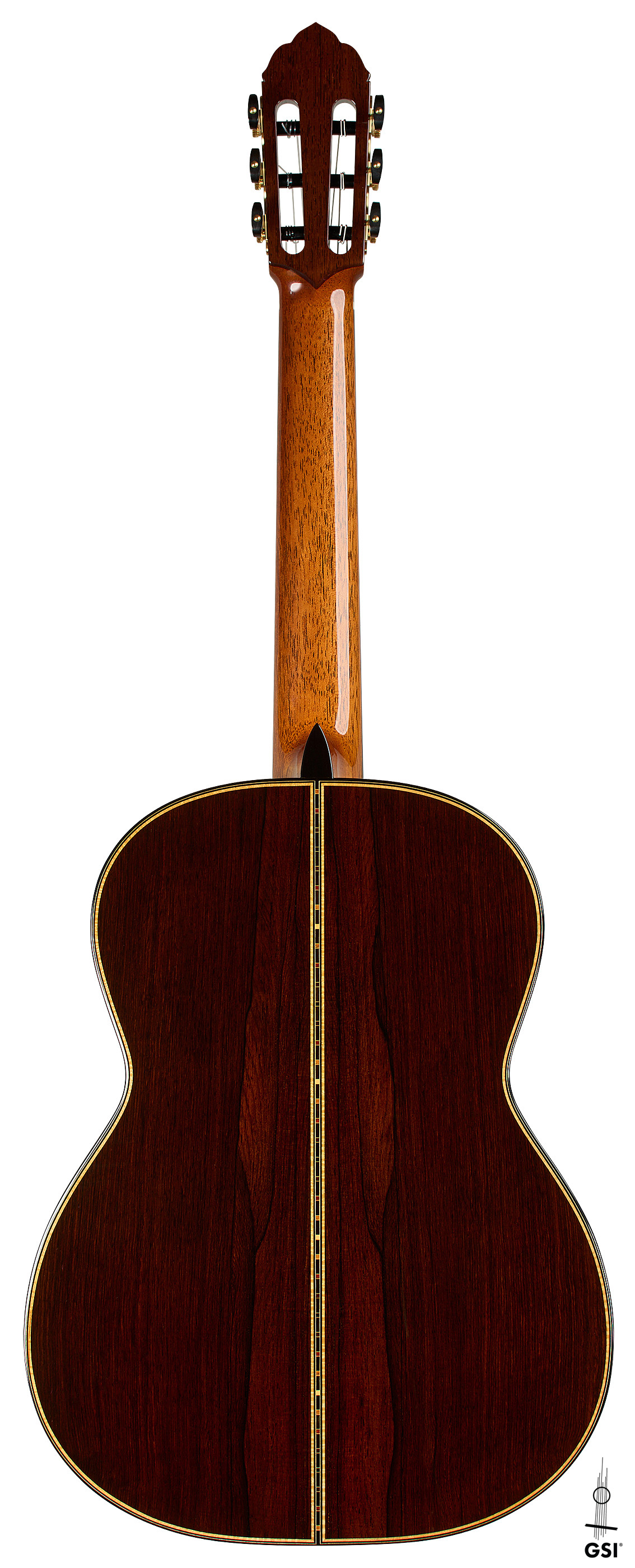
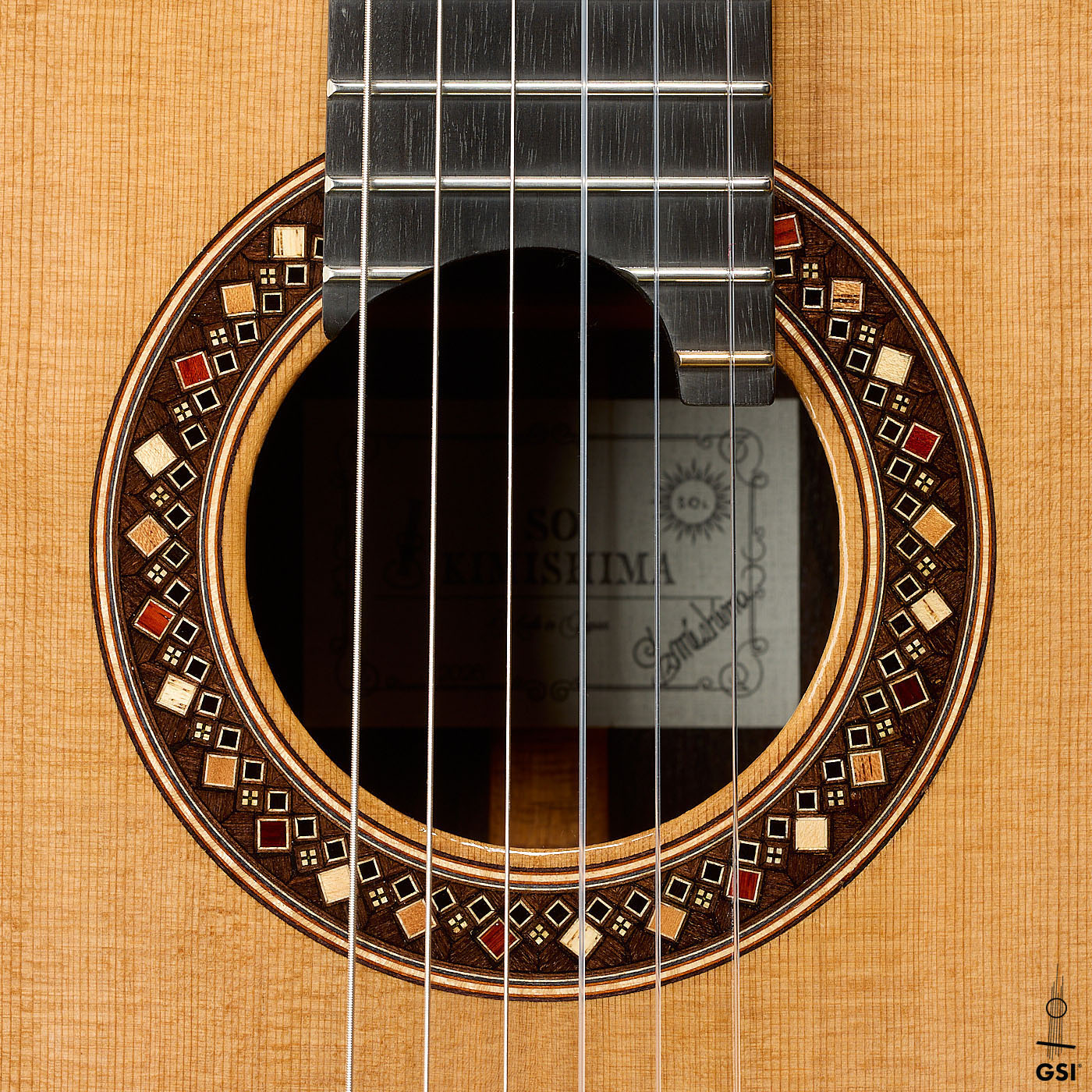
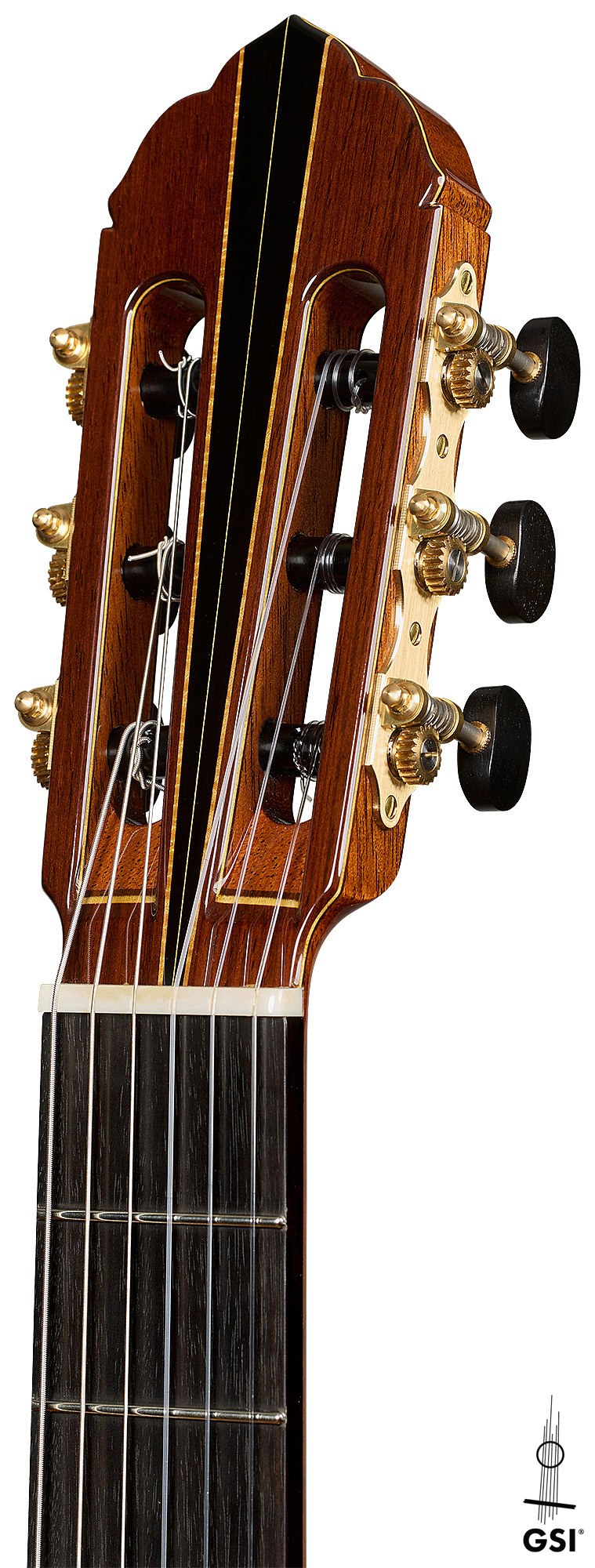
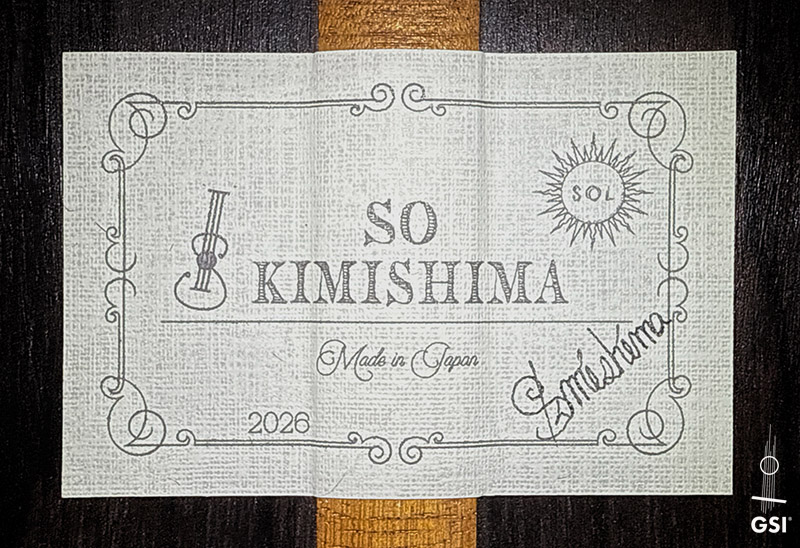
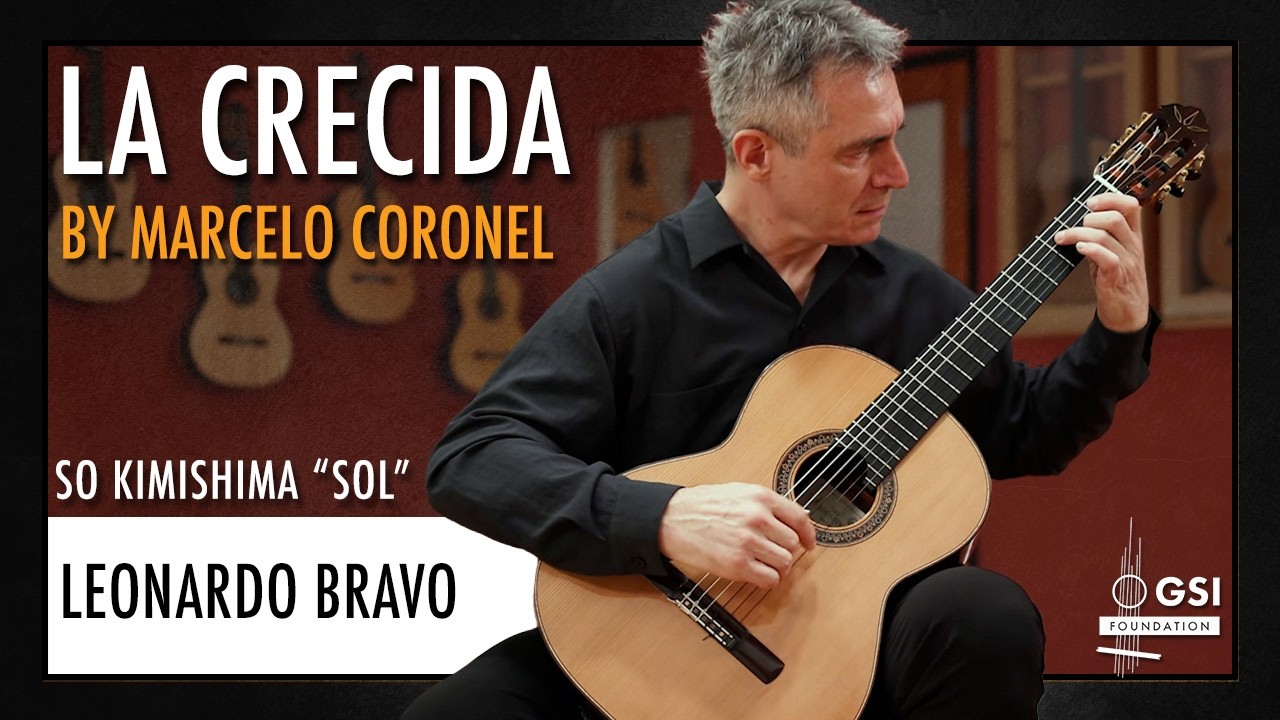
Leonardo Bravo performs 'La Crecida' by Marcelo Coronel on a So Kimishima "Sol" classical guitar
Description
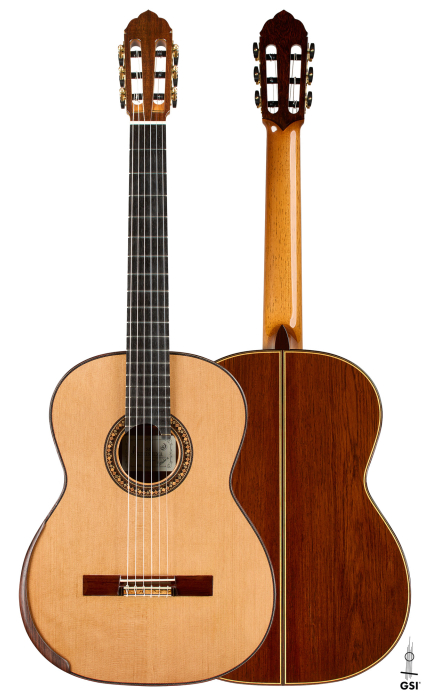
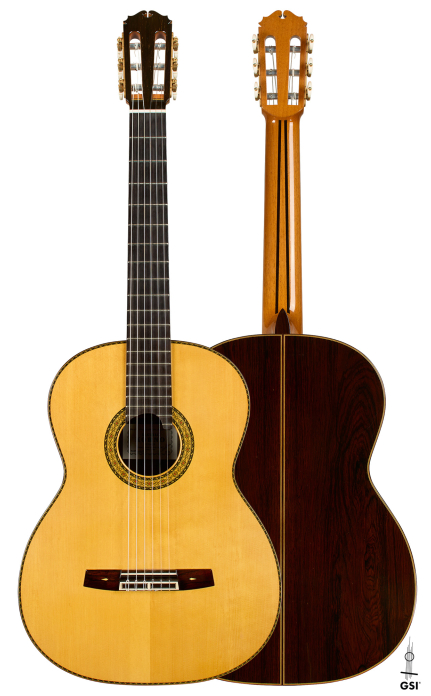
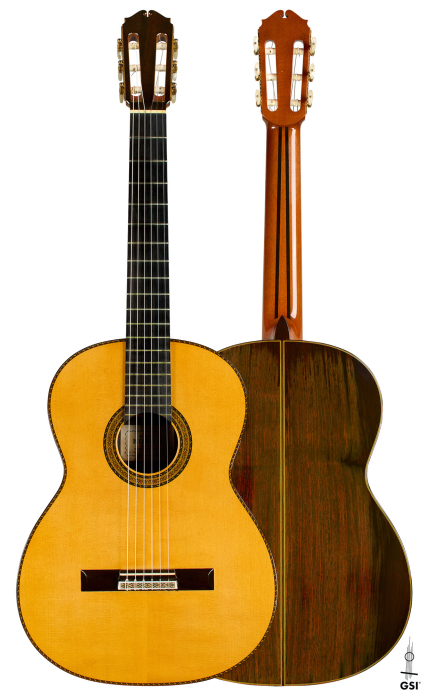
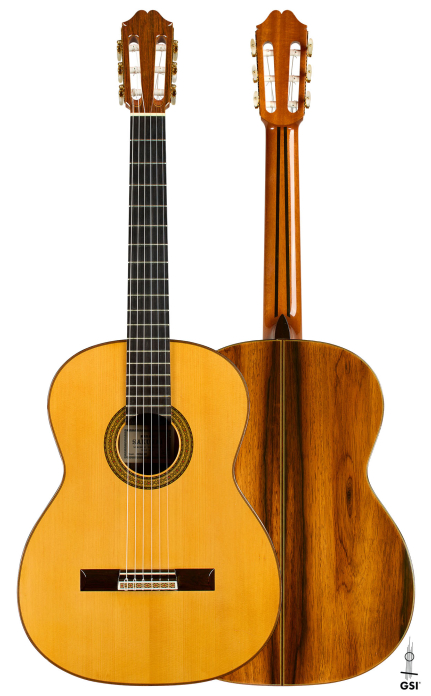
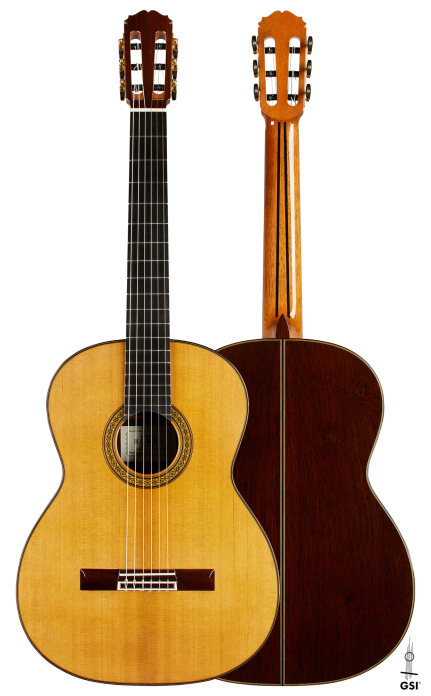
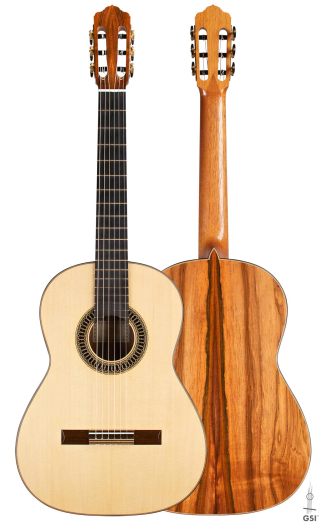
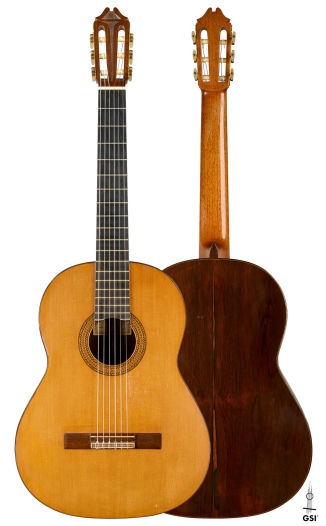
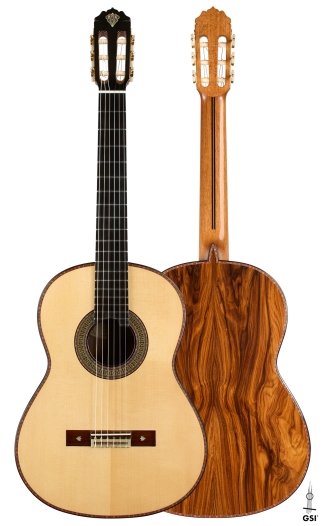
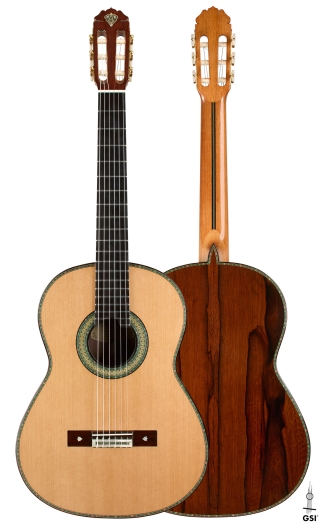
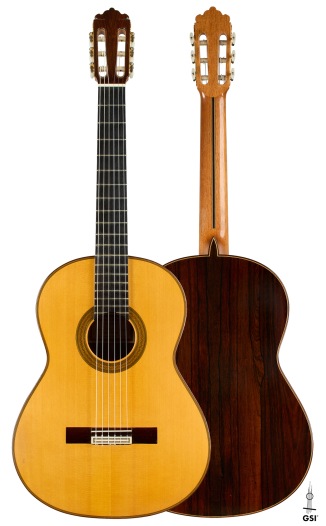
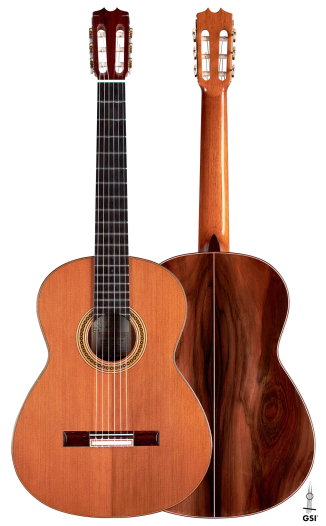
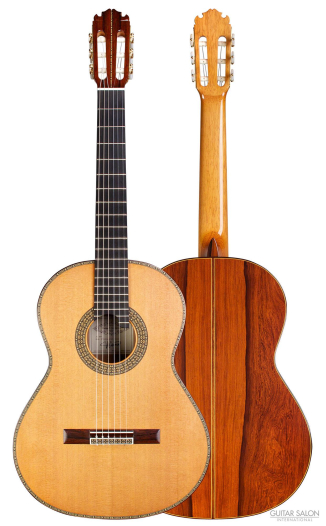
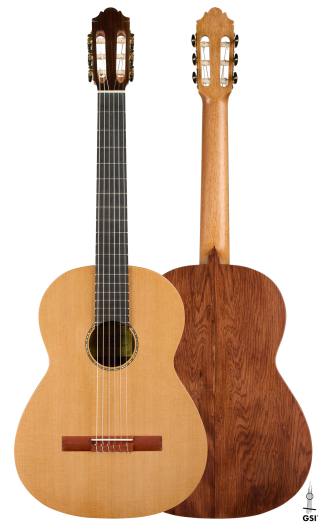
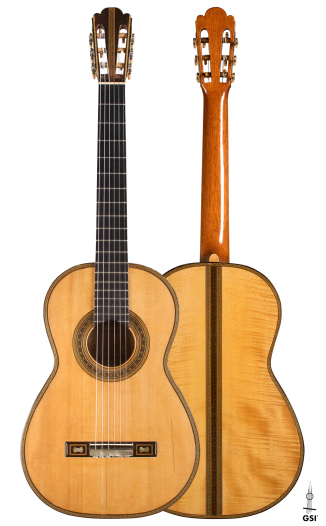
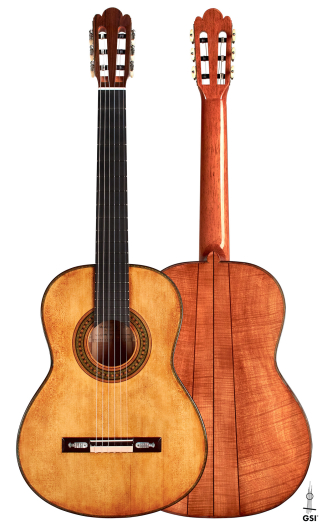
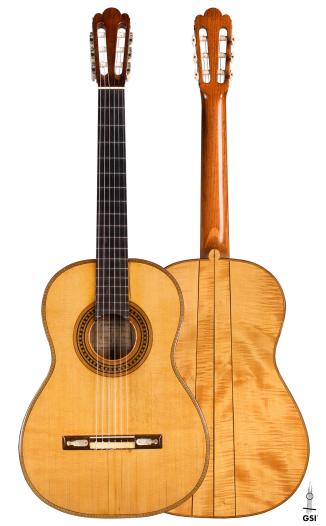
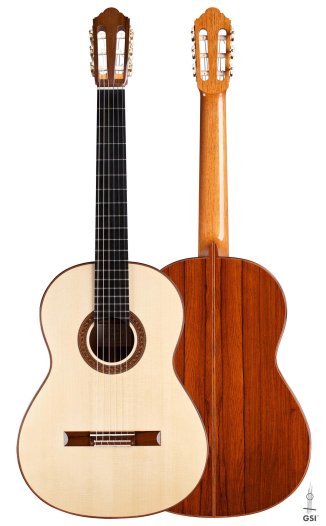
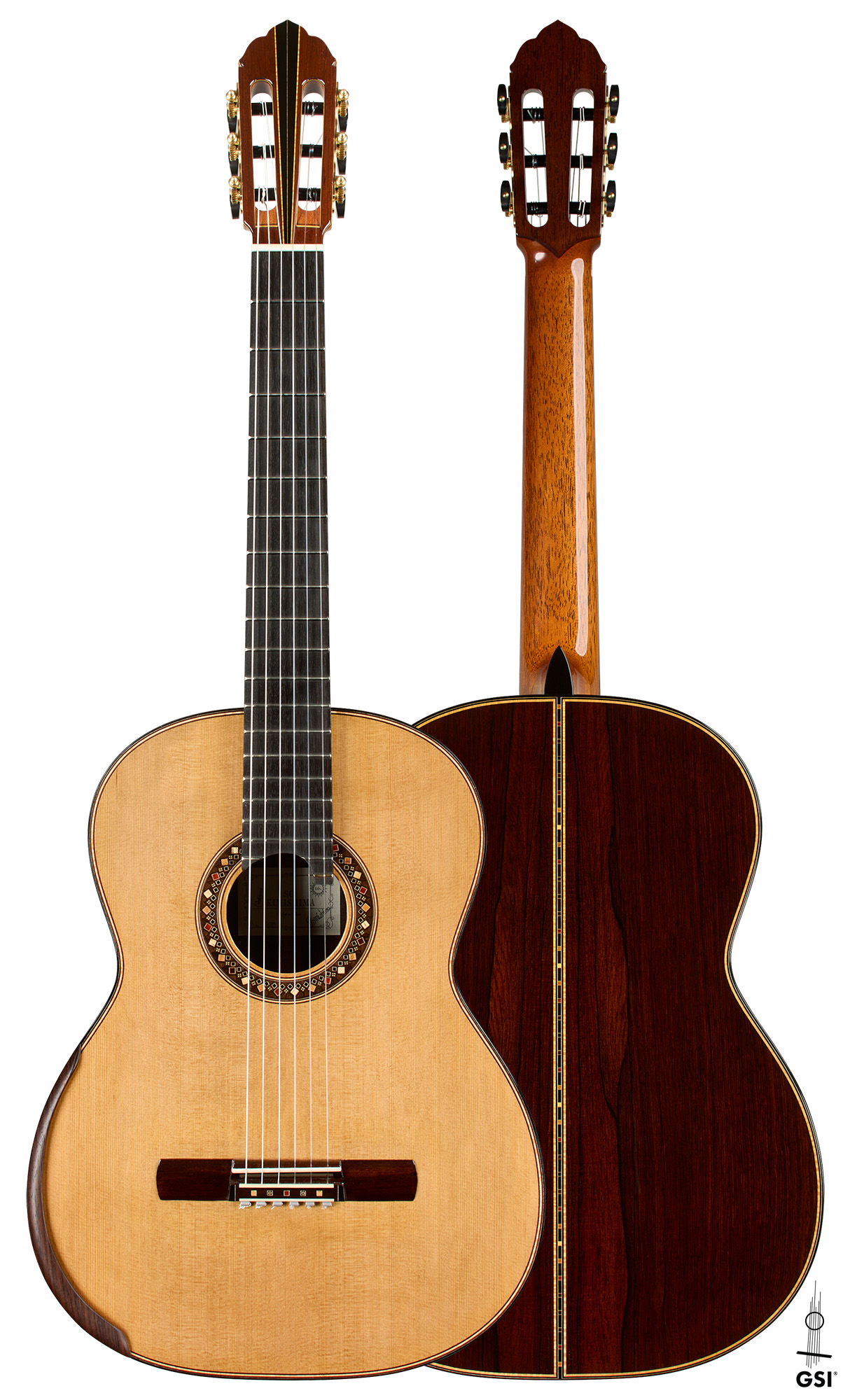
 This 2026 So Kimishima “Sol” is a new classical guitar with a cedar top and African rosewood back and sides, made in Tokyo, Japan, at the Sakurai-Kohno workshop – the flagship model of Masaru Kohno’s grandson.
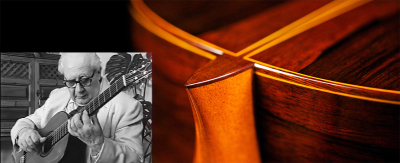
So Kimishima, Grandson of Masaru Kohno
So Kimishima is the grandson of the greatest classical guitar luthier from Japan, Masaru Kohno, and has been a member of the Sakurai-Kohno workshop since 2007, where he has worked and trained with the great Masaki Sakurai. Although clearly influenced by the designs of both Sakurai and Kohno, Kimishima also infuses his own personality into his guitars. This is his newest, very personal model, which he calls “Sol”, and it represents a new phase in his output by introducing several design modifications and improvements.
Double Sides with “Peones”
This includes the use of double sides with embedded “peones” that are individually fit into notches in the sides that attach to the top. This creates a stronger bond between the soundboard and the sides, which not only adds better structural support but a richer, louder quality of sound due to the vibration being isolated to the soundboard and not lost to the sides.
Ebony-Reinforced Neck and Cashew Finish
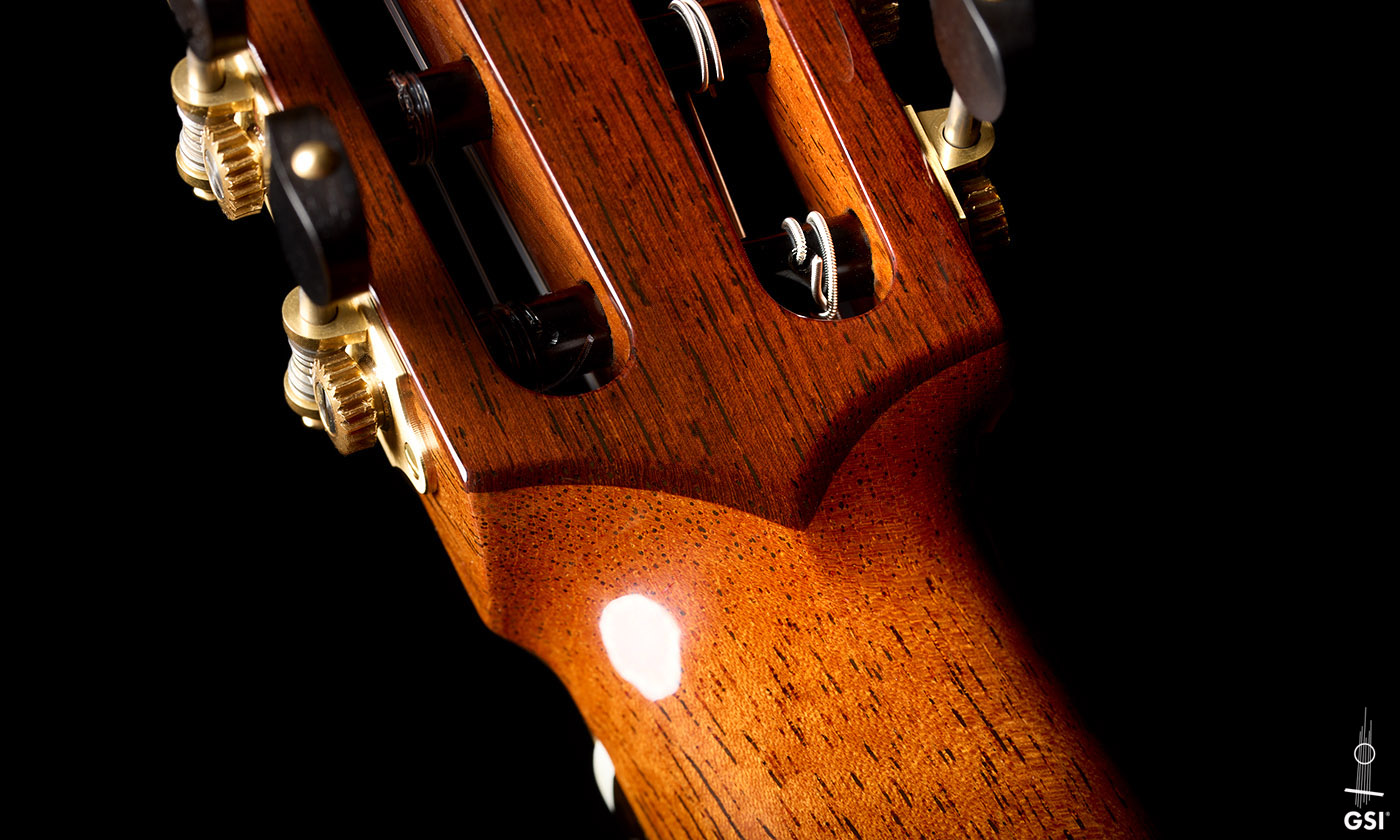
He has also introduced a system of ebony panels in the neck (including the material used for the elevated portion of the fingerboard that attaches to the top) for improved reinforcement and stability, in place of the previous “double T-brace” system (which can be seen from the neck) on previous generations of Kimishima, Sakurai and Kohno guitars. The finishing now uses French polish for the top and a single coat of cashew for the body, which is no longer applied over a lacquer sealer coat as before – this will improve the lifespan, appearance and durability of the finish. The back of the head also now features a rosewood veneer and a re-shape to ensure improved stability.
Frets, Tuners and Armrest
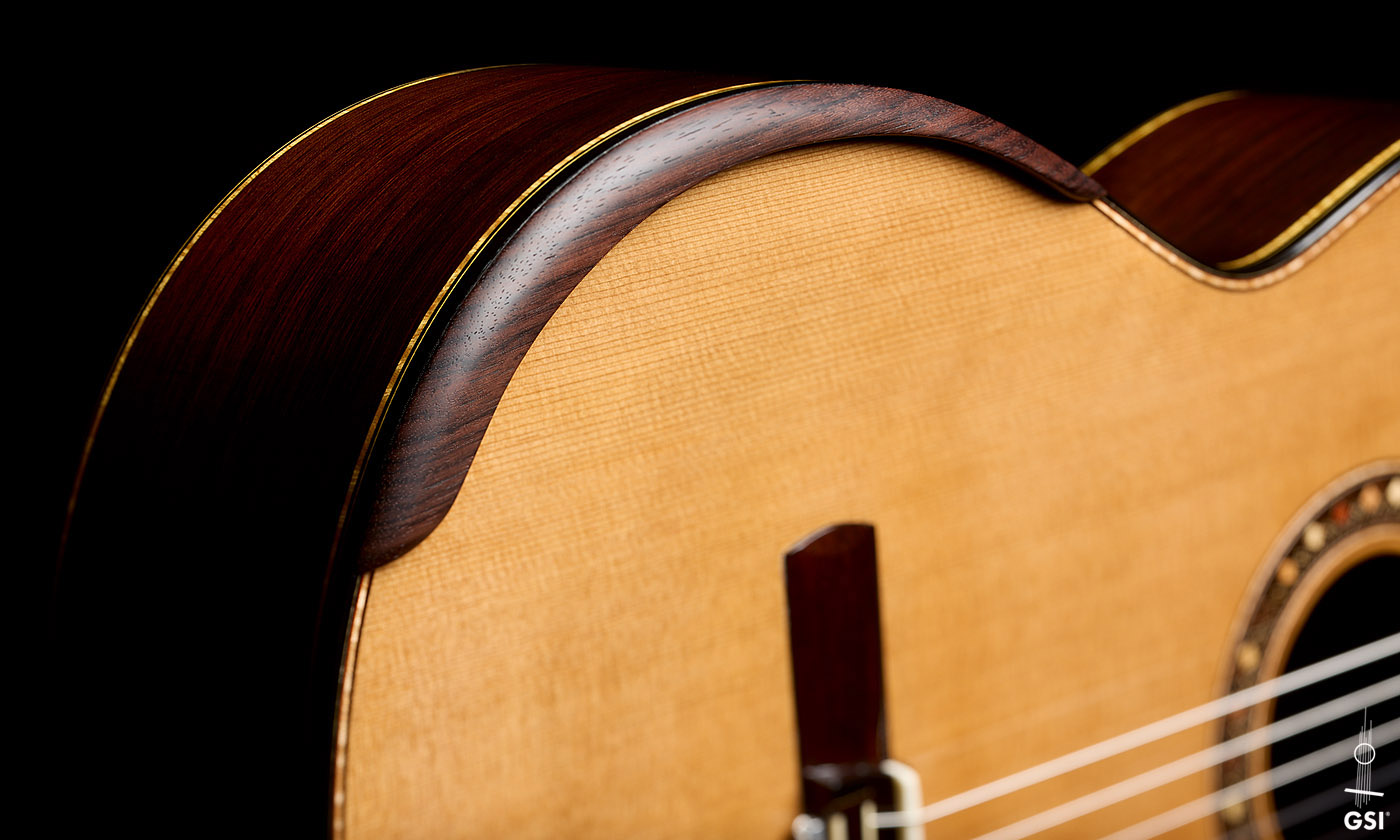
New, taller frets with rounded edges improve playability for the left hand – especially noticeable when barring or using vibrato and glissando techniques. A close look will reveal that the 1st–19th frets are of silver nickel, but the 20th is EVO gold, which Kimishima believes will produce a cleaner, more brilliant C natural due to the harder gold material. Finally, the guitar is fitted with new Gotoh tuning machines, customized to Kimishima’s specifications, and a rosewood armrest for improved comfort.
In the Tradition of 1950s–60s Kohno Guitars
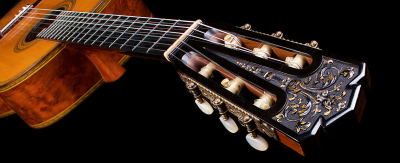
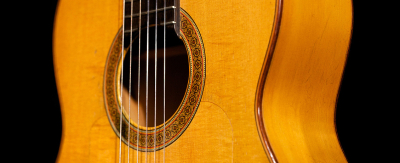
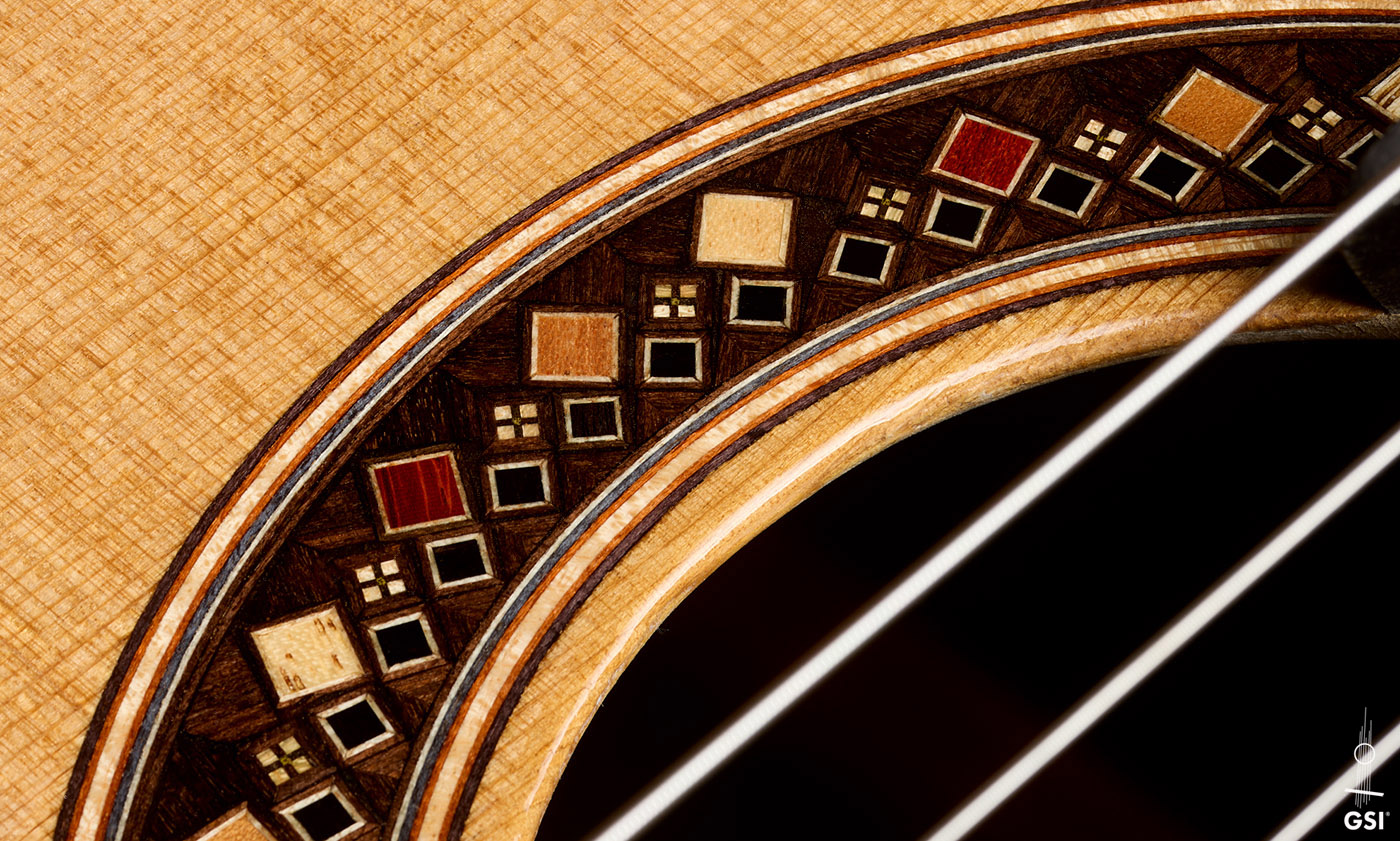
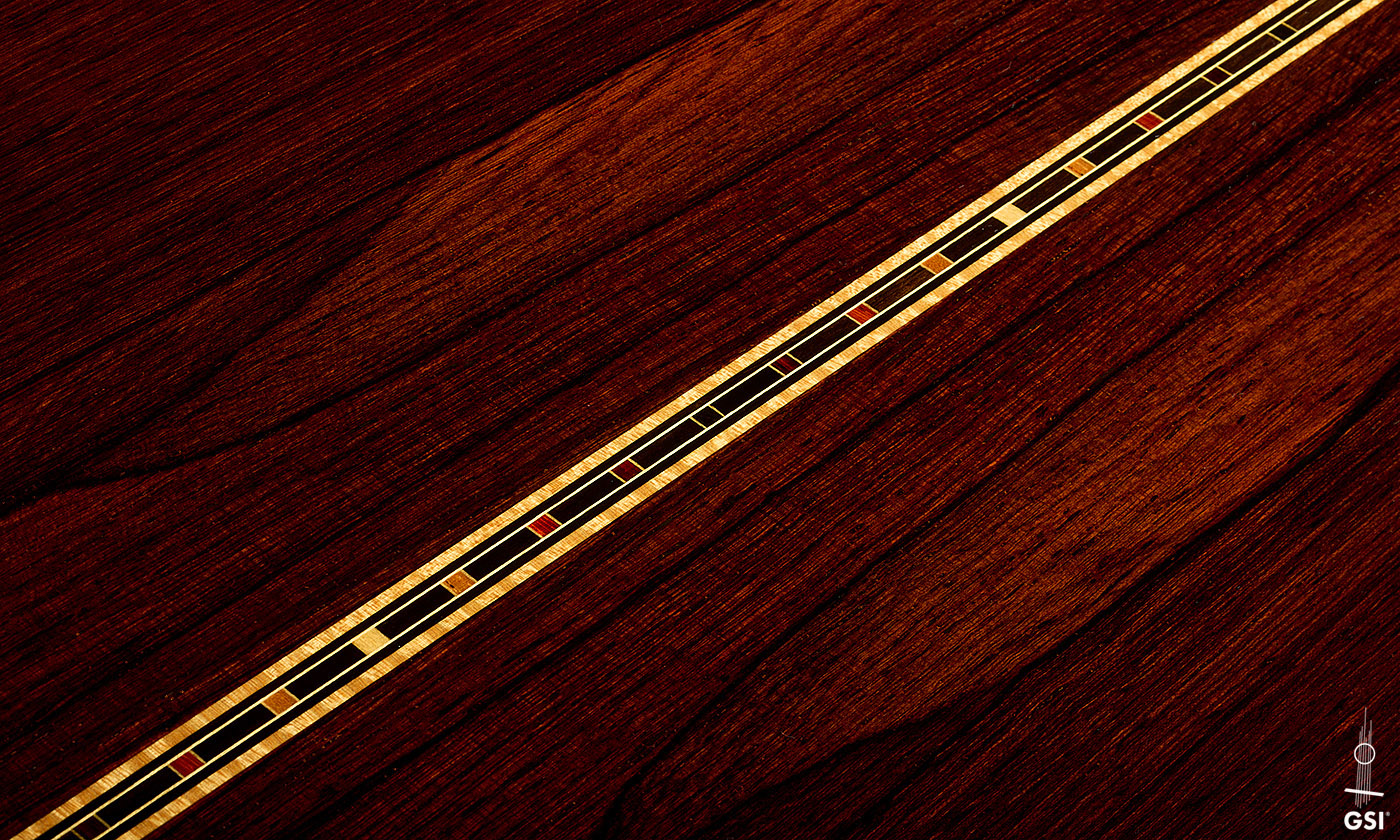
Based largely on the sound of Masaru Kohno’s guitars from the 1950s–1960s, he adds design ideas and techniques learned from his master, Masaki Sakurai. The most unique and different feature from other Kohno/Sakurai models is that Kimishima uses different bracing designs according to the tonewood being used, as he believes the different sound characteristics of each guitar’s top material can benefit from nuancing it to its inherent strengths. As with all instruments that come from this workshop, his instruments reveal a beautiful, classic design – perfectly executed. The “Sol” model is now his top, flagship model and features his most precious and aged materials, along with additional inlay work not just in his personal rosette design but also in the center seam in the back and sides and the front headstock veneer.
Sound
The cedar top has a warm and fat sound while still retaining the clarity and balance of its spruce counterpart. There is plenty of power (rivaling many double-top guitars) here for any concert situation, including ensemble settings. Overall, a very charming and powerful concert guitar which we can recommend to anyone looking for a top-quality professional instrument.