


Guitar Salon International
+1 (310) 586.1100 | +1 (877) 771.4321
Museum
Classical Guitars
Classical Guitars
Flamenco Guitars
Flamenco Guitars
Cleveland Collection
Luthiers
Luthiers
Your Cart

Your shopping cart is empty!

Sub-Total: $0.00
Total: $0.00
Edit cart
Checkout
Museum

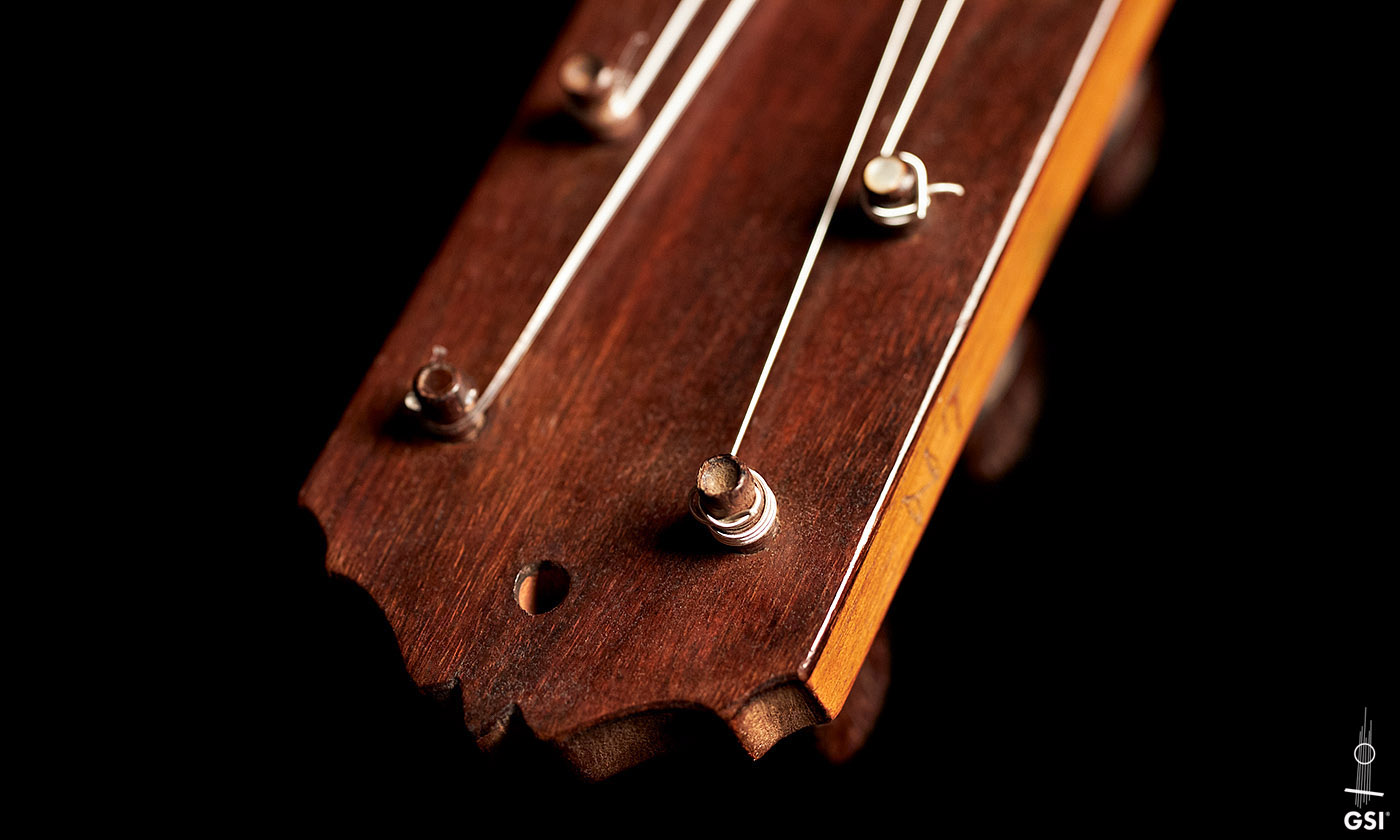
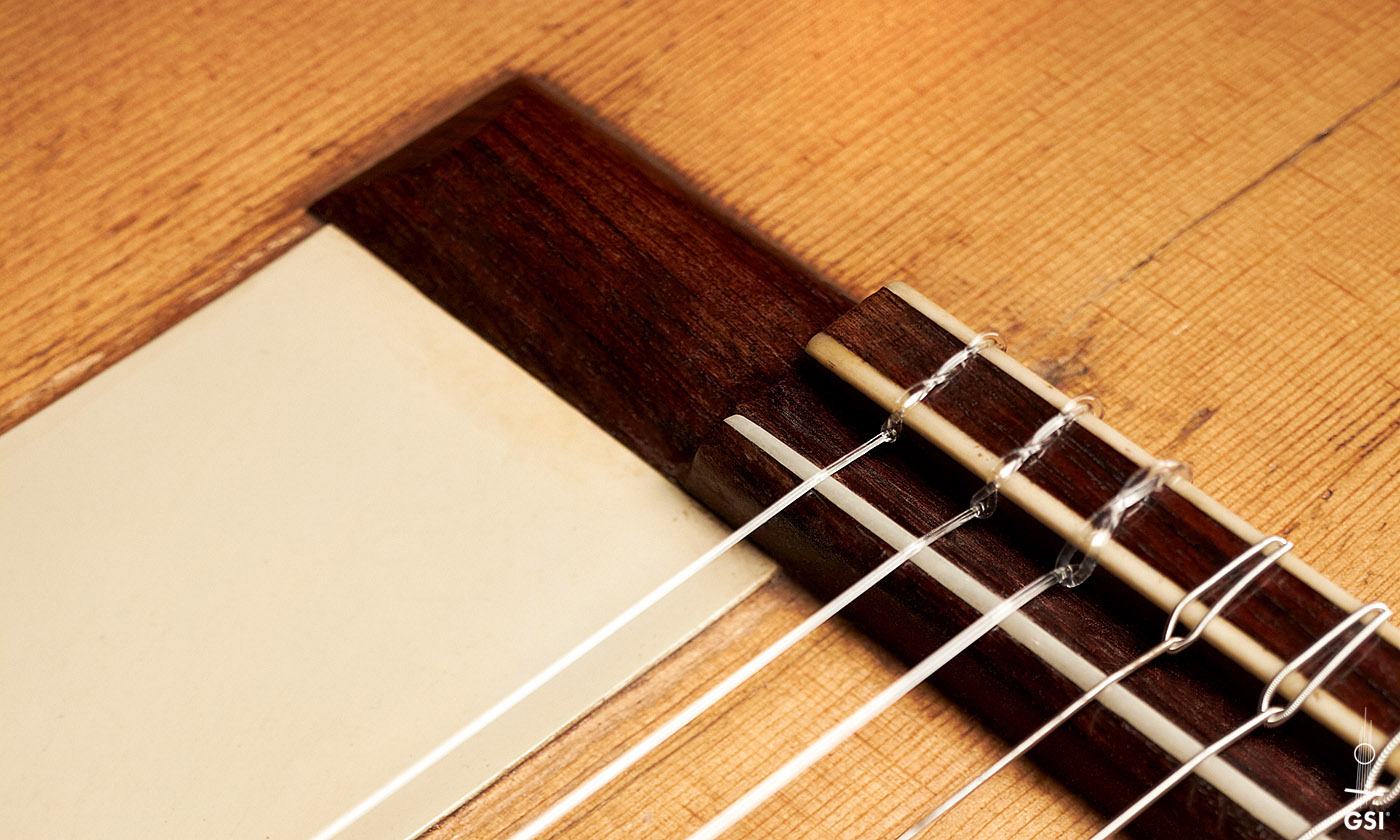
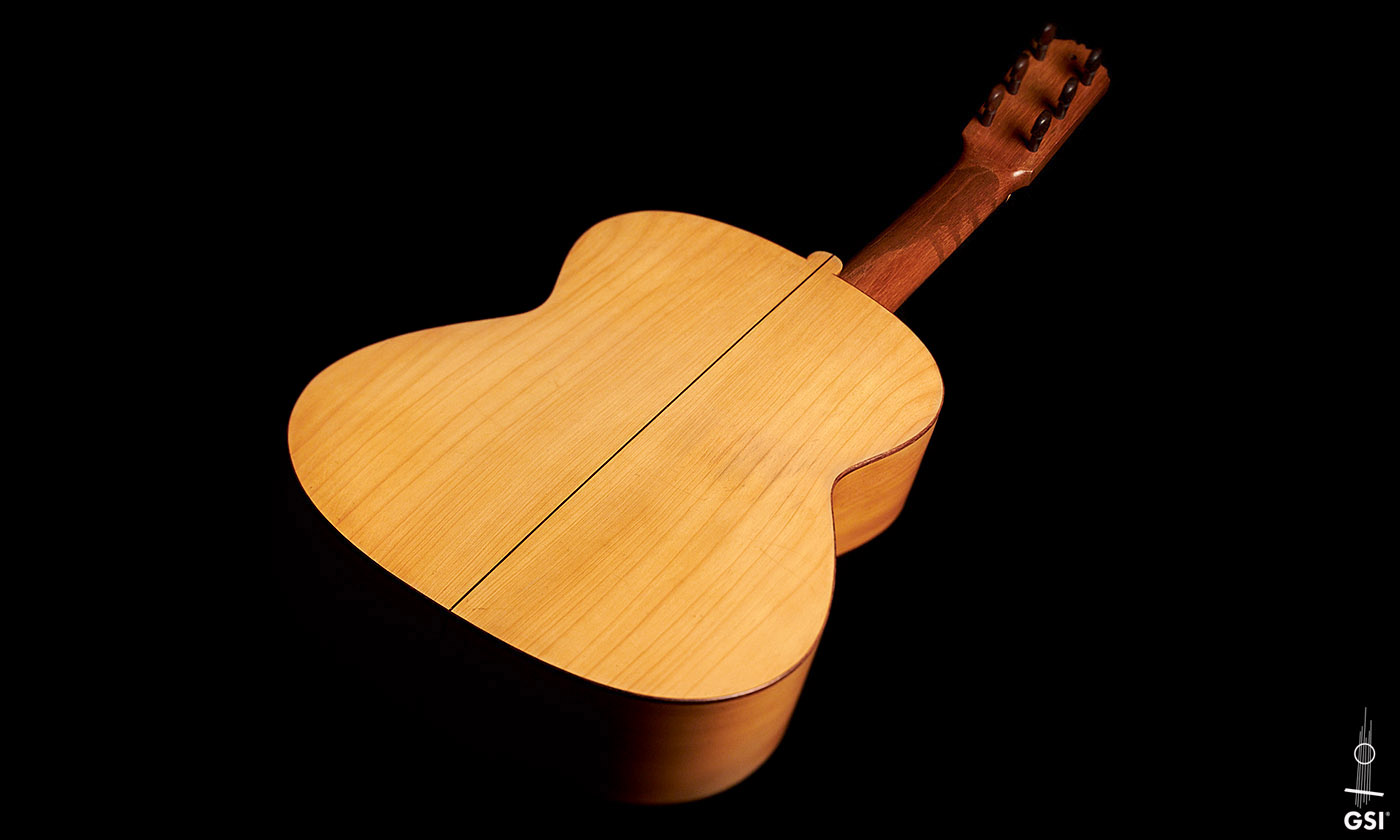
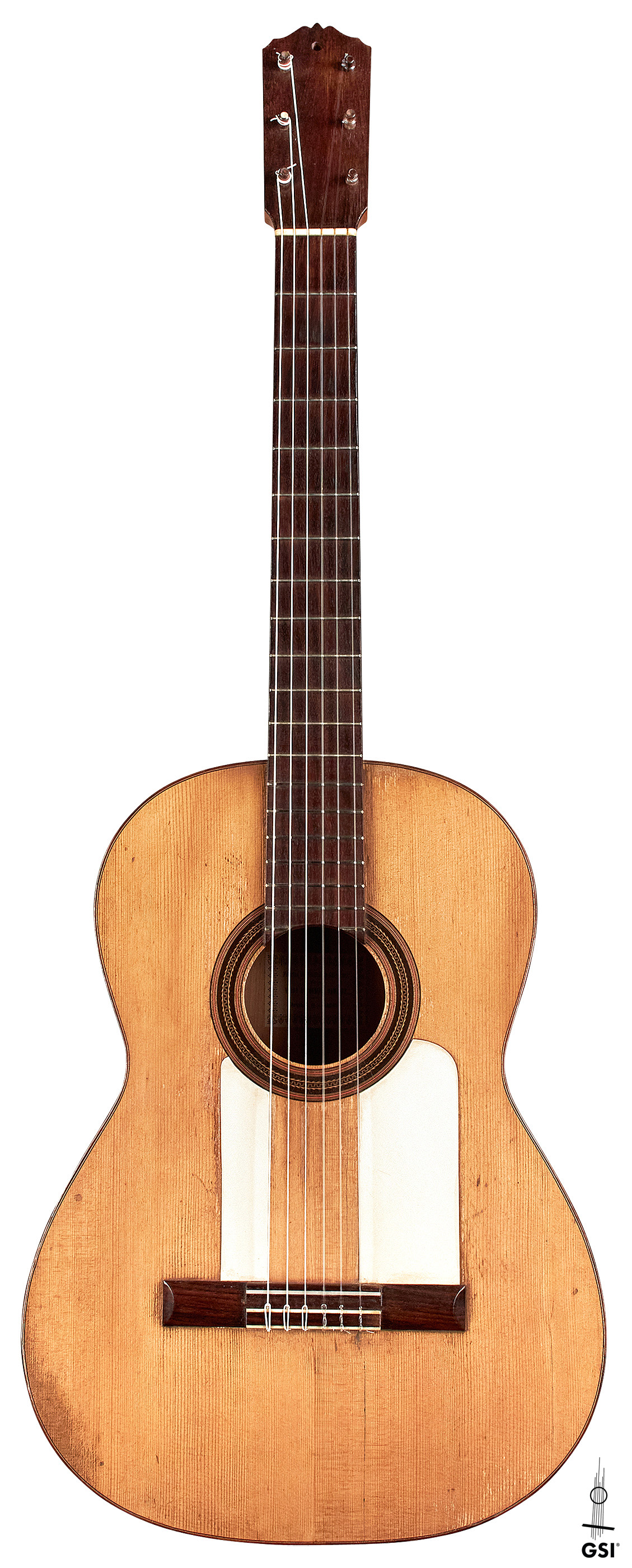
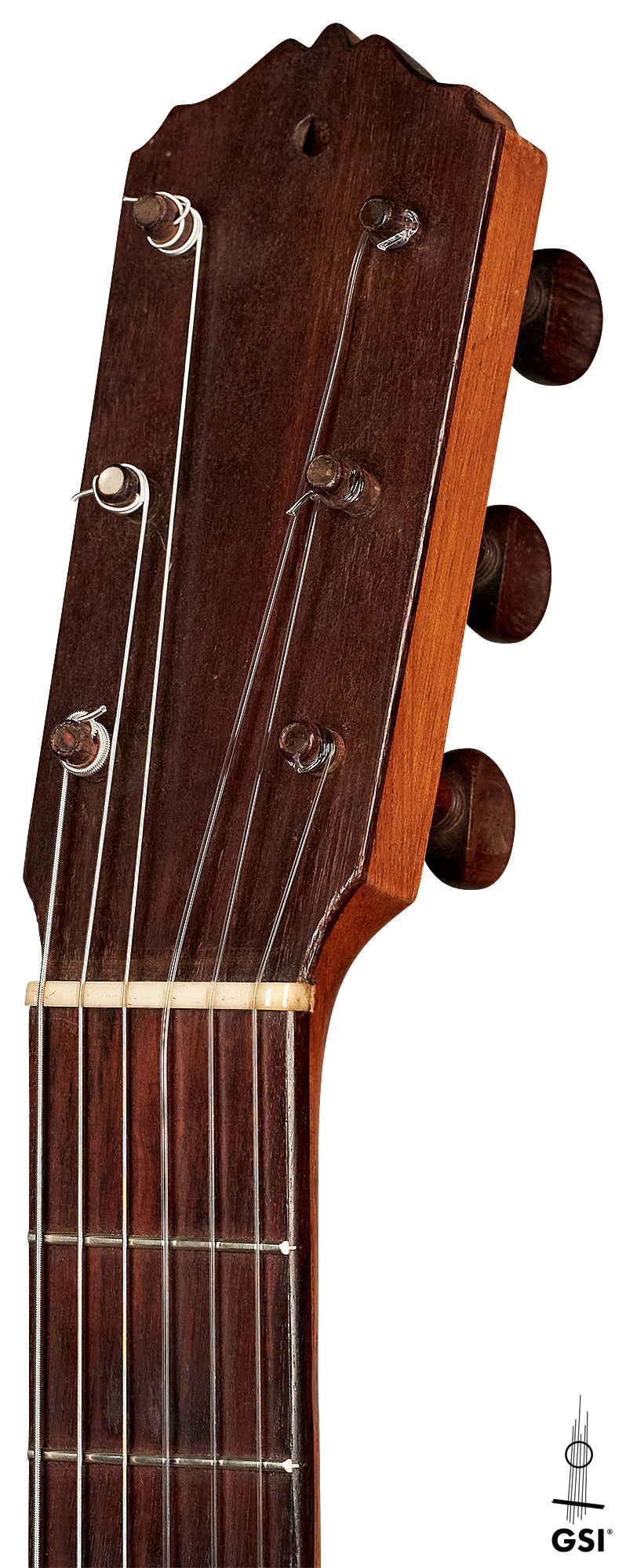
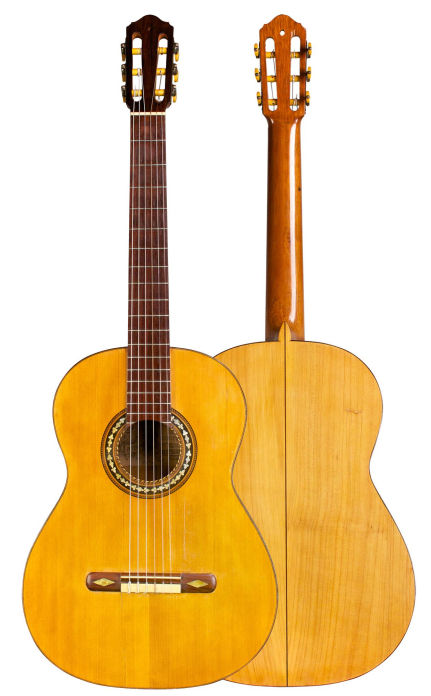
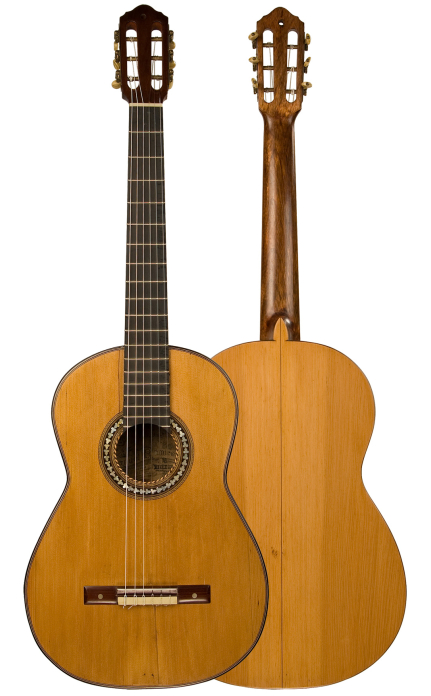
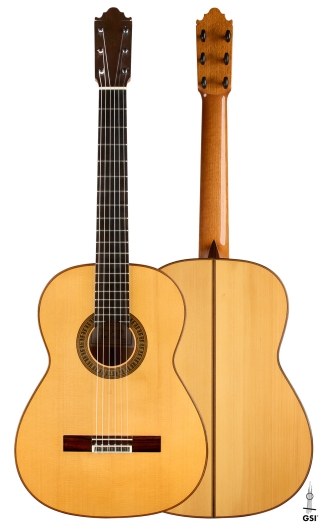
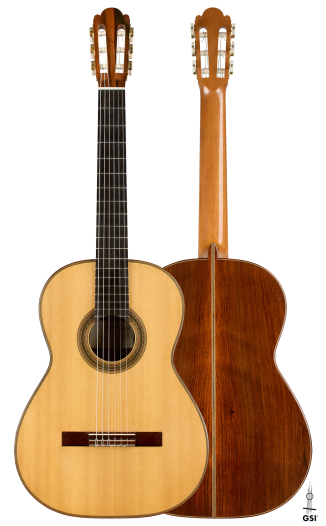
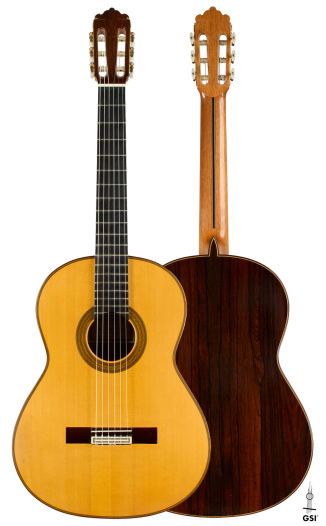
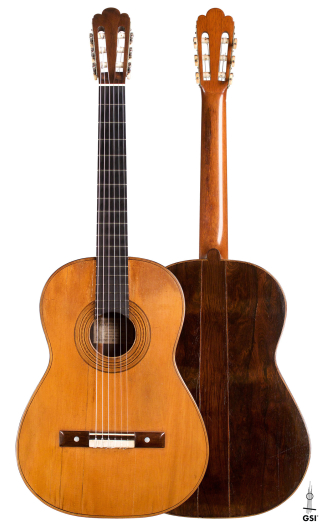
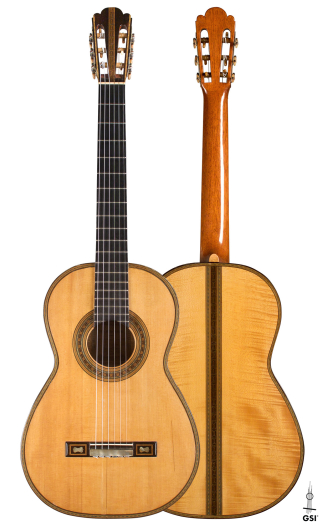
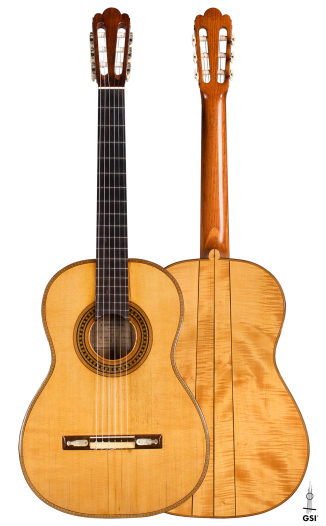
1916 Viuda de Manuel Ramírez “SH” w/pegs SP/CY

Year 1916
Top Spruce
Back & Sides Cypress
Scale Length 654 mm
Nut width 51 mm
Finish French Polish
Country Spain
Luthier Manuel Ramírez

This guitar is no longer available in our inventory. If it interests you, click the ”notify me when available” button to be notified in the event that we re-acquire this guitar for re-sale.
Inquire
See more from Manuel Ramírez

Videos

1916 Viuda de Manuel Ramírez “SH” w/pegs SP/CY

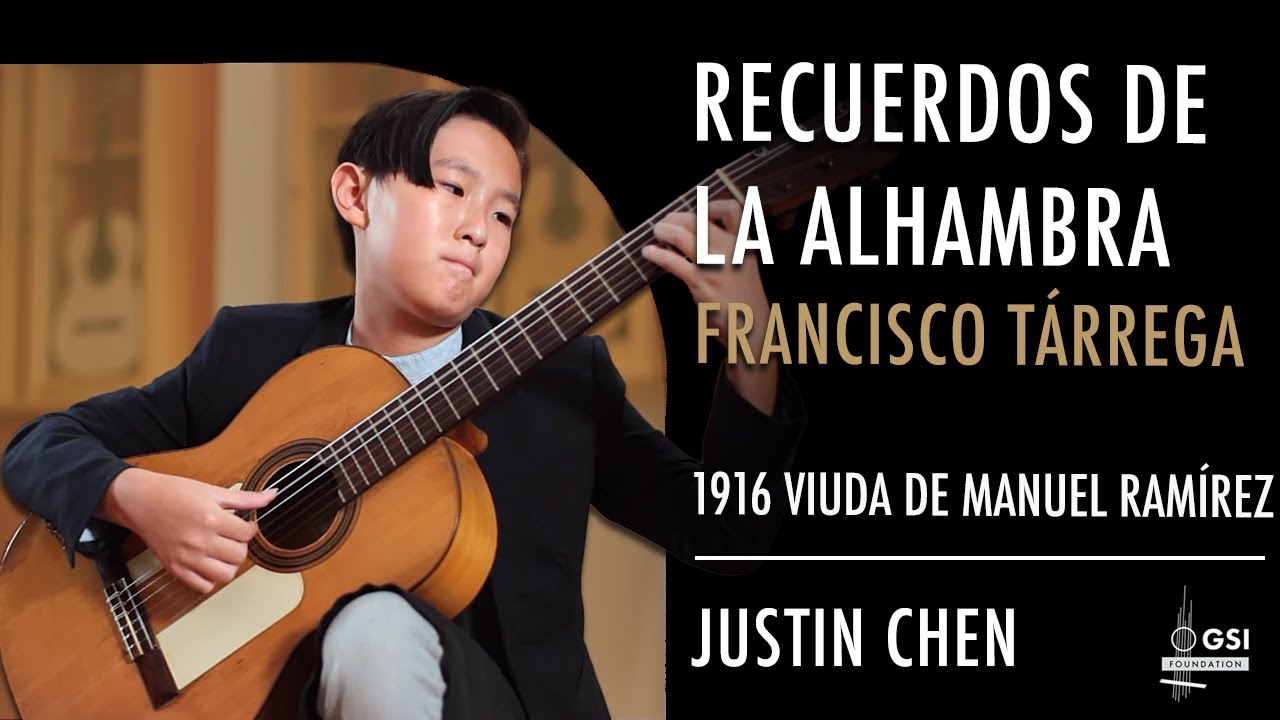
Justin Chen plays Francisco Tárrega's "Recuerdos de la Alhambra" on a 1916 Viuda de Manuel Ramirez
Description

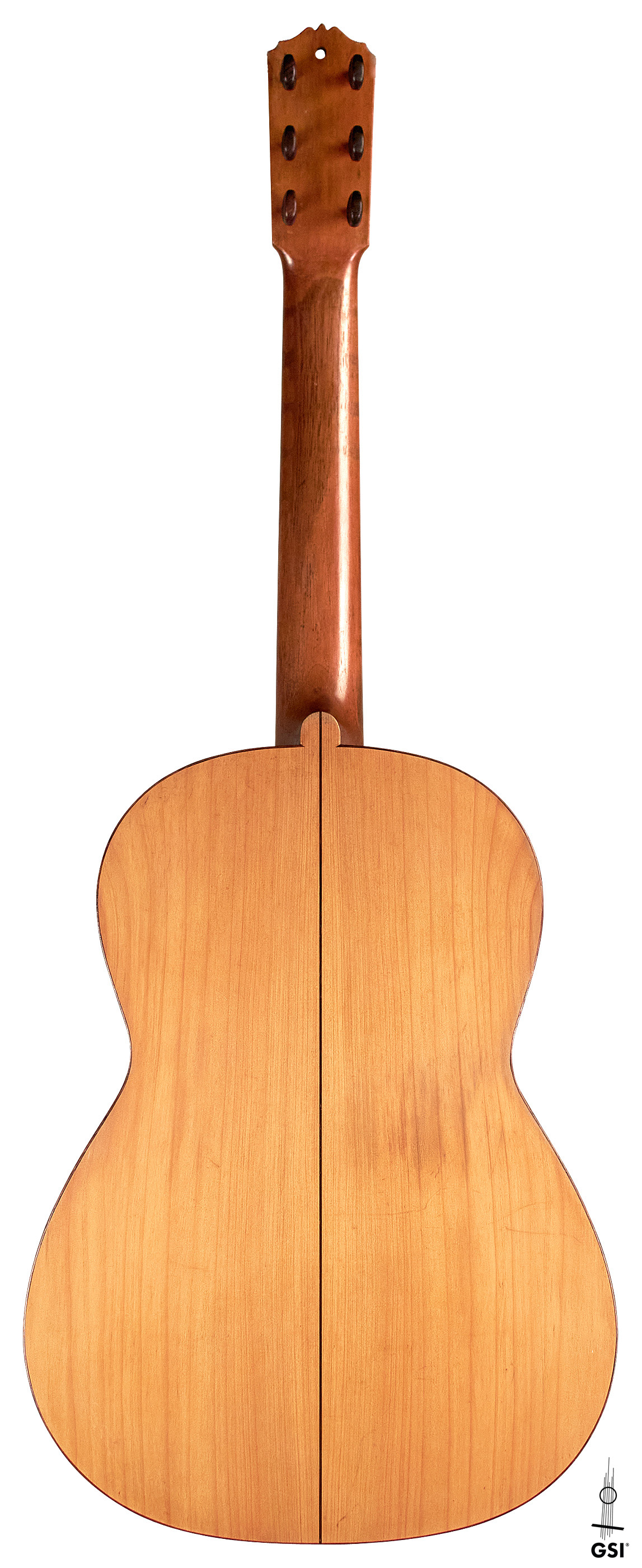
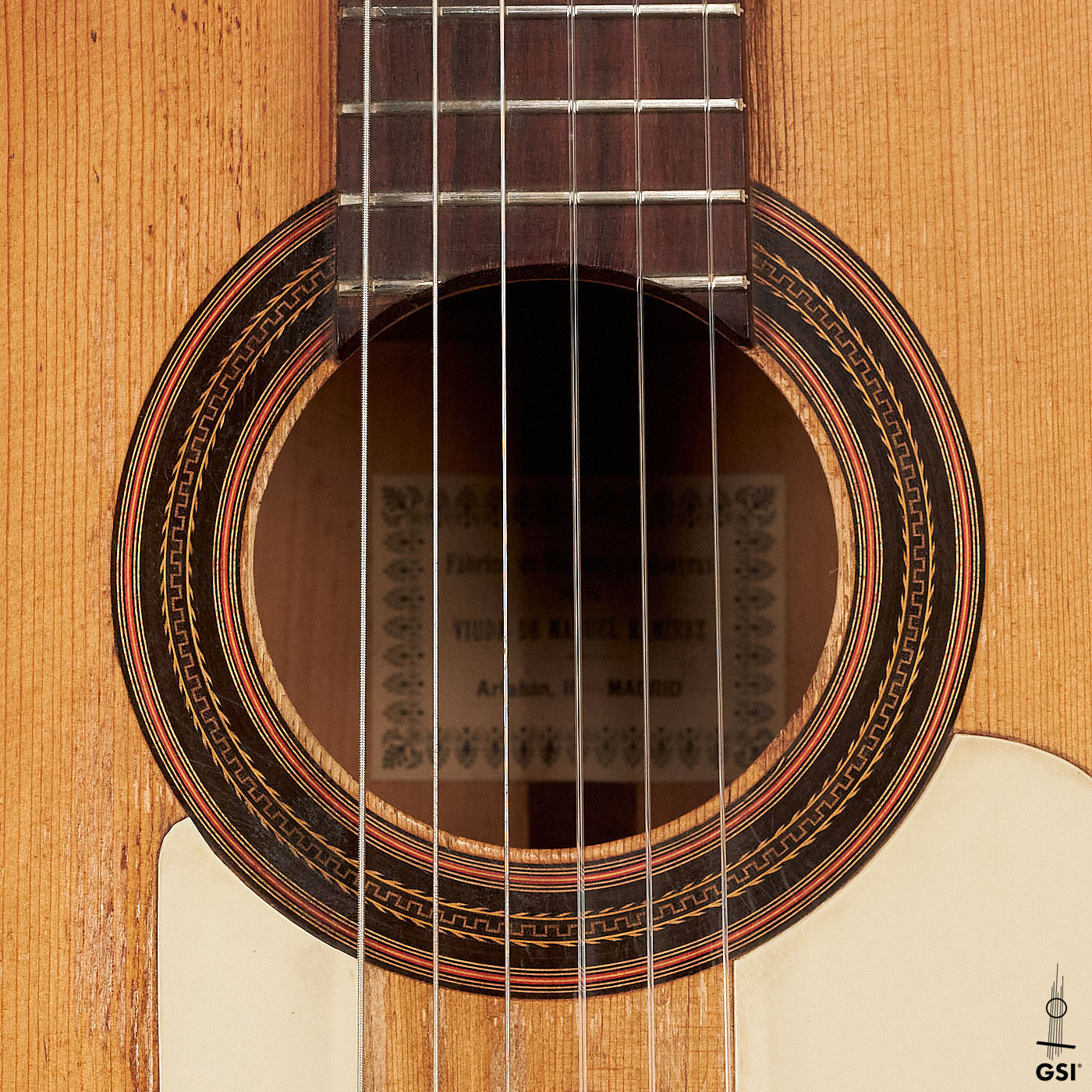
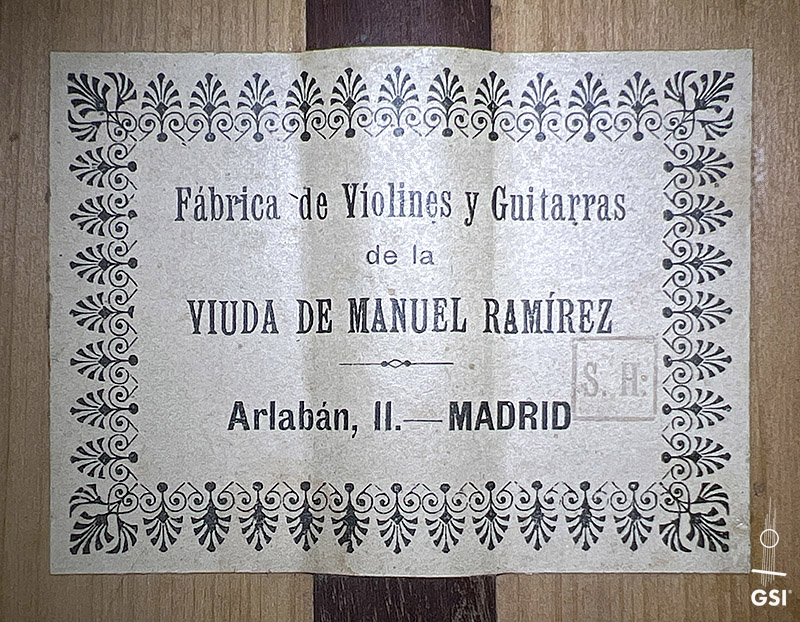
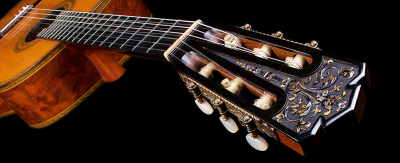
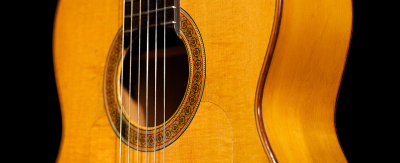
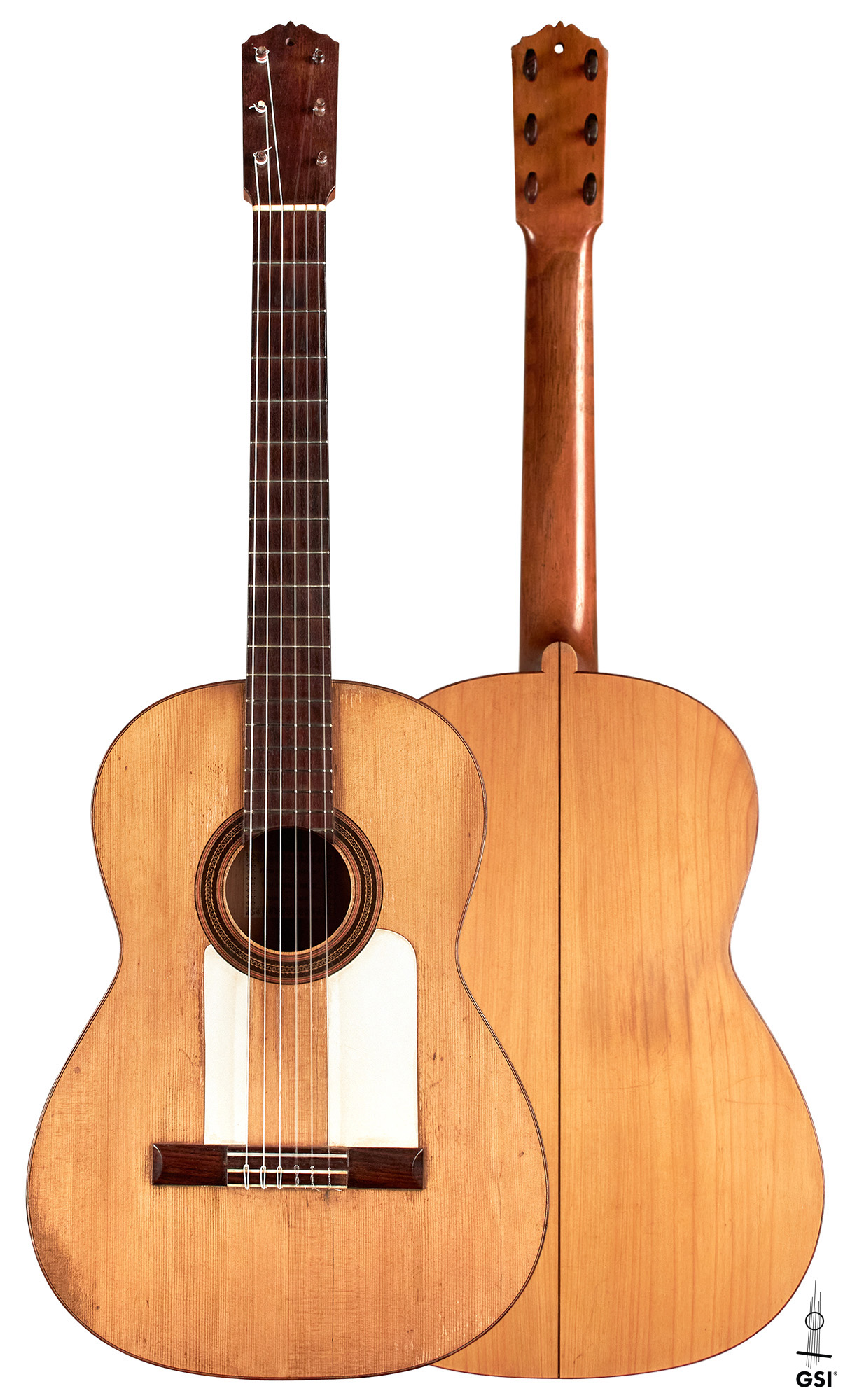
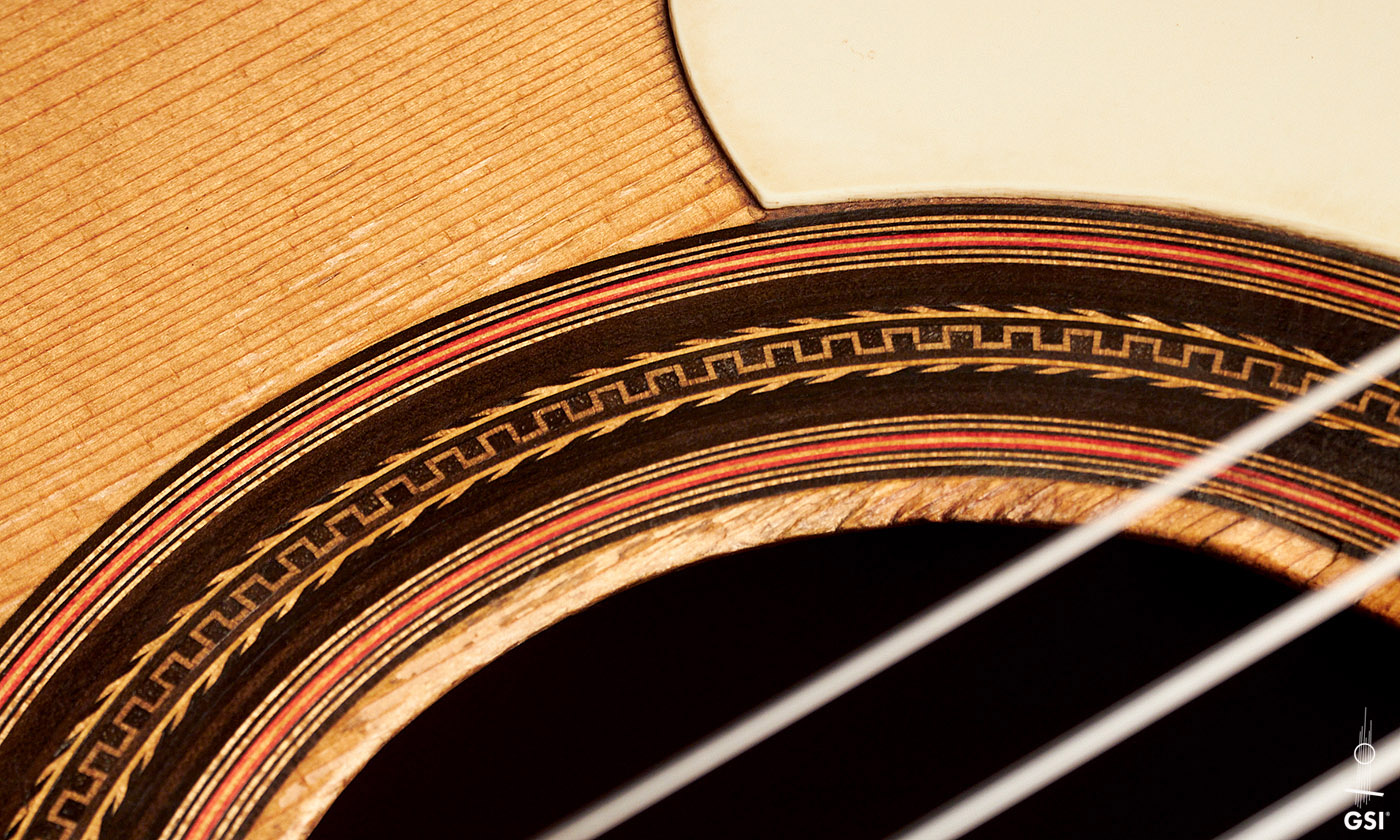
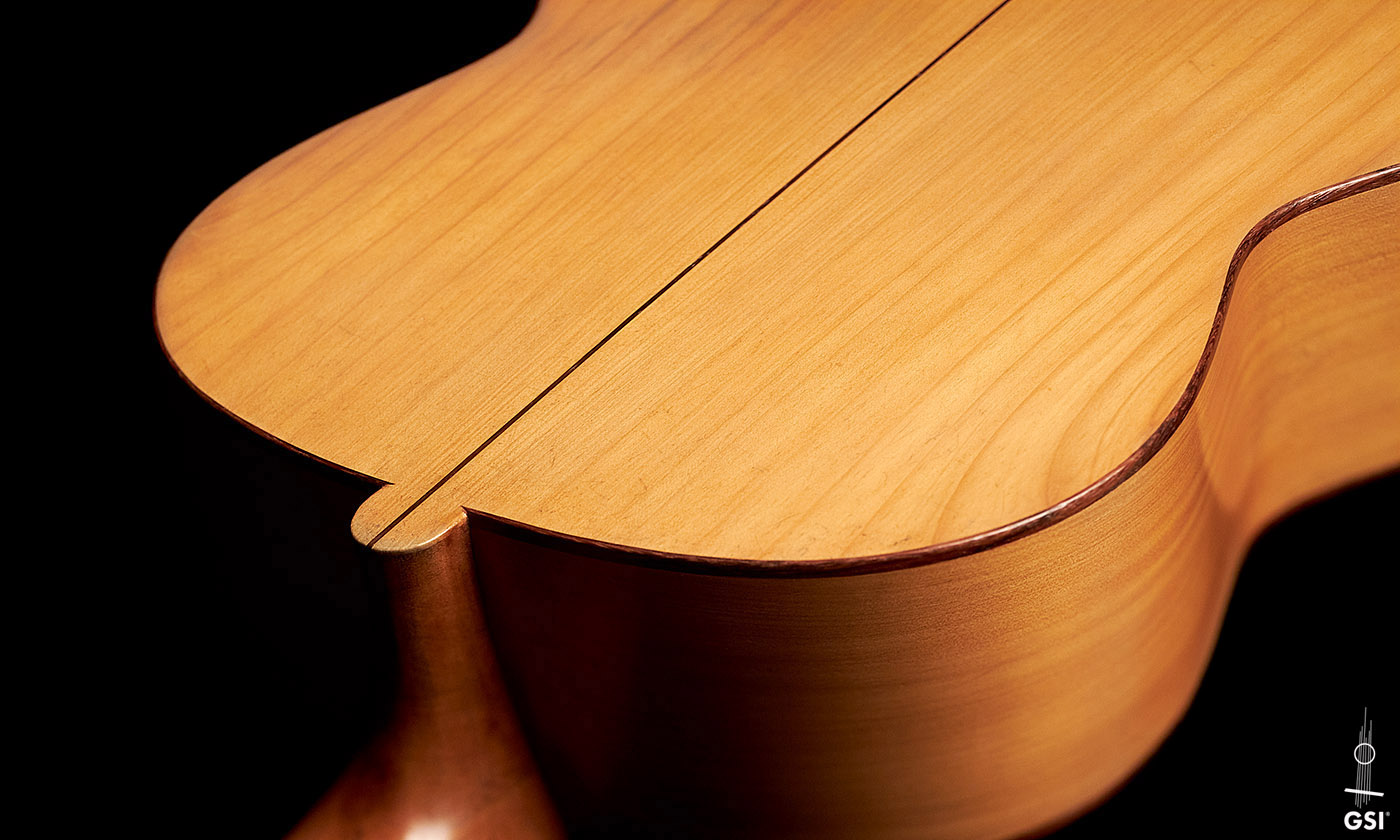
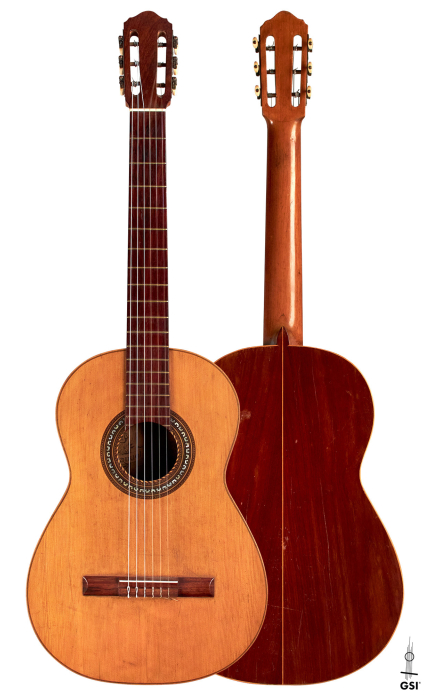
Completed in 1916 under the "Viuda" (widow's) label of Manuel Ramírez's shop, this spruce and cypress guitar was built by Santos Hernández, whose initials "SH" are stamped on the label and heel block.

In the video above, Justin Chen plays Francisco Tárrega's "Recuerdos de la Alhambra" on this guitar.

Built by Santos Hernández in the Ramírez Shop

After Manuel Ramírez's death in 1916, the shop continued to complete instruments under the label of the "Viuda". This guitar dates from that period: it is stamped internally with the initials "SH" on both the label and the heel block, and an inscription and signature inside reads "construida por Santos Hernandez 1916" – obviously identifying Santos Hernández as its builder.

A Magical Old-World Sound

This guitar has a magical old-world sound, with deep basses, plump and warm trebles, and rich textures of sound interwoven with clear, bell-like fundamentals. Its feather-like weight gives it incredible volume and instant response. No wonder more and more contemporary luthiers have worked to rediscover this style of build – it has a mystical charm that has captivated players and listeners for more than a century. The sound is unmistakably Spanish: deep, dark and mysterious.

Classical or Flamenco; Condition

Built when the distinction between "classical" and "flamenco" was not yet being made, it is simply a great "guitar", equally at home in concert or in the studio, in either style. The soundboard has some well-repaired and stable cracks, while the back and sides are clean, with no repairs or prior damage.

Background

Manuel Ramírez (1864–1916): The Madrid Workshop After Torres

The Manuel Ramírez shop was undoubtedly the most important guitar workshop of the early post-Torres era. Brother and former pupil of José Ramírez I, Manuel committed himself to carrying the Torres design into the 20th century, and he gathered the finest builders of his day to do it: Santos Hernández, Domingo Esteso, Modesto Borreguero, Pascual Viudes and, very likely, Enrique García. Together they produced guitars that secured the legacy of Torres for every generation of makers that followed.

Segovia's 1912 Manuel Ramírez

The shop's most famous instrument is the 1912 guitar played by the young Andrés Segovia, built by Santos Hernández and today housed in the Metropolitan Museum of Art in New York, alongside Segovia's 1937 Hermann Hauser I.

The "Viuda de Manuel Ramírez" Label

After Manuel's death in 1916, the workshop went on completing instruments under the label of his widow ("Viuda de Manuel Ramírez"). His craftsmen later founded workshops of their own – Santos Hernández on Calle de la Aduana and Domingo Esteso at Gravina 7 – carrying the shop's sound and standards deep into the 20th century.

Guitars by Manuel Ramírez