Guitar Salon International
+1 (310) 586.1100 | +1 (877) 771.4321
Museum
Classical Guitars
Classical Guitars
Flamenco Guitars
Flamenco Guitars
Cleveland Collection
Luthiers
Luthiers
Your Cart

Your shopping cart is empty!

Sub-Total: $0.00
Total: $0.00
Edit cart
Checkout
On Hold - SKU: GUCLBOS-09217 - Eduardo Bossa

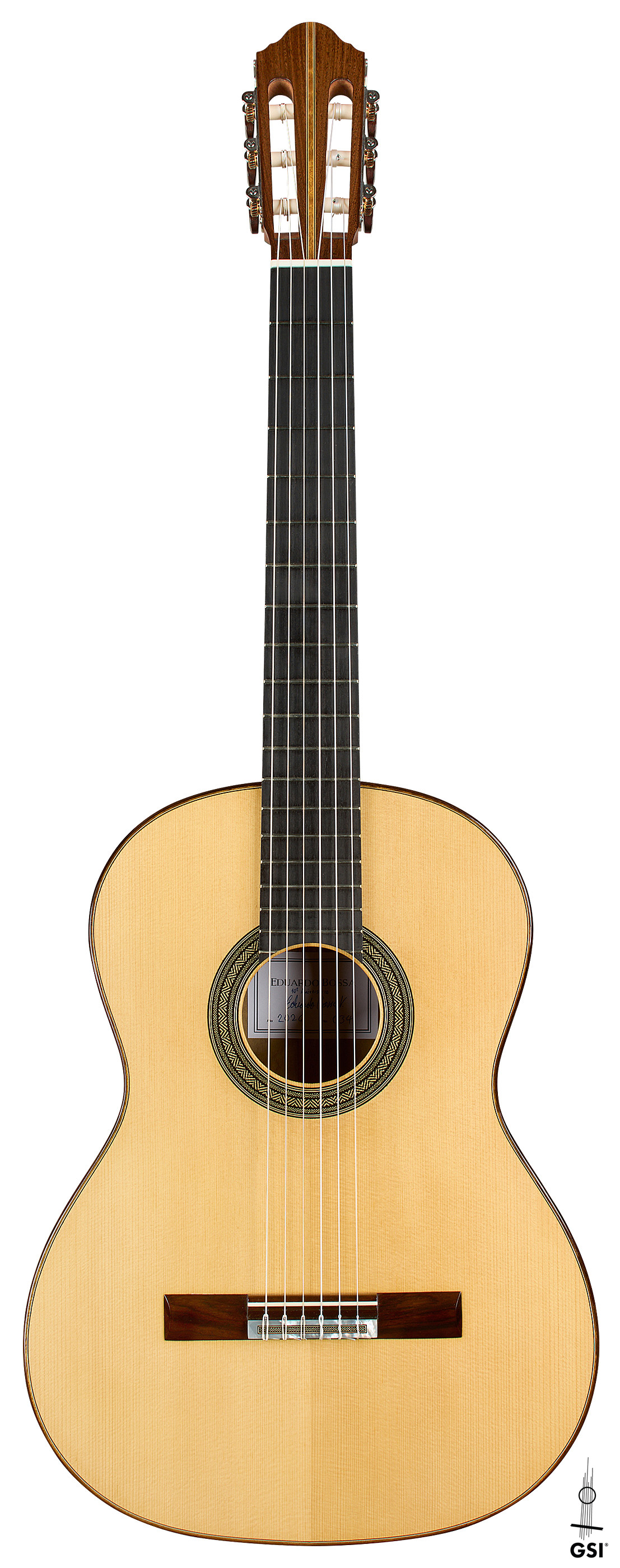
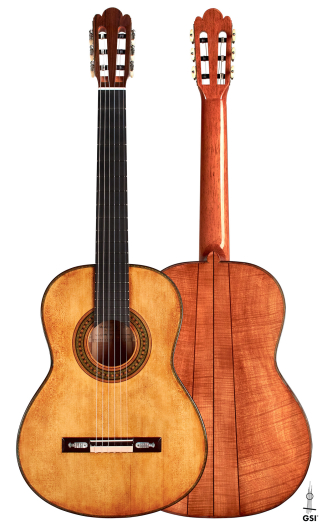
2026 Eduardo Bossa "10th Anniversary" SP/CC

Year 2026
Top Spruce
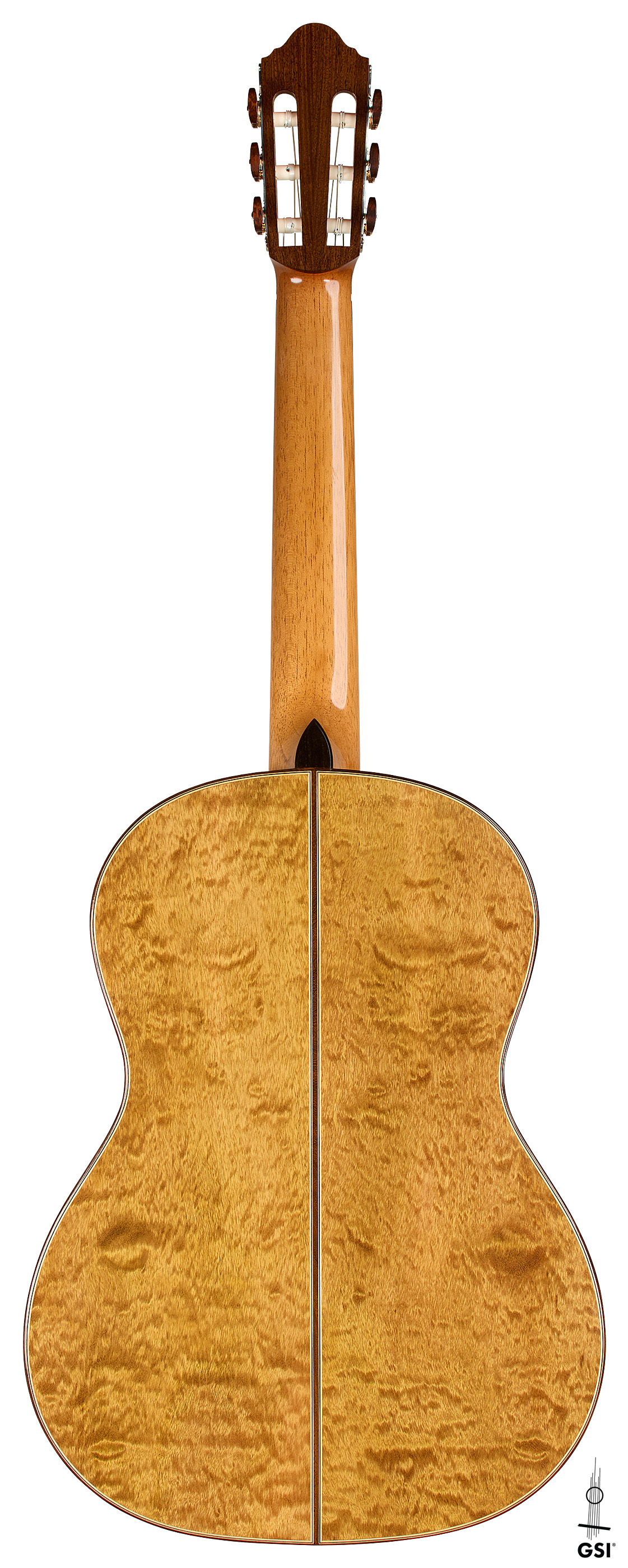
Back & Sides Comino Crespo
Scale Length 650 mm
Nut width 52 mm
Finish French Polish
Top Construction Traditional
Bracing Seven fans
Body resonance G
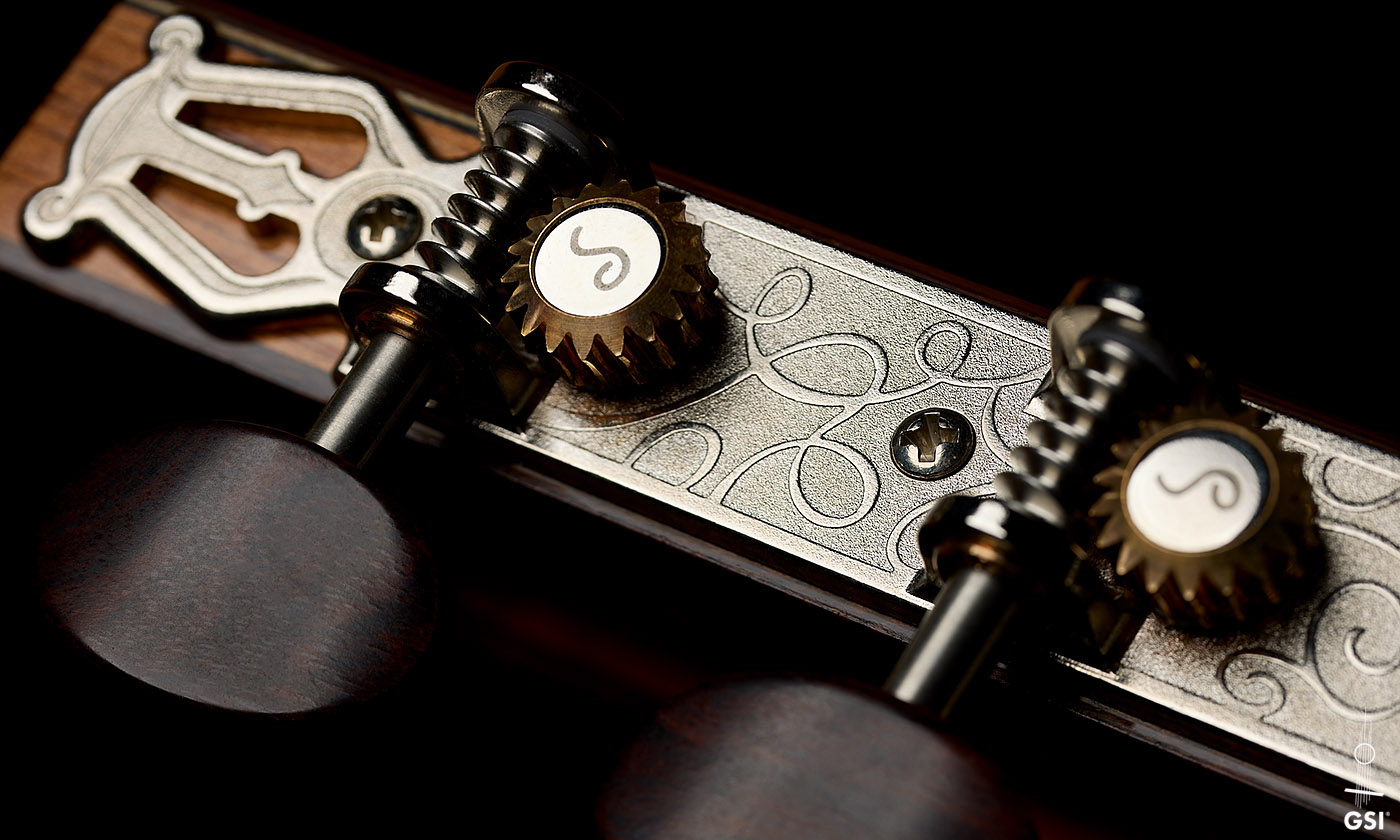
Tuners Schaller
Weight 3.55 lbs/1,610 grams
Condition New
Country Colombia
Case Crossrock - Black
Exchange ExchangePlus
Luthier Eduardo Bossa

$7,500.00

- On Hold
Applicable sales tax and shipping charges will be added at checkout.
Description

The 10th Anniversary Model

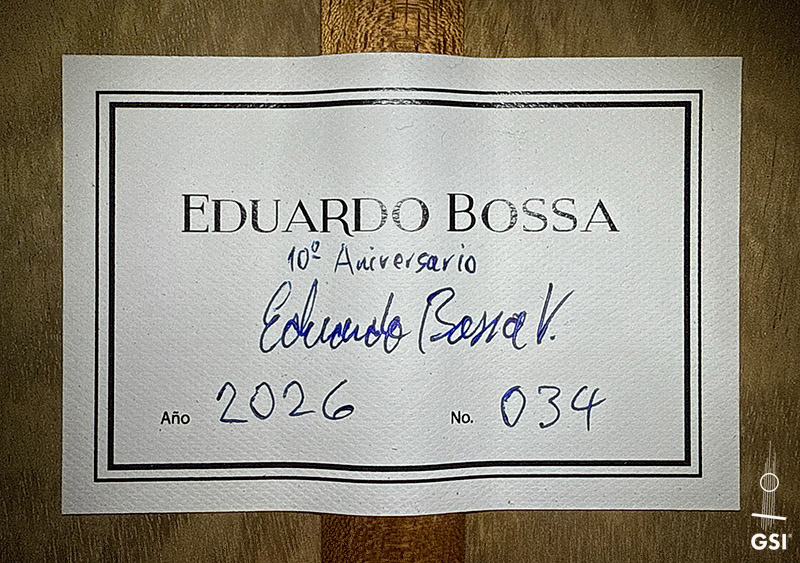
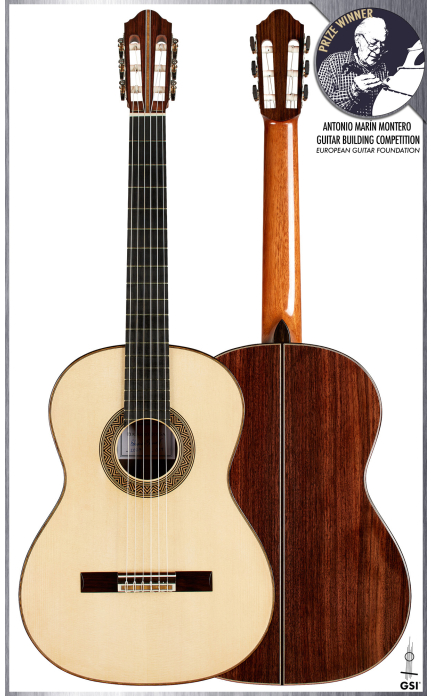
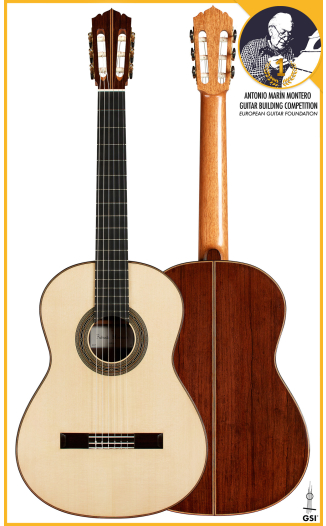
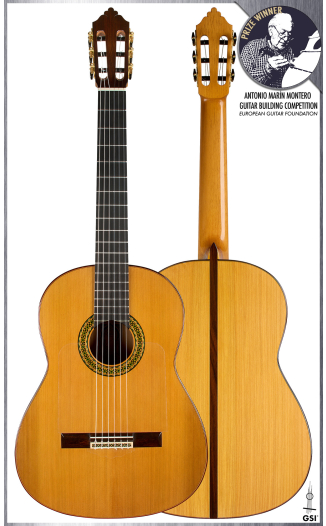
This guitar introduces Eduardo Bossa's new 10th anniversary model, labeled "10º Aniversario". Eduardo has stressed to us that this isn't a "limited edition". Bossa designed it as a permanent alternative to his standard concert guitar. The two share virtually the same plantilla and soundbox, but the anniversary model uses a different construction system that gives it its own feel and tonal palette. He sees it as neither better nor worse than his standard concert model, but as a complement to it. This is our third guitar from this fine maker who we first met at the seventh Antonio Marin Montero Guitar Making Competition held in Granada, Spain in July/August, 2024 where this guitar took 2nd prize.

Construction

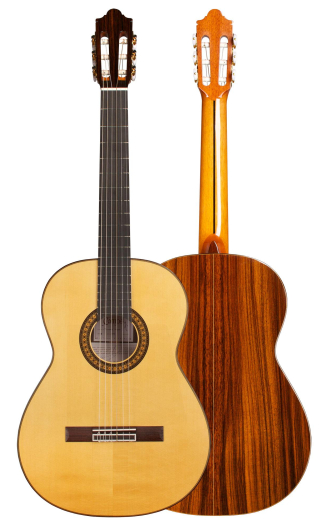
The anniversary model differs from Bossa's concert guitar mainly in how it's built. The spruce top keeps a traditional fan layout, but the bracing and top thicknessing are very different from those of his standard model. In the body, he uses laminated double sides. This gives the body extra rigidity, so less energy is lost through the sides and more is sent through the soundboard, which adds focus and projection.

Comino Crespo

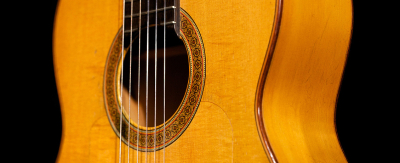
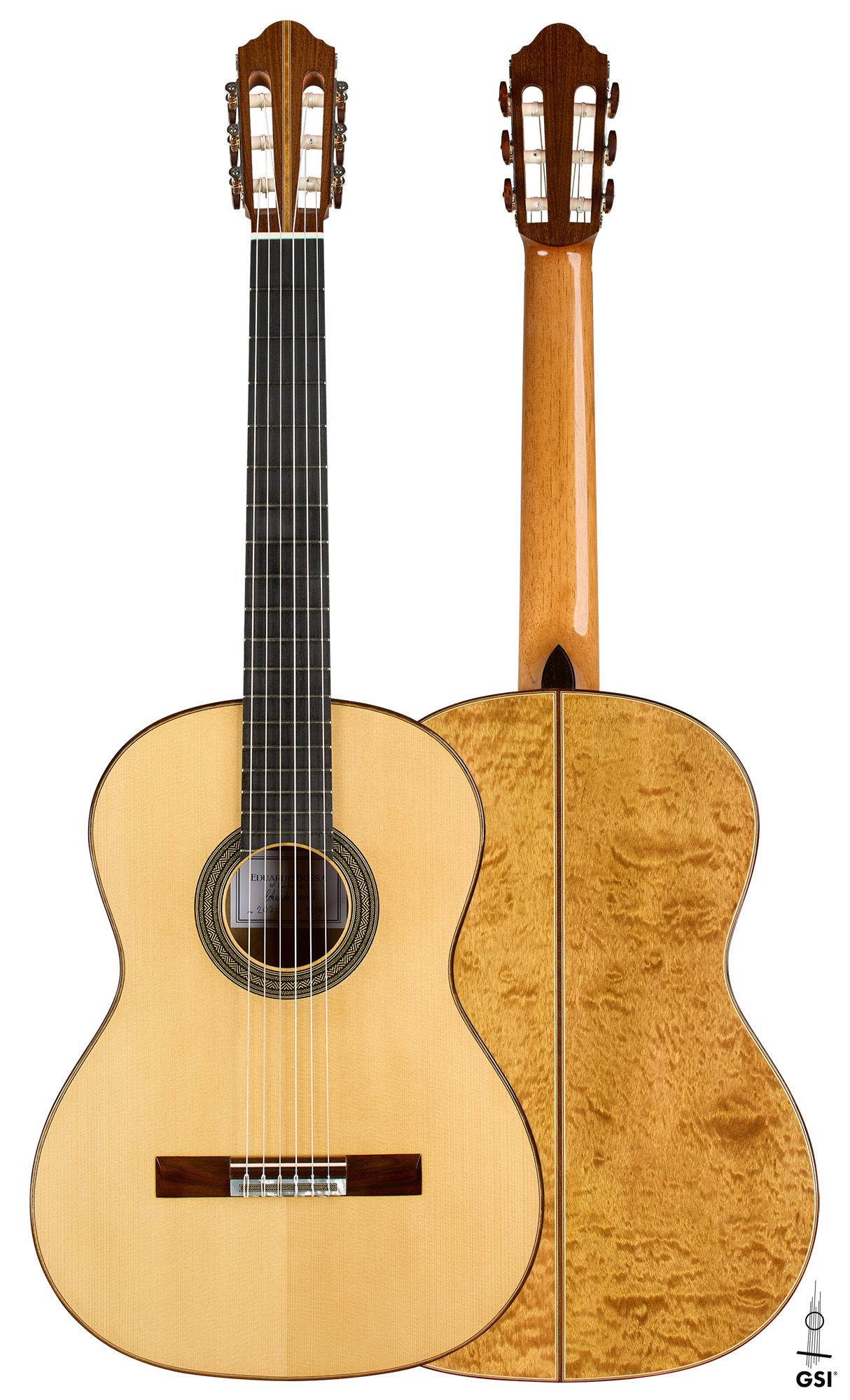
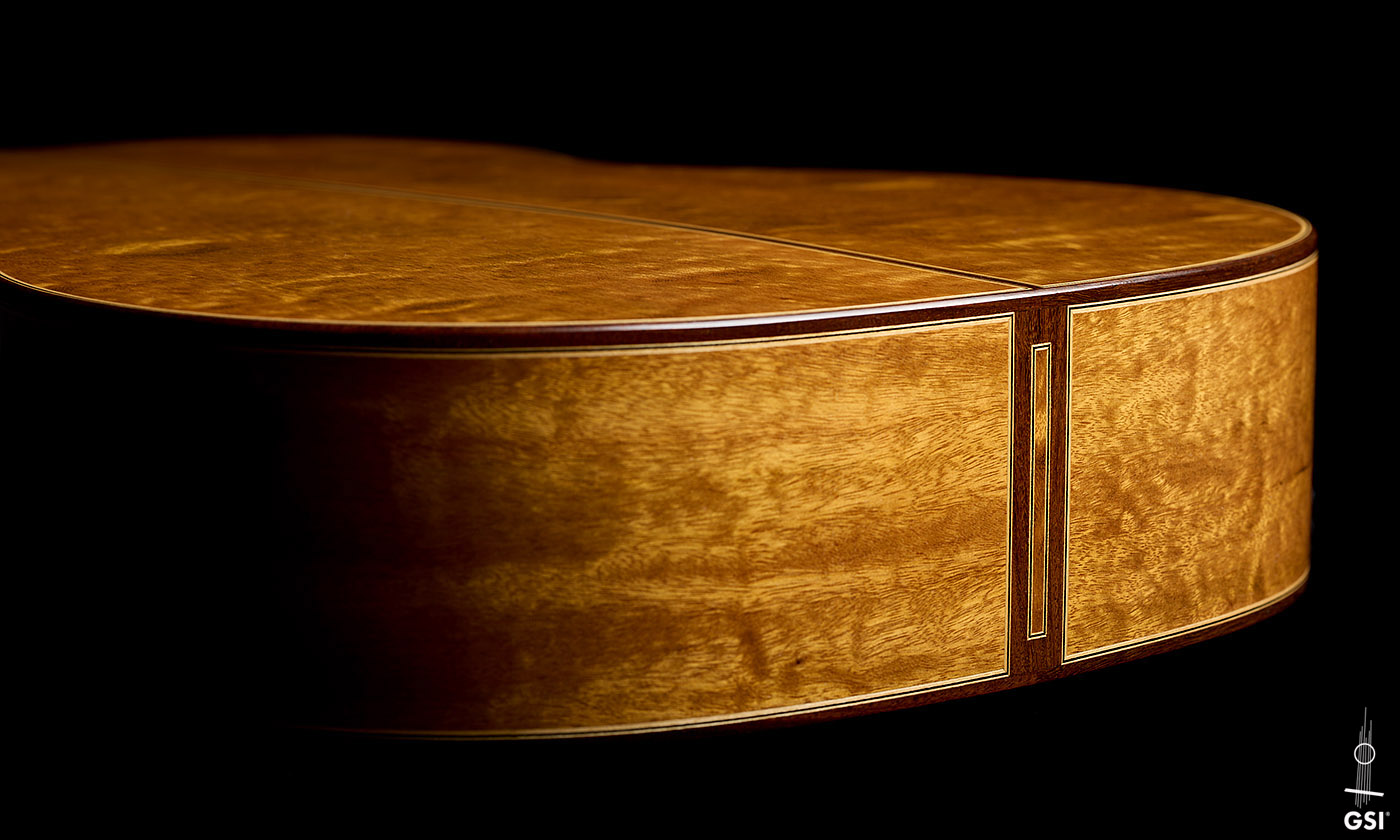
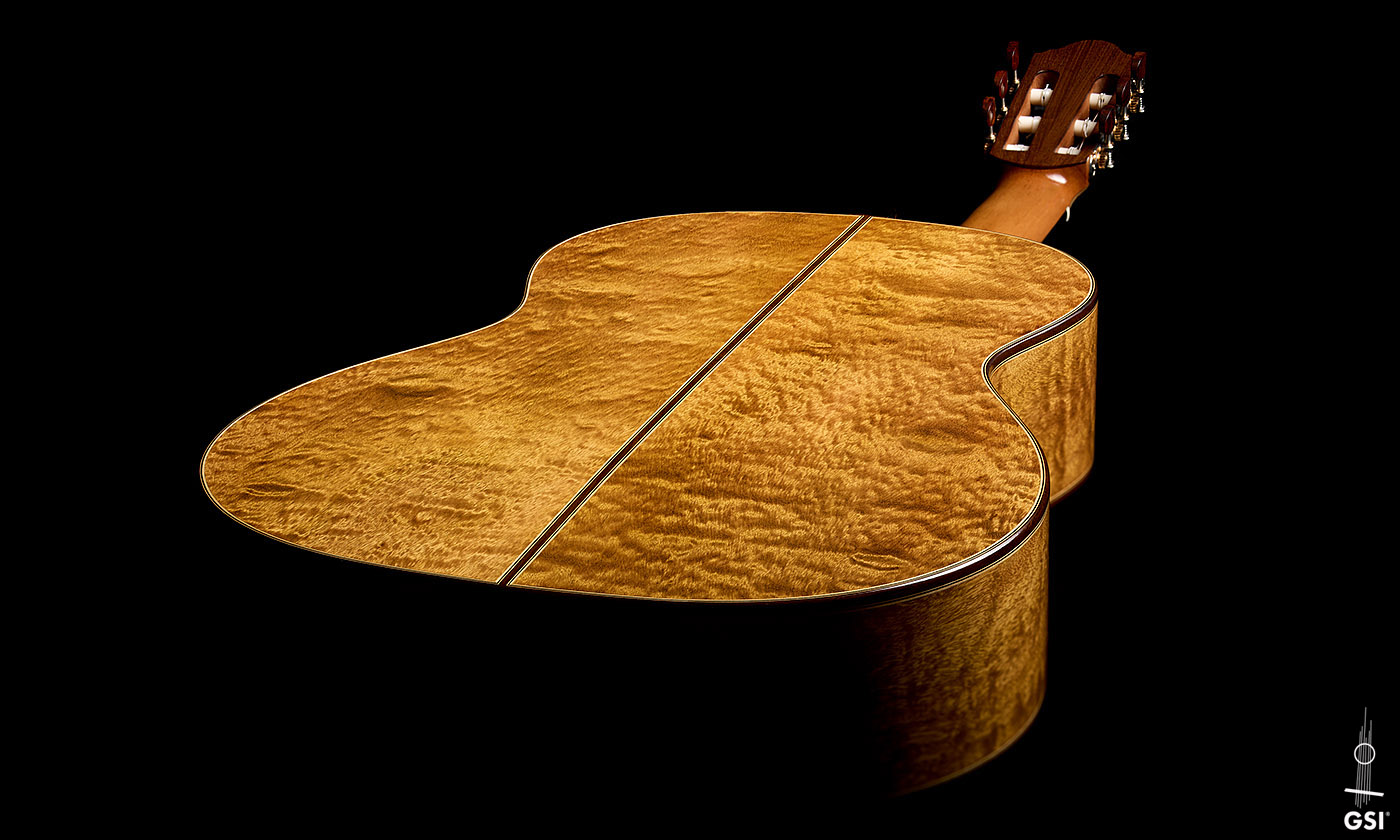
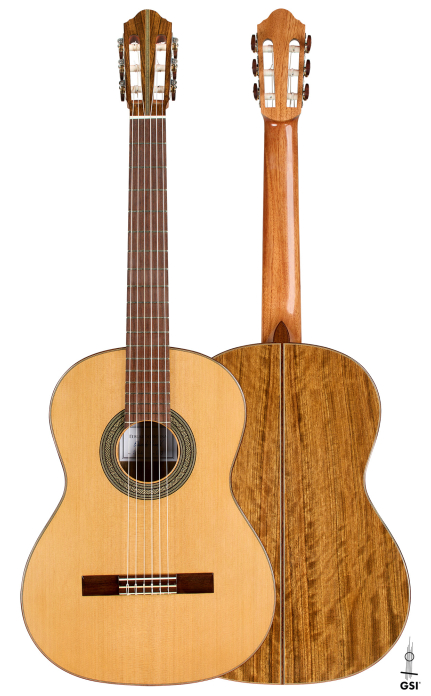
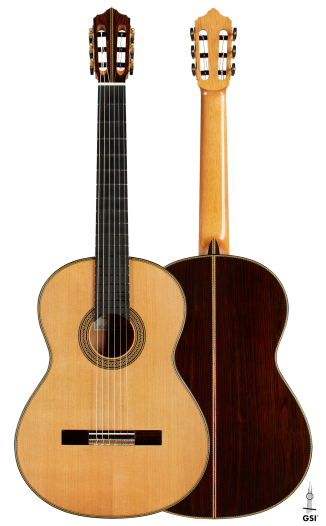
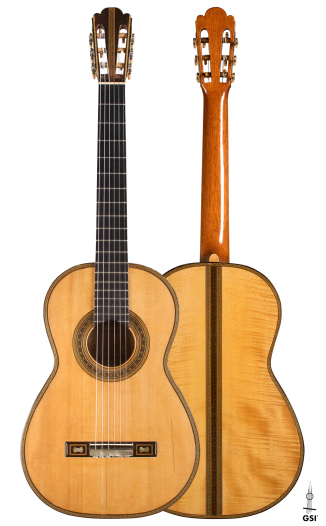
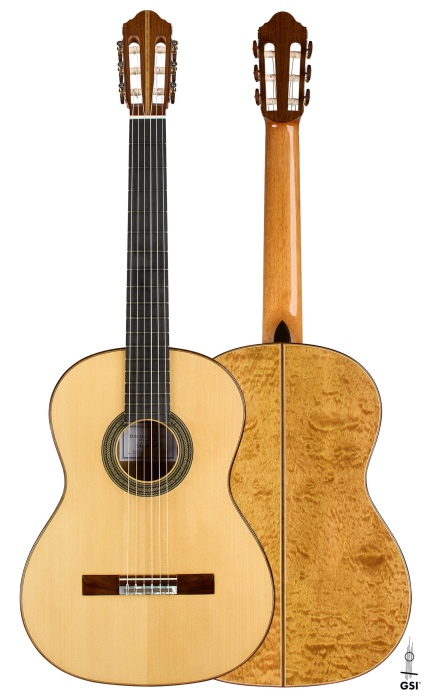
For the back and sides, Bossa chose comino crespo (Aniba perutilis), a tree found only in Colombia and almost unknown in the guitar world. It is a rare and costly wood that Bossa considers truly exceptional. He offered it to GSI especially for this guitar and values it for its excellent tonal properties and for having just the right density and hardness for guitar making. Its beauty is just as striking. The golden color is entirely natural, with no tints or dyes. True to its name (crespo means "curly" in Spanish), the wood is known for its lively curly grain, and this set has an especially deep, three-dimensional figure that ripples across the back and shimmers as the guitar moves in the light. Bossa paired it with a spruce soundboard. He notes that it would work just as well with cedar acoustically, but he prefers the visual harmony of the lighter colored top with golden-colored back and sides. The fingerboard is Colombian ebony, which rounds out a guitar that celebrates the woods of Bossa's homeland.

Details and Appointments

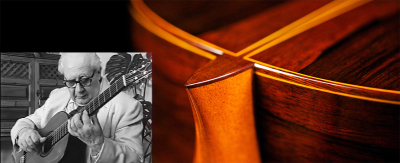
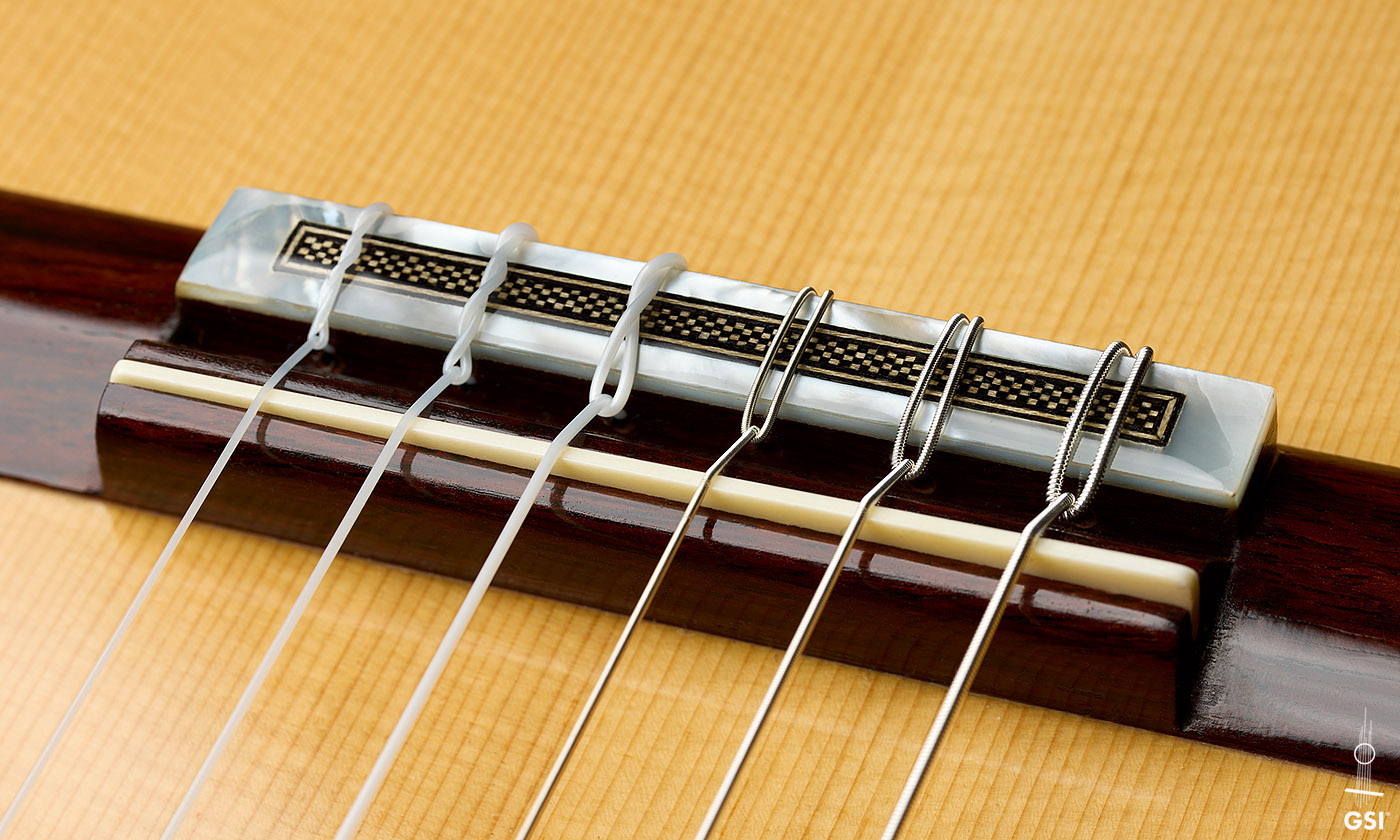
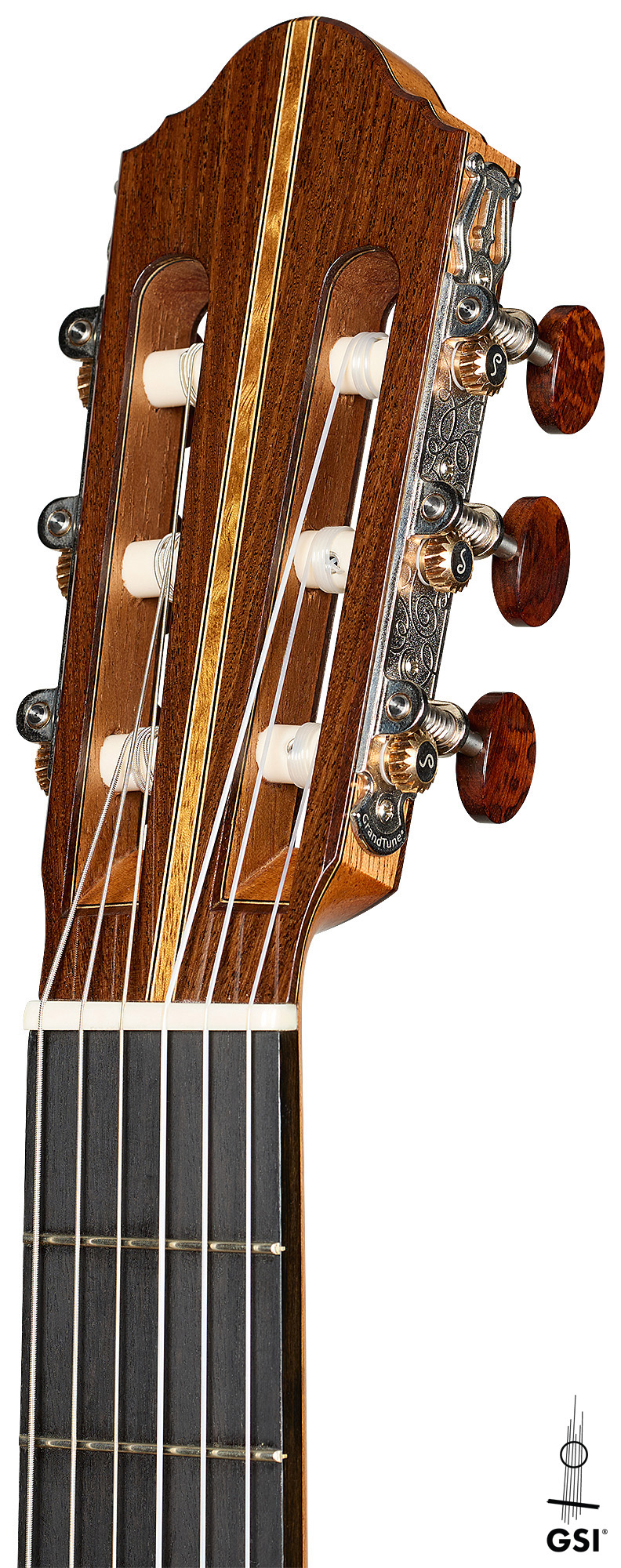
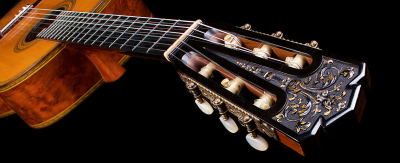
The trim is refined and carefully matched. Dark bindings and fine purflings outline the top, back, and sides. The sides are framed in their own purfled borders, and a slender center strip divides the bookmatched back. At the tail, an inlaid end graft with a delicate rectangular purfling echoes the lines of the body. The scalloped headstock has a central stripe of figured golden wood between fine lines. The bridge has a mother-of-pearl tie block inset with a fine checkerboard mosaic.

The Zenú Rosette

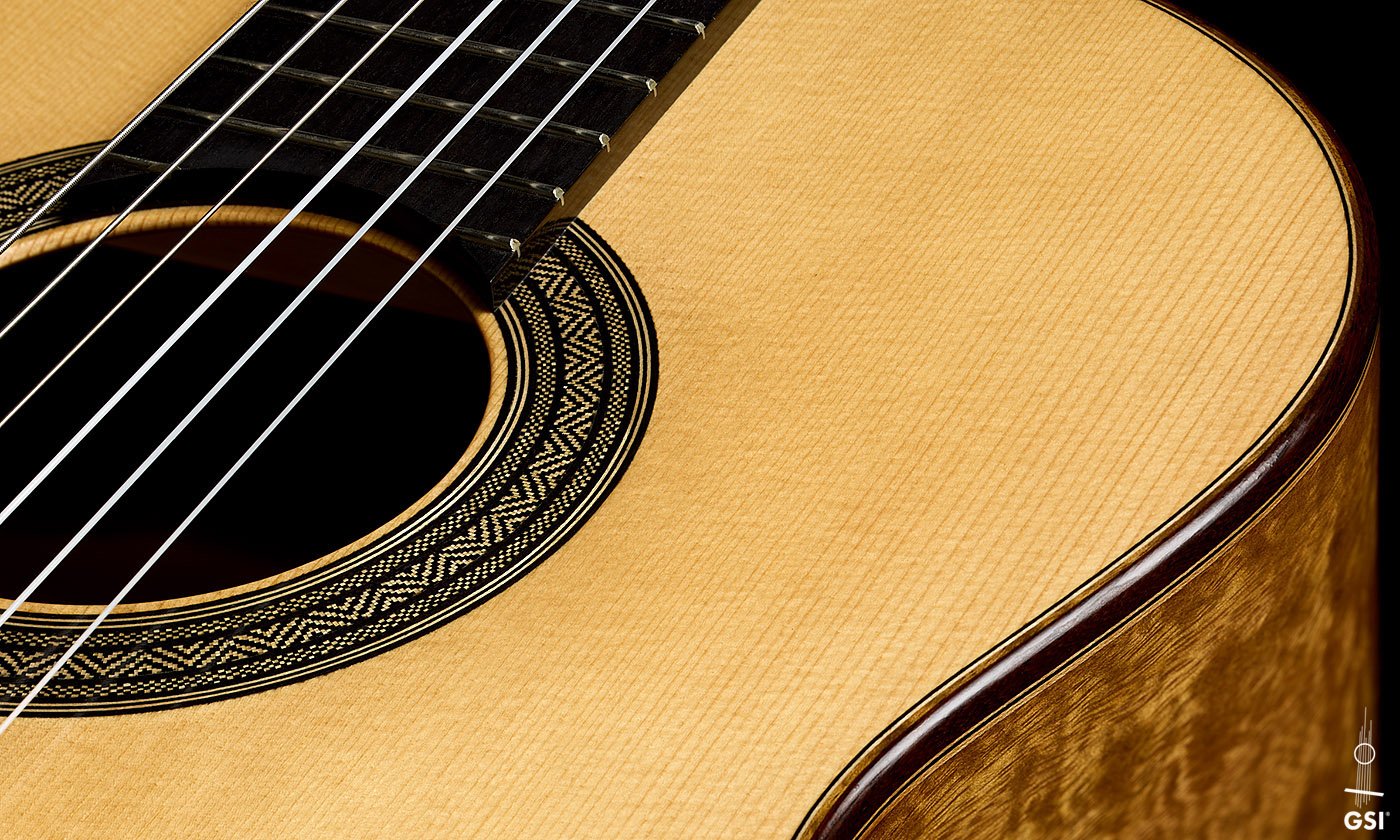
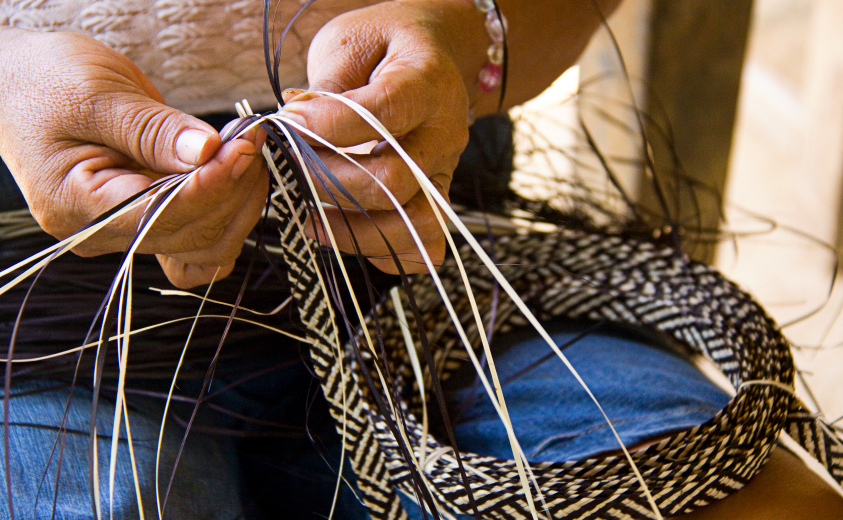
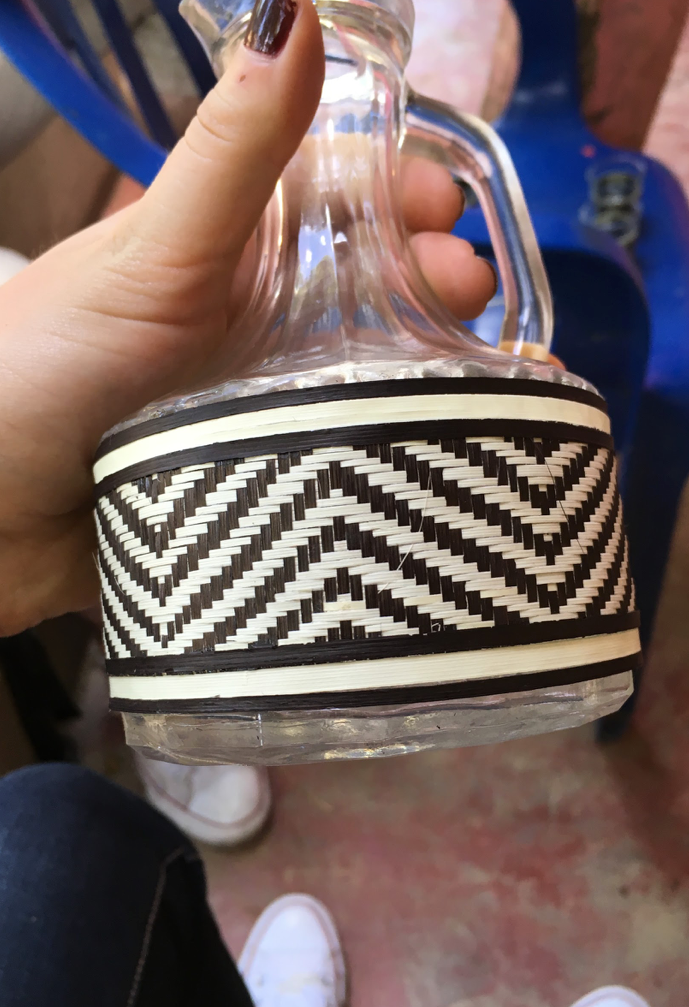
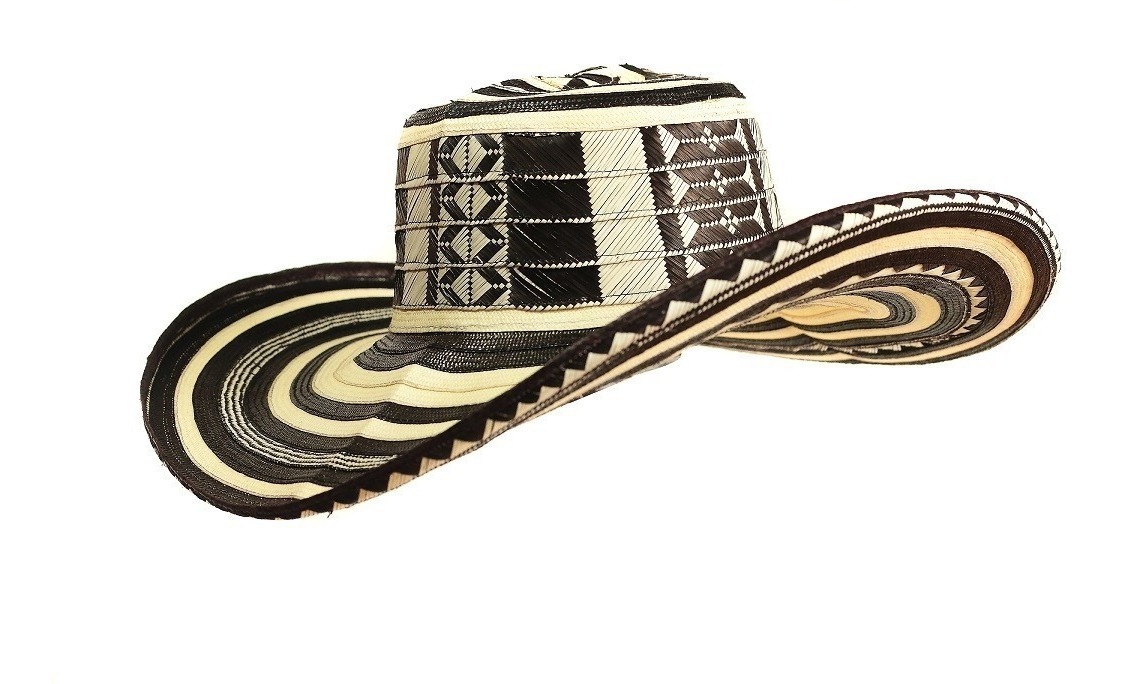
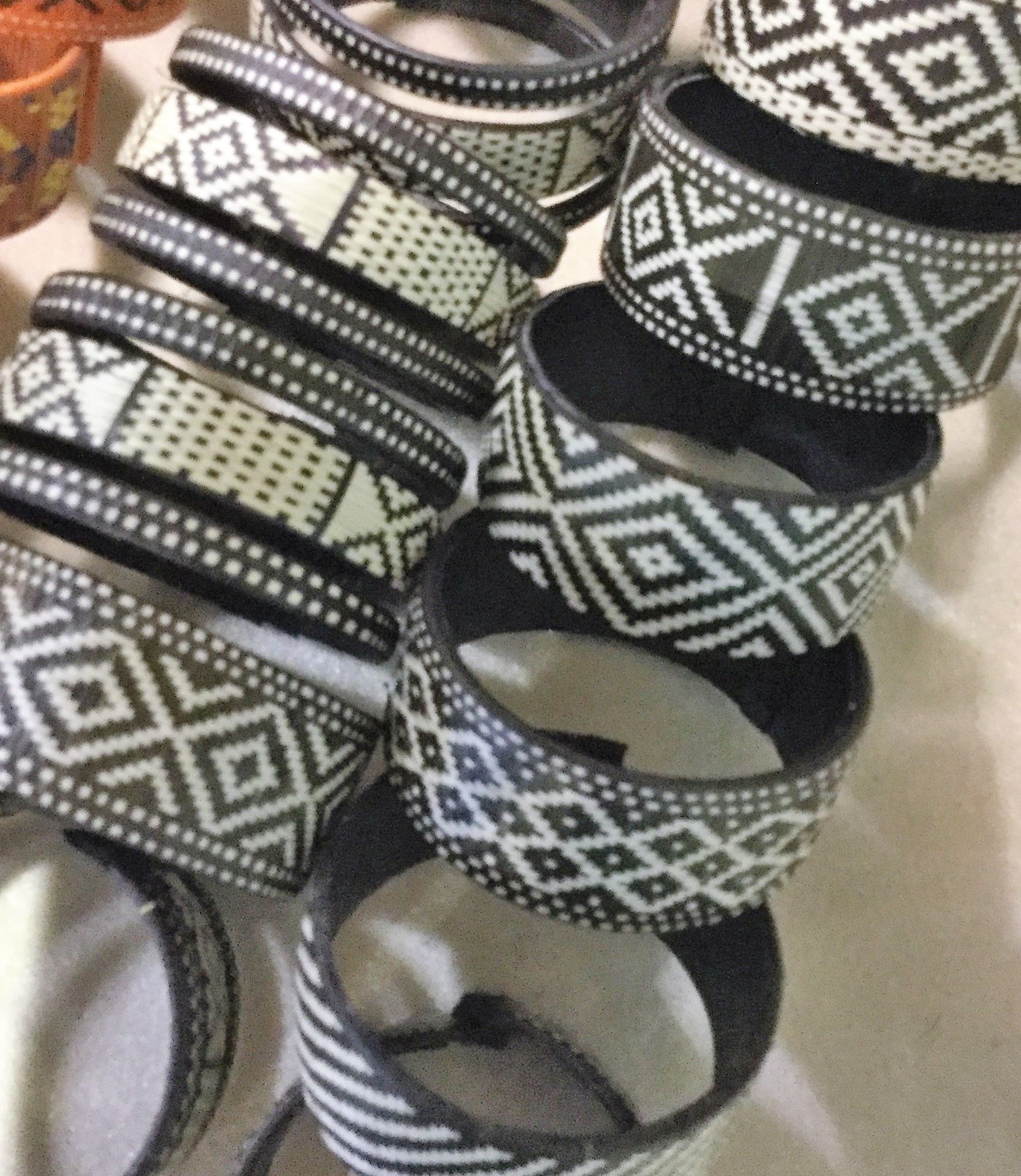
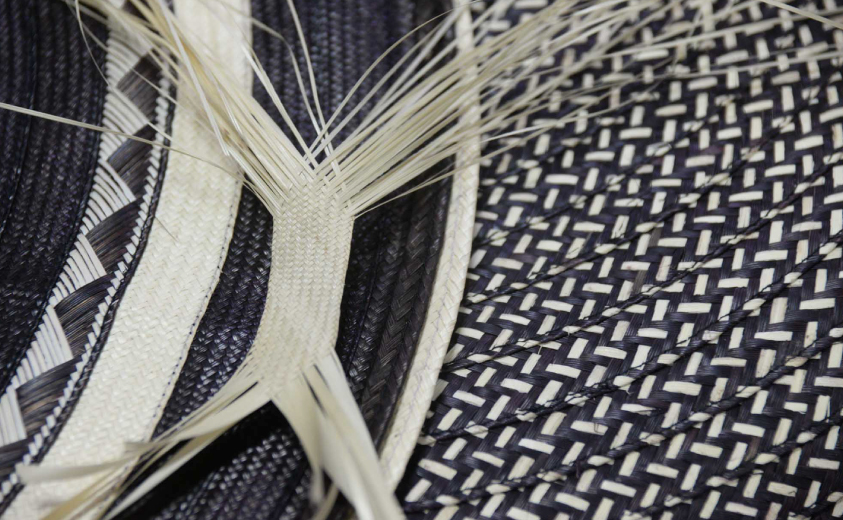
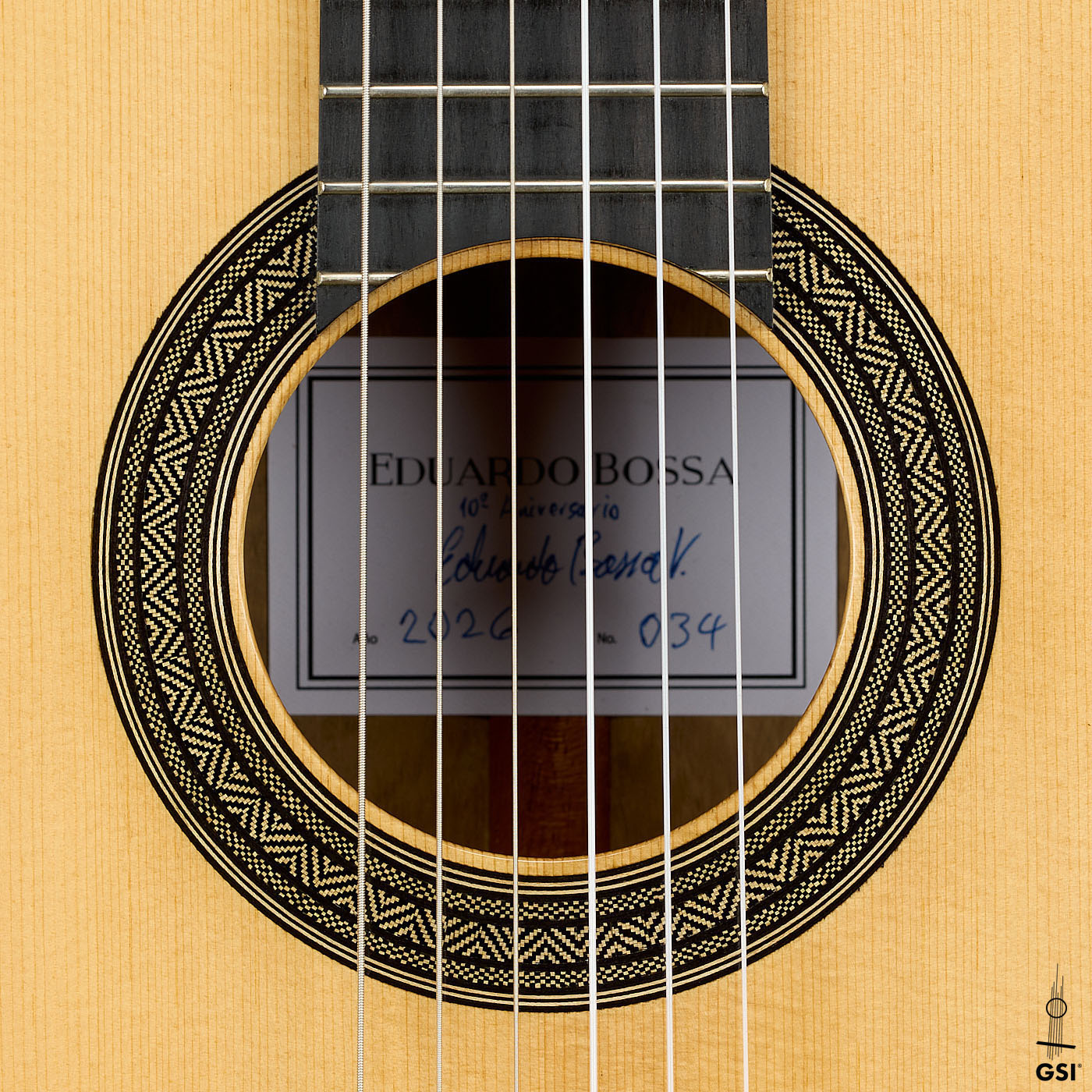
To set the anniversary model apart visually, Bossa made subtle changes to the purfling, binding, and bridge tie block. He also dedicated a distinct rosette layout to the model, while his standard concert guitars keep his earlier designs. The rosette pays homage to the woven crafts of the Zenú people of the Colombian Caribbean. It is made by skilled local artisans from black and white straw fibers, woven into concentric bands of zigzag and chevron patterns. The motifs recall the pre-Columbian designs that are still part of the region's traditional weaving.

The Sound

With this model, Bossa set out to create a more piano-like voice, and he has succeeded. The sound is solid and deeply anchored, and the notes are dense and weighty, like those of a fine piano. The guitar is loud and highly directional, with excellent projection and a slightly stronger bass than Bossa's concert model. Most striking of all is its consistency: the voice is alarmingly even from the lowest bass notes to the top of the treble, with every note carrying the same character and weight. Add the comfortable, player-friendly feel found in all of Bossa's guitars, and the result is a powerful, distinctive concert instrument and a compelling alternative to his standard model.

Photos of this guitar taken during construction

Description

The 10th Anniversary Model

This guitar introduces Eduardo Bossa's new 10th anniversary model, labeled "10º Aniversario". Eduardo has stressed to us that this isn't a "limited edition". Bossa designed it as a permanent alternative to his standard concert guitar. The two share virtually the same plantilla and soundbox, but the anniversary model uses a different construction system that gives it its own feel and tonal palette. He sees it as neither better nor worse than his standard concert model, but as a complement to it. This is our third guitar from this fine maker who we first met at the seventh Antonio Marin Montero Guitar Making Competition held in Granada, Spain in July/August, 2024 where this guitar took 2nd prize.

Construction

The anniversary model differs from Bossa's concert guitar mainly in how it's built. The spruce top keeps a traditional fan layout, but the bracing and top thicknessing are very different from those of his standard model. In the body, he uses laminated double sides. This gives the body extra rigidity, so less energy is lost through the sides and more is sent through the soundboard, which adds focus and projection.

Comino Crespo

For the back and sides, Bossa chose comino crespo (Aniba perutilis), a tree found only in Colombia and almost unknown in the guitar world. It is a rare and costly wood that Bossa considers truly exceptional. He offered it to GSI especially for this guitar and values it for its excellent tonal properties and for having just the right density and hardness for guitar making. Its beauty is just as striking. The golden color is entirely natural, with no tints or dyes. True to its name (crespo means "curly" in Spanish), the wood is known for its lively curly grain, and this set has an especially deep, three-dimensional figure that ripples across the back and shimmers as the guitar moves in the light. Bossa paired it with a spruce soundboard. He notes that it would work just as well with cedar acoustically, but he prefers the visual harmony of the lighter colored top with golden-colored back and sides. The fingerboard is Colombian ebony, which rounds out a guitar that celebrates the woods of Bossa's homeland.

Details and Appointments

The trim is refined and carefully matched. Dark bindings and fine purflings outline the top, back, and sides. The sides are framed in their own purfled borders, and a slender center strip divides the bookmatched back. At the tail, an inlaid end graft with a delicate rectangular purfling echoes the lines of the body. The scalloped headstock has a central stripe of figured golden wood between fine lines. The bridge has a mother-of-pearl tie block inset with a fine checkerboard mosaic.

The Zenú Rosette

To set the anniversary model apart visually, Bossa made subtle changes to the purfling, binding, and bridge tie block. He also dedicated a distinct rosette layout to the model, while his standard concert guitars keep his earlier designs. The rosette pays homage to the woven crafts of the Zenú people of the Colombian Caribbean. It is made by skilled local artisans from black and white straw fibers, woven into concentric bands of zigzag and chevron patterns. The motifs recall the pre-Columbian designs that are still part of the region's traditional weaving.

The Sound

With this model, Bossa set out to create a more piano-like voice, and he has succeeded. The sound is solid and deeply anchored, and the notes are dense and weighty, like those of a fine piano. The guitar is loud and highly directional, with excellent projection and a slightly stronger bass than Bossa's concert model. Most striking of all is its consistency: the voice is alarmingly even from the lowest bass notes to the top of the treble, with every note carrying the same character and weight. Add the comfortable, player-friendly feel found in all of Bossa's guitars, and the result is a powerful, distinctive concert instrument and a compelling alternative to his standard model.

Photos of this guitar taken during construction
Background

From Eduardo Bossa:

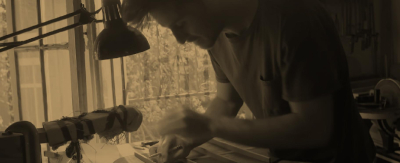
How does a chemical engineer with years of experience in engineering projects end up as a guitar maker? There are two distinct aspects in my personality that sometimes work against each other. There is one aspect which is very rational and structured, and another aspect which is intuitive, creative, and artistic. If I need to make a career choice to allow both aspects of my personality to work together, what do I do? I became an engineer, but there is not much room for artistic freedom there. I also studied classical guitar for many years, but my rational side kept getting in the way. As a young guitarist, I was always fascinated by the mysteries of a guitar. As an engineer, I wanted to know how it worked, why it was designed the way it was, and how changes to its construction aspects affected the final result. As an artist, I was captivated by the beauty of the sounds it produced, the aesthetic charm of the instrument itself, and the sheer musicality of the entire package. I studied every guitar I could get my hands on, I listened, I observed. I read everything I could about guitar making. But I never thought I would be able to make a guitar myself. One day I met master luthier Alberto Paredes, who very calmly and matter-of-factly explained that I could build guitars, I just had to work hard at it. So together with him I built my first guitar. And suddenly I found that the rational and artistic sides of me were no longer fighting each other, but rather working together to achieve my goals in guitar making. That day I found my calling and I decided that I wanted to dedicate my life to making the best guitars I could. Since 2014 I have been building guitars in my workshop in Cartagena, Colombia, using a combination of traditional and modern methods in order to offer beautiful guitars suited for today's musicians.
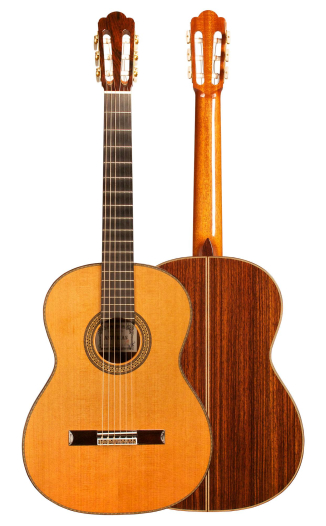
After several years of working at his craft, Eduardo Bossa was awarded second-prize for his classical guitar at the prestigious seventh Antonio Marin Montero Guitar Making Competition held in Granada, Spain in July/August, 2024.

Feel free to contact us with any questions. It’s what we’re here for!

Guitars by Eduardo Bossa