Guitar Salon International
+1 (310) 586.1100 | +1 (877) 771.4321
Museum
Classical Guitars
Classical Guitars
Flamenco Guitars
Flamenco Guitars
Cleveland Collection
Luthiers
Luthiers
Your Cart

Your shopping cart is empty!

Sub-Total: $0.00
Total: $0.00
Edit cart
Checkout
Museum

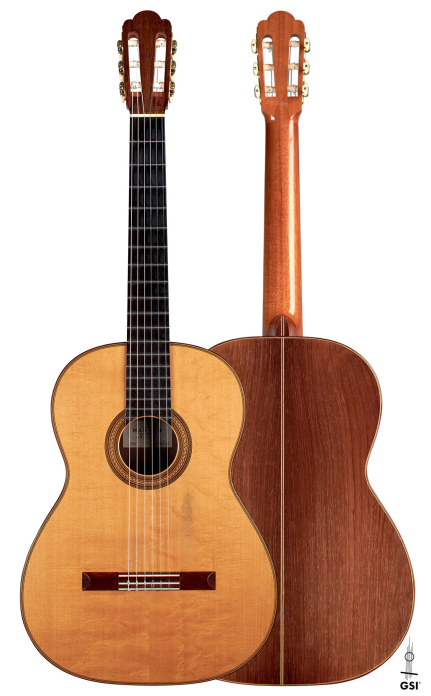
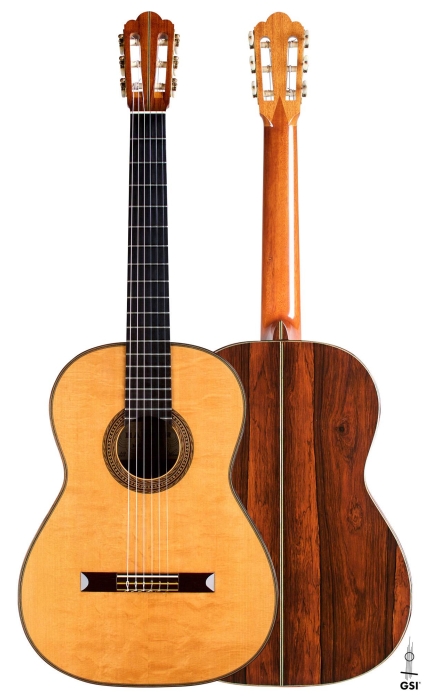
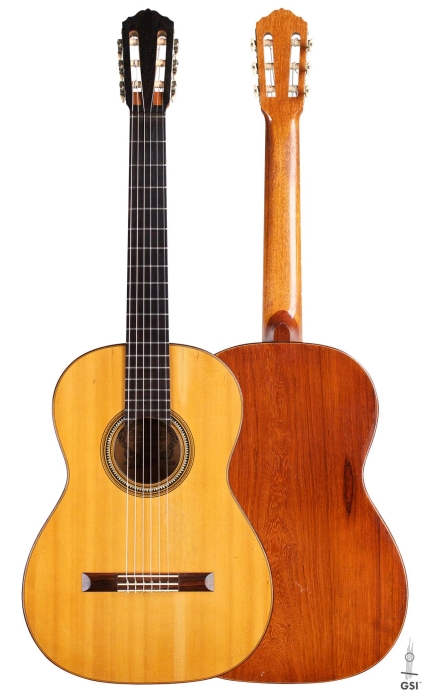
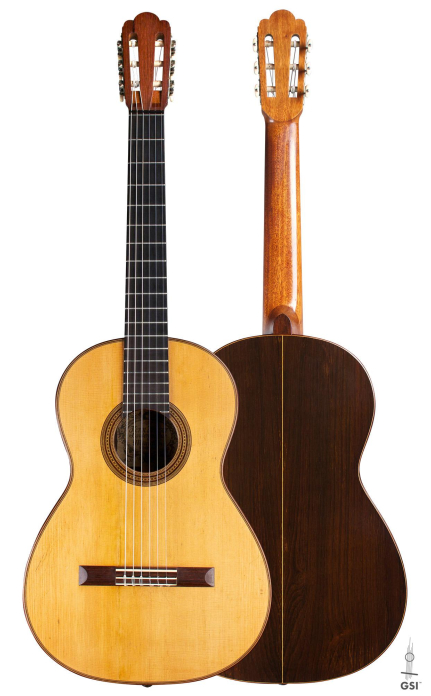
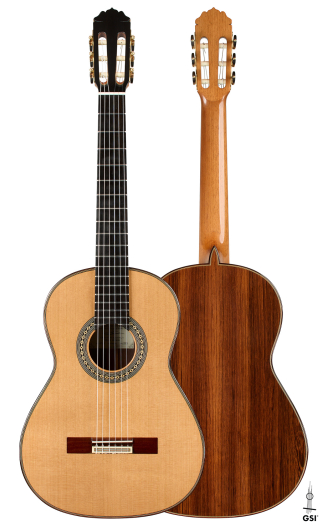
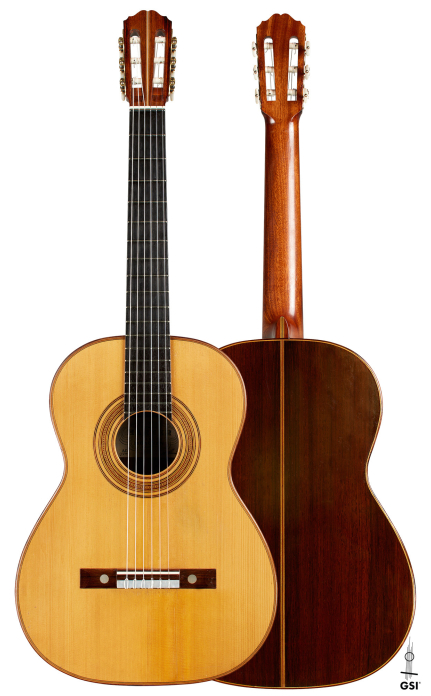
1930 Hermann Hauser I "Llobet" SP/MP

Year 1930
Top Spruce
Back & Sides Maple
Scale Length 650 mm
Nut width 51 mm
Finish French Polish
Country Germany
Luthier Hermann Hauser I

This guitar is no longer available in our inventory. If it interests you, click the ”notify me when available” button to be notified in the event that we re-acquire this guitar for re-sale.

Inquire
See more from Hermann Hauser I

Videos

1930 Hermann Hauser I "Llobet" SP/MP

Stephanie Jones performs João Pernambuco's "As Emboladas Do Norte" on a 1930 Hermann Hauser I Guitar

1930 Hermann Hauser I "Llobet" SP/MP

Michael Gullo performs Agustin Barrios' "Una Limosna Por El Amor De Dios" on a 1930 Hermann Hauser I

1930 Hermann Hauser I "Llobet" SP/MP

Torroba 'Arada' - Eleftheria Kotzia plays 1930 Hauser I

1930 Hermann Hauser I "Llobet" SP/MP

JS Bach ‘Gavotte en Rondeau’ - Sondre Hoymer plays 1930 Hermann Hauser I

1930 Hermann Hauser I "Llobet" SP/MP

Legnani ‘Caprice No. 21’ - Sondre Hoymer plays 1930 Hermann Hauser I

1930 Hermann Hauser I "Llobet" SP/MP

Neumann 'Love Waltz' - Eleftheria Kotzia plays 1930 Hauser I

1930 Hermann Hauser I "Llobet" SP/MP

Paganini Caprice in A - Celil Refik Kaya plays 1930 Hauser I
Description

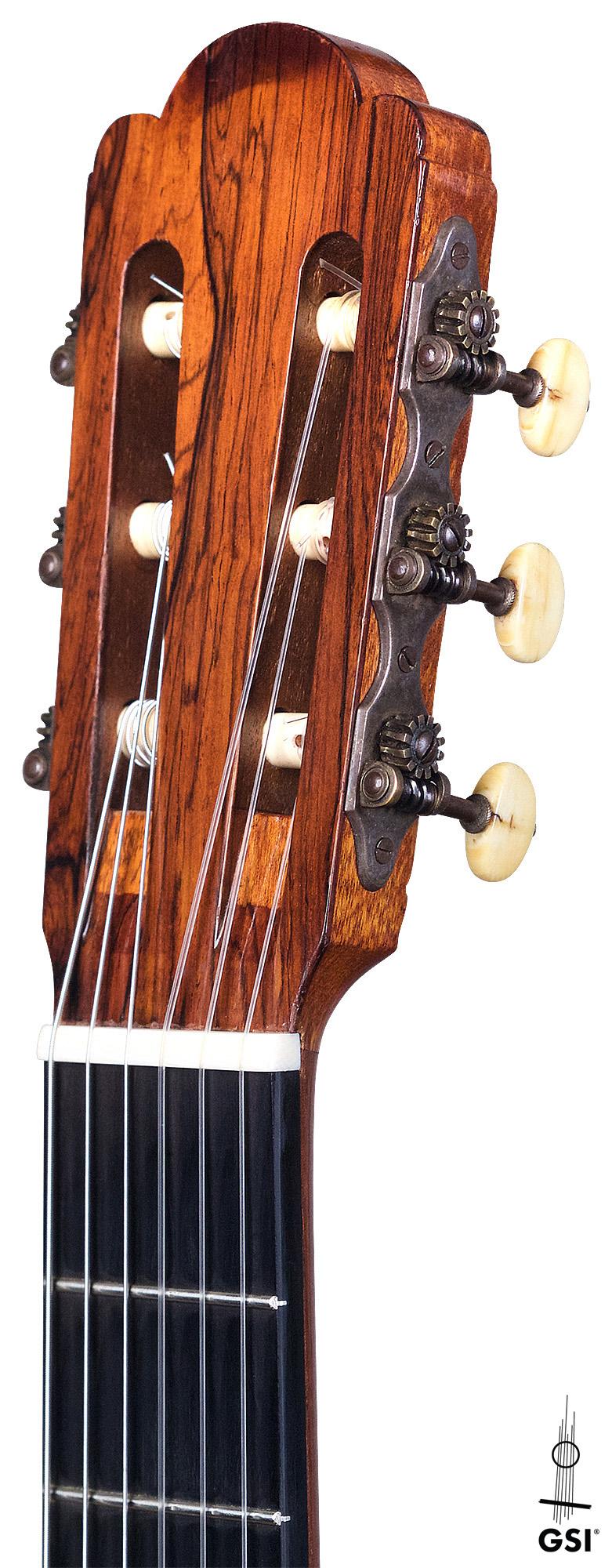
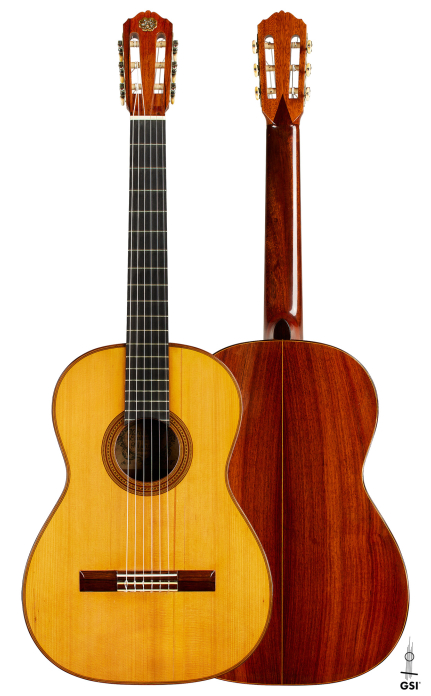
Built in Munich in 1930, this Hermann Hauser I "Llobet" is a classical guitar in spruce and maple, modeled largely on Miguel Llobet's 1859 Torres (FE 09) for its dimensions and measurements.

1930: the Year of Sérgio Abreu's Hauser

This beautiful instrument was built in the same year as the Hauser played and recorded by Sérgio Abreu, both on solo records and in duo with his brother Eduardo. Interestingly, Sérgio's 1930 Hauser was used by José Romanillos as the blueprint for a series of his own instruments beginning in 1973, which would include Julian Bream's famous #501, Sérgio Abreu's #502 and Eduardo Abreu's #503.

The Llobet Torres: a Design That Achieved Immortality

Llobet's 1859 Torres has continued to be the source of inspiration throughout the successive generations of Hauser II and III, and for other makers as well, like Romanillos and Blöchinger, just to name two. This is truly one of the great designs that has achieved a sort of immortality, or timeless grace.

Sound of a Maple Hauser I

Sound is as one would expect – perfectly balanced, with great clarity between voices. Being a maple guitar, it has a rich, deep texture that gives it a unique lyricism and great beauty of tone. The trebles sing with a velvety "golden glow" and an exceptionally strong "Spanish" character – warm, dark and very romantic. Playability is a dream for both right and left hands.

Condition

It is in excellent, original condition with a couple of conservatively well-repaired cracks, and otherwise ready for the concert stage or recording studio, or for a luxurious evening of private playing. Truly a remarkable and rare instrument from one of history's most important luthiers, who, along with Torres, is the most studied, revered and desired of the great historical makers, and coveted today by collectors, players and luthiers. For every reason this is a very desirable and rare collector's piece with an irresistible voice.

Background

Hermann Hauser I: Master Guitar Maker of Munich

Hermann Hauser Sr. (1882–1952) is best remembered for the remarkable instruments he built in the Spanish style after 1924. In that year, both Andrés Segovia and Miguel Llobet visited Hauser. Segovia was impressed by the quality of Hauser's work and wrote his impressions, noting that he "immediately saw the potential of this great artisan if only his mastery might be turned to the construction of the guitar in the Spanish pattern, as immutably fixed by Torres and Ramirez as the violin had been fixed by Stradivarius and Guarnerius" (Segovia in Guitar Review, 1954).

Segovia, Llobet and the Spanish Model

Segovia encouraged Hauser to build instruments based on his 1912 Manuel Ramírez guitar (built by Santos Hernández) after he examined and made measurements of this instrument. At this time Hauser also had the opportunity to examine Miguel Llobet's famous 1859 Torres, which would also become a decisive influence on the maturing "Hauser" style.

Guitars by Hermann Hauser I