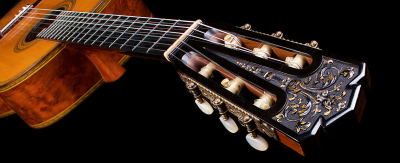
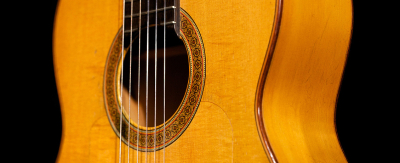
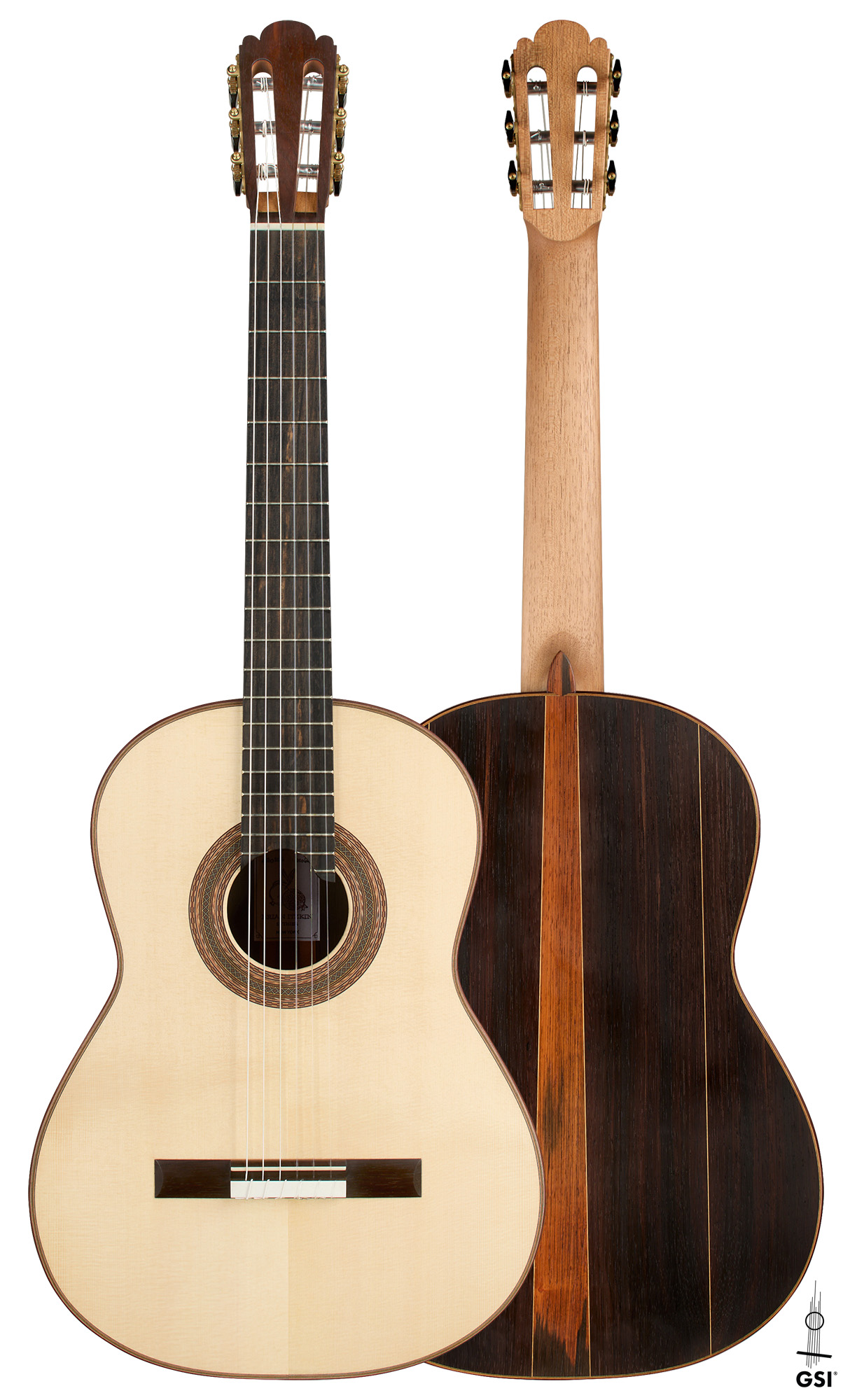
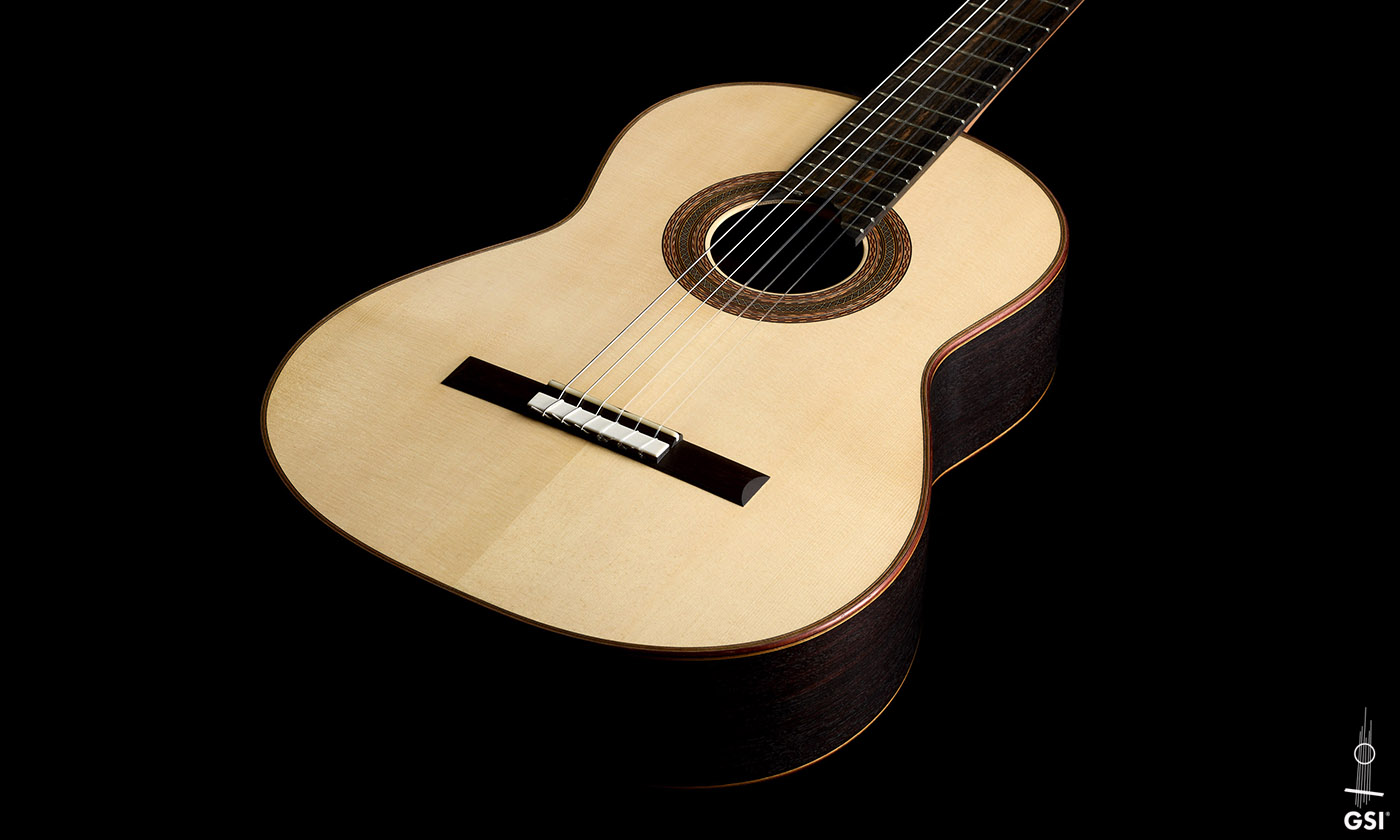
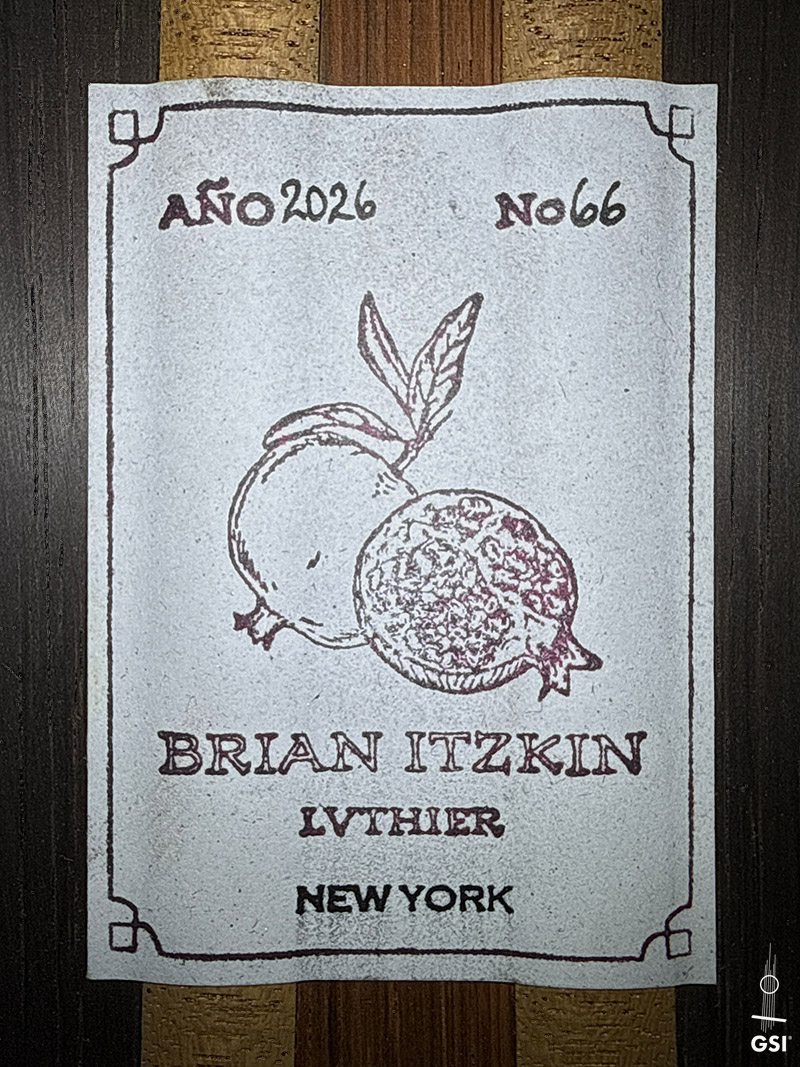
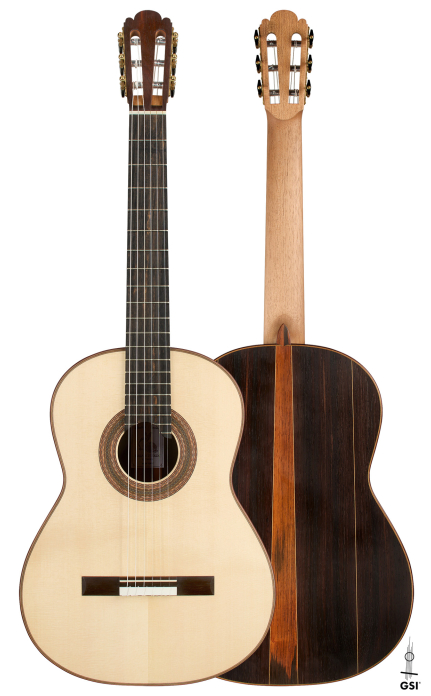
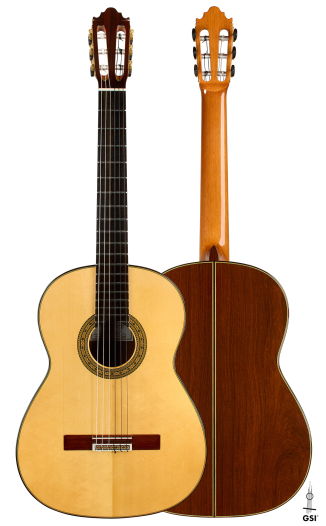
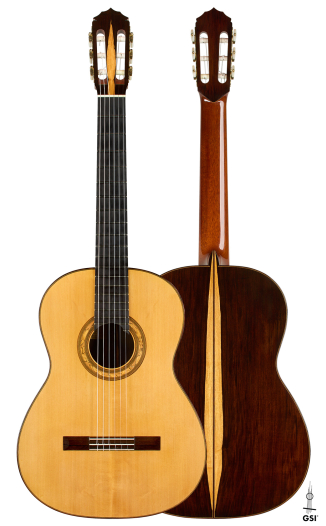
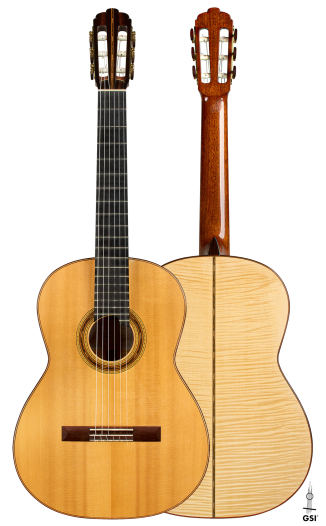
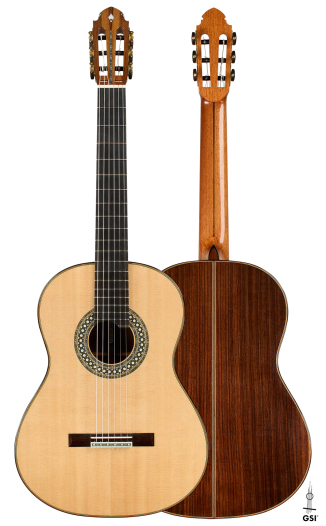
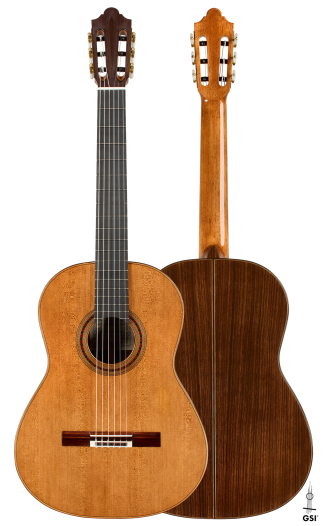
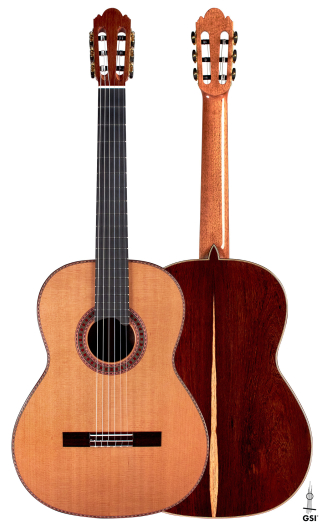
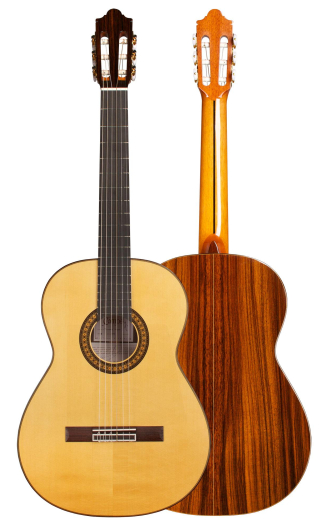
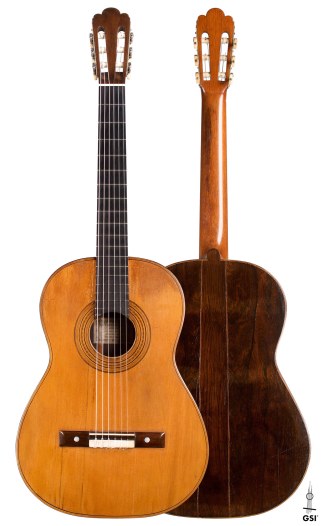
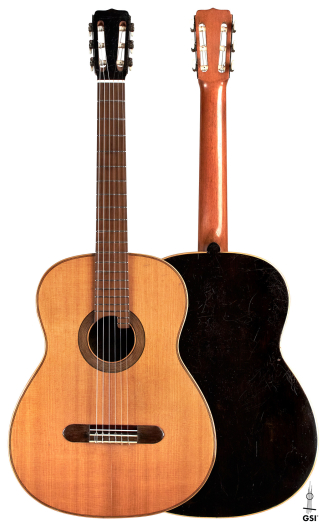
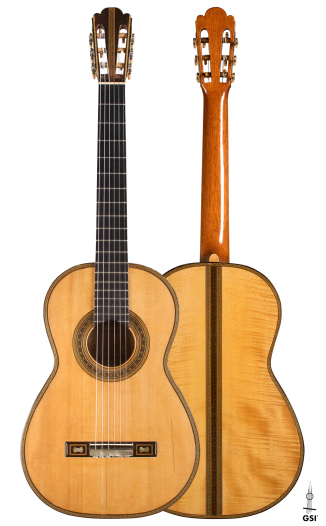
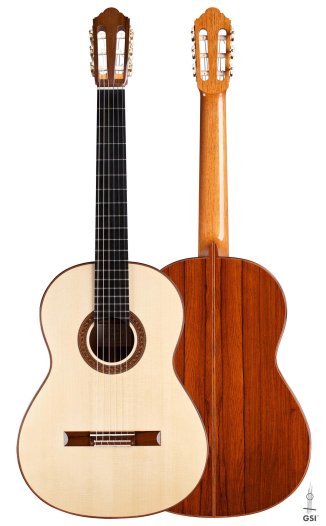
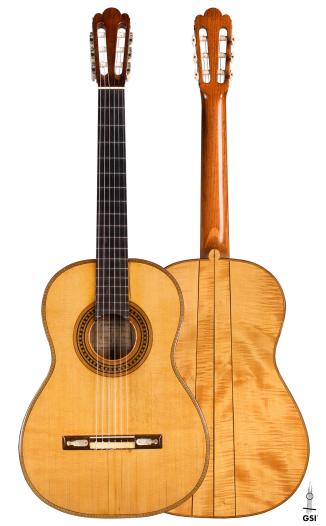
This 2026 Brian Itzkin is a classical guitar with a Carpathian spruce top, a five-piece CSA rosewood back and Indian rosewood sides, made in New York – and our first guitar from Brian with a hand-rubbed oil varnish.
Our Third Guitar from Brian Itzkin
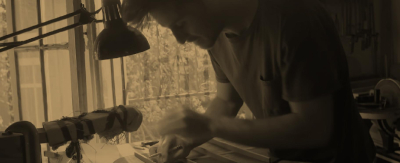
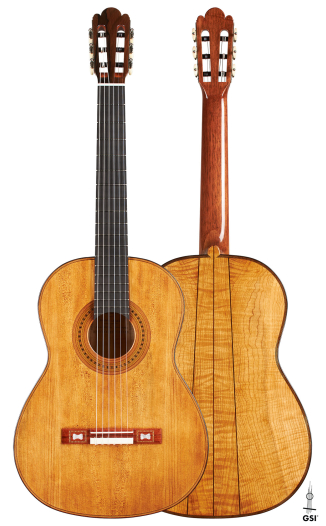
This is our third guitar from Brian Itzkin, who we feel is currently the number-one young/up-and-coming US luthier. Hands-down. Brian’s deep passion and love of the tradition – especially his heroes Antonio de Torres and José Romanillos – are at the heart of this instrument. He built it for a guitar festival, and as he told us, he “indulged my own preferences and decided on details in the moment in an almost Ornette Coleman inspired system of improvisation.”
Carpathian Spruce and Romanillos-Inspired Bracing
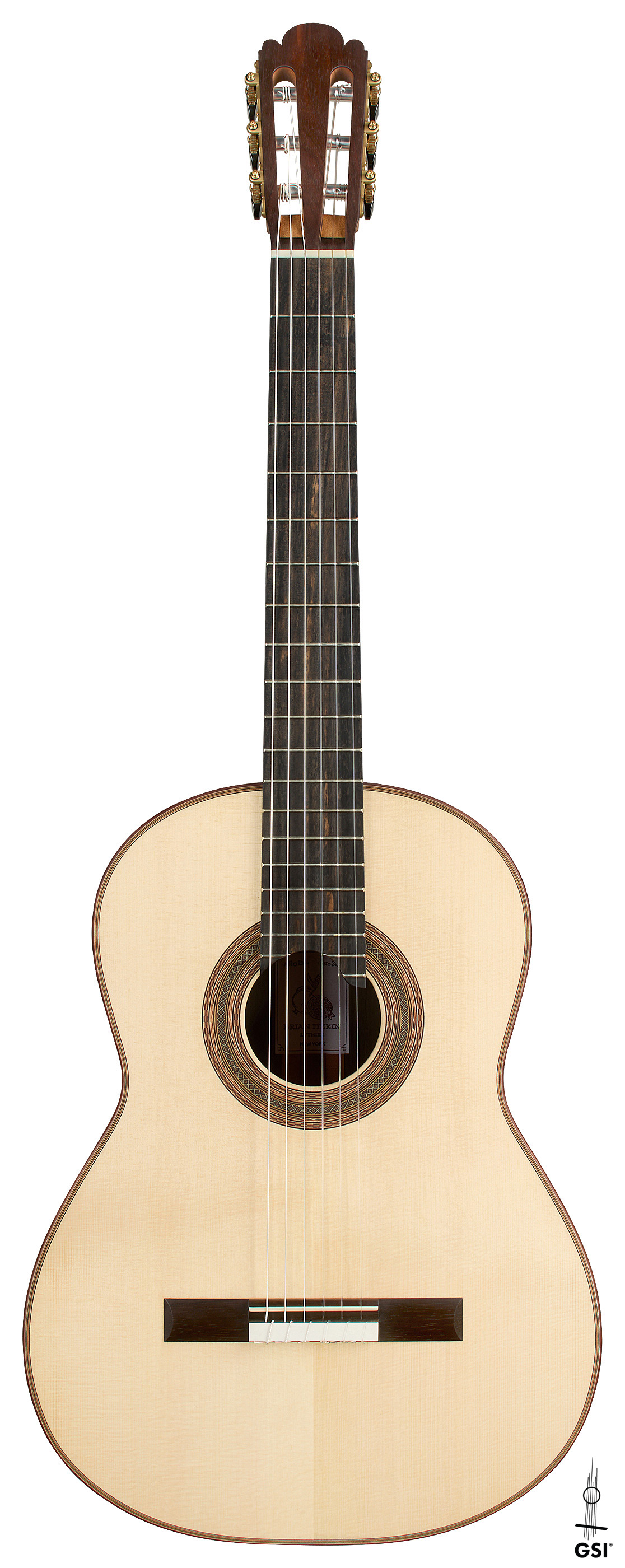
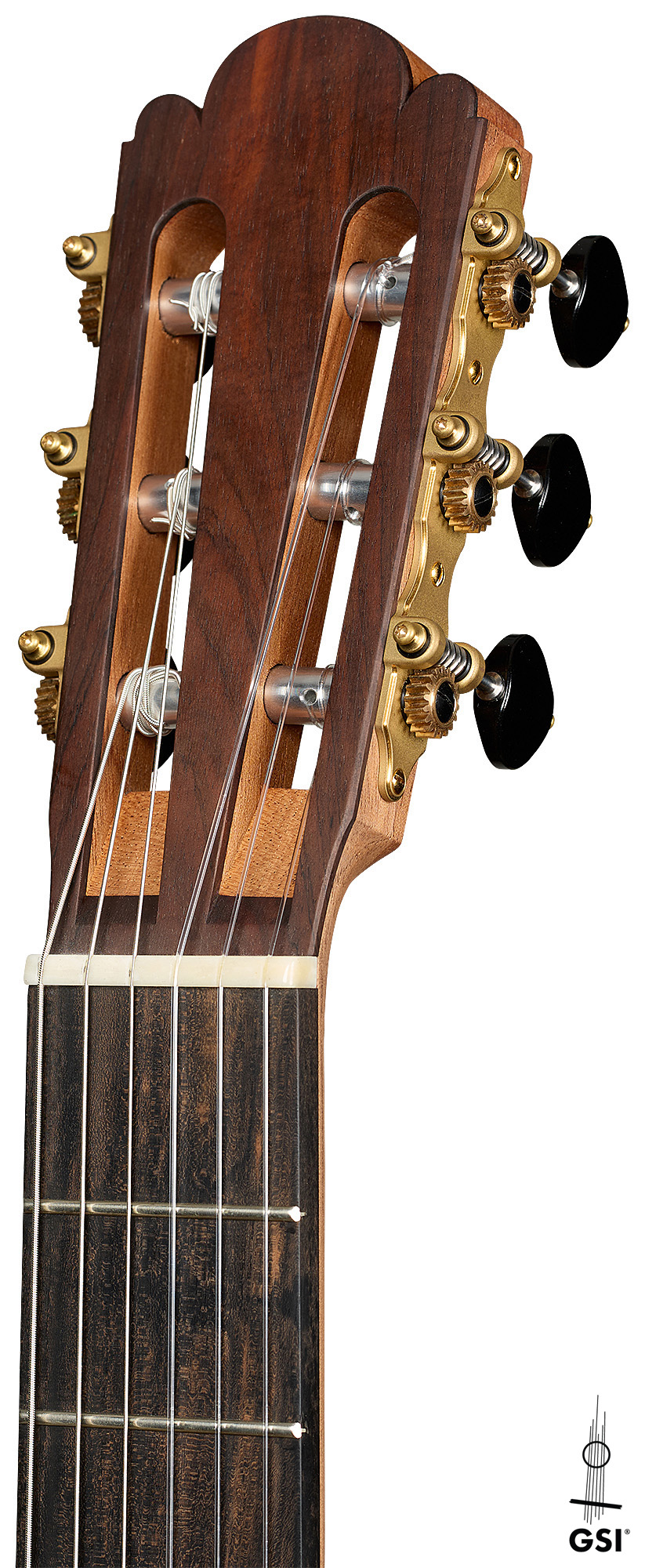
The top is Carpathian spruce from Romania, braced with 7 fans and a bridge plate heavily inspired by Romanillos. The neck is Spanish cedar, with a fairly flat profile that becomes somewhat thinner toward the body – shaped according to Brian’s own preferences.
A Five-Piece CSA Rosewood Back
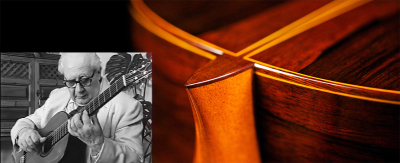
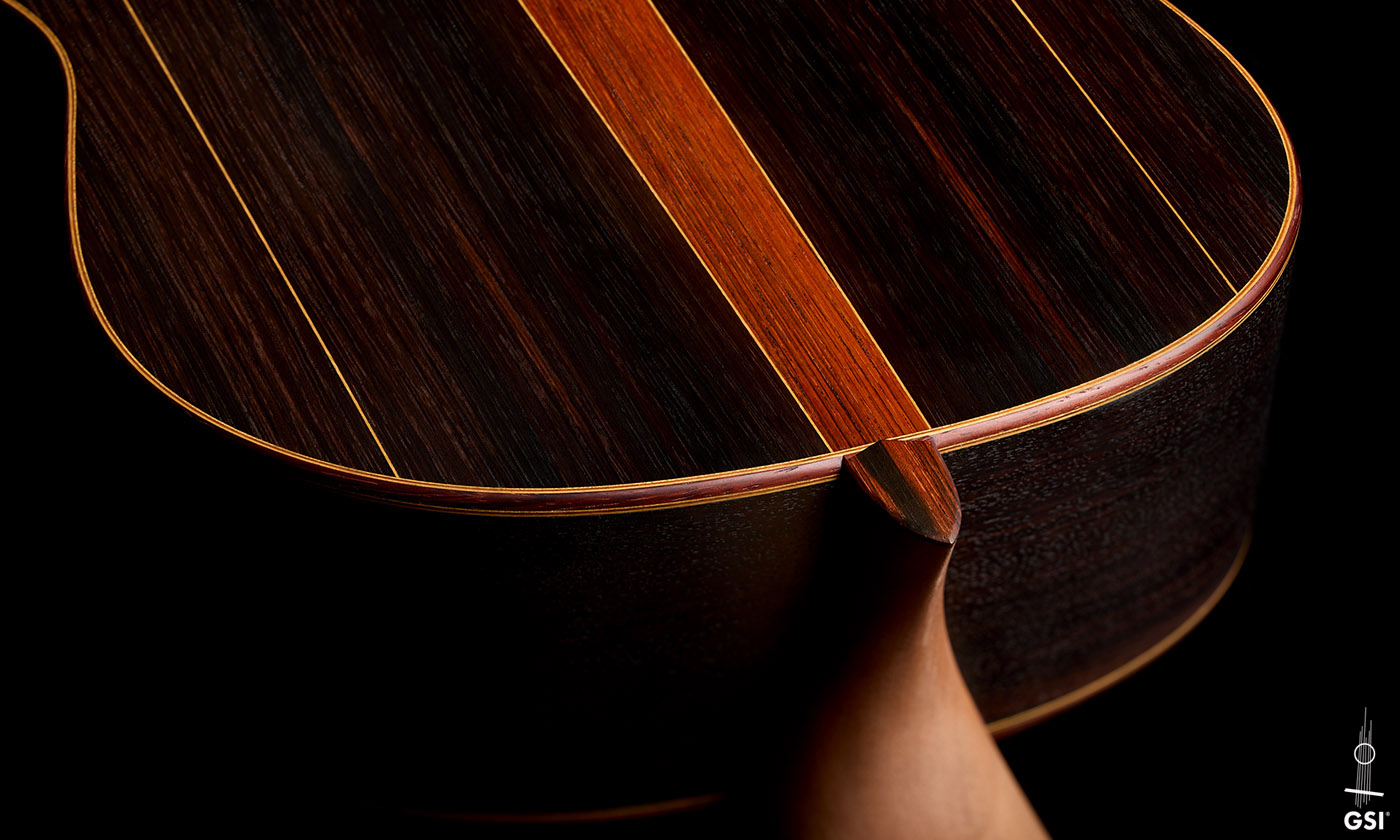
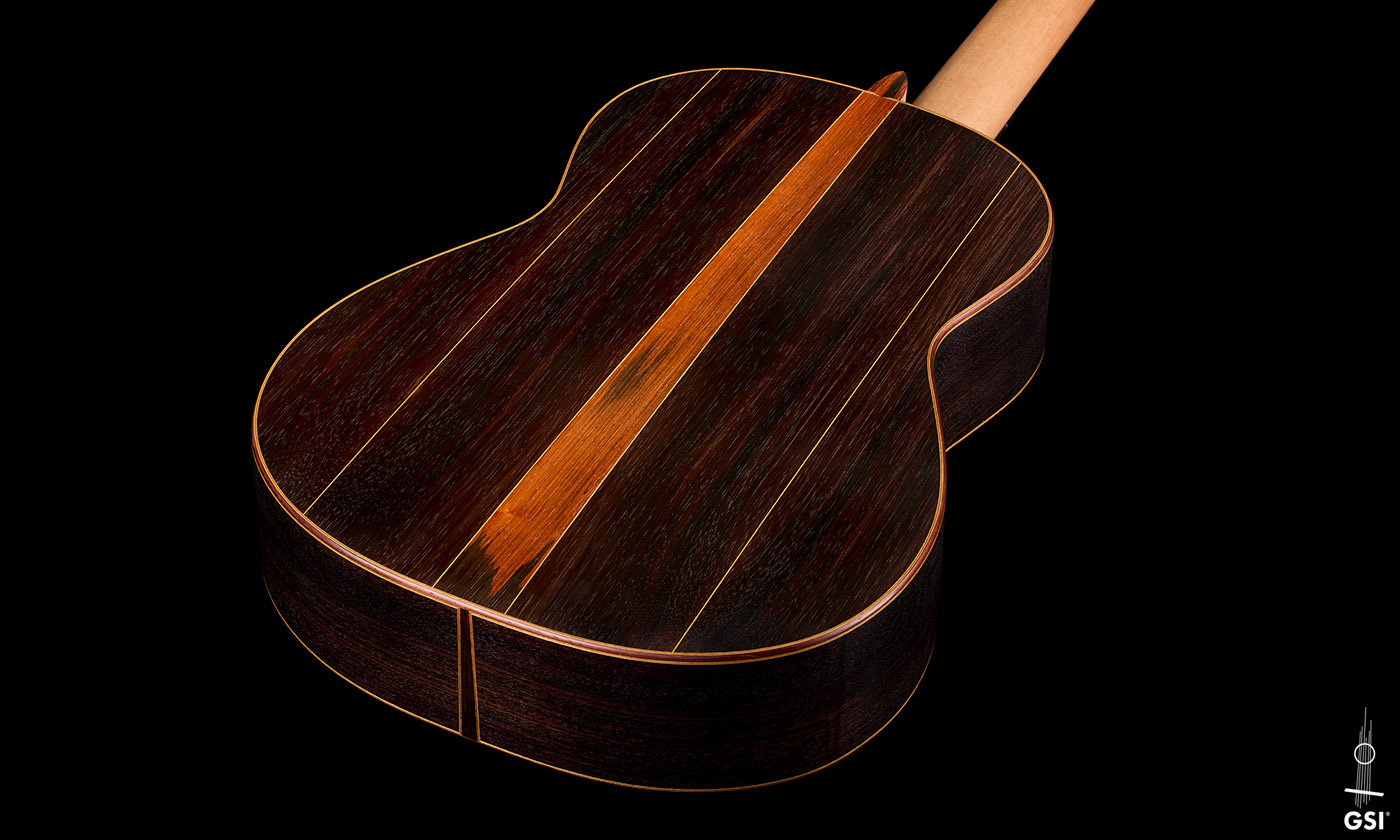
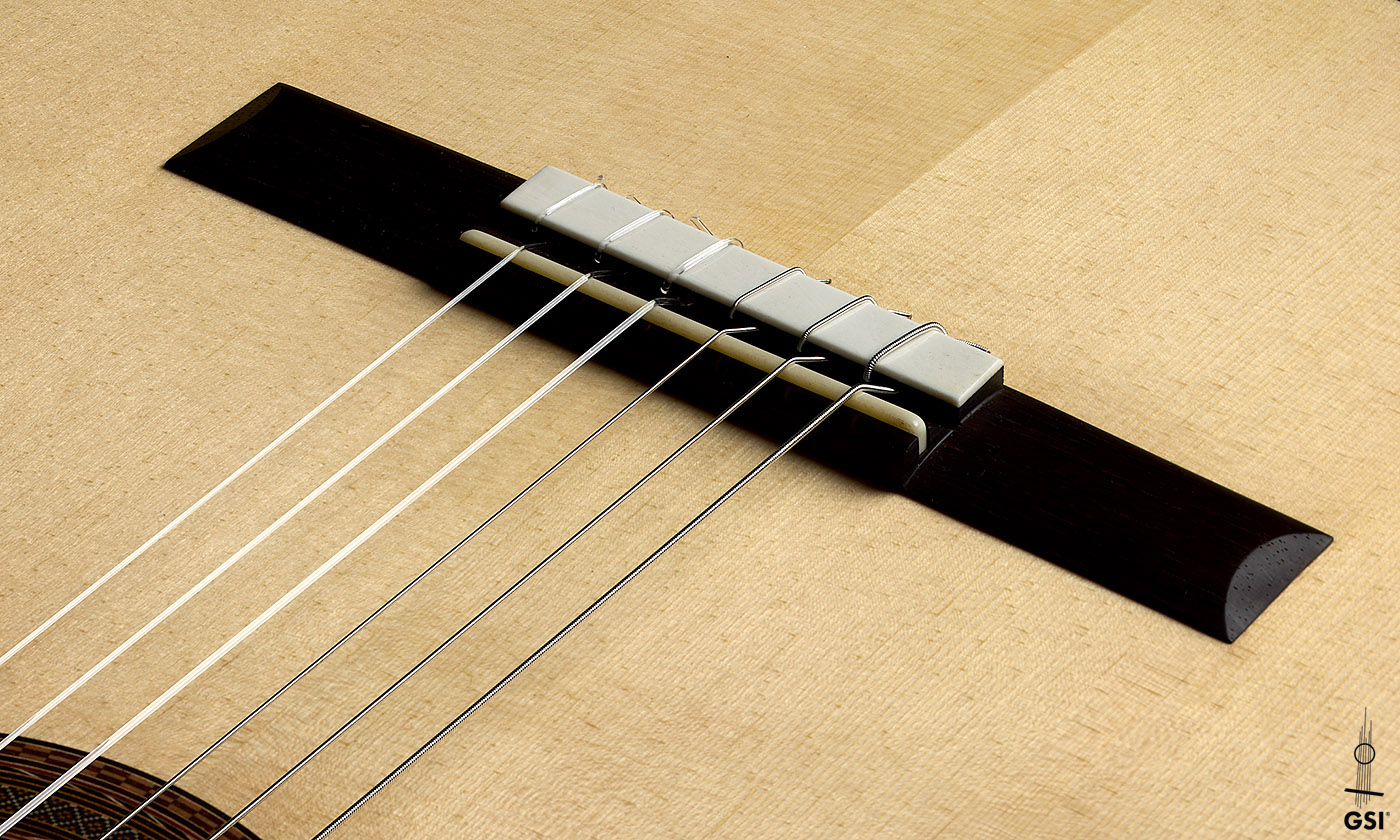
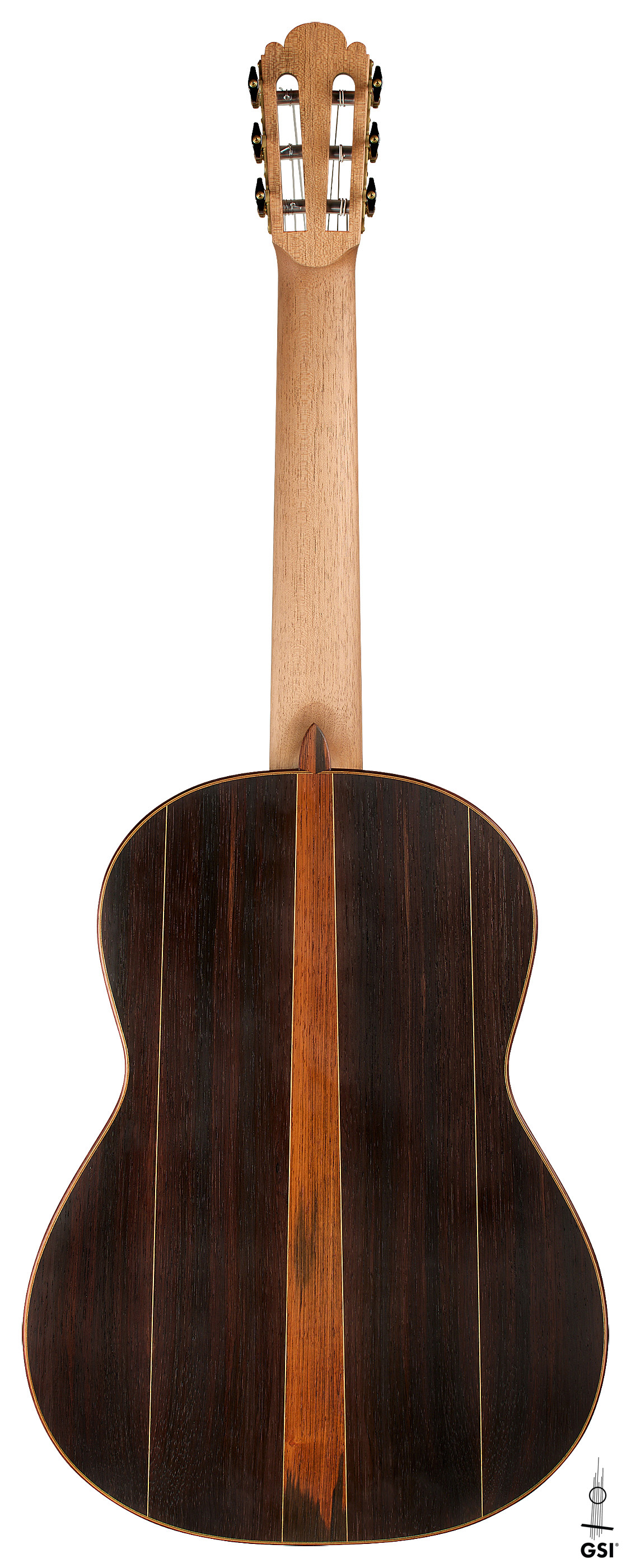
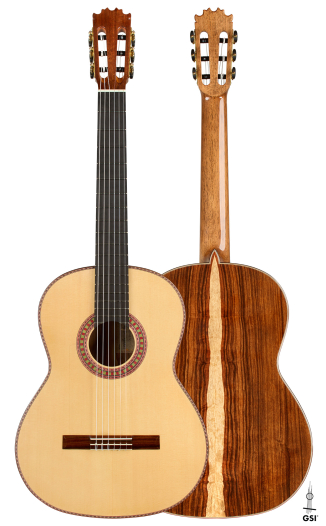
The back is made of five pieces of CSA rosewood – including the center piece, which is very differently colored – and all panels are separated by strips of Ceylon satinwood. The satinwood appears again, most prominently, in the back and side purfling, and more discreetly in the top purfling and rosette. The sides are Indian rosewood that matches the color of the back quite well; Brian chose this combination after seeing a Vicente Arias with the same pairing that we had sold. The bindings are Guatemalan rosewood, with a purplish-brown hue that complements the darker color of the back and sides, and the head veneer and bridge are also CSA rosewood.
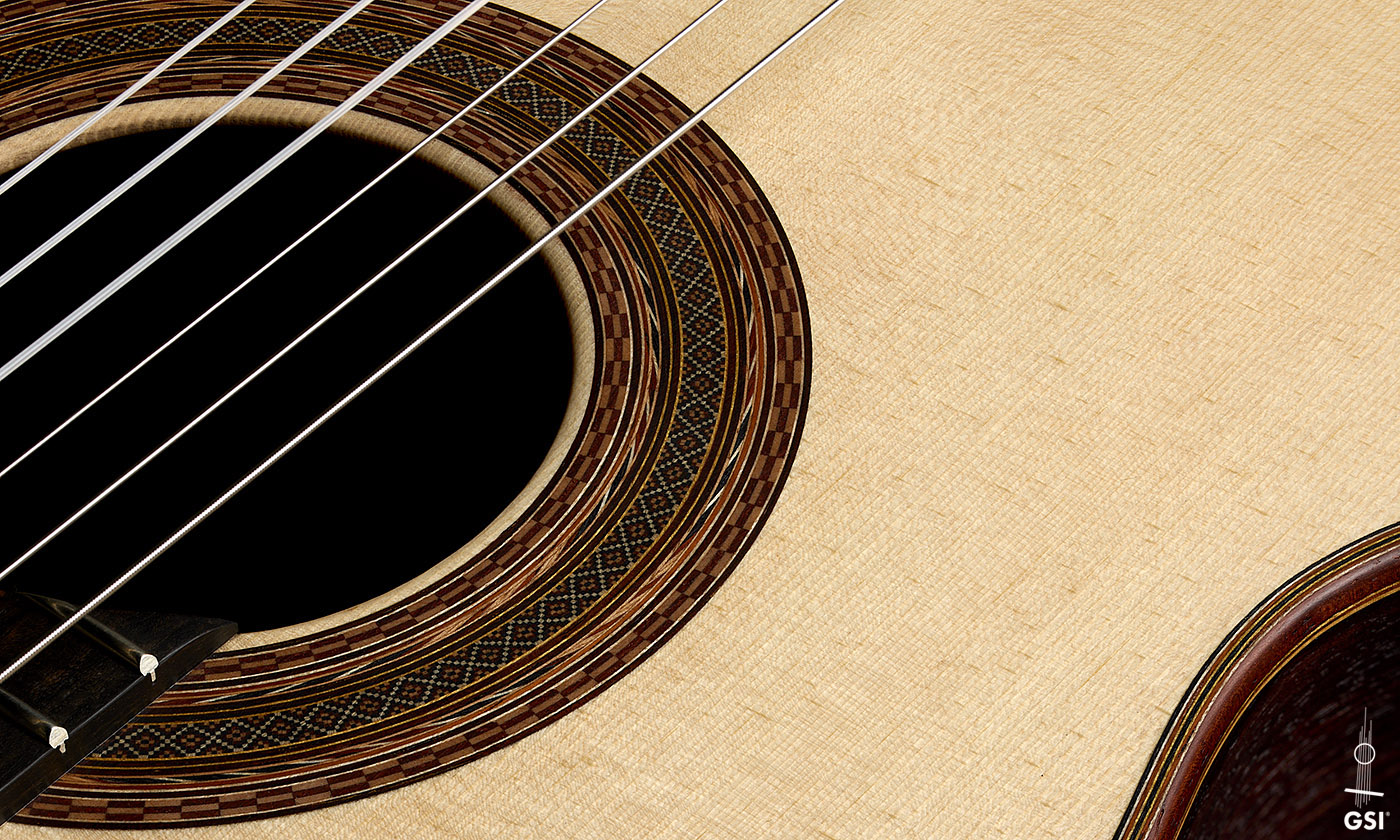
A Rosette Inspired by Torres
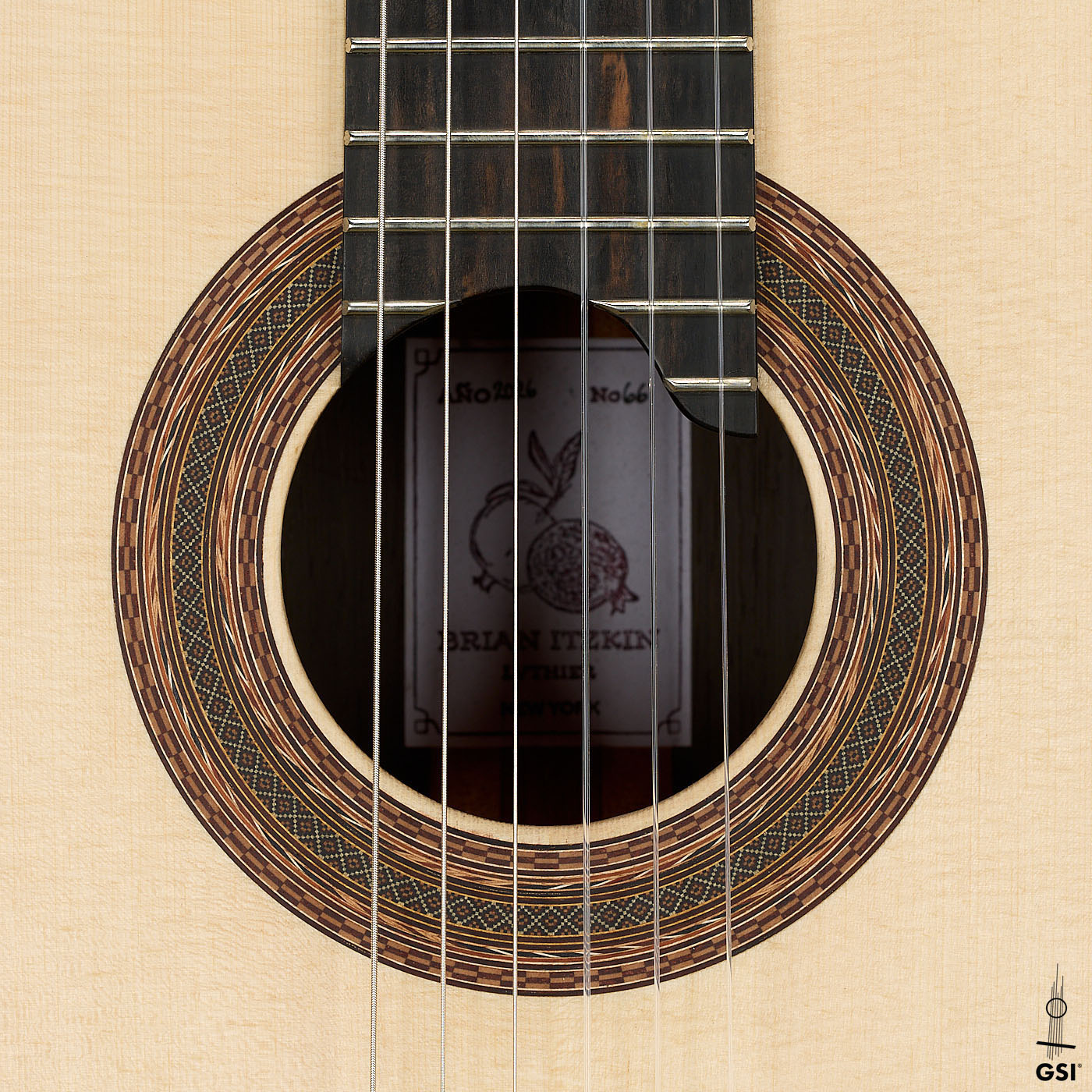
The rosette takes some influence from Torres with its chain motif, combined with half-herringbone and a mosaic pattern. It is a true “lignophile’s” rosette, made of CSA, Guatemalan and Amazon rosewoods, anigre, ebony, English sycamore, Ceylon satinwood and big leaf maple from the West Coast.
A Hand-Rubbed Oil Varnish
This is the first guitar we’ve had with this finish: a hand-rubbed oil varnish, as used and described by the acclaimed English luthier Kevin Aram in an article for the Guild of American Luthiers. Before any oil goes on, every surface is sanded to at least 1800 grit, and the rosewood is burnished further to 2400 grit – a level of preparation that would be unnecessary for any other finish – leaving a highly reflective surface. The oil is then applied in multiple coats, enough to protect the guitar without building up to a semi-gloss.
The pores are left open, giving a very organic feel – the opposite of the highly shiny, almost plastic finishes so often found today. The neck is smooth and fast, never gummy or sticky the way a gloss-finished neck can be, and the oil brings out the natural beauty of the wood. Much like French polish, the finish is easy to repair: a damaged spot can simply be burnished and given another coat of oil for an invisible repair. It also resists water and alcohol quite well, so the risk of damage in regular use is low. As Brian puts it, the matte look “may be a bit atypical at first sight but most people who experience instruments finished in this manner in person quickly find it benefits both feel and function.”
Sound and Playability
Like Brian’s earlier guitars, this one has a dark, deep, old-world sound, with rich harmonic content filling every note yet never distorting or muddying the fundamental – partially also thanks to the low body resonance. The result is a clear, focused, rich and beautiful sound with a noticeably wide palette of tonal colors: the proverbial “symphony in a box”. Although a “modern” guitar, it captures the qualities of the old Spanish guitars that have been so loved and cherished over the last 150 years by players, audiences and music lovers alike.
The power, the weight, the playability and the visuals – to us, this is everything anyone could want in a guitar. Simply put, it has everything a sensitive guitarist could want to fully express any musical idea in the guitar’s repertoire.
We are very happy to be working with this fine maker and look forward to many more!
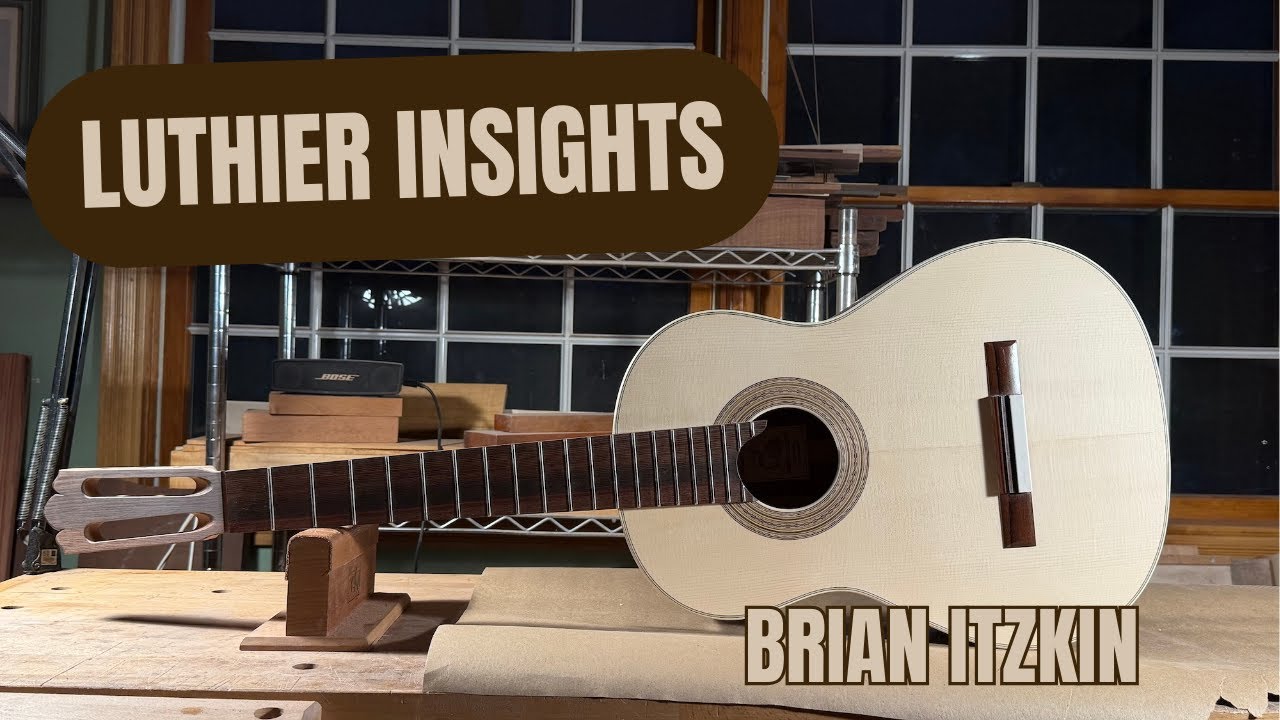
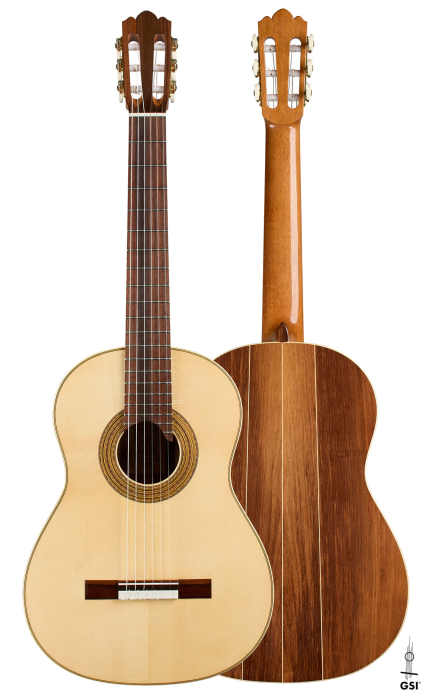
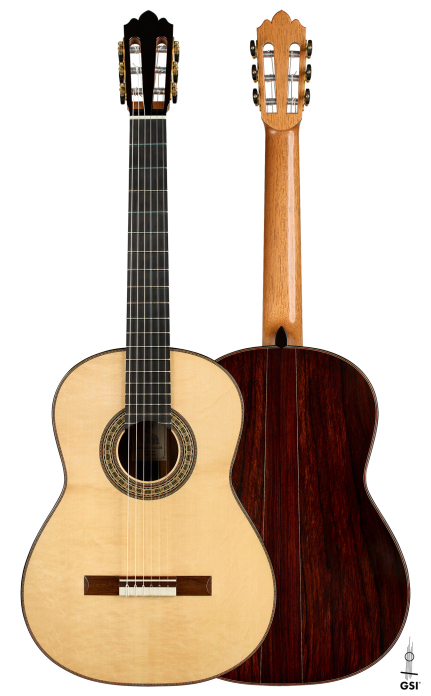
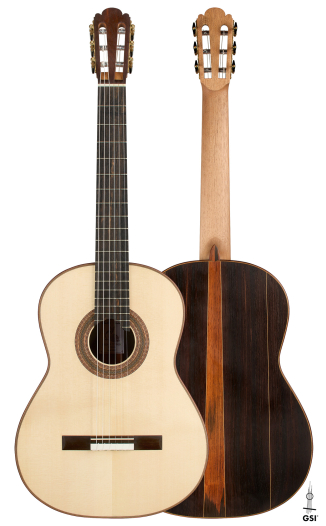
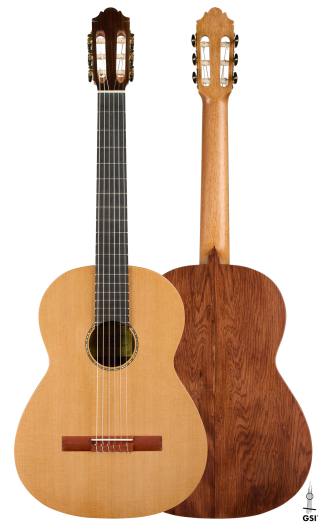
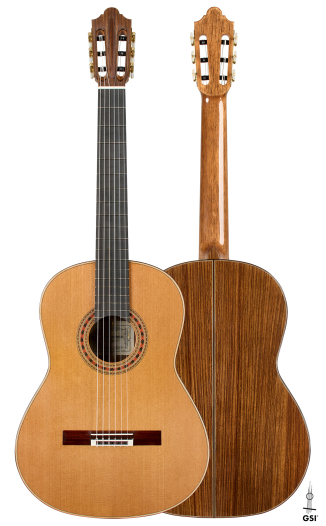
Photos of this guitar taken during and after construction