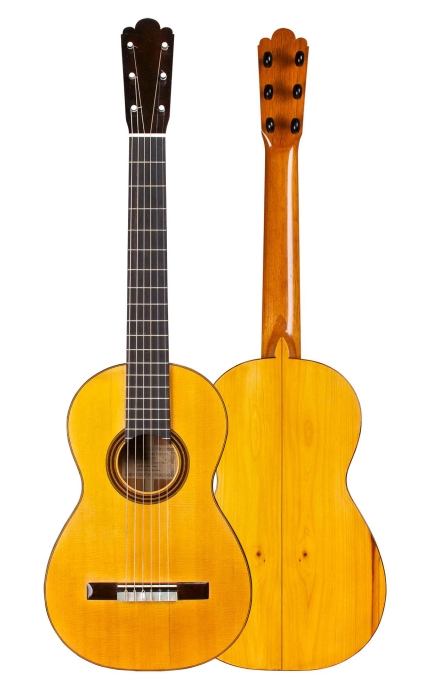
1890 Antonio de Torres "SE 144" SP/CY (ex Kenneth Brögger)
| Year | 1890 |
| Top | Spruce |
| Back & Sides | Cypress |
| Scale Length | 646 mm |
| Nut width | 52 mm |
| Finish | French Polish |
| Country | Spain |
| Luthier | Antonio de Torres |
This guitar is no longer available in our inventory. If it interests you, click the ”notify me when available” button to be notified in the event that we re-acquire this guitar for re-sale.


Luthier Kenneth Brögger Discusses His Replicas Of An 1890 Antonio de Torres Guitar

Grisha Goryachev experiences a real 1890 Torres guitar

Tarrega 'Recuerdos de la Alhambra' played by Almer Imamovic

Villa-Lobos 'Guitar Concerto' played by Fabricio Mattos (part 1 of 2)
Description

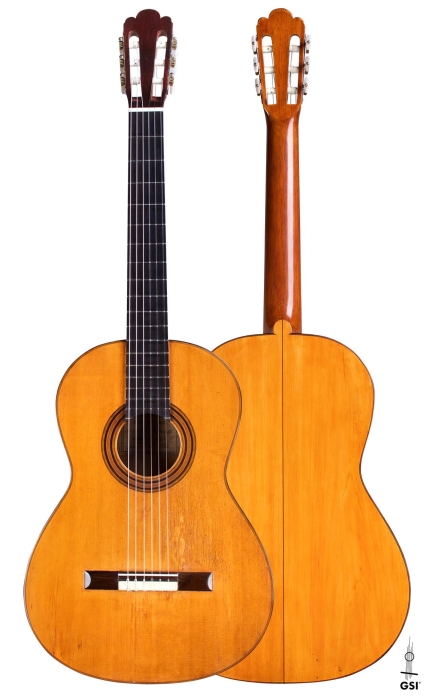
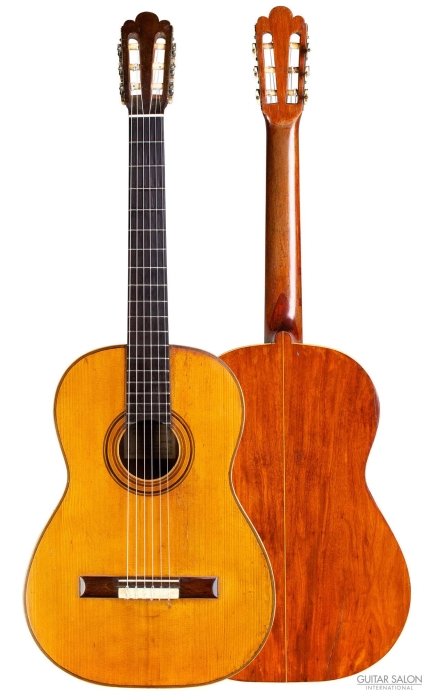
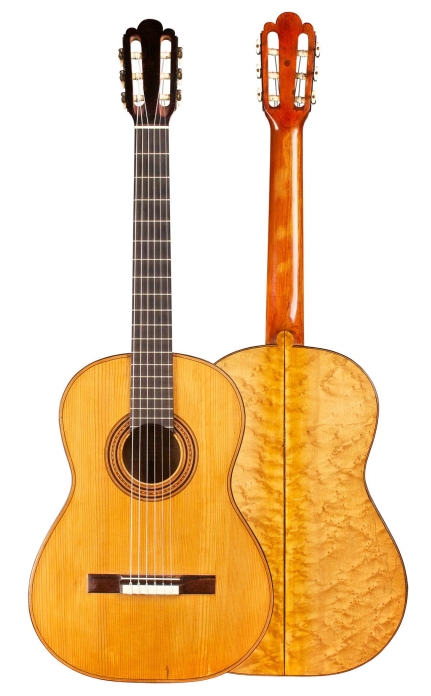
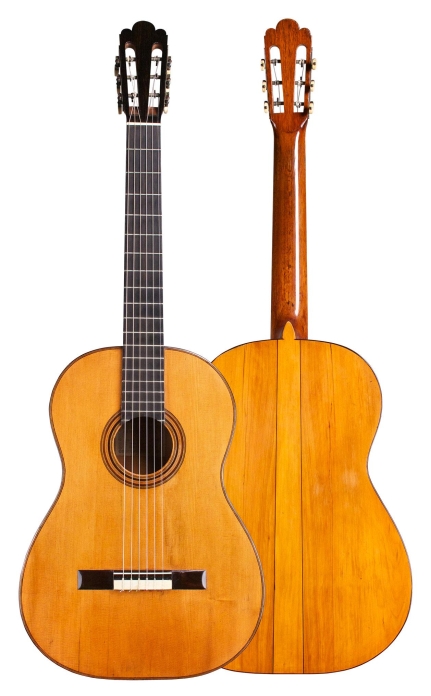
This 1890 Antonio de Torres is a spruce and cypress classical guitar from Almería, numbered SE 144 – a mature second-epoch Torres, once owned by the Danish luthier Kenneth Brögger.
In the videos above, Kenneth Brögger talks about his replicas of this guitar, Grisha Goryachev plays it for the first time, Almer Imamovic plays Tárrega's "Recuerdos de la Alhambra" and Fabricio Mattos plays an excerpt from Heitor Villa-Lobos' Guitar Concerto on it.
SE 144: A Late Torres from Almería
This particular instrument is an exquisite example of an incredibly well-preserved guitar from the second epoch, numbered 144 on its label and completed just two years before Torres' passing in 1892. It features the refinements of this later, mature phase, where the depth and sublime quality and richness of sound is brought to its fullest expression.
Sound
Describing this sound in words is all but impossible: the richness and harmony of every note, the perfect balance as they blend, and the sensation of the guitar vibrating against the player's body. It is a tremendous experience which is only possible with an instrument such as this in one's hands.
Ex Kenneth Brögger: The Model for His "1890 Torres"
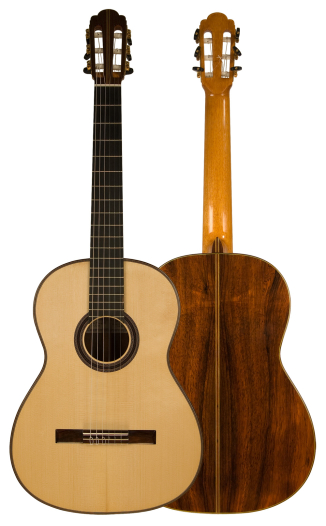
This guitar once belonged to the great Danish luthier Kenneth Brögger. Living with it day after day, he came to know it as only its owner could, and it became the model for one of the best-known Torres replicas of our time, his "1890 Torres" – in the first video above he talks about his copies and the original that inspired them.
More on Antonio de Torres
There is much more to read about Torres: our biography of the maker, an excerpt on the Torres sound from José Luis Romanillos's book "Antonio de Torres", and a conversation between Pepe Romero and Kenny Hill about the master luthier. Also see Orfeo Magazine #9 – The 200th Anniversary of Antonio de Torres.